


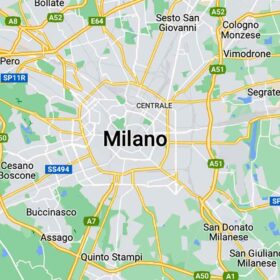
 The Geographic Location of Milan – A Strategic Spot in the Heart of Europe
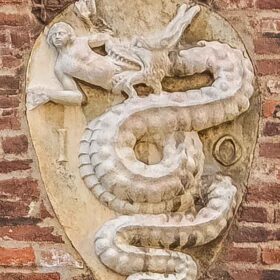 Milan’s coat of arms
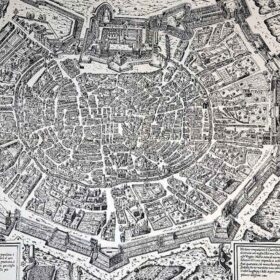 History of Milan
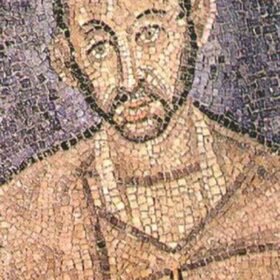 Saint Ambrose
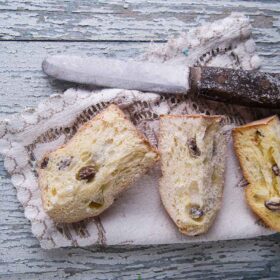 History of Panettone
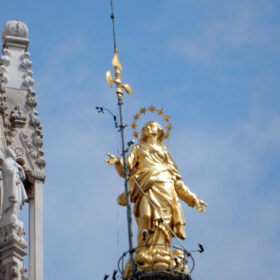 Madonnina
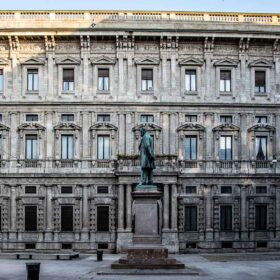 City Hall
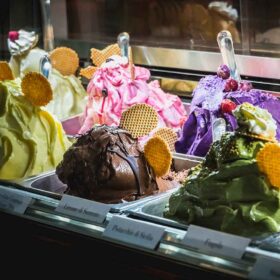 Milanese cuisine



Where to sleep in Milan?
As night falls over Milan, the city of fashion and design, its streets and lodging establishments come alive, offering visitors not only a place to rest, but a window into the diverse facets of this dynamic city. Milan, known for its elegance and modernity, hides a myriad of accommodation options that reflect its unique character and rich history.
In this guide, we’ll focus on the variety of accommodations in Milan, from luxury hotels in the heart of the city to charming guesthouses in historic districts, to modern apartments in vibrant neighborhoods. Each district of the Lombardian capital has its unique character, which is reflected in the accommodation options available there.
I invite you to discover the best neighborhoods for overnight stays in Milan, where each one tells a different story and provides a unique experience. Whether you’re looking for accommodations in the heart of fashion, in a quiet neighborhood, or a place full of artistic spirit, Milan has something unique to offer every traveler.
Zones (municipia) of Milan
The administrative division of Milan is organized on the principle of dividing the city into smaller units, called municipia or zones. Milan is divided into 9 such municipios, which serve to manage the city more efficiently and better respond to the needs of residents. Each municipium has its own unique character and history, often reflecting Milan’s cultural and social diversity. Within each municipality, we can distinguish several districts.
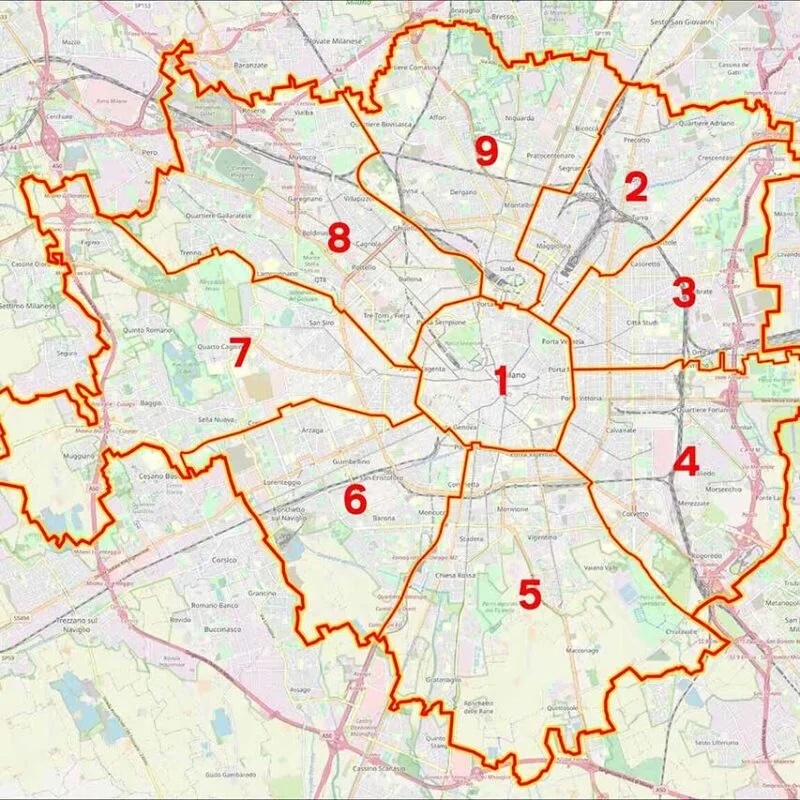
Zone 1 – the historic center of Milan
Strict center – Duomo cathedral, La Scala opera house and more

Piazza del Duomo, also known as “Cathedral Square,” is the main square in Milan. The piazza is named after the Milan Cathedral (Duomo), which dominates it. The square is the center of the city both geographically and because of its artistic, cultural and social importance.
Piazza del Duomo is also home to many of Milan’s other important buildings, including Galleria Vittorio Emanuele II, one of the oldest shopping malls in the world. The square is also the site of many cultural and social events.
Piazza del Duomo is part of Milan’s inner city, which is known to be home to boutiques of the most expensive brands, and many well-known brands such as Armani, Fendi, Prada and Ermenegildo Zegna are based here.
Nearby, proudly stands the Teatro alla Scala, one of the most prestigious opera houses in the world. La Scala is not only a beautiful building, but also a place full of culture, where you can experience unforgettable moments watching world-class operas and ballets.
In Milan’s historic center, you can discover the true flavors of Italy. Restaurants such as the famous Ristorante Cracco in the Galleria Viktor Emanuel, serve exquisite dishes that are the essence of Italian cuisine. And cafes and bars scattered around the area are ideal places for aromatic coffee and sweet snacks to enjoy during a break while shopping or visiting various attractions.
Selected hotels in the city center:
Among the hotels that offer accommodation in this prestigious location, it is worth mentioning the Hotel Spadari Al Duomo, which combines elegance and comfort, is an excellent choice for those who want to be close to the city’s main attractions. Equally attractive is The Street Milano Duomo located in the heart of Milan, just 100 meters from Piazza Duomo. Its location is ideal for tourists, allowing easy access to the main sights in the city.
For those looking for luxury at the highest level, there is Galleria Vik Milano, located in the heart of the Galleria Vittorio Emanuele II, where exclusive rooms and suites overlooking the historic arcades of the gallery provide an unforgettable experience and the highest standard of service.
Of the cheaper options, the Milan Reatrets Duomo – apartments in an excellent location, very close to the Duomo, which is especially appreciated by guests – and the B&B Hotel Milano City Center Duomo are worth recommending.
Prices of accommodations near Piazza del Duomo in Milan may vary depending on the type of accommodation, standard, amenities available, and time of year.
According to data from popular accommodation portals, the average price for a room near the center of Milan is about €180 per night. Nearby hotels tend to be 40% more expensive compared to the average Milan hotel price of €100.
Sempione and Brera – the artistic souls of the city
When wandering around Milan, it’s impossible to miss two districts: the Sempione and the Brera.
Brera is one of Milan’s most charming neighborhoods, known as a center of art and design. There are many attractions here that attract tourists from all over the world.
One of the most important sites in Brera is the Pinacoteca Brera, an art museum opened to the public in 1803. It houses a distinguished collection of Italian paintings, including works by artists such as Canaletto, Caravaggio, and Raphael. The same building as the Brera Academy of Fine Arts also houses the Botanical Garden and the Astronomical Museum, both of which are part of the district’s historical heritage
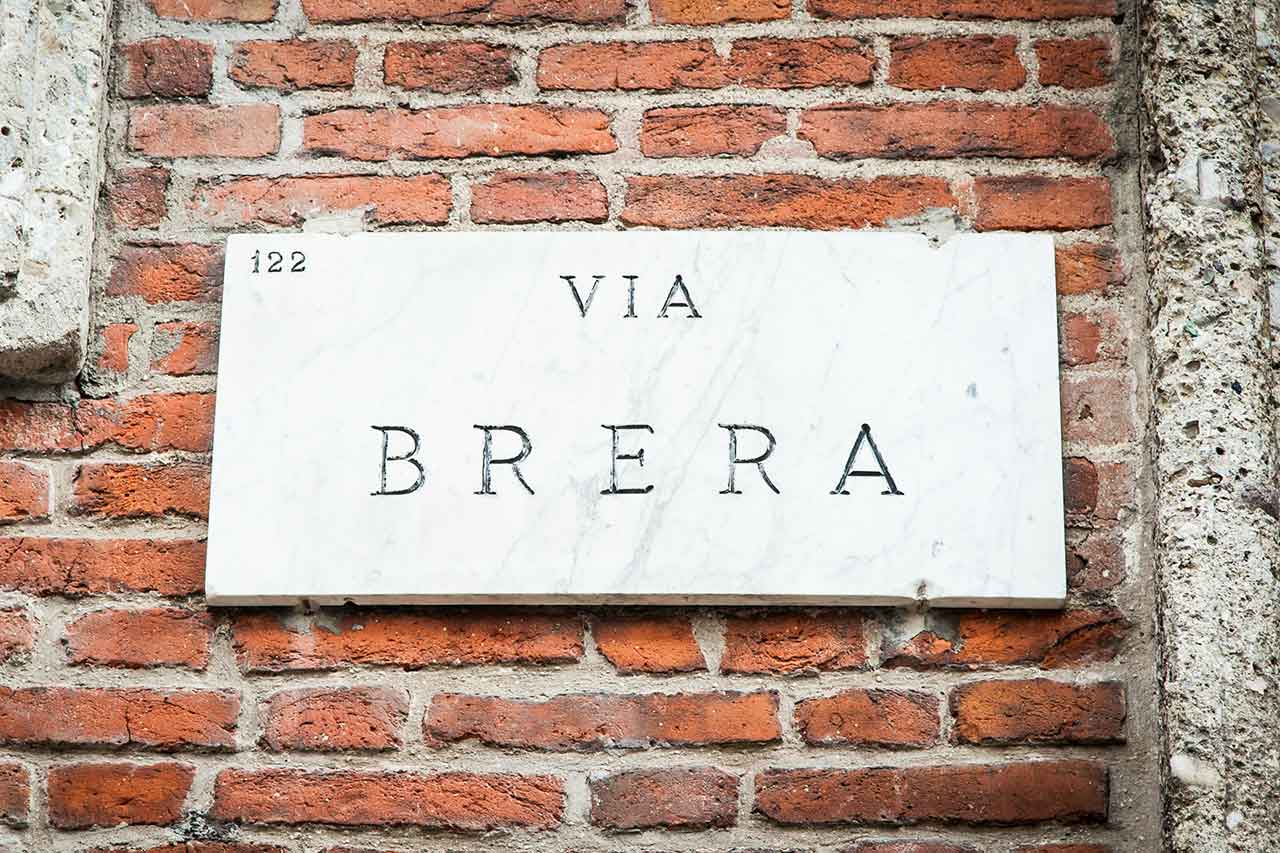
The Brera district is also known for its numerous restaurants that offer a variety of cuisines. Among them are such places as restaurants: Botinero, Mi View, Nabucco, PRIMA – Food & Bar, Brera 29, Vesta and also bars: Brera, New Art, Break Time and Jamaica Bar.
Brera is also home to many charming cobblestone streets and historic buildings dating back to the 18th century. The district is well-liked by artists and designers, especially during Design Week, when the popular Fuorisalone event takes place.

Milan’s Sempione district is a place that combines historic attractions, such as the Arch of Peace and Sforza Castle, with the charm of a quiet city park. Park Sempione is a green oasis, ideal for relaxing and strolling, and is also home to interesting attractions such as the Arena Civica, the Municipal Aquarium and Hydrobiology Station, and the Park Tower. The district attracts both tourists looking for historical sights and locals wanting to relax in the natural surroundings.
Among the hotels in these neighborhoods, it’s worth mentioning Hotel Milano Scala, eco-friendly and close to La Scala, offering unique rooms, a panoramic terrace, breakfasts with live music and a restaurant with local dishes, all within walking distance of Milan’s popular attractions. Meanwhile, On the other hand, Bulgari Hotel Milano, located nearby, is synonymous with luxury and sophistication, and its exclusive rooms and suites are a true oasis of calm in the bustling city.
Other lodging options near Brera and Sempione:
Corso Venezia i Fashion Quadrilateral – elegancja i fashion
Among the streets of Milan, Corso Venezia and Quadrilatero della Moda (Milan’s fashion district) stand out as symbols of elegance and luxury. It is here, in the heart of the fashion city, that lovers of the latest trends stroll through, surrounded by exclusive boutiques and historic buildings that create a unique atmosphere where fashion meets history.
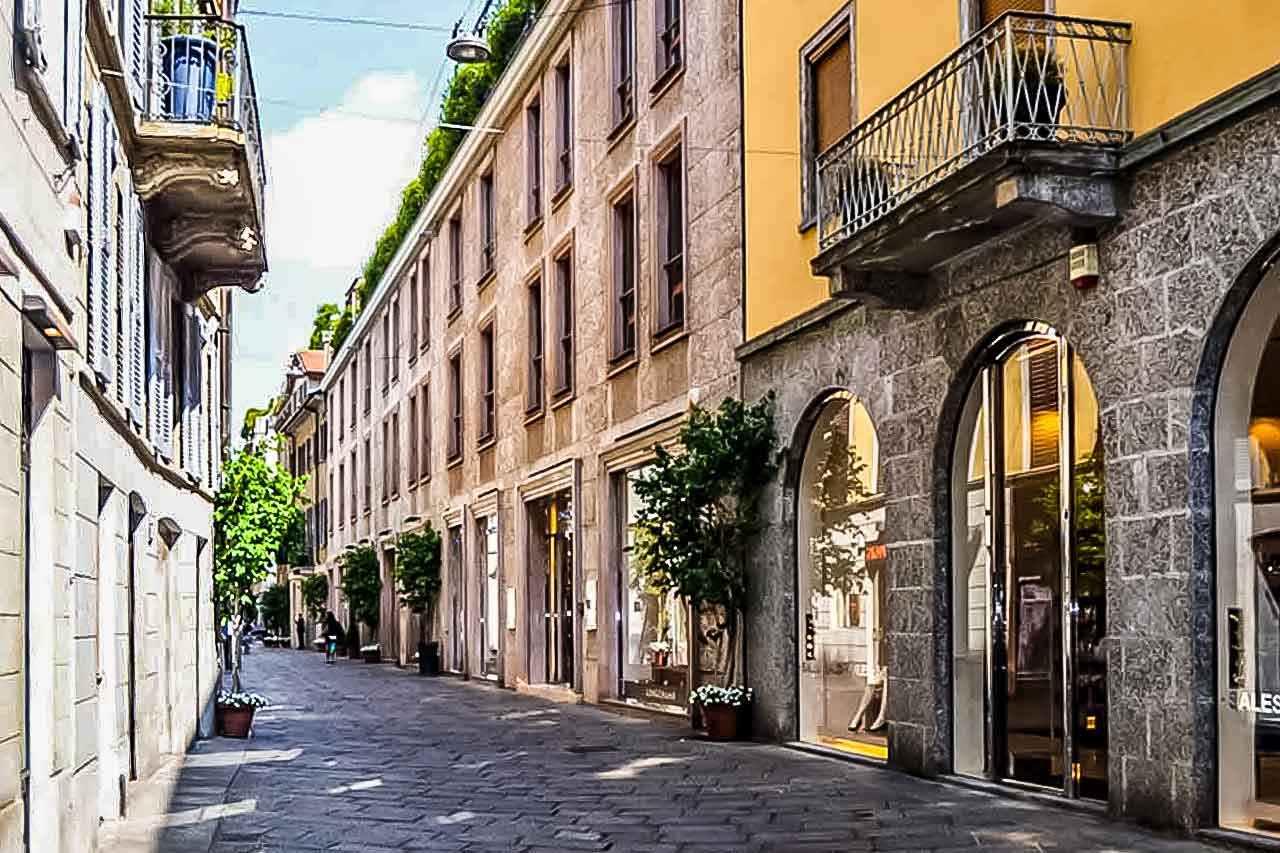
Quadrilatero della Moda, also known as the “square of gold,” is a fashion lover’s paradise. Exclusive boutiques of brands such as Prada, Gucci, Louis Vuitton and Armani are housed in historic buildings, creating a unique contrast between modernity and tradition. Walking along Via Montenapoleone or Via della Spiga, you can get a better idea of the world of great fashion.
It’s a neighborhood where historic buildings mix with modern cafes and restaurants, creating a space with something for everyone. Restaurants such as Il Salumaio di Montenapoleone and Bice serve sophisticated dishes, being the perfect place for an elegant dinner or lunch in a fashionable setting.
Corso Venezia, with its elegant avenues and historic buildings, is quintessentially Milanese elegance. It is here that architecture meets culture, and the streets bustle with life both day and night. An example of exceptional architecture is Villa Necchi Campiglio, a jewel of the art déco style, surrounded by beautiful gardens.
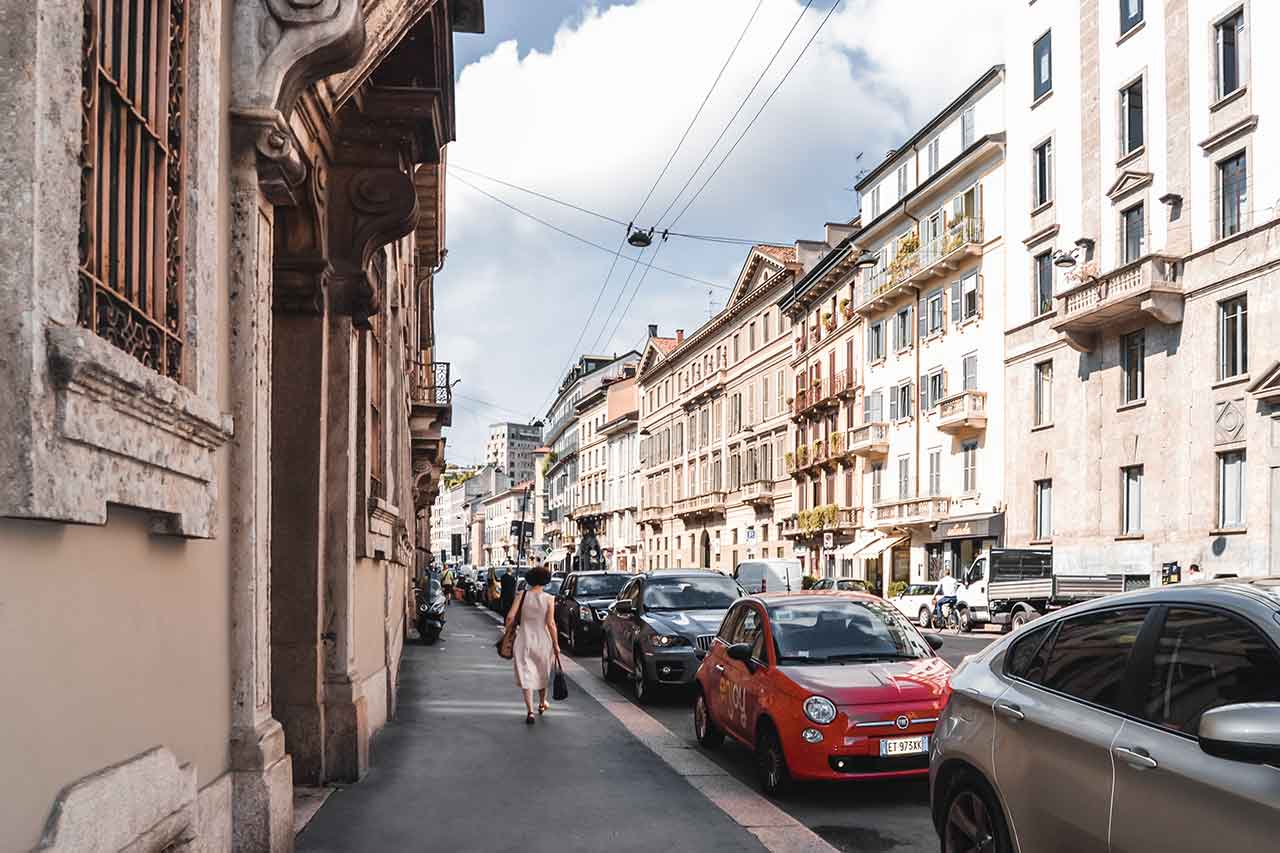
Also not to be missed is Indro Montanelli’s Giardini Pubblici, the green heart of the neighborhood with its tranquil space for resting and relaxing among nature.
Popular hotels in the fashion district and near Corso Venezia:
There are many popular hotels in Milan’s Quadrilatero della moda district, also known as Quad d’Oro, and near Corso Venezia, but most of them are expensive because of the location. Here are a few of them:
Sant’Ambrogio
Sant’Ambrogio, on the other hand, is a district with deep historical roots. It is home to the famous Basilica of San Ambrogio, one of the oldest and most important churches in Milan. This district also houses many other landmarks and museums, such as the Leonardo da Vinci Museum of Science and Technology.
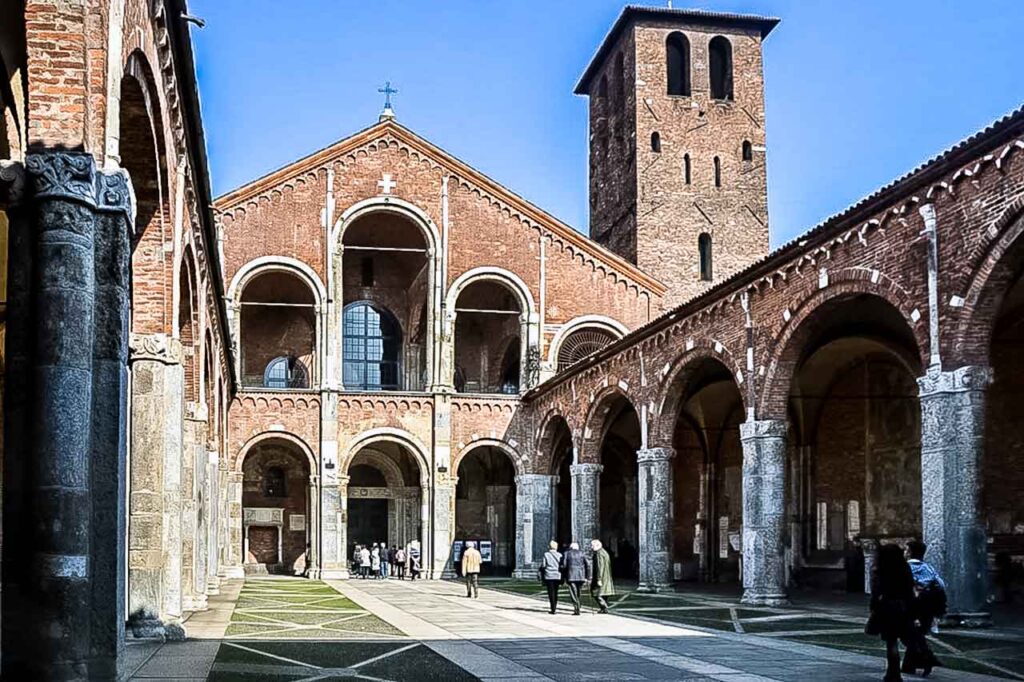
San Ambrogio also has a wide selection of restaurants and cafes where you can enjoy both traditional Italian dishes and modern cuisine.
Among the available accommodations are:
Colonne di San Lorenzo
Colonne di San Lorenzo, on the other hand, is one of the most famous historical locations in Milan, famous for its impressive Roman columns. The district is a popular gathering place for locals and tourists alike, offering a great atmosphere, especially in the evenings. Bars and restaurants in the area, such as Taglio and Le Colonne Bar, are ideal places to go out in the evening, offering a wide variety of dishes and drinks.

Milan – the best hotels in the Colonne di San Lorenzo area:
Piazzale Cadorna
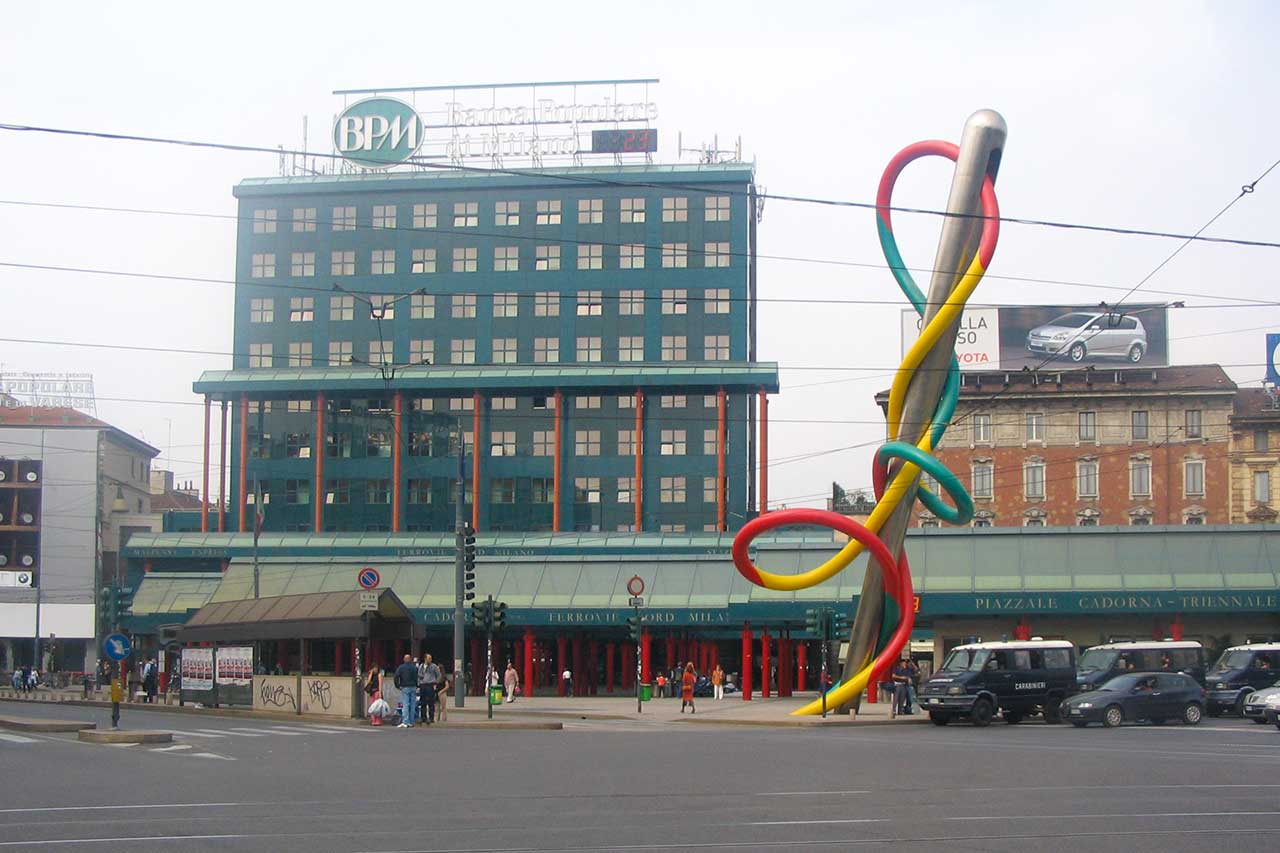
Piazzale Cadorna, located in the heart of Milan, is known for its impressive art installation “Ago, Filo e Nodo” and is an important transfer point for subway lines and trains. The district is ideal for travelers who want to be close to the city’s main attractions, such as the Last Supper, Sforza Castle, and Sempione Park.
The best deals near the Cadorna train station:
Zone 2
Milan’s Zone 2, also known as Municipio 2, is one of the city’s smaller administrative units, covering an area of 12.58 square kilometers in the northeast of Milan. Municipio 2 includes neighborhoods such as Stazione Centrale, Gorla, Turro, Greco, and Crescenzago.
Stazione Centrale
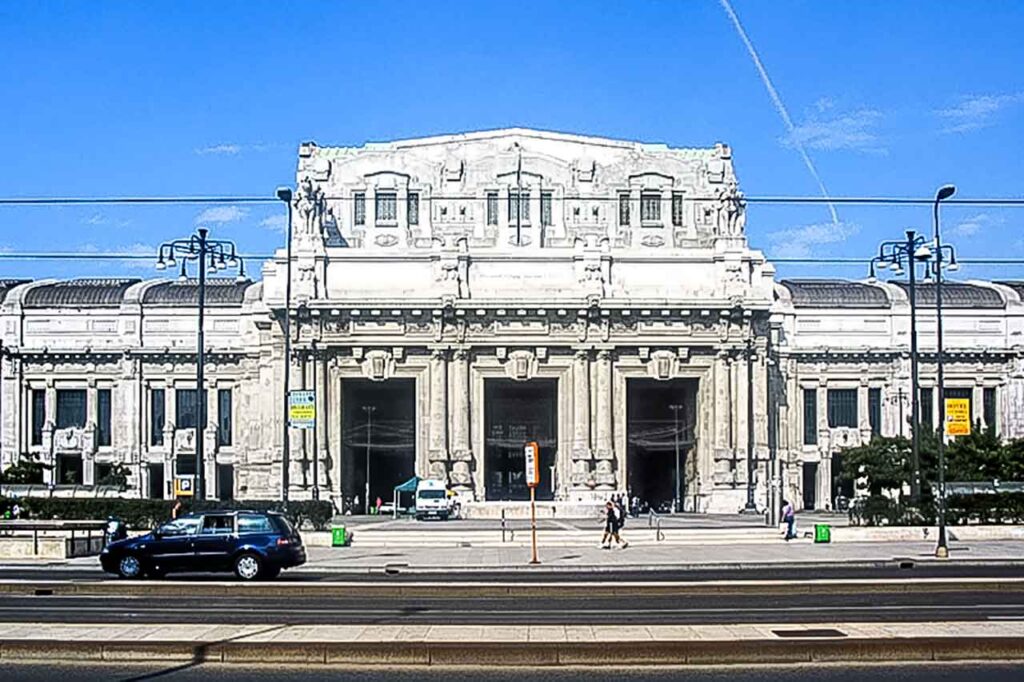
Milan’s Stazione Centrale district is best known for the city’s largest train station, Milano Centrale, which handles some 330,000 passengers a day. The station is one of the largest in Europe and is an important transportation hub, with rail lines leading to various parts of Italy and Europe.
The neighborhood, due to the presence of the train station, is also a popular place to stay for tourists who also have out-of-town trips planned.
Although the area of the main train station may not present itself as the most charming, especially after dark, the district undoubtedly has its advantages. It offers more affordable accommodation options and provides quick and convenient transportation to the rest of the city.
Milan’s Stazione Centrale district offers many lodging options to meet different needs and budgets. Below are some suggestions:
NoLo – North of Loreto
The district, located north of Piazzale Loreto (hence the name North of Loreto), has historically grown in tandem with the demographic growth of the city, meeting the need for housing.
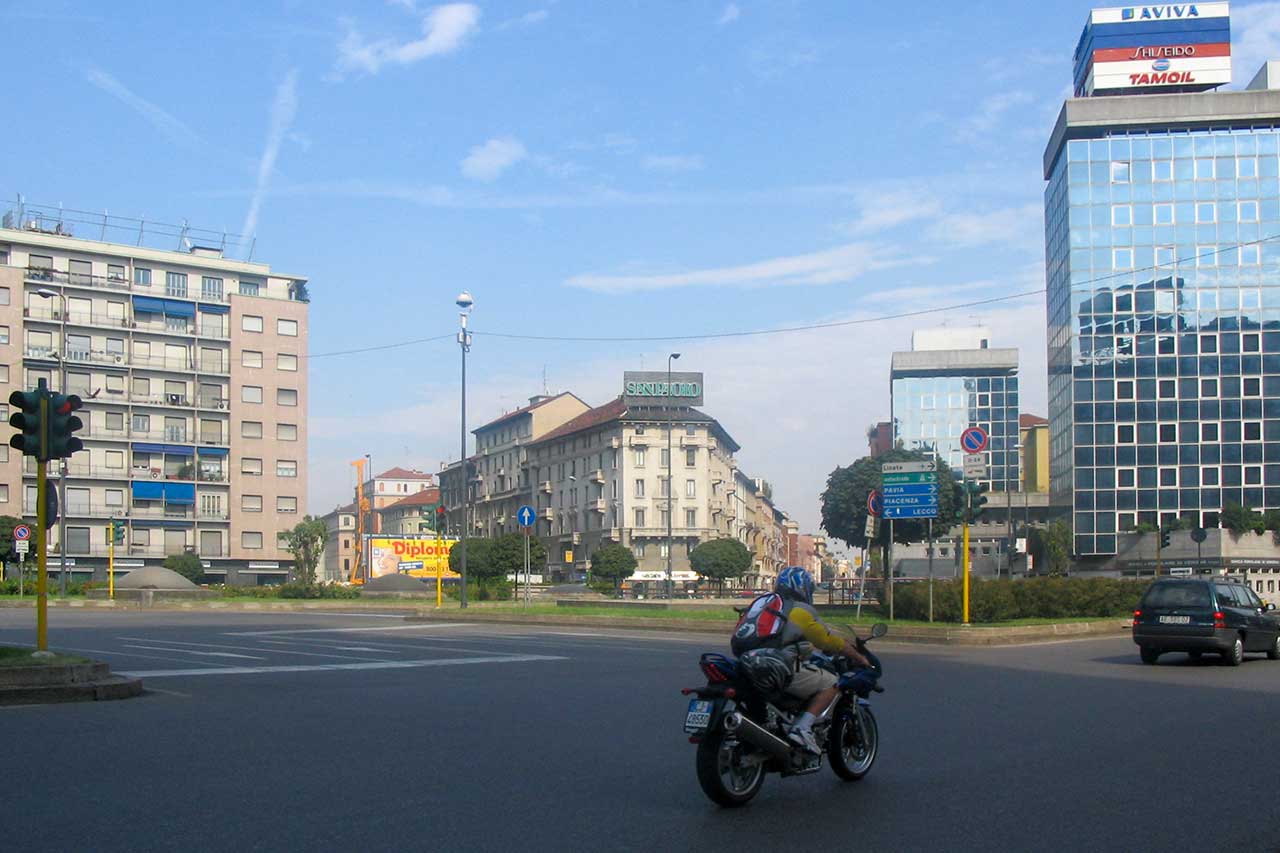
NoLo, recently transformed into a vibrant neighborhood, is known for its colorful walls, street art, and independent stores. NoLo is now known as a multicultural, creative district with lively nightlife. It is home to art galleries, architecture studios, cultural centers, and coworking spaces. Cafes and bars in NoLo, such as Pavè and Baladin Milano, are popular meeting places for young people, serving not only excellent coffee and craft beer but also an opportunity to exchange ideas and experiences.
Milan’s NoLo district hides a number of interesting accommodations, with a preponderance of cozy private apartments. Here are some of them:
Zone 3
Zone (municipio) 3 in Milan, also known as Città Studi, Lambrate, and Porta Venezia, is an area of the city that offers many tourist attractions. It is home to sites such as Casa Museo Boschi Di Stefano, the Corso Buenos Aires shopping street, Porta Venezia, Casa Galimberti and Casa Guazzoni, and the Milan Polytechnic. This is a diverse area in terms of accommodations, with many hotels, apartments, and houses for rent. With its central location, the zone is an attractive destination for those looking for accommodation in Milan.
Porta Venezia and Corso Buenos Aires
Porta Venezia and Corso Buenos Aires are two well-known locations in Milan that attract locals and tourists alike. Porta Venezia is a neighborhood that combines many aspects of the city: cosmopolitan, with thousands of flavors of international cuisine, and rainbow, where diversity and inclusivity are celebrated daily in LGBTQ clubs. Corso Buenos Aires, on the other hand, is a main street in northeast Milan that, with more than 350 stores and outlets, has the highest concentration of fashion stores in Europe.
Several highly rated hotels near Porta Venezia and Corso Buenos Aires in Milan offer a variety of amenities and are well-connected to the rest of the city. Here are a few of them:
Citta Studi and Lambrate
The district’s name Città Studi, which means “city of studies,” comes from the fact that the area is home to the Polytechnic University of Milan (Politecnico di Milano), one of the largest technical universities in Europe, as well as most of the technical-scientific branches of the University of Milan.
The district is popular with students for its proximity to the university and its range of cheap bars and restaurants. Next door is the Lambrate neighborhood, known for Birrificio Lambrate, one of Milan’s best craft breweries, among other things.
When it comes to accommodations, there are many options in both Città Studi and Lambrate, including hotels, apartments and houses for rent:
Zone 5 and 6
Navigli and Porta Genova – nightlife and canals
Milan’s Navigli district is best known for its picturesque canals, which attract locals and tourists alike. This lively place is full of bars, restaurants and cafes, as well as art galleries and antique stores. Navigli is also a popular place for evening strolls and relaxing by the water.
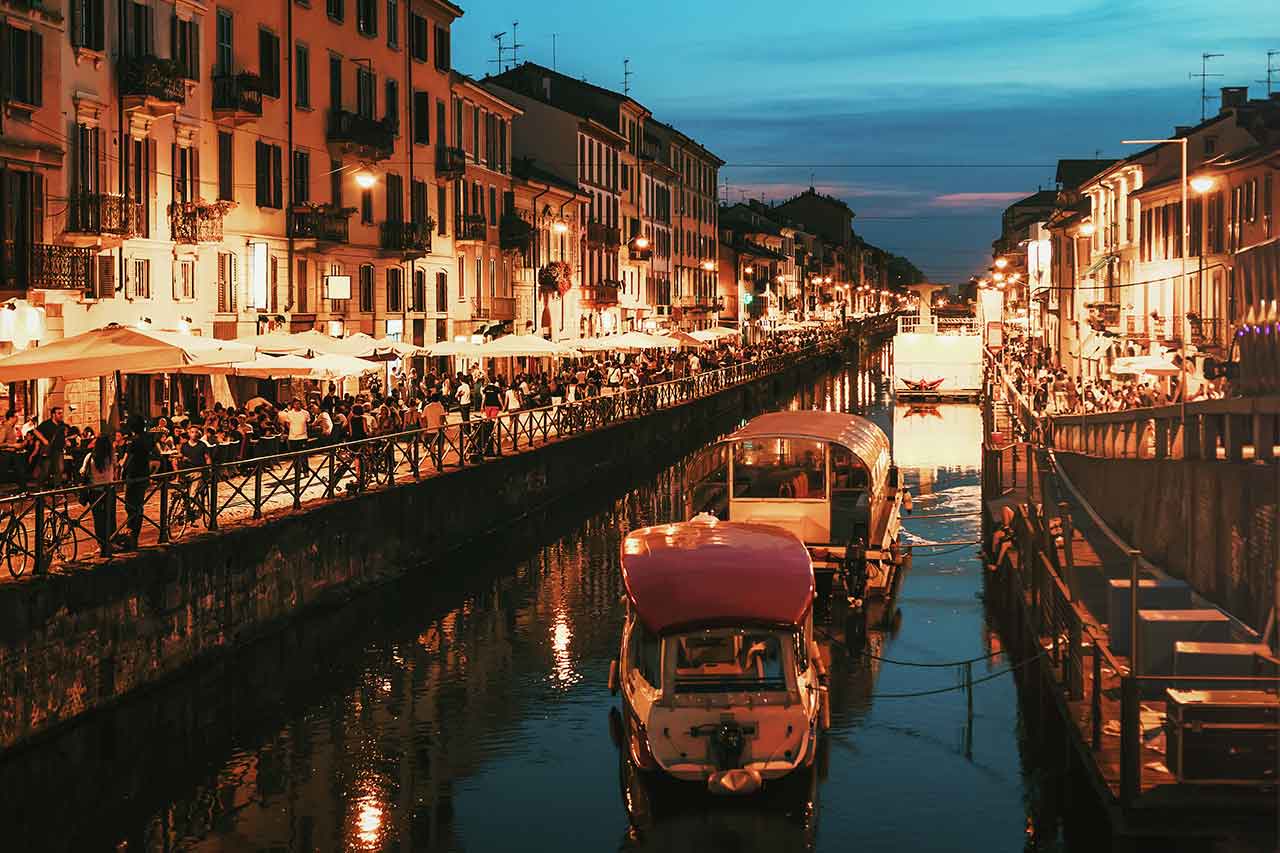
Navigli, with its canals and colorful facades, is the heart of Milan’s nightlife. It’s a place where café culture mixes with artistic spirit, creating a space full of energy and creativity. Cafes and bars, such as Mag Café and Spritz, invite you to enjoy aperitifs and cocktails, being the perfect place to start your evening in Milan.
Porta Genova, on the other hand, has a slightly quieter but equally fascinating atmosphere. It’s here that you’ll find charming restaurants and bars that serve traditional Italian food and wine, such as Osteria del Binari or Al Pont de Fer.
Among the hotels in the Navigli district, it is worth noting:
Zone 7
It is the most extensive and western zone of Milan. It includes neighborhoods such as Assiano, Baggio, Figino, Fopponino, Forze Armate, Harar, La Maddalena, Muggiano, Porta Magenta, Quartiere degli Olmi, Quarto Cagnino, Quinto Romano, San Siro, Valsesia and Vercellese
City Life and Zona Fiera – the modern face of Milan
City Life and Zona Fiera are neighborhoods that represent the modern face of Milan, a testament to the city’s dynamic growth and innovation. Known for its impressive architecture and luxury shopping centers, these areas are a symbol of Milan’s future.
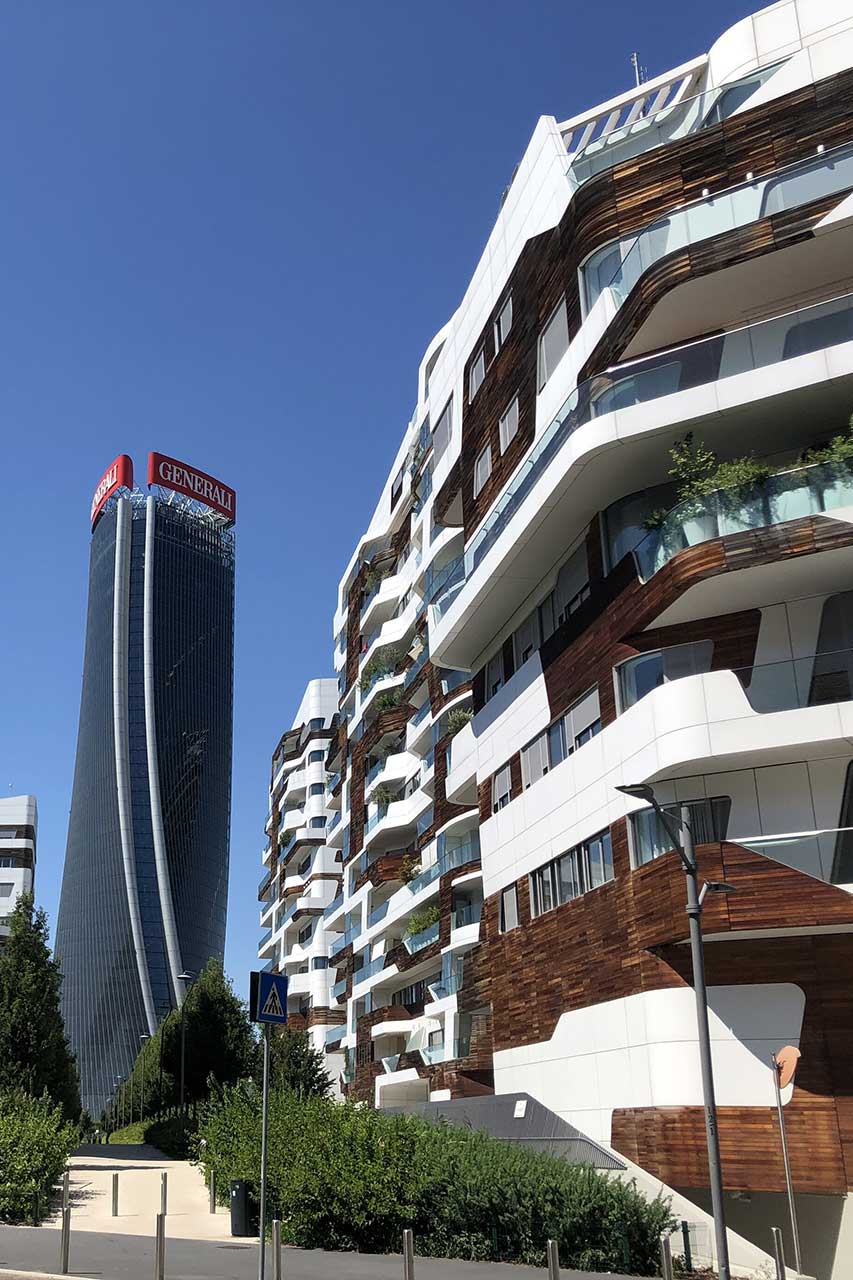
Anna Bombińska, CC BY-SA 4.0, via Wikimedia Commons
City Life, with its futuristic skyscrapers and spacious plazas, is the quintessence of modern design and architecture. It’s home to the famous CityLife Shopping District, where you’ll find not only upscale stores but also recreational spaces and green parks, creating the perfect place to stroll and relax. Prominent buildings in the district are skyscrapers designed by world-renowned architects such as Zaha Hadid and Daniel Libeskind.
Zona Fiera, known for hosting international trade fairs and exhibitions, is a dynamic business center. This district not only offers modern exhibition spaces but also a variety of dining and entertainment options.
Among the hotels and apartments in these neighborhoods are worth mentioning:
San Siro
Milan’s San Siro district, located in the western part of the city, is part of the administrative zone 7.

San Siro, known primarily for its legendary San Siro Stadium, is a mecca for soccer fans. Home to two Italian soccer giants, AC Milan and Inter Milan, this impressive stadium attracts crowds of fans from all over the world. Although mainly associated with sports, the district also features pleasant parks and green areas, ideal for relaxation and recreation.
Accommodations near San Siro:
What neighborhoods should you avoid in Milan?
Definitely avoid the neighborhoods: Quarto Oggiaro, Giambellino–Lorenteggio, Via Padova, Corvetto, north of Milano Centrale station, and even in the evenings, if you don’t have to, steer clear of the San Siro area. Unfortunately, these districts are not the safest. Be cautious around Corso Como as well, an area known for its nightlife, where theft and drug trafficking are common. In many places outside the city center, you may also encounter “ladies of the night” in the evenings. They’ve always been visible on many streets for as long as I can remember, but their presence has never posed a threat.
Accommodation in Milan – what is worth knowing?
Popular accommodation search engines
There’s something for every traveler in Milan, whether they’re looking for luxury, culture, history, fashion, or just want to experience the Italian lifestyle in one of Europe’s most dynamic and fascinating cities.

I lived in Milan for 18 years, and it was there that I came to know the city’s daily life best - not just its landmarks, but also its rhythm, its habits, and its less obvious sides. Today I live in Wrocław, but I still return to Milan regularly.