


 The Geographic Location of Milan – A Strategic Spot in the Heart of Europe
 Milan’s coat of arms
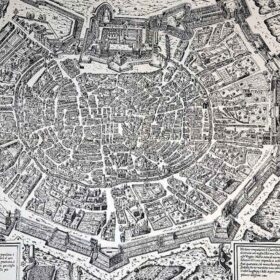 History of Milan
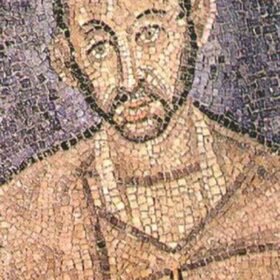 Saint Ambrose
 History of Panettone
 Madonnina
 City Hall
 Milanese cuisine


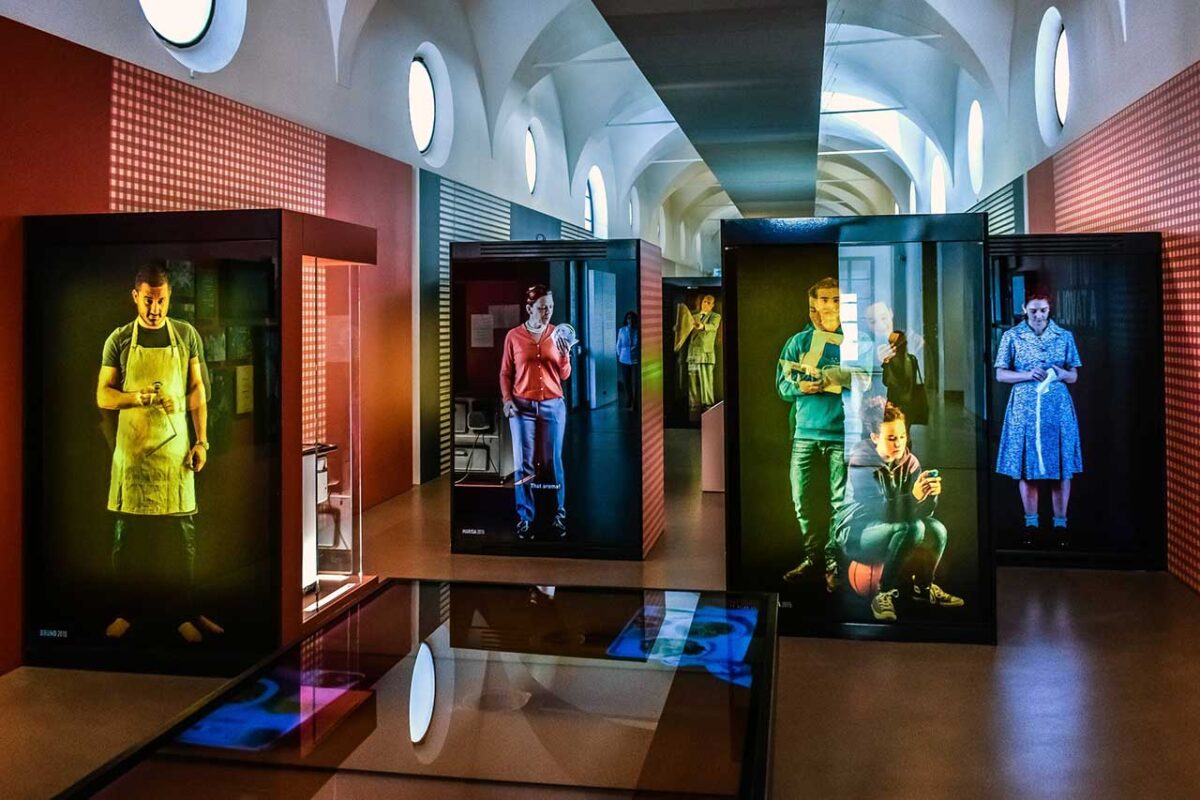
What is the Leonardo da Vinci Museum of Science and Technology in Milan?
The Museum of Science and Technology in Milan is the largest technology museum in Italy, housing 19,000 exhibits, including the world’s largest collection of Leonardo da Vinci machine models.
Its full name is Museo Nazionale della Scienza e della Tecnologia Leonardo da Vinci. Founded in 1953, it showcases how science and technology have evolved over the centuries, not just in Italy but around the world. The museum spans 538,000 square feet and welcomes over half a million visitors each year.
This isn’t your typical museum with glass display cases. It’s a true science center where you can touch exhibits, run experiments in laboratories, and discover how the world has changed over the centuries. The collection includes both historical objects and modern inventions.
Key takeaways
Practical information
At what hours is the Museum of Science and Technology open?
The museum is open Tuesday through Friday 9:30 AM – 5:00 PM, weekends and holidays 9:30 AM – 6:30 PM. Closed on Mondays and December 24-25. Last entry is one hour before closing.

Detailed schedule:
Before your visit, it’s worth checking current hours on the museum’s official website, as they may change for special events.
How much do tickets to the Leonardo da Vinci Museum cost?
Standard admission is €10 ($11), reduced €7.50 ($8) for children ages 3-26, seniors 65+, and students. Children under 3 enter free.
Full ticket pricing:
|
Ticket type |
Price |
For Whom |
|---|---|---|
|
Standard |
€10 (~$11) |
Adults |
|
Reduced |
€7.50 (~$8) |
Children 3-26, seniors 65+, students |
|
School groups |
€5 (~$5.50) |
School groups with reservation |
|
Free |
€0 |
Children under 3, disabled visitors + caregiver |
Who qualifies for reduced admission:
Who enters free:
Do I need to book tickets in advance?
Reservations aren’t required, but are recommended for weekends and holidays. During peak season, lines without reservations can reach 30-45 minutes.
Tickets can be purchased:

Partner ticket packages:
How to get to the Leonardo da Vinci Museum?
The easiest way to reach the museum is by Metro Line M2 (green line) to Sant’Ambrogio station. Address: Via San Vittore 21, 20123 Milano.
The museum is located in central Milan, near the Santa Maria delle Grazie church (where The Last Supper is housed) and the Sant’Ambrogio basilica.
Transportation options:
For those traveling by car: The museum is within Area C, Milan’s congestion charge zone. Entry costs €7.50 (~$8) on weekdays 7:30 AM – 7:30 PM. Parking can be found at MyParking.it.
How long does it take to visit the Museum of Science and Technology?
Allow 2-3 hours to see the main exhibits. With interactive laboratories, plan for 4+ hours.
The museum has over 10,000 exhibits spread across 301,000 square feet of exhibition space. To properly explore the main collections, plan for at least 2-3 hours. If you want to participate in workshops at the i.lab laboratories or see all sections, it’s better to reserve an entire day.
Suggested time by visit type:
Is the museum accessible to people with disabilities?
The museum is largely accessible for visitors with disabilities. Admission is free for disabled visitors and their caregivers.
The building is equipped with:
Some parts of the historic building may be more difficult to access. It’s worth contacting the museum in advance at [email protected] if you have specific needs.
What can you see at the Museum of Science and Technology?
At the museum, you’ll see 130 Leonardo da Vinci machine models, real trains and aircraft, the Enrico Toti submarine, and a fragment of moon rock.
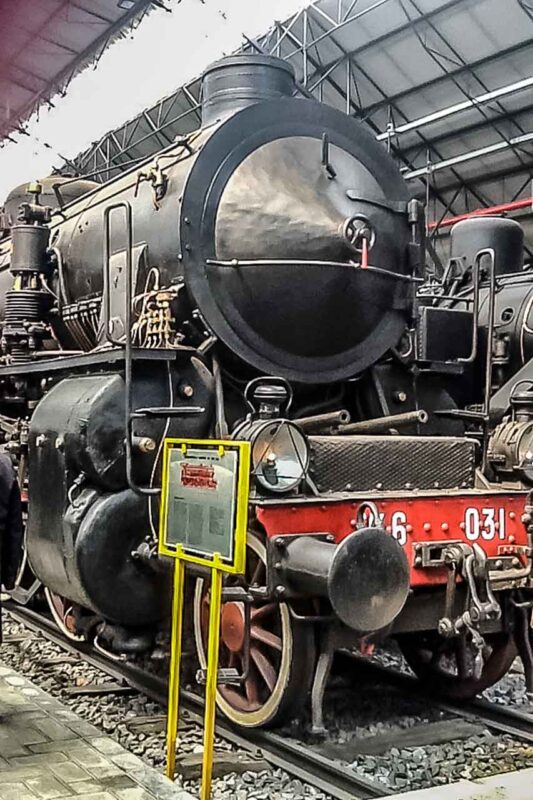
This is the world’s largest collection of Leonardo’s invention models – no other museum has such a complete collection. Beyond that, you’ll find real locomotives, aircraft, ships, and space exhibits showcasing technological development from the 19th century to today.
What permanent exhibits are on display?
The museum offers 14 permanent thematic sections, from Leonardo da Vinci’s inventions to space exploration. Each section is a separate journey through the history of science and technology.
Main sections:
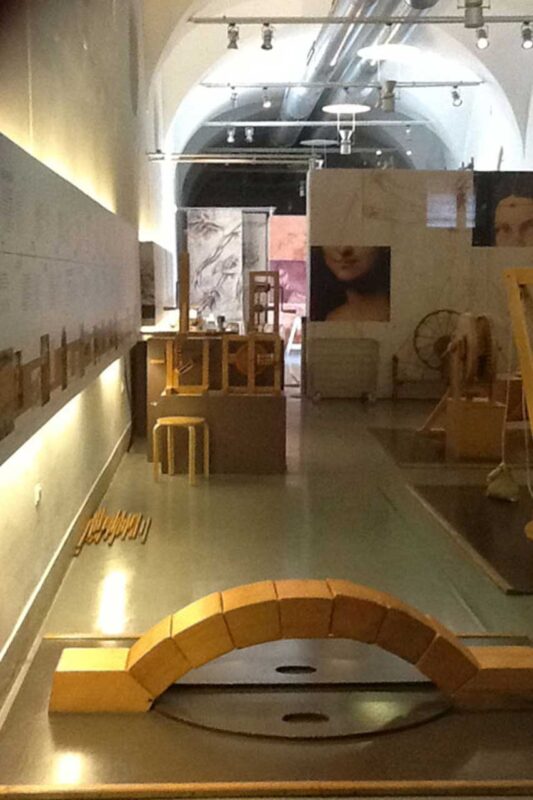
Leonardo Art & Science – The world’s largest collection of 130 wooden machine models built according to Leonardo da Vinci’s designs. You’ll see flying machines, war machines, hydraulic devices, and mechanical contraptions. The section also includes musical instruments, clockmaking, and art collections.
Rail Transport – Real locomotives and carriages, including:
Air Transport – History of Italian aviation:
Maritime Transport – One of Italy’s most important collections:
Space (Spazio) – Exhibits related to space exploration:
Energy – From energy sources to energy devices, information about the oil industry and general energy systems.
Materials – Aluminum, steel, polymers, and their importance in the chemical industry. Information about paper production and product life cycles.
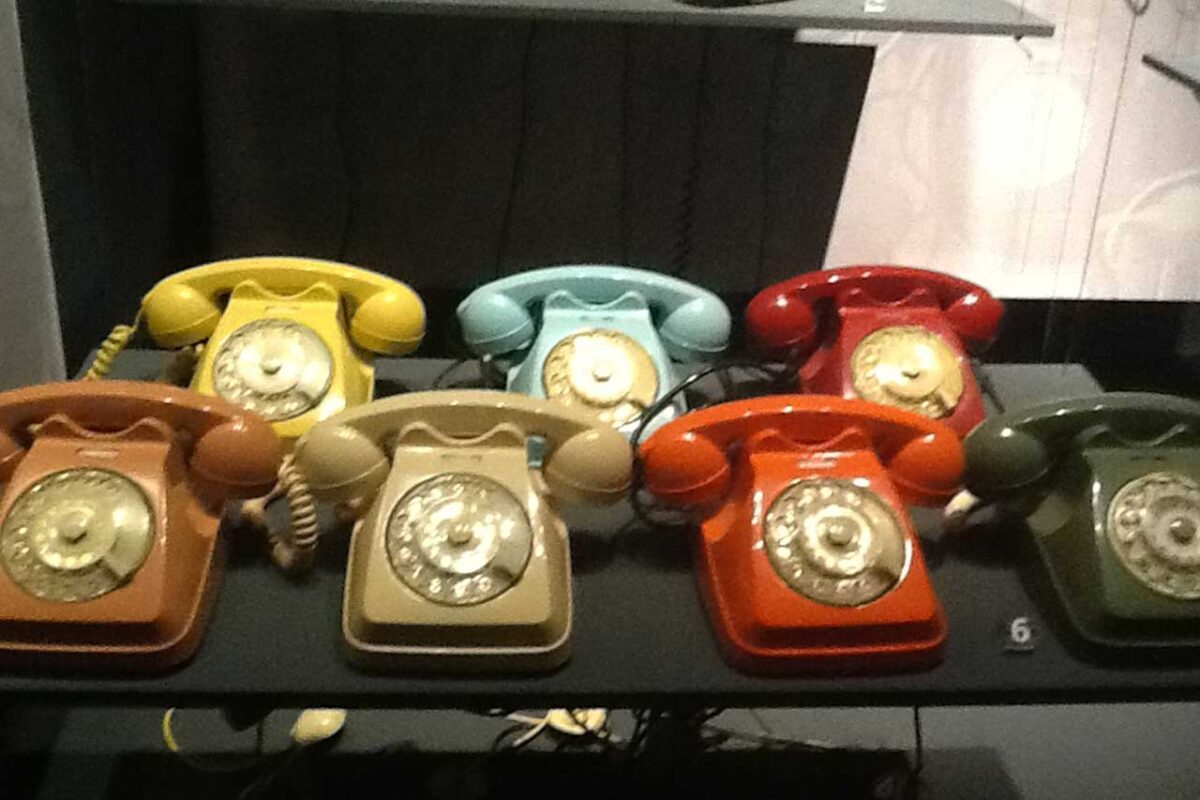
Communication – The development of human communication: from old telegraphs to modern phones, radios, and televisions.
#FoodPeople – The science and technology of food. How science affects what we eat and how technology is changing the food industry.
Is the Museum of Science and Technology good for children?
The museum is excellent for children thanks to its 14 interactive i.lab laboratories where kids can conduct experiments themselves. There’s also a special Playlab for the youngest visitors (ages 3-6).
This is one of the most child-friendly museums in Europe. Instead of looking at exhibits behind glass, children can touch, build, and discover. They especially love the real trains, aircraft, and spacecraft.
What the museum offers for families:
Best age: The museum works best for children 7 and older, but younger kids will also find attractions at the hands-on Playlab.
Practical information for families:
Educational activities at the museum
Interactive i.lab laboratories
The museum offers 14 interactive laboratories where visitors can conduct experiments themselves. That’s more than any other science museum in Southern Europe.
In the i.lab laboratories, everyone can learn science through practice. Instead of traditional lectures, guests conduct their own experiments and observe how different processes work. It’s a hands-on way to understand even complex scientific concepts.
Tinkering Zone
The Tinkering Zone is inspired by San Francisco’s famous Exploratorium. It’s a space where you can explore the world of science through play: creating, tinkering, and experimenting. It promotes creative thinking and problem-solving.
Library
The museum has an impressive library with historical collections on the development of technology and science. You’ll find rare books, documents, periodicals, and archives – a valuable treasure trove of knowledge for researchers and students.
What is the history of the Museum of Science and Technology?
The museum was founded in 1953 in a former 16th-century Olivetan monastery, rebuilt after WWII damage. It’s a symbol of rebirth and human curiosity.
The building that now houses the museum has a rich history dating back hundreds of years. The former monastery suffered serious damage during bombing raids in 1943. After the war ended, a decision was made to reconstruct the ruined building and adapt it for museum purposes.
Key dates:
In subsequent years, the museum has continued to grow, expanding its collection and exhibition space. New sections have been added, such as the Aviation Museum and the interactive i.lab laboratories.
When is the best time to visit the museum?
The best time to visit is on weekdays (Tuesday-Friday) in the morning, right after opening. Weekends and Italian holidays are the most crowded.
When is it least crowded:
When to avoid:
Tip: If you’re planning a weekend or holiday visit, book tickets online in advance. This will let you skip the ticket counter line.
FAQ: Frequently Asked Questions
Where exactly is the museum located?
The museum is located at Via San Vittore 21 in Milan, in the former San Vittore al Corpo monastery, near the Sant’Ambrogio basilica and the Santa Maria delle Grazie church.
Are guided tours available?
Yes, guided tours are available, including special tours of the Enrico Toti submarine (additional fee, reservation required). Check the schedule and available languages on the museum website – English tours are often offered.
Can I take photos?
Yes, photography for personal use is allowed, without flash in some areas. Tripods and professional equipment may require permission – ask at the ticket counter.
Is there a coat check and luggage storage?
Yes, the museum offers free coat check and luggage storage at the entrance.
Is there a restaurant or café at the museum?
Yes, there’s a café on the museum premises. You’ll also find many restaurants and bars nearby, especially along Corso Magenta.
Wrap-up
The Museum of Science and Technology in Milan is one of Europe’s most important technology museums. The world’s largest collection of Leonardo da Vinci machine models, real trains, aircraft, and a submarine – this place attracts both adult science enthusiasts and children looking for interactive fun.
For a leisurely visit, plan 2-3 hours; with the laboratories, a full day. Standard admission is €10 (~$11), children under 3 enter free. You can easily reach it via Metro Line M2 to Sant’Ambrogio station.
Nearby Attractions
Wybierając się do Mediolanu warto również przeczytać:


I lived in Milan for 18 years, and it was there that I came to know the city’s daily life best - not just its landmarks, but also its rhythm, its habits, and its less obvious sides. Today I live in Wrocław, but I still return to Milan regularly.