


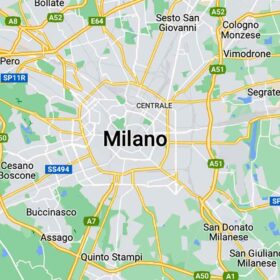
 The Geographic Location of Milan – A Strategic Spot in the Heart of Europe
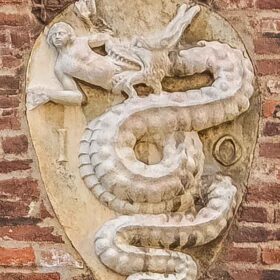 Milan’s coat of arms
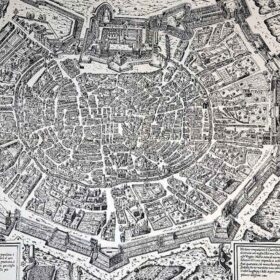 History of Milan
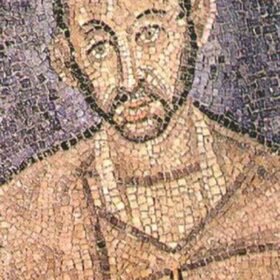 Saint Ambrose
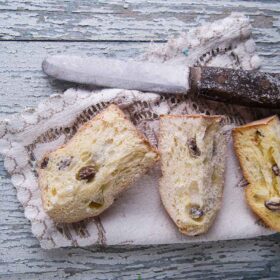 History of Panettone
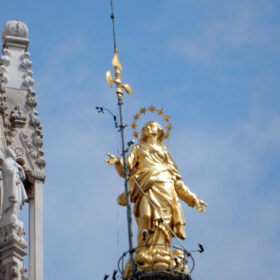 Madonnina
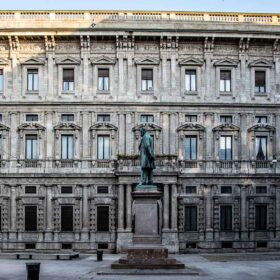 City Hall
 Milanese cuisine


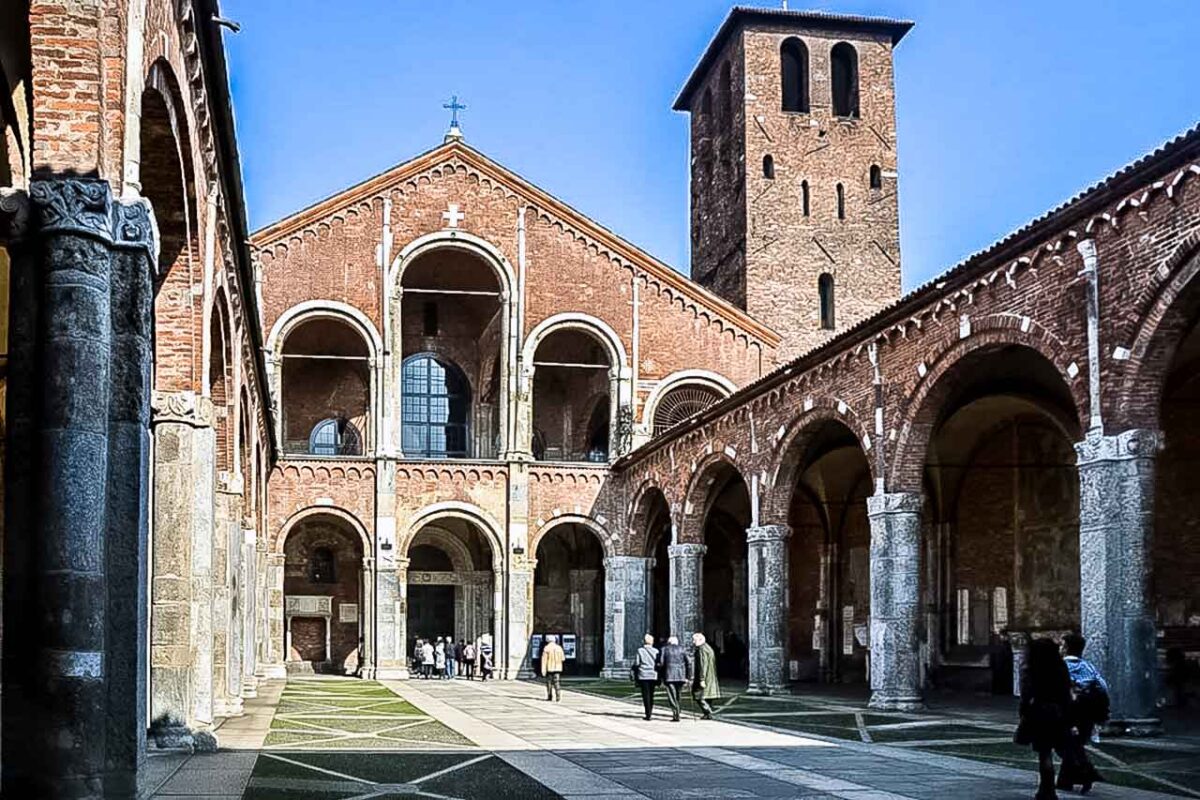
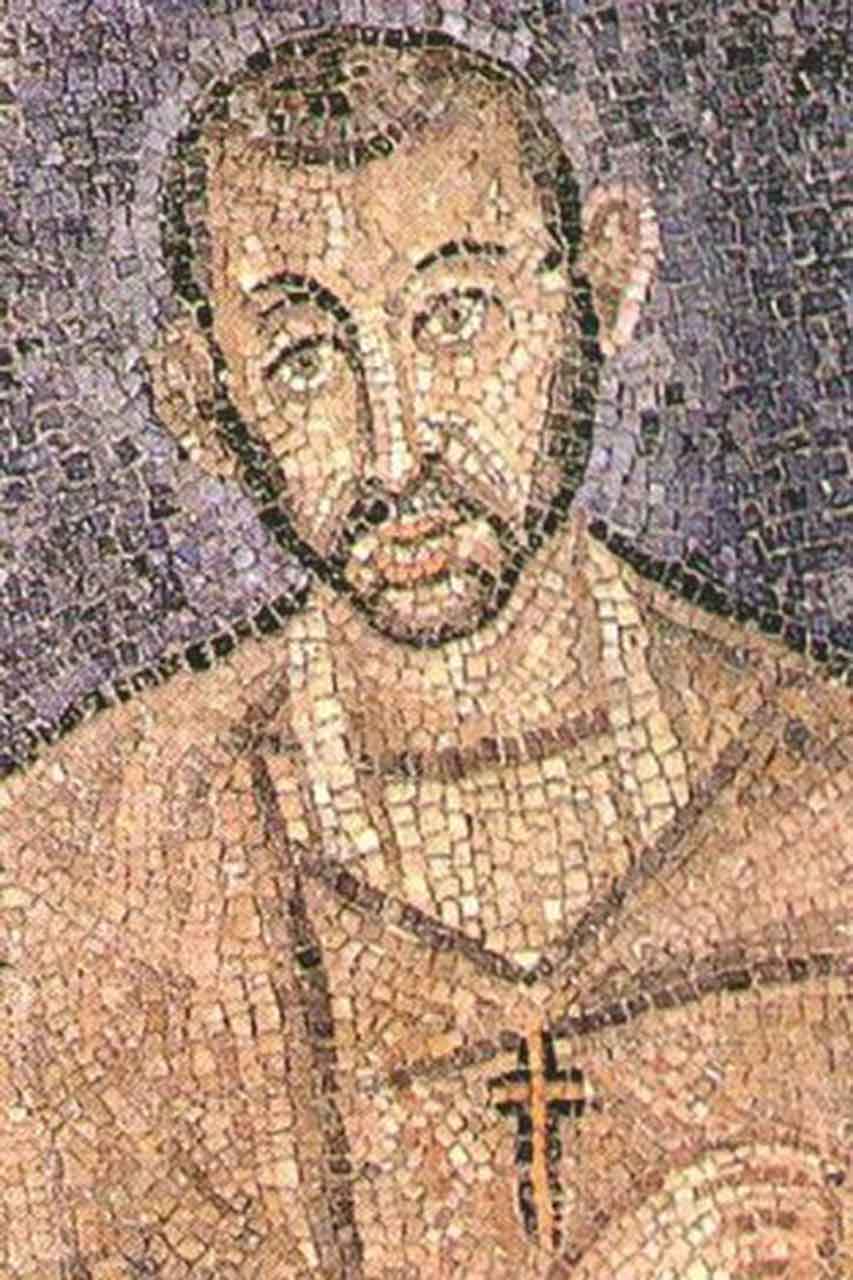
The people of Milan – the Ambrosians, to be exact – got their name from Saint Ambrose, the patron saint of Milan! – he also gave them a character of their own, which has distinguished them ever since.
Nowhere else is there such a symbiosis between the archbishop, the citizens, and the city as in Milan and Saint Ambrose. Here they are inseparable.
And yet Ambrose was a foreigner, and the fact that he was able to represent the city of Milan so well means that, from its beginnings, Milan has had excellent intercommunity functions.
Ambrose also ordered the construction of four basilicas on top of pagan temples and placed the remains of the holy martyrs of St. Dionysius, St. Nazarene, St. Simpliciano, and the great Celestine in their crypts. Ambrose established the custom of visiting the bodies of martyrs in the places where they were buried in order to keep the faith alive. Later, with great solemnity… the bodies were taken to basilicas and these were consecrated as holy places.
An ancient tale, perhaps a legend, says that the “Ambrosian” rite, or the one prescribed by St. Ambrose, was actually suggested by the fear of one of the most important archbishops. In Ambrosio’s time, it was not uncommon the priests to be robbed and stabbed while saying Mass. There was looting of valuables and desecration of the church. When St. Ambrose was appointed Bishop of Milan in 369 before he had even become a Christian (he was promptly baptized shortly thereafter), he was governor of Emilia and Liguria, and danger lurked at every turn in Milan. The Roman ritual required that the celebrant of the Mass should have his back turned to the faithful. Well if there was someone who was willing to look people (and danger) in the face, and it was Ambrose, who initiated the celebration of Mass behind the altar while keeping an eye on his sheep in this way, not always innocent and timid, as one might assume.
Miracles of Saint Ambrose
The human imagination attributed to Saint Ambrose a series of miracles that were not included in the beatification process, but which, like the Apocryphal Gospels, still enlightens us today…
The first miracle is Ambrose’s visit to the pope (who had invited him to apologize), who cries out: “Your Holiness, I must go! I hear the bells in Milan ringing for Mass, I don’t want to be late for Mass!” Of course, moments after leaving the bewildered pope, Ambrose was in Milan behind the altar.
The second, also taking place in the Vatican, tells how Ambrose, pulling off his cloak, has nowhere to put it, so he places it on a sunbeam that cuts across the room where he was in the audience…
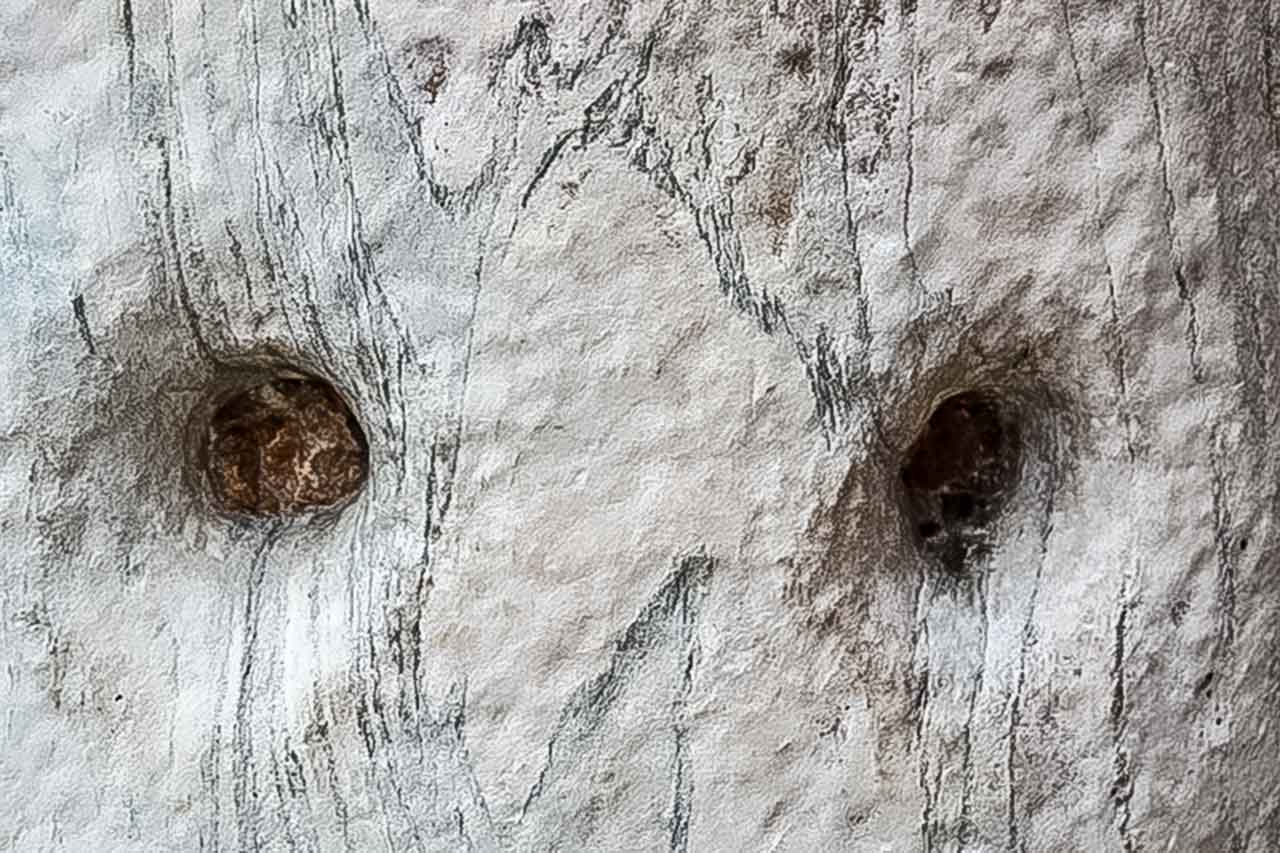
The third tells of a column next to the basilica. The devil, tempting the saint, tries to defeat him. And when he fails, he blows his horns into the column. And the holes are still there to this day…

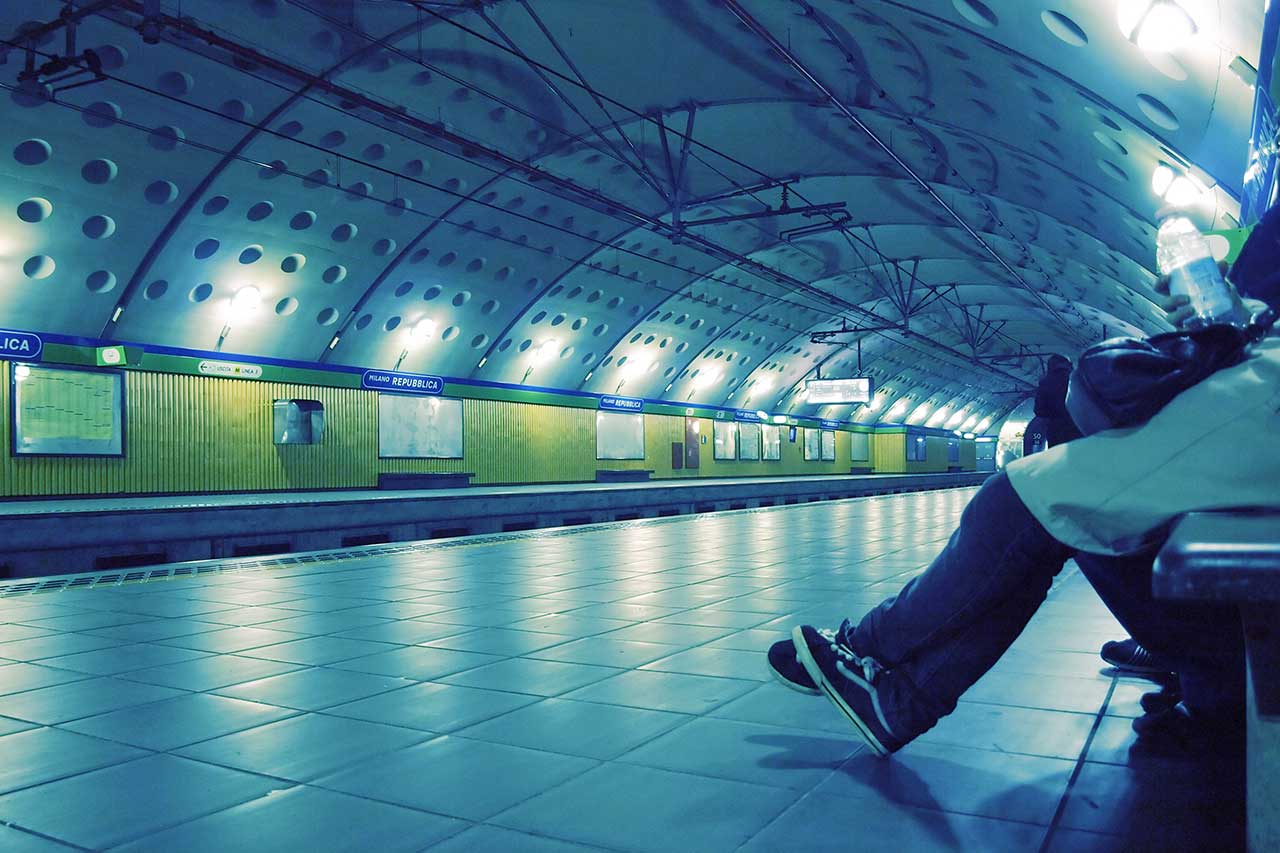
I lived in Milan for 18 years, and it was there that I came to know the city’s daily life best - not just its landmarks, but also its rhythm, its habits, and its less obvious sides. Today I live in Wrocław, but I still return to Milan regularly.