


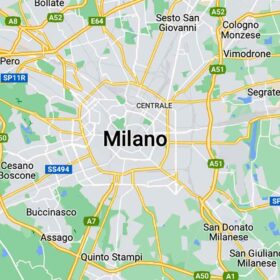
 The Geographic Location of Milan – A Strategic Spot in the Heart of Europe
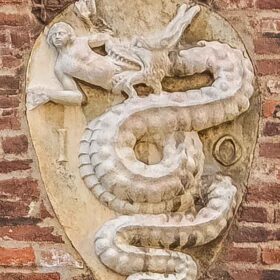 Milan’s coat of arms
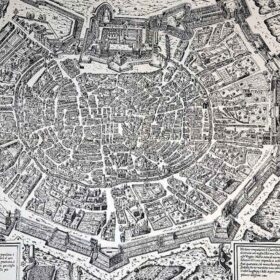 History of Milan
 Saint Ambrose
 History of Panettone
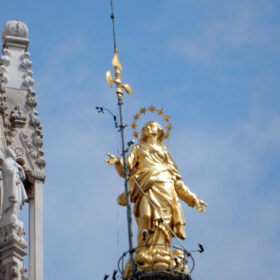 Madonnina
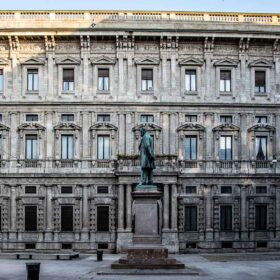 City Hall
 Milanese cuisine


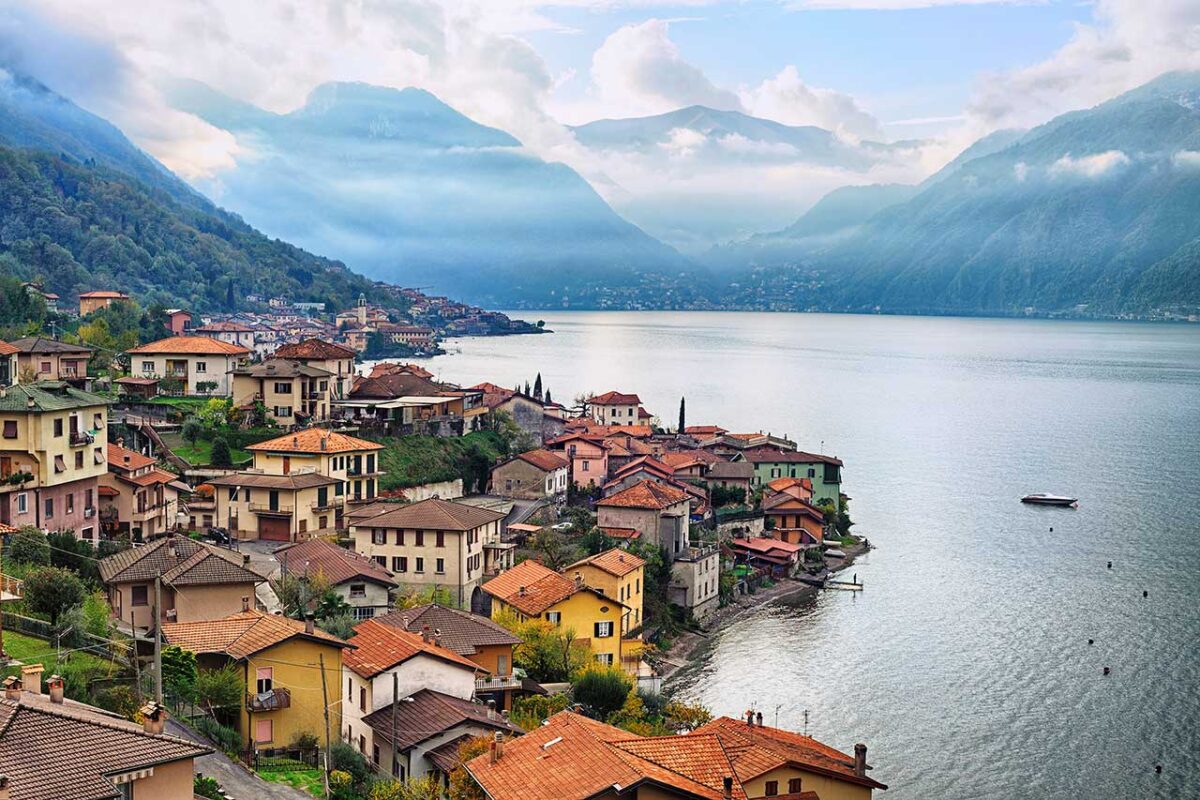
Lake Como is less than an hour from Milan by train. Sounds simple enough, but if it’s your first time, the mix of stations, lines, and ticketing quirks can trip you up fast. After years of making this trip, I’ve tried pretty much every option: early-morning regional trains, buses from Lampugnano, driving the A9 into a Friday traffic jam. Each one makes sense, just in different situations.
This guide covers all available transport options from Milan to Como: ticket prices, travel times, station names, and the kind of practical tips that save you from standing on the wrong platform.
What’s the fastest way to get from Milan to Como?
The fastest option is a Trenord train from Milano Centrale to Como San Giovanni. The ride takes about 40 minutes and costs from €5.20.
The train is by far the most popular and practical choice. No transfers, no traffic, no hunting for parking. Trenord runs this route roughly every hour, so you don’t need to plan your day down to the minute.
One thing to keep in mind: “the train to Como” isn’t just one connection. Trains leave from different stations in Milan and arrive at different stations in Como. That distinction matters, because it determines whether you step off the train 5 minutes from the lake or 15.
Which Milan train stations have connections to Como?
Trains to Como depart from three stations: Milano Centrale, Milano Porta Garibaldi, and Milano Cadorna.
Milano Centrale → Como San Giovanni
This is the most popular route. Trenord trains run roughly every hour, and the ride takes about 40 minutes with no transfers. Service runs from early morning to late evening; check trenord.it or the Trenord app for exact times. A second-class ticket costs €5.20.
Milano Centrale is Milan’s main train station, easily accessible by metro (lines M2 and M3). If you’re a tourist staying in the city center, this is probably your most convenient starting point.
Milano Porta Garibaldi → Como San Giovanni
The S11 line (Chiasso – Como – Milano Porta Garibaldi) is another option. Trains run regularly, and the travel time is similar. Porta Garibaldi is a good pick if you’re staying near the Isola neighborhood or Corso Como, since the station sits on metro lines M2 (green) and M5 (lilac).
Milano Cadorna → Como Nord Lago
This is the RegioExpress RE7 line (Como – Saronno – Milano). The ride takes about 60 minutes, and tickets cost €4.80. The key difference: you arrive at Como Nord Lago (officially called Como Lago), which sits right on the lakefront, steps from the ferry dock and the town center.
If you’re planning to hop straight on a ferry to Bellagio or Varenna, this is more convenient than Como San Giovanni. Trains run roughly every 30-60 minutes during the day, but there are gaps in the schedule at certain hours. Check the current timetable on trenord.it so you’re not stuck waiting on the platform.
Which station in Como should you choose?
Como San Giovanni is a 15-minute walk from the lake. Como Nord Lago (Como Lago) is right on the waterfront, next to the ferry docks.
Almost every traveler asks this question, and the answer really does matter.
|
Station |
Distance to lake |
Departing from |
|---|---|---|
|
Como San Giovanni |
~15 min on foot |
Milano Centrale / Porta Garibaldi |
|
Como Nord Lago |
Right on the waterfront |
Milano Cadorna |
Como San Giovanni is Como’s main train station, served by Trenord and Trenitalia. From there, it’s a 10-15 minute walk downhill to the town center and the lake. You’ll pass the cathedral (Duomo di Como) on the way, so it’s a pleasant stroll.
Como Nord Lago is the station where you literally see the lake the moment you walk out. If your goal is to catch a ferry, this saves you time and energy. The downside is a longer ride (60 vs. 40 minutes) and a less predictable schedule, since the gaps between trains can be sizable at certain times of day.
How much does the train from Milan to Como cost, and where do you buy tickets?
A second-class ticket costs €4.80-5.20 depending on the route. You can buy it online, at a ticket machine, at the counter, or through the Trenord app.
A few important things to know about tickets:
Tickets for Trenord regional trains don’t require seat reservations. You buy a ticket and board any train on that route (within the ticket’s validity period).
Where to buy tickets:
Validating your ticket: this is a big deal in Italy. If you buy your ticket at a counter or machine, you must validate it in a yellow or green stamping machine on the platform BEFORE boarding the train. Tickets purchased online or through the app don’t need validation. Riding with an unvalidated ticket means a fine.
If you’re buying your ticket at a machine right before departure, don’t panic. Trenord machines have an English interface and the process is straightforward. Pick your destination, select the number of travelers, pay, done.
Is it worth taking the bus from Milan to Como?
FlixBus runs about 6 times a day, takes 45-55 minutes, and costs from around €5. It’s a decent alternative but less flexible than the train.
FlixBus is the only major bus operator on this route. Buses depart from the Lampugnano bus station (metro M1, Lampugnano stop) and arrive near Como San Giovanni station.
|
Detail |
FlixBus |
|---|---|
|
Travel Time |
45-55 minuts |
|
Price |
from ~€5 (varies by day and booking) |
|
Frequency |
~6 departures per day |
|
Departure point |
Lampugnano, Milan |
|
Arrival point |
near Como San Giovanni |
|
Tickets |
flixbus.it or the Omio app |
The bus makes sense if you snag a good price and a convenient departure time. The downsides? Less flexibility (fewer departures than the train), dependence on road conditions (the A9 gets jammed on weekends), and having to get to Lampugnano, which is on the outskirts of Milan.
Your FlixBus ticket includes one carry-on and one checked bag. Tickets are sold exclusively online or through the app. Keep in mind that the number of daily departures varies by day of the week and season, so always check the current schedule on flixbus.it before booking.
You can also buy train or bus tickets through the Omio app:
What about driving? Is it worth taking a car to Como?
The A9 highway gets you there in 30-40 minutes (without traffic). The toll is around €2.80, but parking in Como is expensive and stressful.
The route is simple: from Milan, take the A9 highway (Lainate – Como – Chiasso) and exit at Como Centro or Como Sud. The distance is about 27 miles (44 km), and under normal conditions you’ll be there in 30-35 minutes.
Driving costs (one way, approximate)
|
Cost |
Estimated amount |
|---|---|
|
Highway toll (A9) |
~€2,80 |
|
Gas (~27 mi / 44 km) |
~€4–5 |
|
Parking in Como (per hour) |
€2-5 (varies by location and season) |
|
Full-day parking |
€6-24 (varies by lot) |
Parking in Como
This is where things get tricky. Como’s center has a ZTL (Zona a Traffico Limitato), a restricted traffic zone you can’t enter without a special permit. Cameras record license plates and fines arrive by mail, even for foreign registrations.
Your most useful parking options:
On spring and summer weekends, parking in Como is a nightmare. If you’re coming for a day trip, the train will save your sanity.
How much does a taxi or private transfer from Milan to Como cost?
A taxi runs roughly €120-160 (approximate), and private transfers start at around €100. Comfortable but pricey.
A taxi from Milan to Como is a splurge, but it can make sense: if you’re traveling with 3-4 people, the cost per person drops to $35-45 and you get door-to-door convenience.
Private transfers can be booked through platforms like GetYourGuide, Viator, or local companies. Prices start at around €100 per car (up to 4 passengers). The driver picks you up at your hotel or the airport and drops you at your address in Como.
Organized tours
If you’d rather not deal with logistics at all, there are day trips from Milan to Lake Como. They typically include transportation, a guide, and a boat cruise on the lake. Prices start at around €60-80 per person. You’ll find them on GetYourGuide and Viator.
This option is ideal if you only have one day and want to see not just Como but also Bellagio or Varenna, without any planning on your end.
Comparison of all transport options from Milan to Como
The train from Milano Centrale is the best option for most travelers: fast, cheap, stress-free.
|
Option |
Travel Time |
Price |
Frequency |
Best for |
|---|---|---|---|---|
|
Train (Centrale → S. Giovanni) |
~40 min |
€5.20 |
Hourly |
Most travelers |
|
Train (Cadorna → Nord Lago) |
~60 min |
€4,80 |
Every 30-60 min (gaps in schedule) |
Getting to the lakefront fast |
|
FlixBus |
45-55 min |
from ~€5 € |
~6 per day |
Budget |
|
Car (A9) |
30-40 min |
~€7-8 (toll + gas) + parking |
Anytime |
Families, exploring beyond Como |
|
Taxi / transfer |
40-50 min |
€100–160 |
On demand |
Groups, comfort, heavy luggage |
|
Organized tour |
Full day |
from €60–80 |
Per offering |
One day, zero planning |
How do you get from Como to Bellagio, Varenna, and other lakeside towns?
You board the ferry at the Como waterfront. The boat to Bellagio takes about an hour and costs around €10-15.
A lot of travelers head to Como as a jumping-off point for exploring Lake Como. Smart move, because ferries and aliscafi(hydrofoils) run from the Como waterfront to the most popular lakeside towns.
Navigazione Laghi ferries
Navigazione Laghi is the state-run ferry operator on Lake Como (and on lakes Maggiore and Garda). They offer several types of service:
Approximate travel times from Como:
New fares took effect on Lake Como on April 1, 2026. Exact prices depend on the route and type of vessel (regular boat, fast boat, car ferry), so always check the current price list and schedule at navigazionelaghi.it.
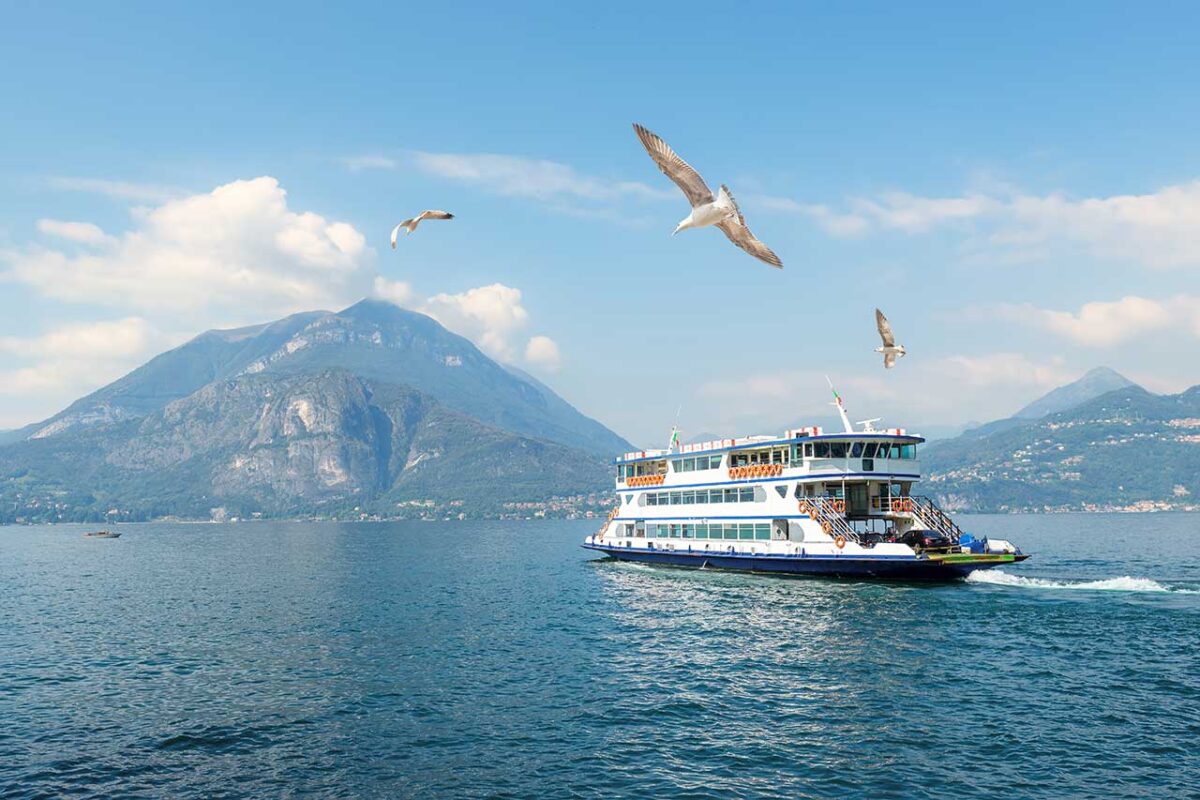
If you arrive at Como Nord Lago (from Milano Cadorna), the ferry port is nearby. From Como San Giovanni, it’s a 15-minute walk to the waterfront.
ASF local buses
Besides ferries, local ASF Autolinee buses circle the lake. They’re a cheaper option, especially useful in the off-season when ferries run less frequently. Buses connect Como with Cernobbio, Argegno, Menaggio, and other towns along the western shore.
When is the best time to travel from Milan to Como?
Avoid Friday afternoons and Sunday evenings. In season (April-October), ferries run more often but crowds are bigger.
A few practical notes for planning:
What’s worth seeing in Como once you arrive?
Como is more than just a transfer point on the lake. The cathedral, the funicular to Brunate, and a walk along the lungolago are worth a visit on their own.
Don’t rush straight to the ferry dock when you get off the train. Como itself has a few spots worth your time:
What should you watch out for when traveling from Milan to Como?
Validate your ticket before boarding the train, double-check your station name, and don’t drive into the ZTL zone.
A few traps that have caught other travelers:
FAQ – Quick answers to the most common questions
How long is the train ride from Milan to Como?
About 40 minutes from Milano Centrale to Como San Giovanni. About 60 minutes from Milano Cadorna to Como Nord Lago.
How much does a train ticket from Milan to Como cost?
€4.80-5.20 for a second-class ticket (Trenord, as of March 2026).
Which Milan station should I leave from?
Milano Centrale is the easiest choice (train to Como San Giovanni). Milano Cadorna gets you to Como Nord Lago, which is closer to the lake.
Does Como have a restricted traffic zone?
Yes, the historic center is a ZTL. Driving in without a permit means a fine.
How do I get from Como to Bellagio?
By ferry from the Como waterfront. The ride takes 1-2 hours depending on the type of boat. Schedule: navigazionelaghi.it.
Is the bus cheaper than the train?
Not necessarily. Prices are similar (from ~€5 either way). The train is faster and runs more frequently.
How much does parking cost in Como?
Roughly €1 per hour at lots farther from the center, €2-5 per hour closer in. A full day downtown runs €6-24, depending on location and season.
Can I do a day trip from Milan to Como?
Absolutely, it’s one of the most popular day trips from Milan. Take a morning train (around 9:00-10:00 AM), explore Como, hop on a ferry to Bellagio, and catch an evening train back.


I lived in Milan for 18 years, and it was there that I came to know the city’s daily life best - not just its landmarks, but also its rhythm, its habits, and its less obvious sides. Today I live in Wrocław, but I still return to Milan regularly.