


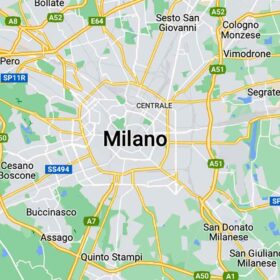
 The Geographic Location of Milan – A Strategic Spot in the Heart of Europe
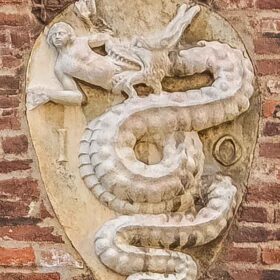 Milan’s coat of arms
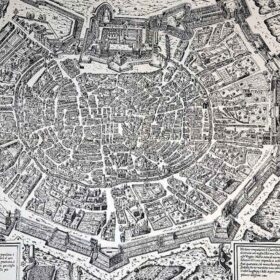 History of Milan
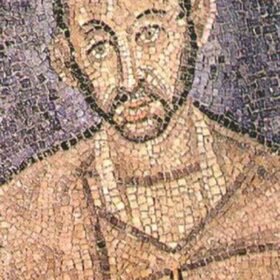 Saint Ambrose
 History of Panettone
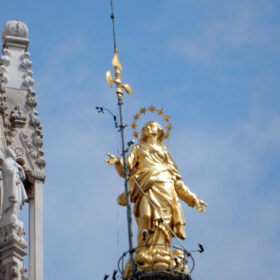 Madonnina
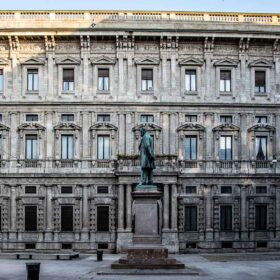 City Hall
 Milanese cuisine


Mediolan, znany na całym świecie jako stolica mody i designu, to miasto, które oferuje znacznie więcej niż tylko lśniące witryny sklepowe i ekskluzywne pokazy mody. Za jego nowoczesną i kosmopolityczną fasadą kryje się historia, bogate dziedzictwo artystyczne i kulturowe które warto odkryć.
However, visiting Milan does not have to mean spending a fortune. On the contrary, the city offers a variety of free attractions that allow you to discover its beauty without burdening your wallet. From impressive monuments and art-filled churches to green parks ideal for relaxation, to streets adorned with street art and vibrant neighborhoods, Milan appears to be an extremely accessible place for everyone.
In this article, I’ll show you how to explore Milan for free (or much cheaper) so you can discover the Lombardy capital and its unique atmosphere without burdening your wallet.
Free attractions you must see in Milan
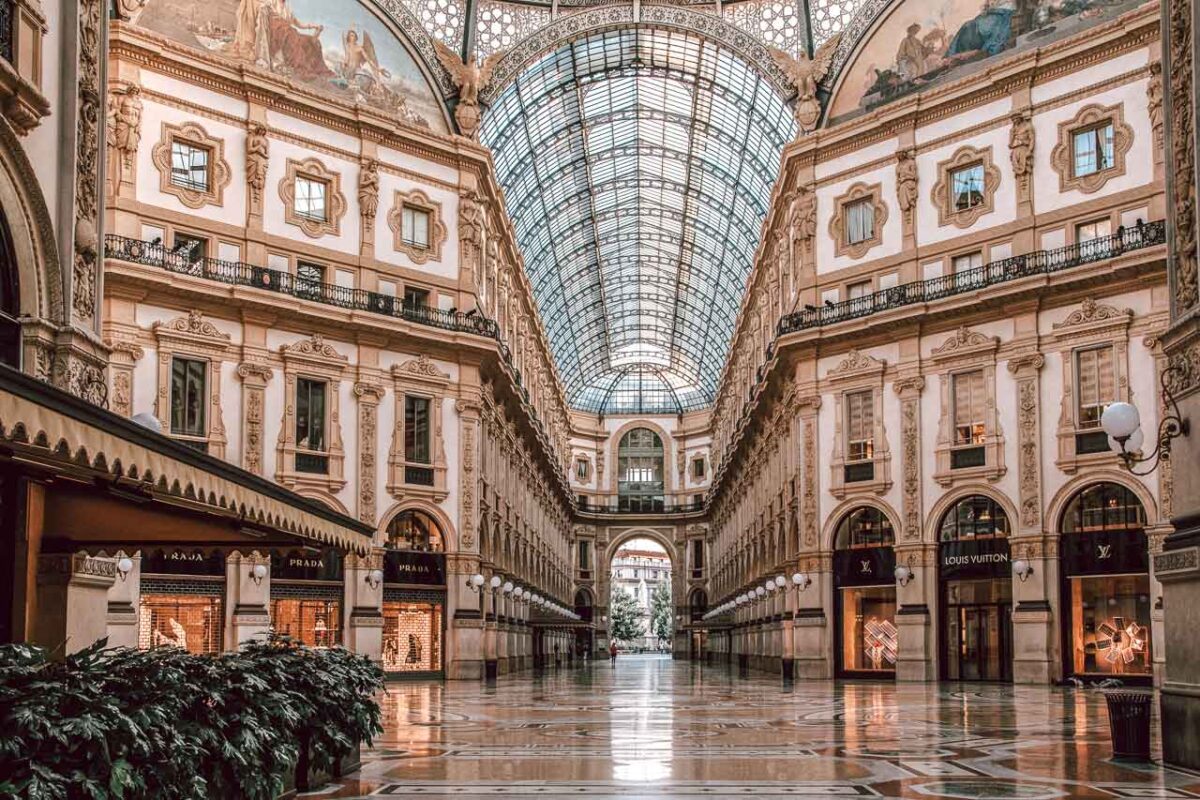
Galleria Vittorio Emanuele II
Mediolańska Galeria Wiktora Emanuela II jest jedną z najbardziej charakterystycznych bezpłatnych atrakcji miasta, reprezentującą prawdziwy symbol mediolańskiej elegancji i luksusu. Ta majestatyczna galeria, położona w samym sercu miasta, łączy Piazza del Duomo z Piazza della Scala i jest połączeniem kultury, mody i historii.
Istnieje kilka możliwości bezpłatnego wejścia do katedry w Mediolanie, w zależności od statusu danej osoby i konkretnych okoliczności. Oto niektóre z nich:
- Prayer and religious services: Admission to the main part of Milan Cathedral is free for those who wish to enter for prayer or attend religious services
It should be noted that although admission to the cathedral for prayer and worship is free, access to some areas, such as the terraces, museum, and archaeological area, requires the purchase of a ticket. For the most up-to-date information, including any changes due to special events or services, it is recommended to look at the official Milan Cathedral website or contact the ticket office directly. - People with disabilities and their caregivers: Admission is free for people with disabilities and their caregivers.
- Children under 5: Admission to Milan Cathedral is free for children under five.
- Military and law enforcement agencies can also enter free of charge.
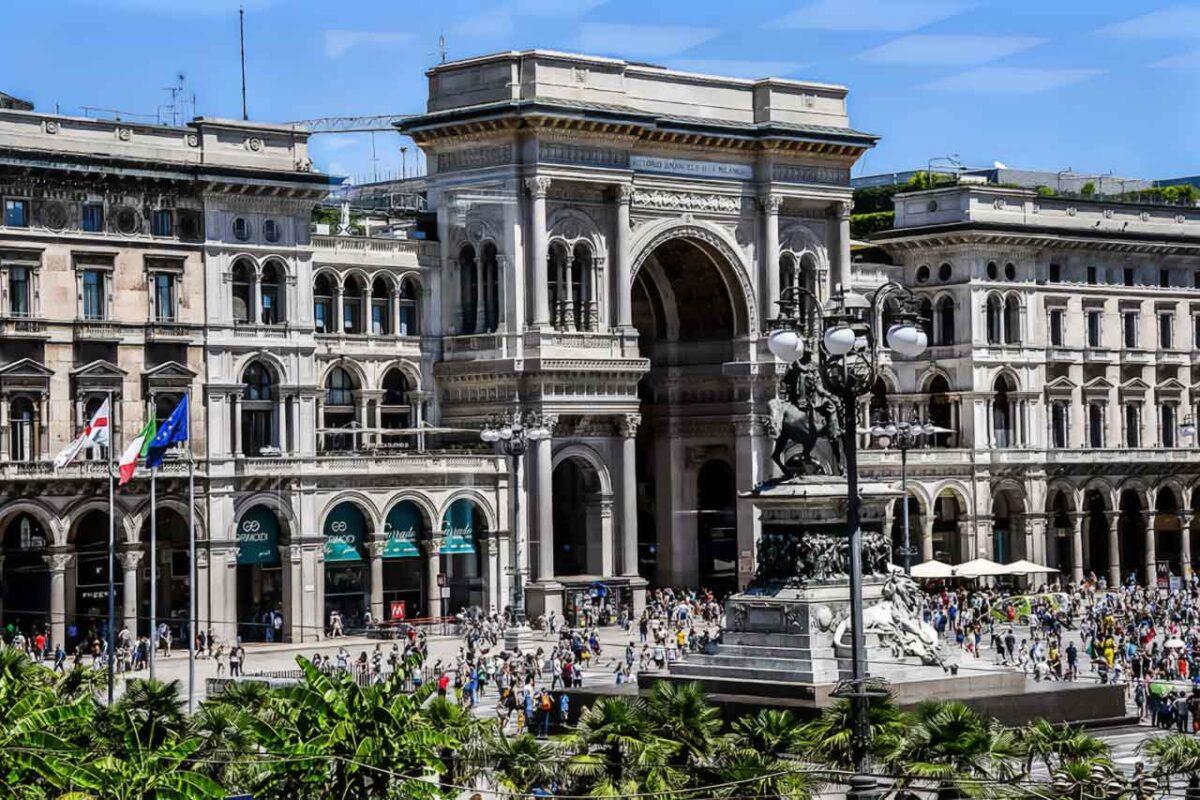
Piazza del Duomo
Piazza del Duomo (plac Duomo) to jedna z głównych bezpłatnych atrakcji Mediolanu, będąca prawdziwym sercem miasta i miejscem spotkań zarówno mieszkańców, jak i turystów. Na tym historycznym placu dominuje imponująca katedra w Mediolanie – Duomo.
Piazza del Duomo is surrounded by other important buildings, including the Royal Palace, which houses art and cultural exhibitions, and the Vittorio Emanuele II Gallery.
The square often hosts public events, performances, and demonstrations that add to the charm and dynamism of its atmosphere. With its architectural beauty and vibrant atmosphere, Piazza del Duomo is the ideal place to start exploring Milan.
Terrace of the department store La Rinascente
Taras La Rinascente znajduje się na Piazza Duomo i oferuje zapierający dech w piersiach widok na katedrę i dachy miasta. Przestrzeń ta jest łatwo dostępna po wejściu na najwyższe piętro domu towarowego, gdzie znajduje się także bar i kilka restauracji. Taras jest idealnym miejscem na relaksującą przerwę po zakupach i podziwianie widoku na mediolańską katedrę.
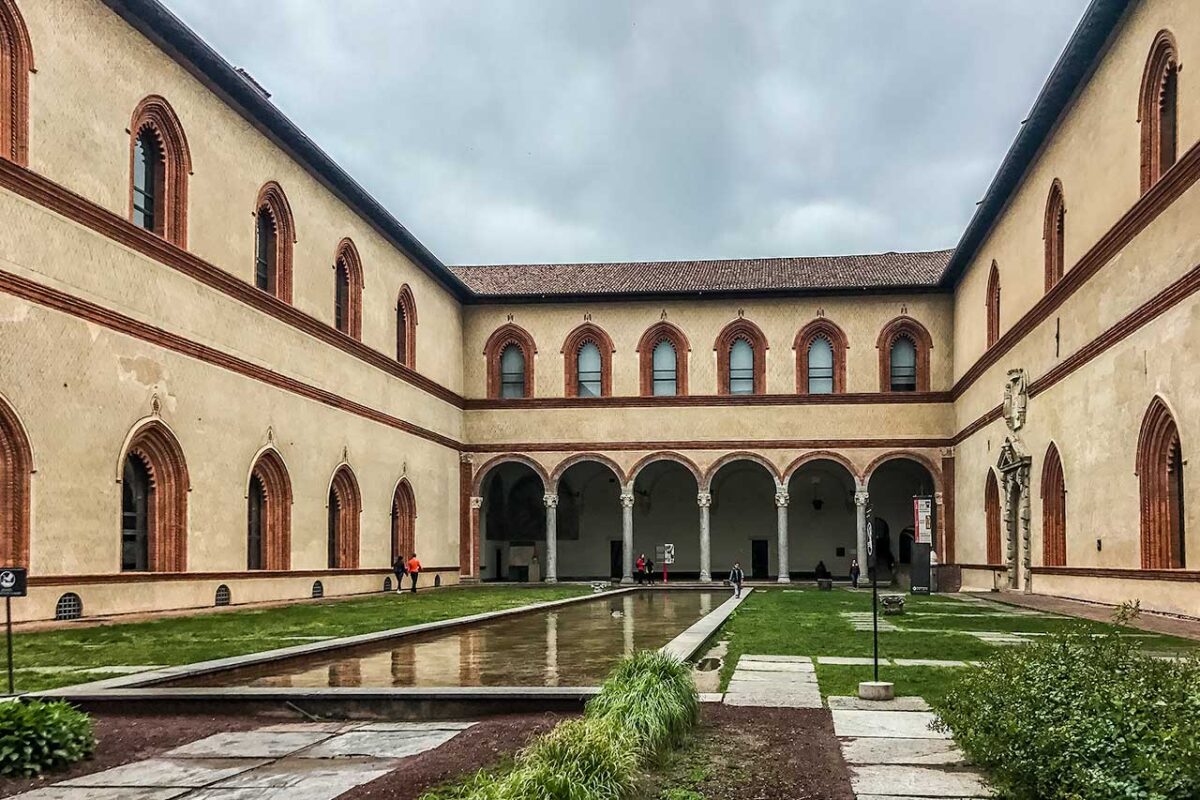
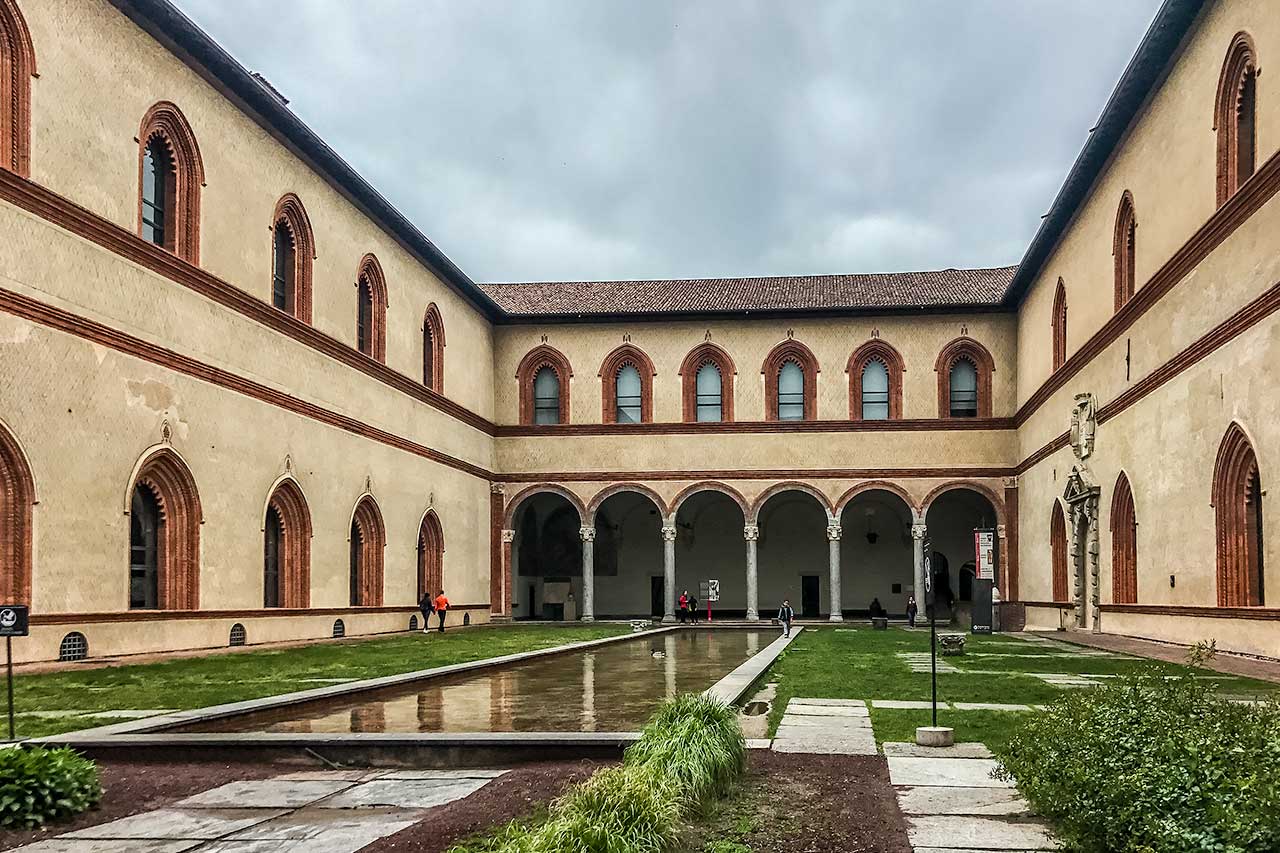
Courtyard of Castello Sforzesco (Sforza castle)
Dziedzińce Castello Sforzesco w Mediolanie to jedna z najważniejszych i najbardziej dostępnych atrakcji miasta, oferujące odwiedzającym możliwość podziwiania historycznych i naturalnych przestrzeni bez opłat za wstęp.
Cimitero Monumentale
Wizyta na Cmentarzu Monumentalnym w Mediolanie nie kosztuje ani grosza! To niesamowite miejsce to nie tylko cmentarz, ale ogromna kolekcja pięknych nagrobków i pomników. Możesz go zwiedzać samodzielnie lub dołączyć do wycieczek z przewodnikiem.




Parks and gardens in Milan
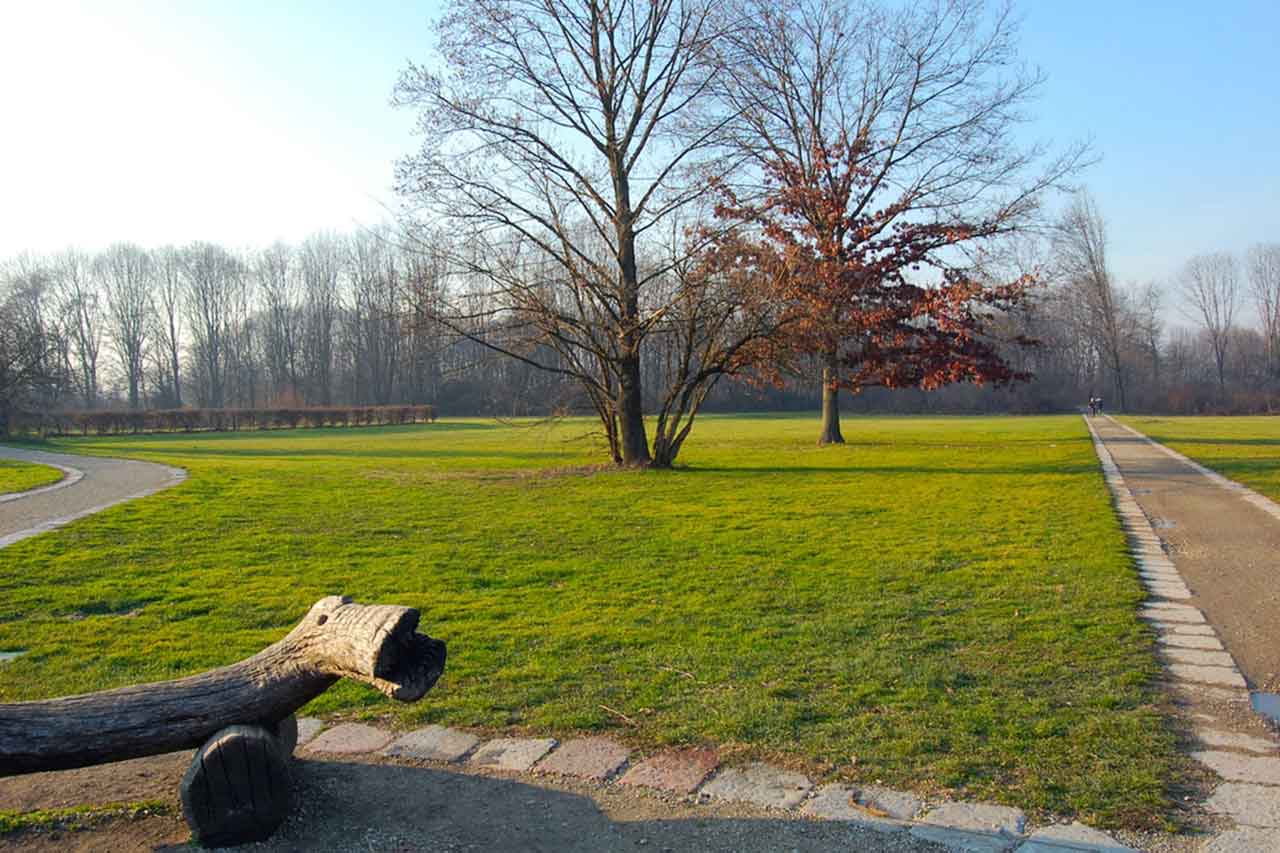
Some of the parks that Milan offers to residents and tourists free of charge offer the opportunity to relax from the hustle and bustle of the metropolis, play sports, and get in touch with nature.
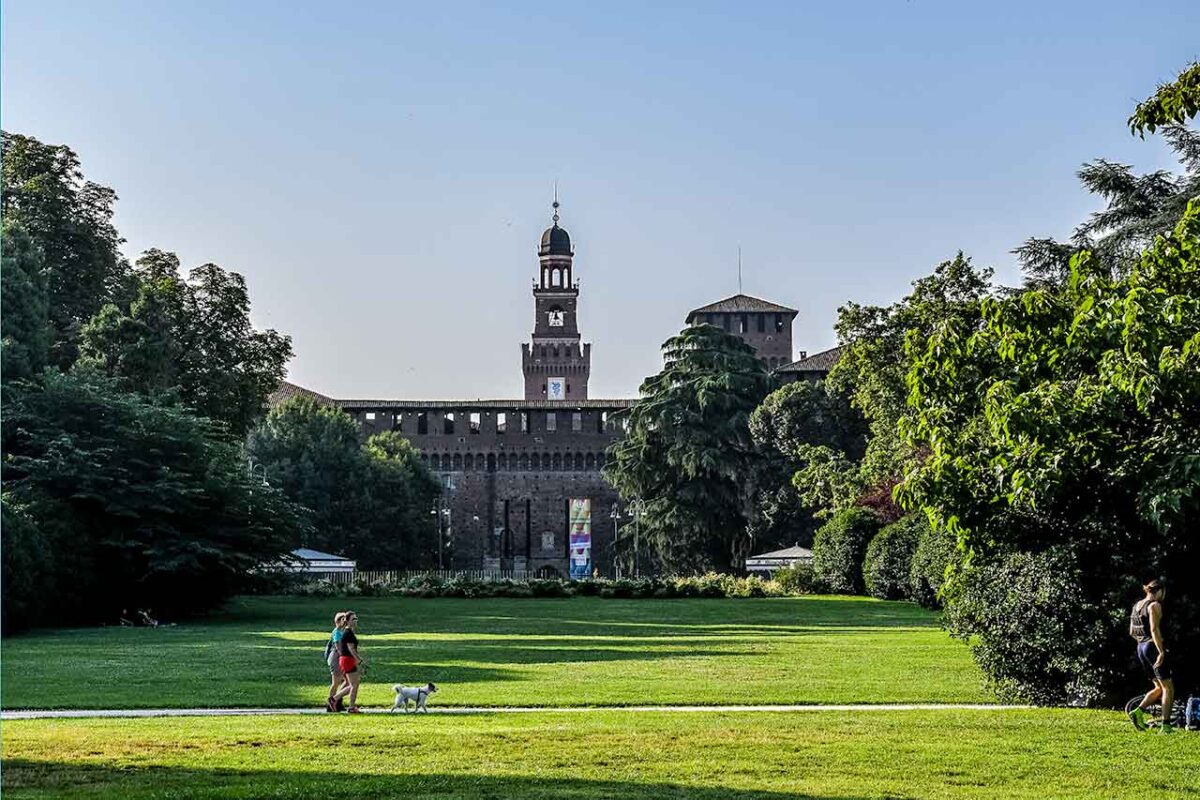
Sempione Park (and Arco della Pace)
Parco Sempione to jeden z największych wśród mediolańskich parków, szczycący się rozległymi terenami zielonymi, uroczymi ścieżkami spacerowymi i zabytkami. Nie przegap okazji, aby odkryć jego urocze zakamarki, w tym majestatyczny Arco della Pace (Łuk Pokoju).
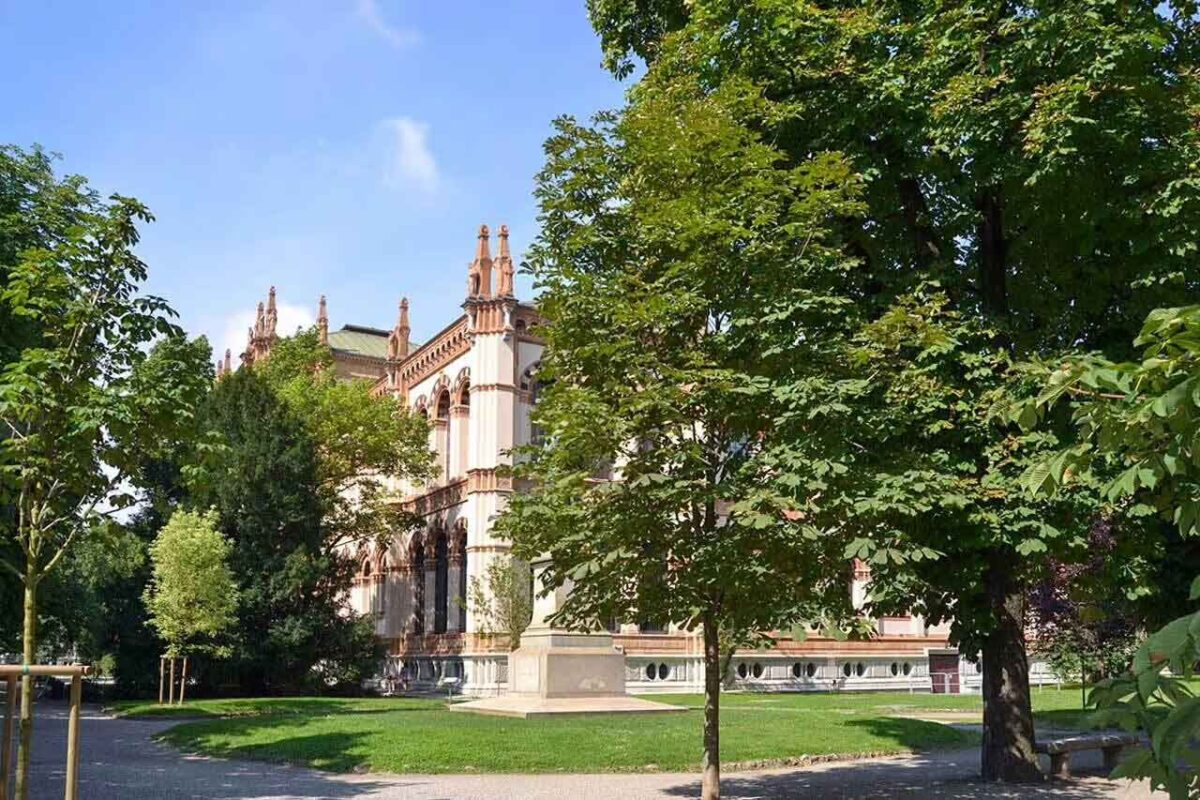
Giardini Pubblici Indro Montanelli
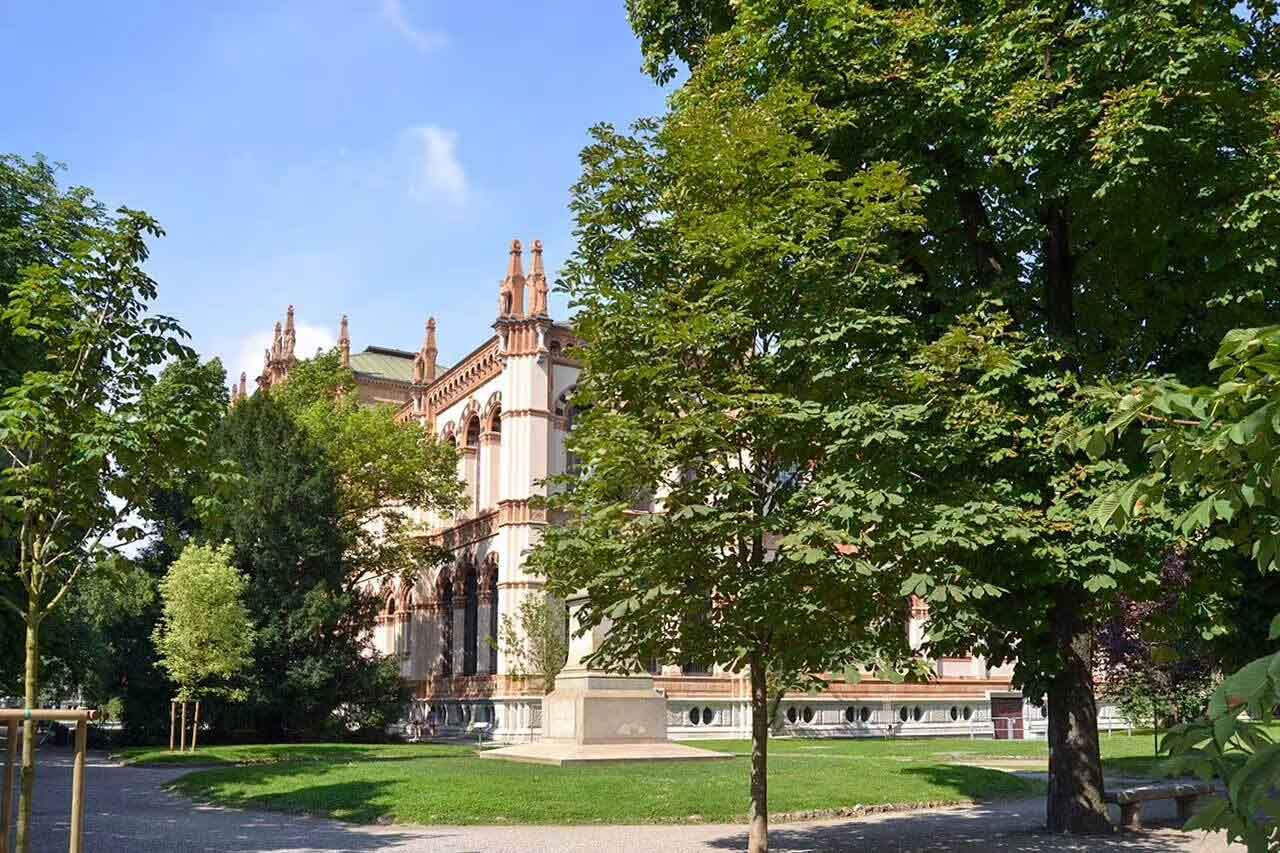
Giardini Pubblici Indro Montanelli (właściwie Ogrody Publiczne Indro Montabelli) to historyczny park, położony w pobliżu Porta Venezia, jest idealnym miejscem na spokojny spacer. Mieszczą się tu Museo Civico di Storia Naturale oraz Planetarium Ulrico Hoepli.
Giardino della Guastalla
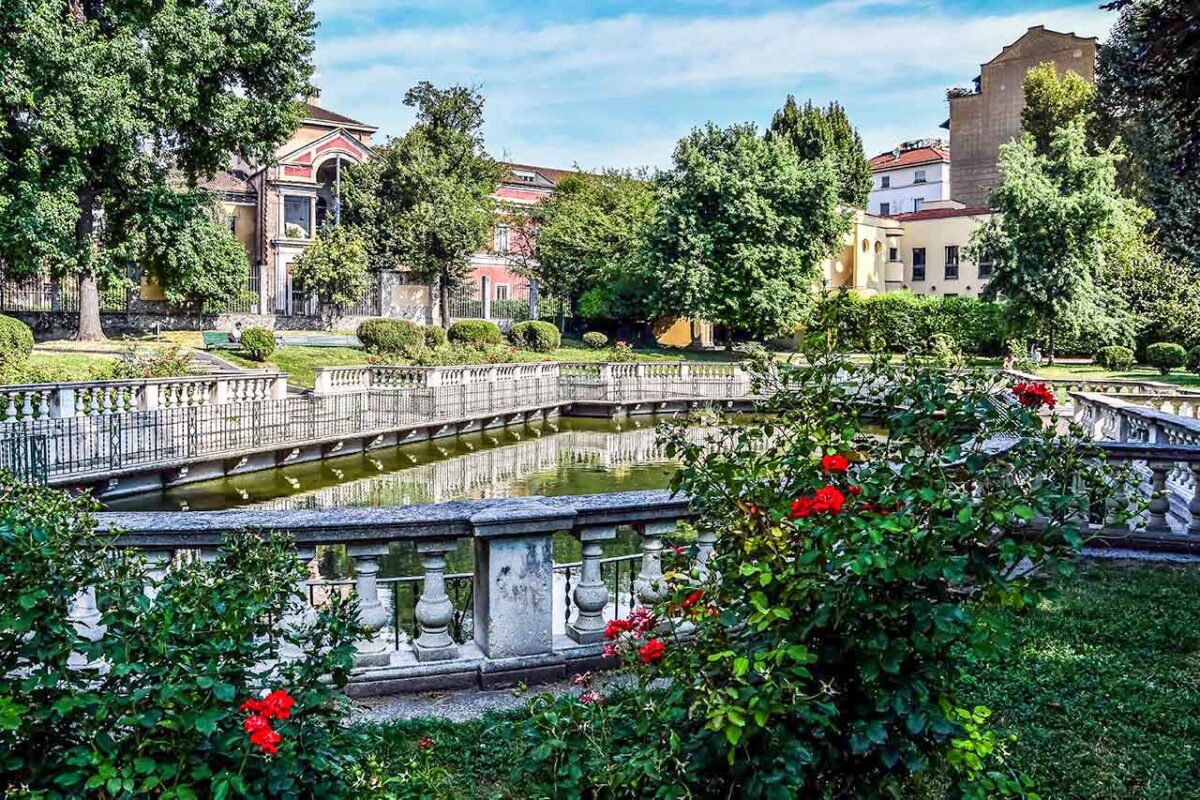
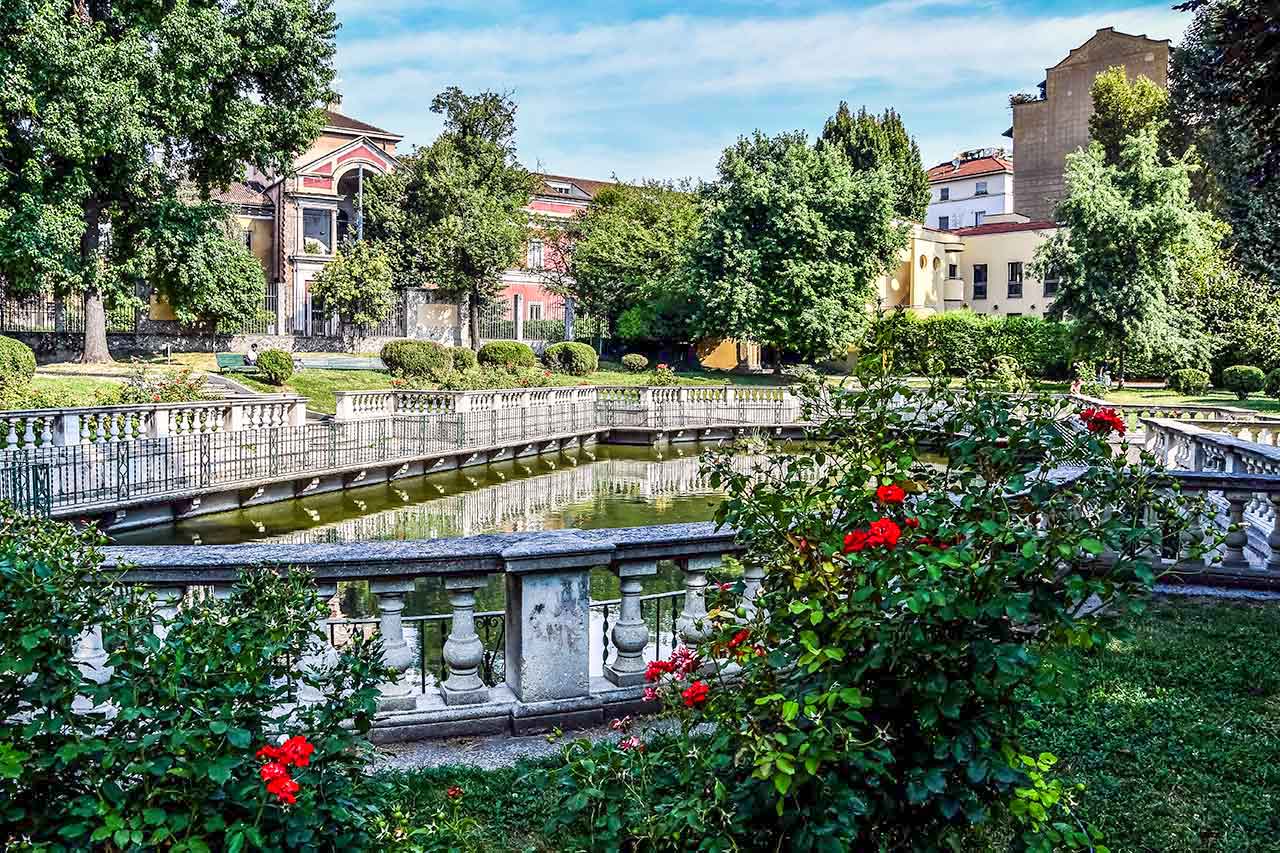
Giardino della Guastalla to jeden z historycznych parków w Mediolanie, położony w dzielnicy 1, i służy jako spokojna i piękna oaza w sercu miasta. Wstęp do ogrodu jest bezpłatny dla wszystkich odwiedzających, co czyni go miejscem dostępnym i zachęcającym dla każdego, kto chce spędzić czas w otoczeniu zieleni i historii.
Biblioteca degli Alberi
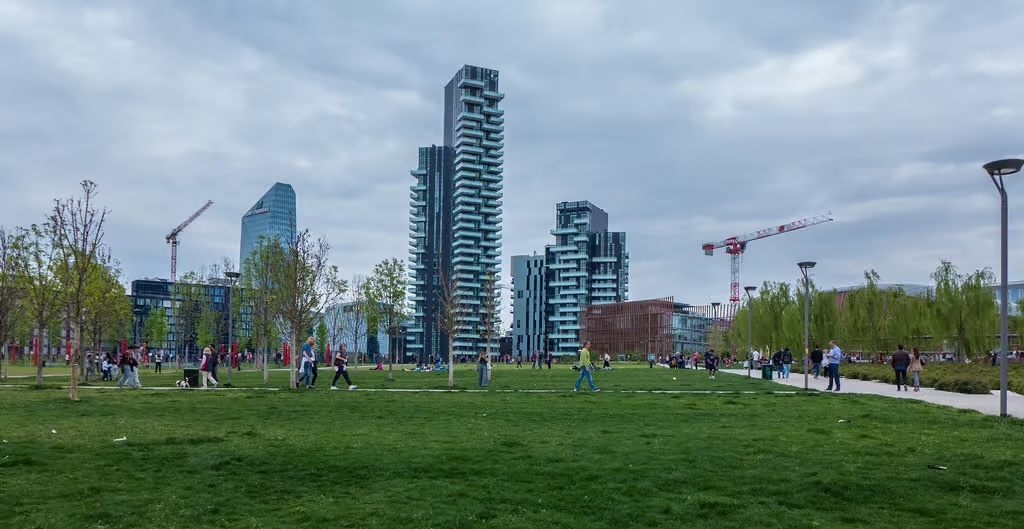
Biblioteca degli Alberi (Library of the Trees): a modern and innovative park in the Porta Nuova district, known for its contemporary design and the cultural events that take place there.

Churches – free attractions of Milan
W Mediolanie większość kościołów jest dostępnych za darmo i są one prawdziwymi atrakcjami artystycznymi i historycznymi. Oto niektóre z kościołów wartych odwiedzenia:
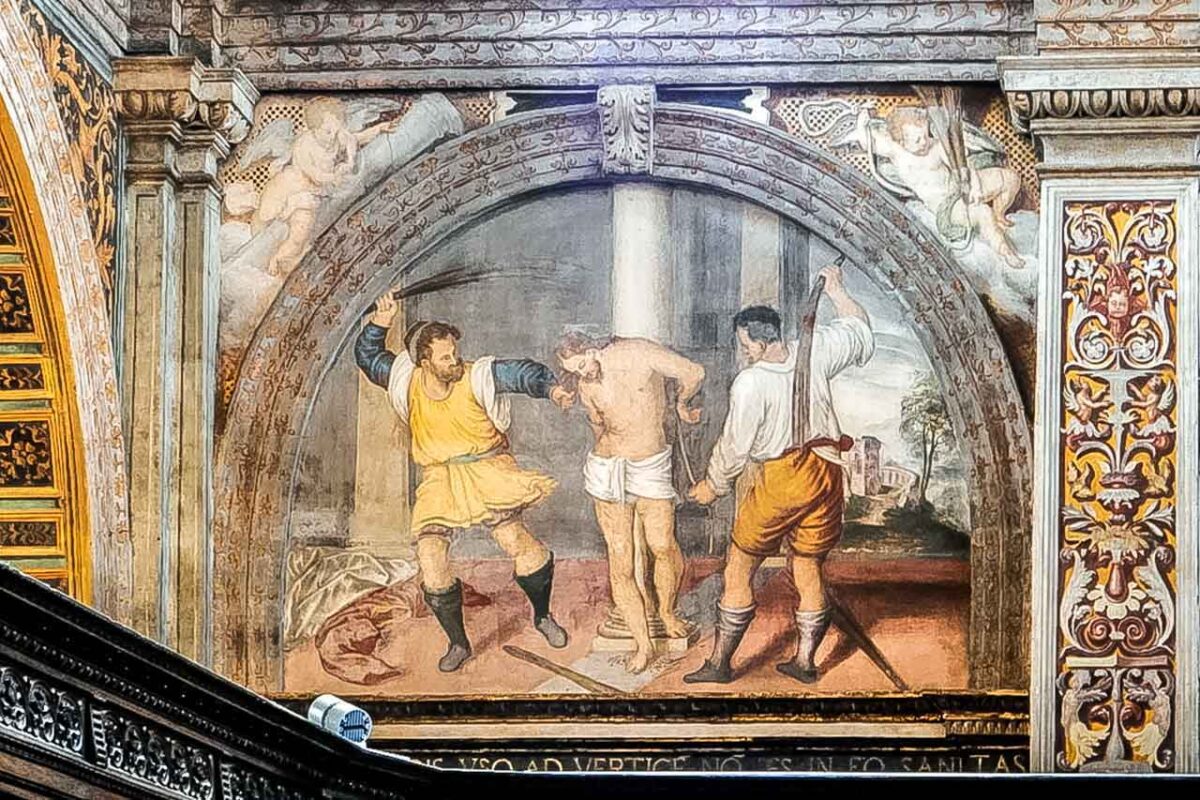
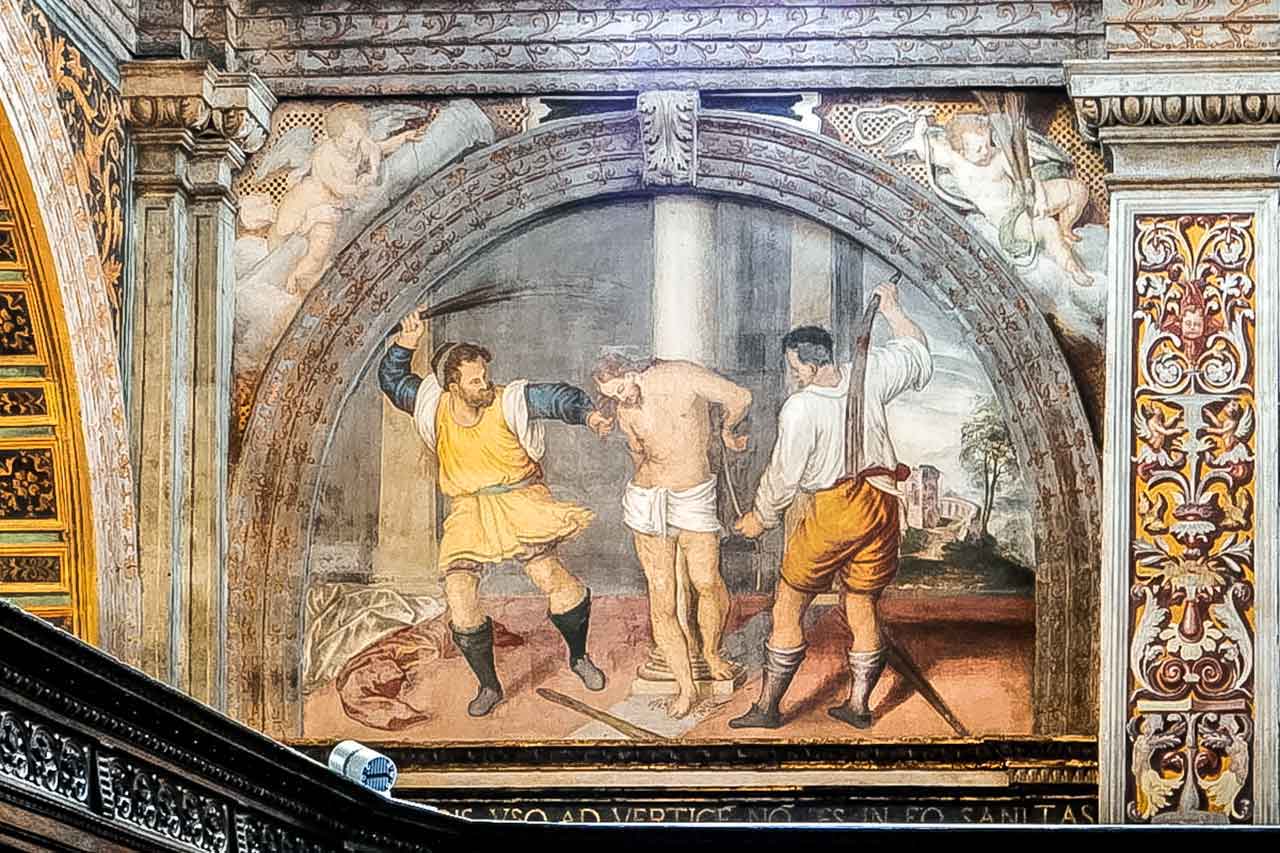
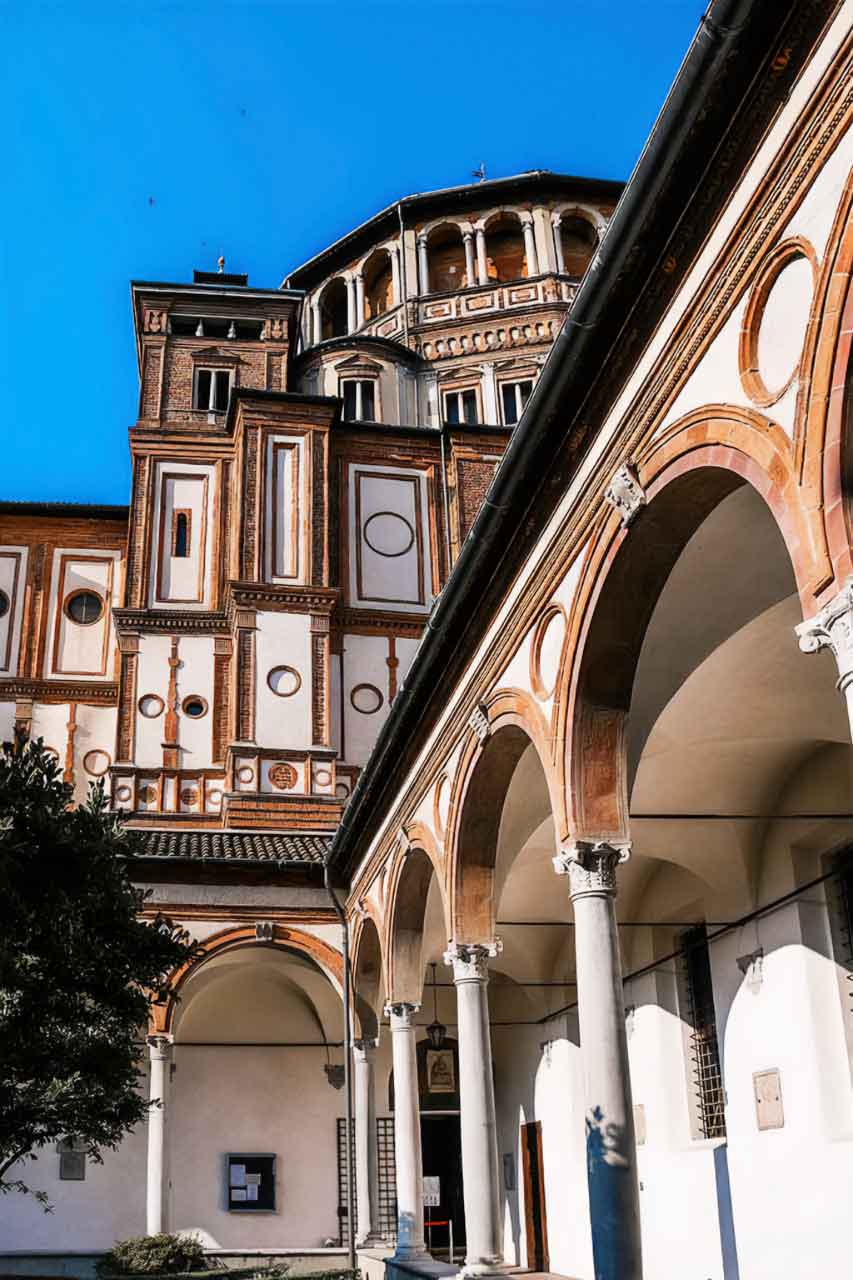
San Maurizio al Monastero Maggiore Church
Kościół San Maurizio al Monastero Maggiore, często nazywany „Kaplicą Sykstyńską” Mediolanu ze względu na znajdujące się w nim wspaniałe freski Leonarda.
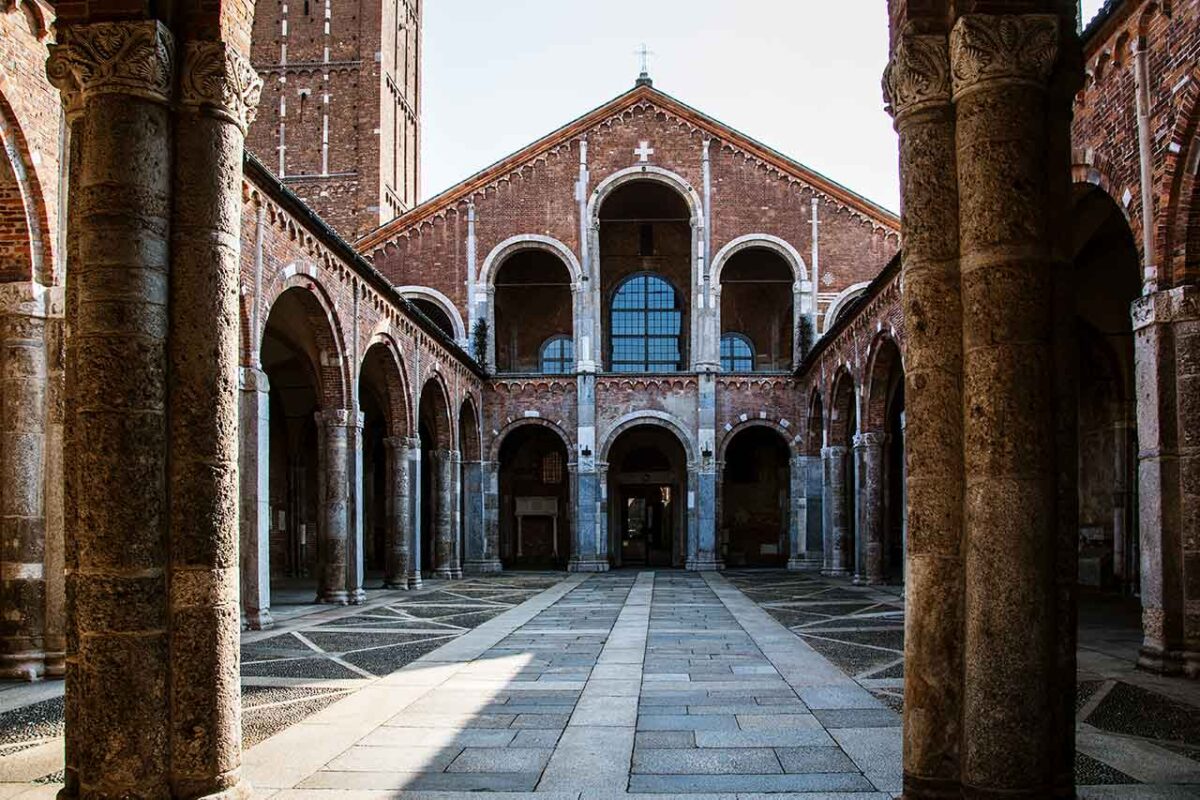
Basilica of Saint Ambrose
Basilica di Sant’Ambrogio to jeden z najstarszych kościołów w Mediolanie, pod wezwanie patrona miasta świętego Ambrożego, stanowi ważne miejsce kultu i historii.
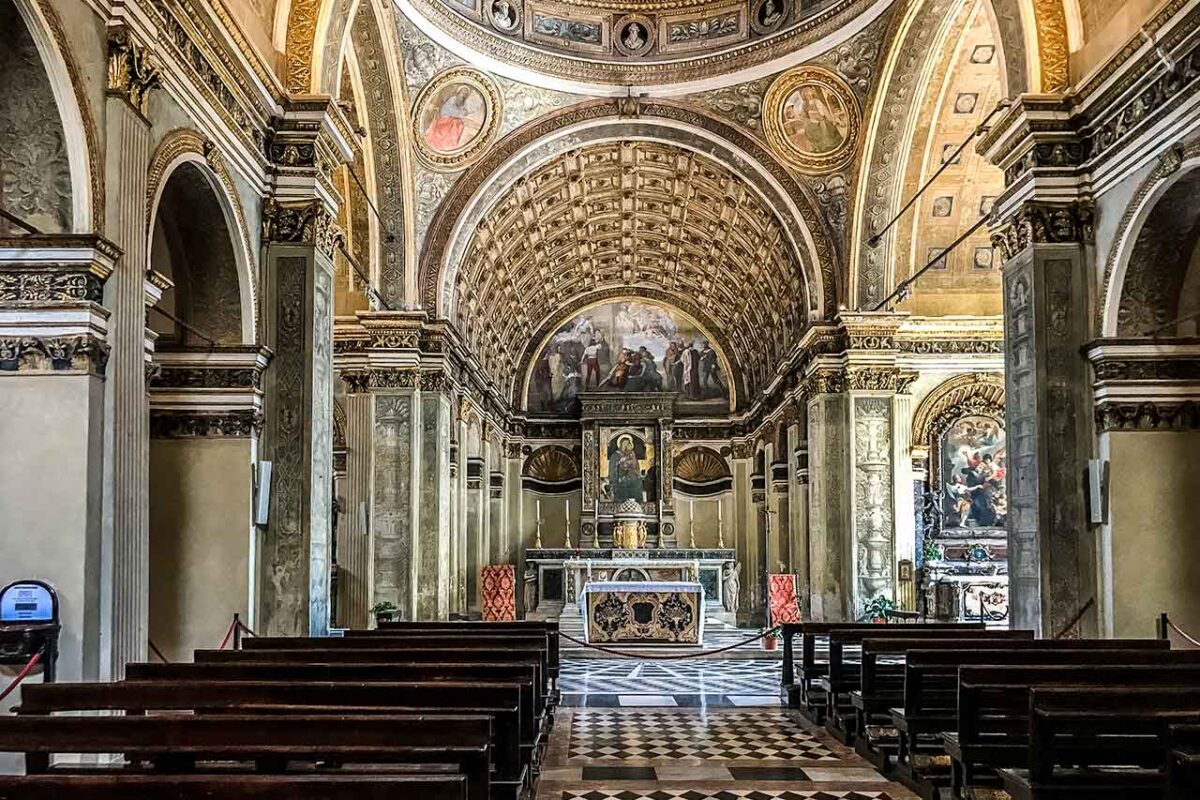
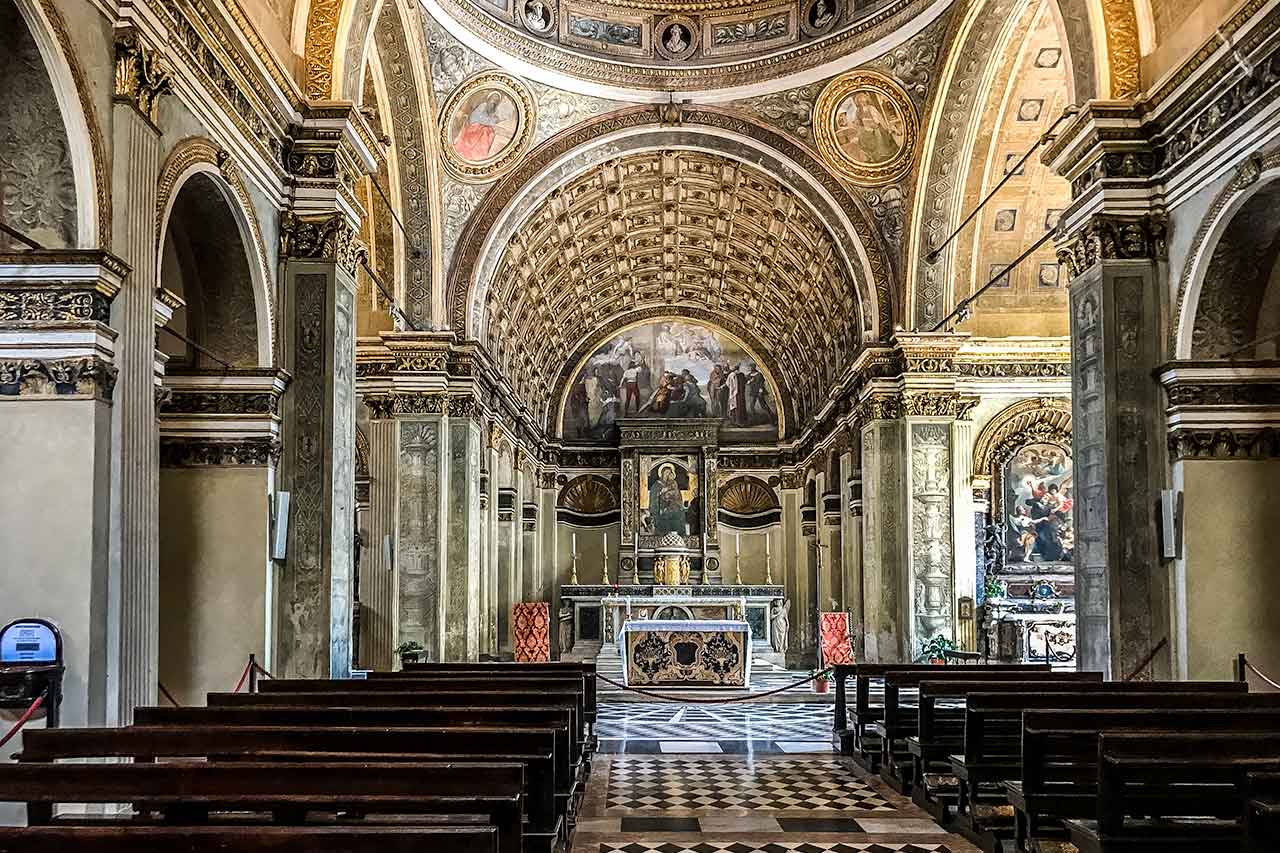
Church of Santa Maria presso San Satiro
Kościół Santa Maria presso San Satiro słynie z trompe-l’oeil Bramantego, który tworzy iluzję głębokiej absydy.
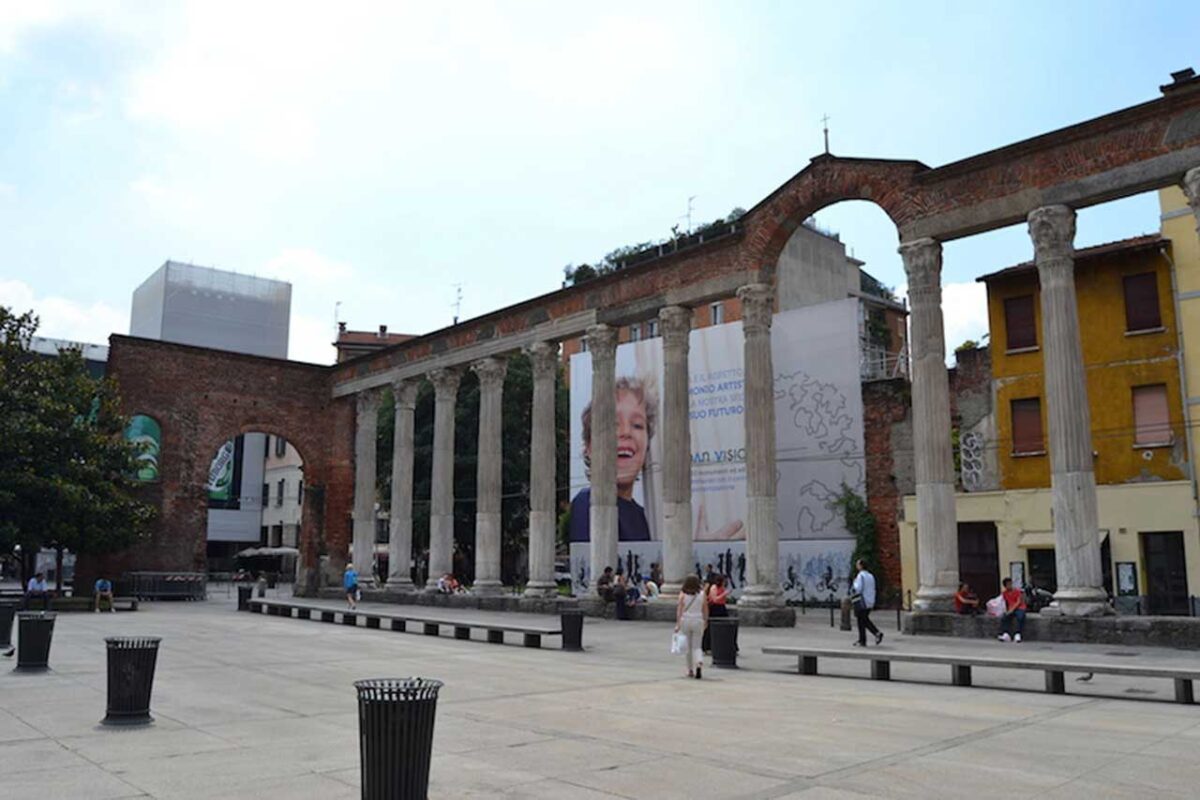
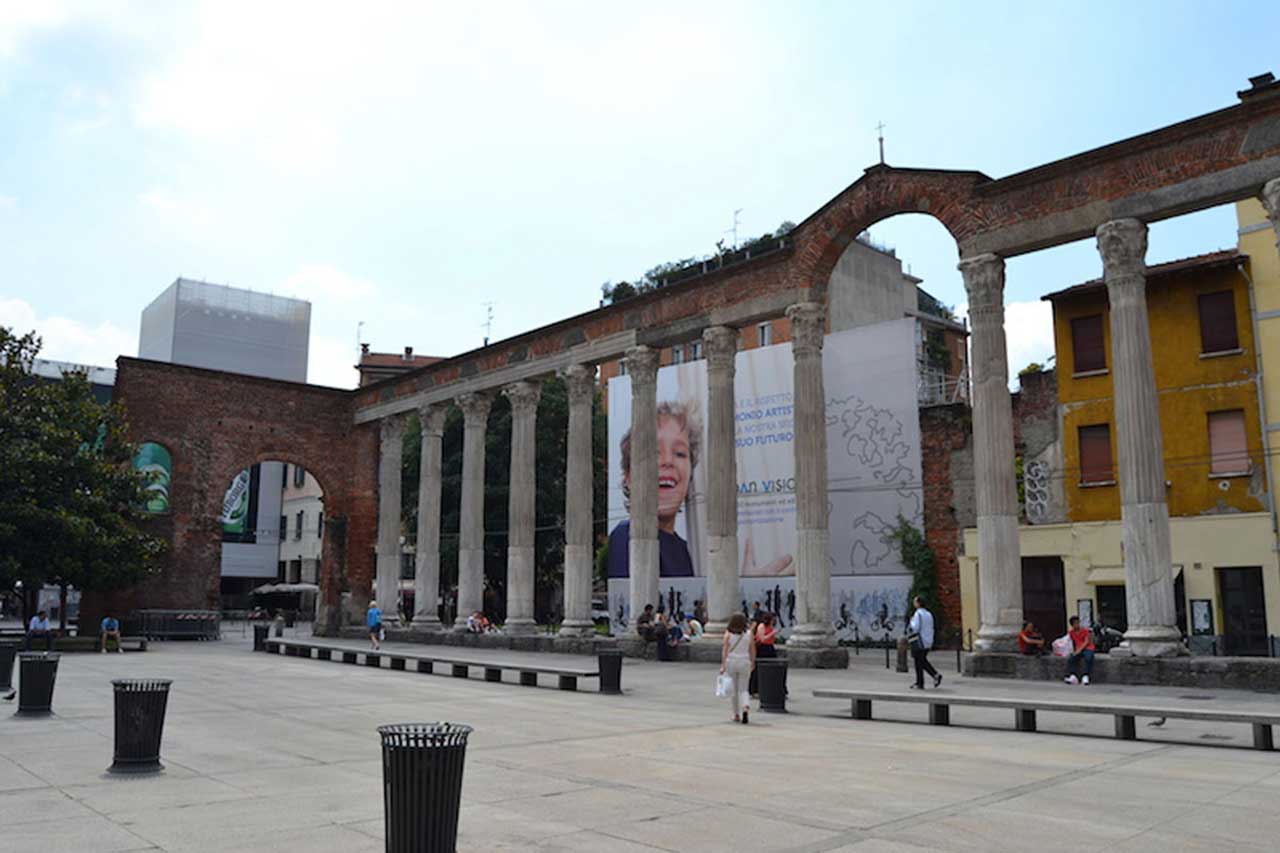
The Church of San Lorenzo Maggiore
Kościół San Lorenzo Maggiore jest znany z rzymskich kolumn znajdujących się z przodu bazyliki i kopuły kaplicy San Aquilino z wczesnochrześcijańskimi mozaikami.
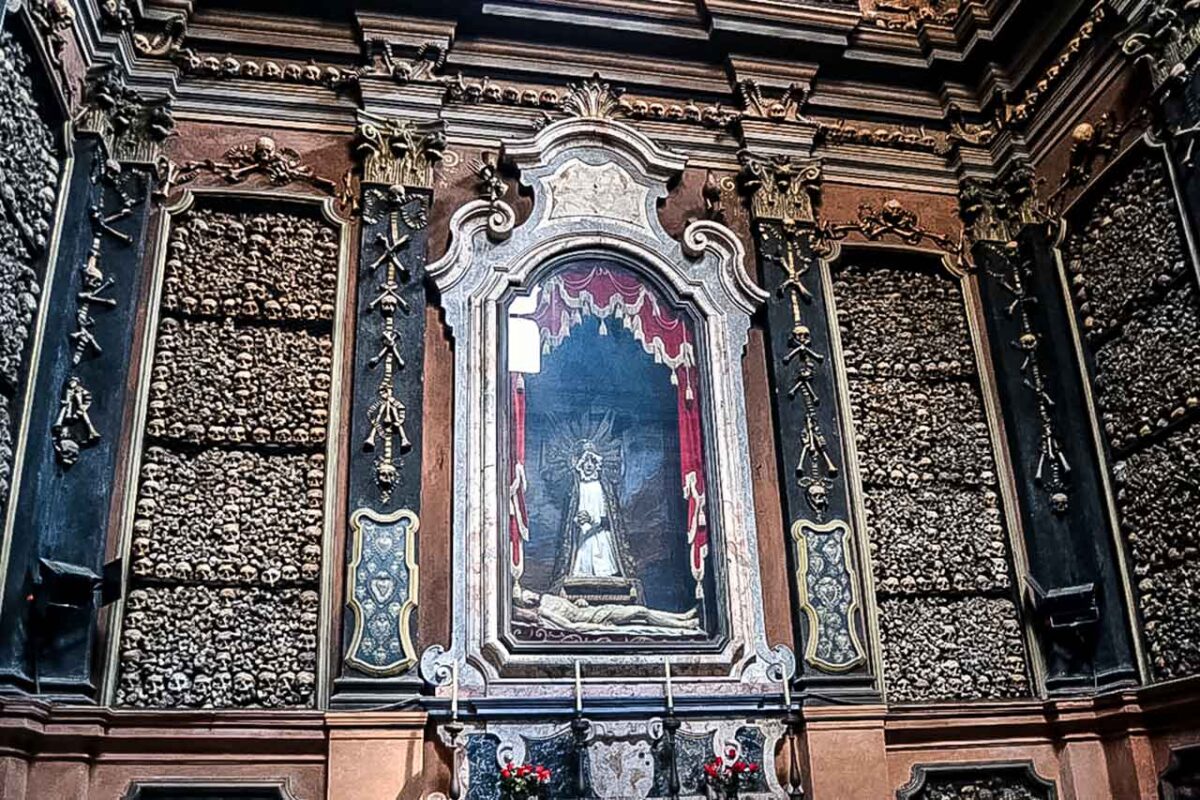
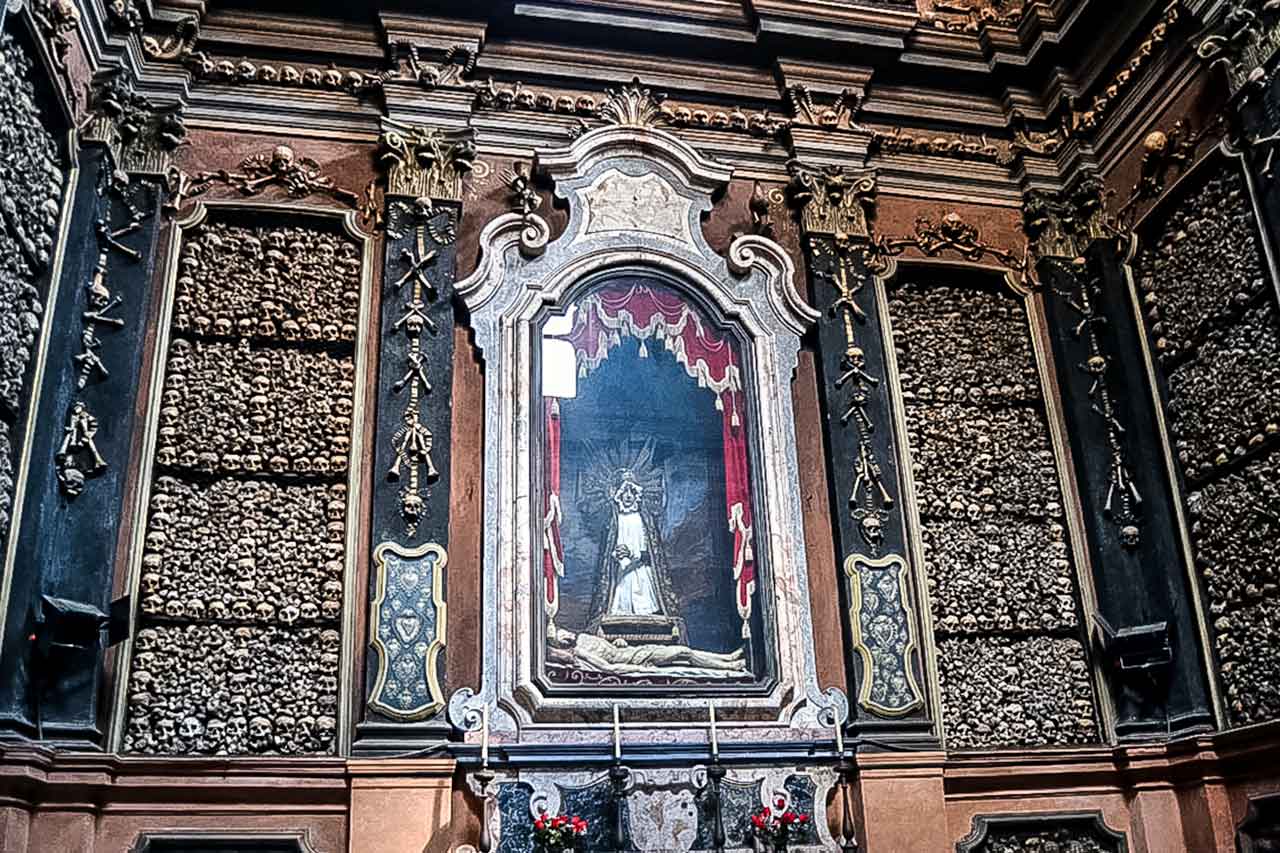
San Bernardino alle Ossa Church
San Bernardino alle Ossa to kościół słynący z ossuarium, małej bocznej kaplicy ozdobionej licznymi ludzkimi czaszkami i kośćmi.
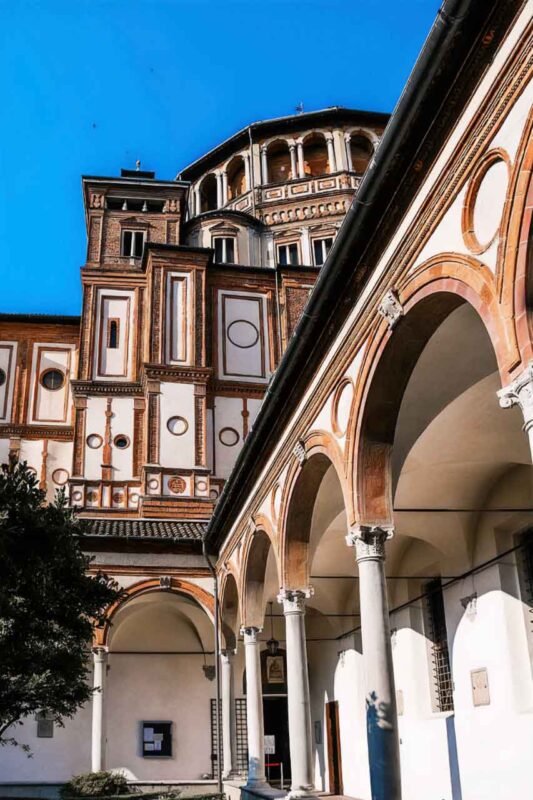
Santa Maria delle Grazie
Chociaż Ostatnia Wieczerza Leonarda da Vinci, znajdująca się w sąsiednim refektarzu, wymaga opłaty za bilet, zwiedzanie samego kościoła jest bezpłatne.
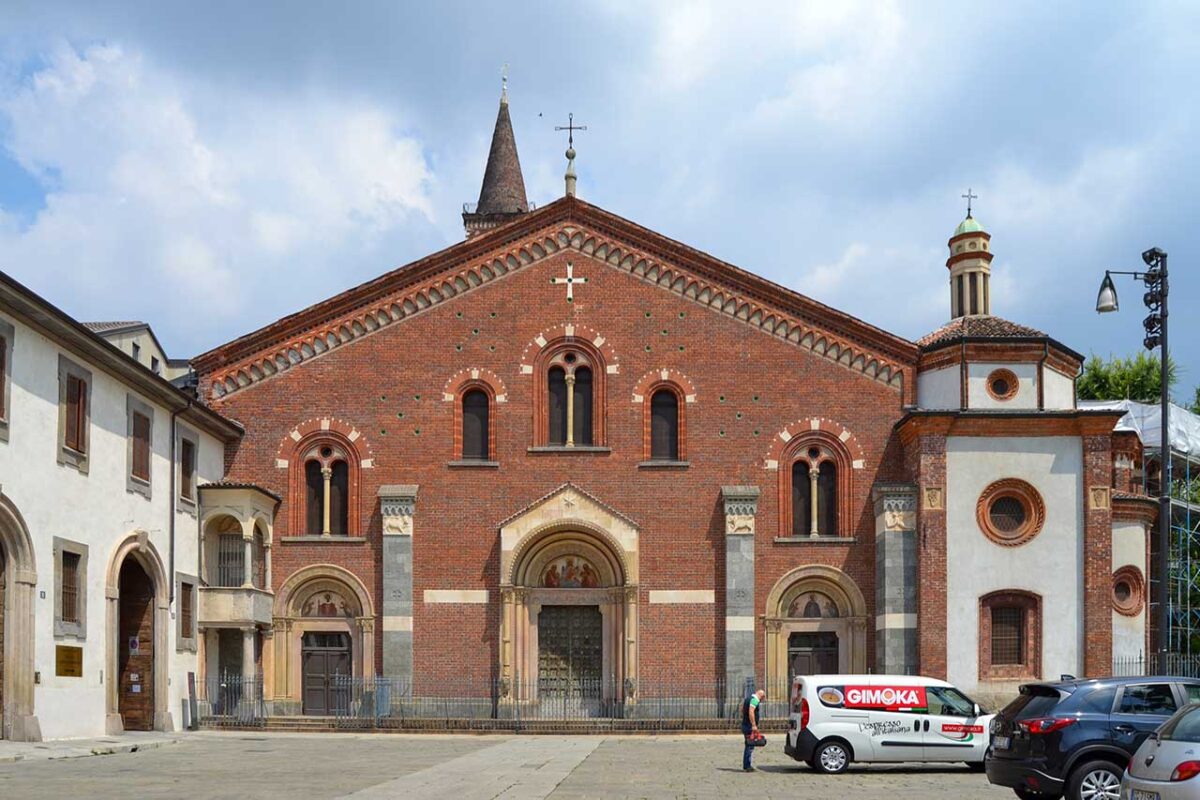
Church of Sant’Eustorgio
Kościół Sant’Eustorgio jest miejscem szczególnie znanym ze swojego ścisłego związku z historią Trzech Króli i z tego, że mieści kaplicę Portinari, klejnot mediolańskiej sztuki renesansowej.
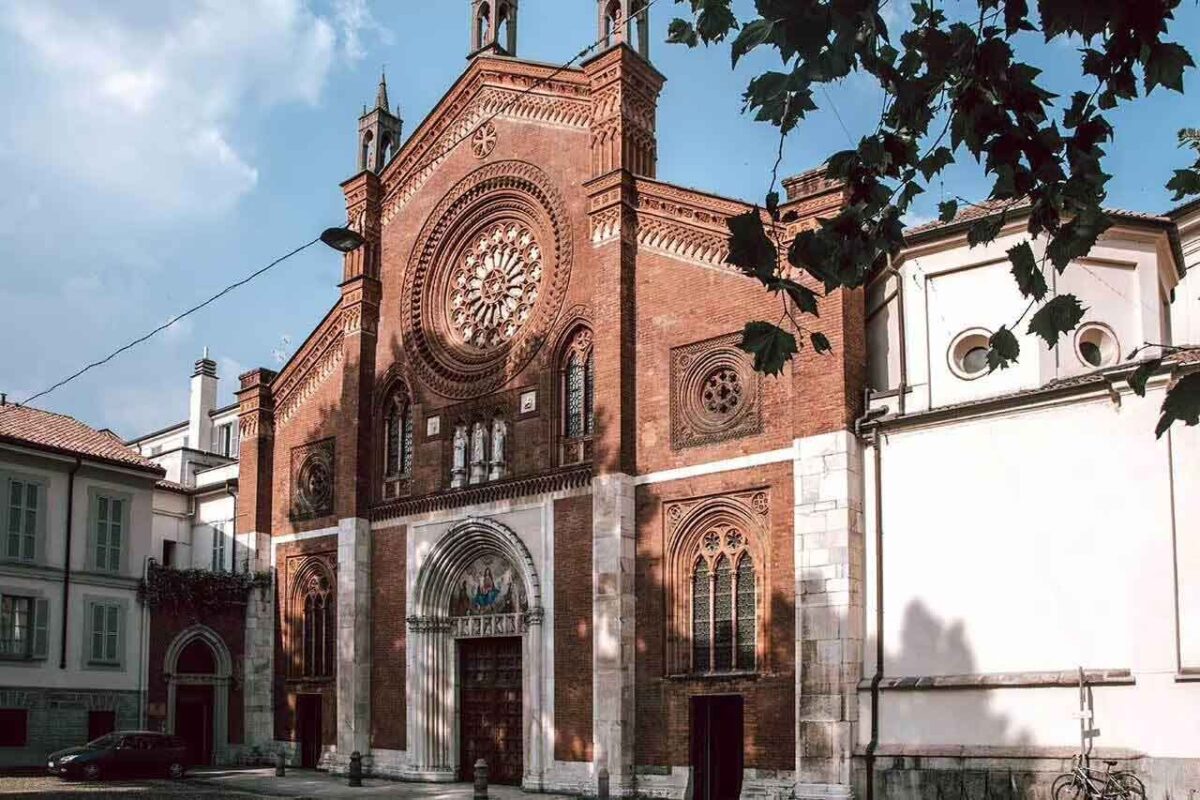
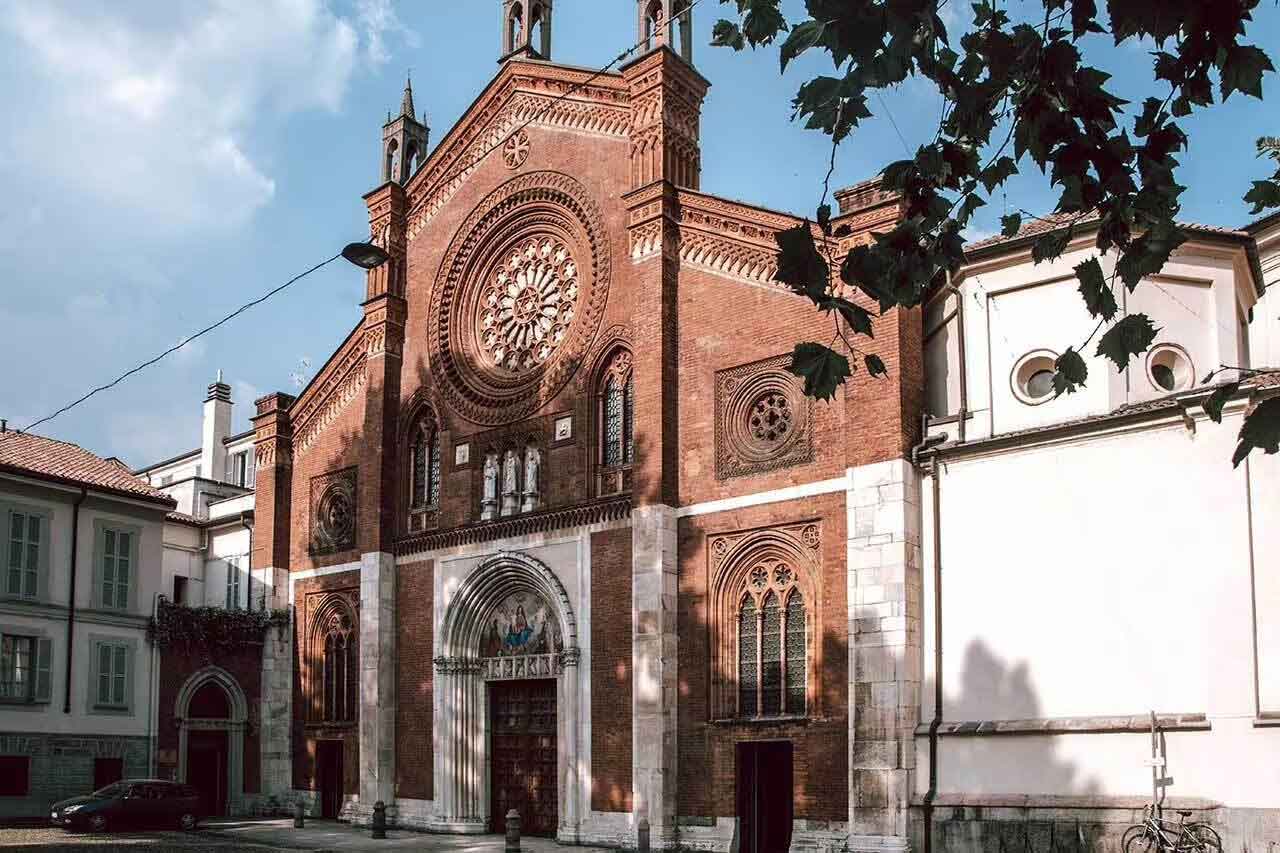
San Marco Church – important for sacred music
The Church of San Marco is renowned for its dedication to promoting sacred music, making it one of the primary centers for this musical genre in Milan. The church frequently hosts concerts, recitals, and liturgical celebrations featuring high-level music performed by choirs, soloists, and orchestras.


Free entry to museums in Milan
Milan, a city known for its vibrant art and cultural scene, offers a plethora of museums dedicated to art, history and design. Culture lovers and those interested in exploring the wonders of Lombardy’s capital have plenty of opportunities to explore these spaces without reaching for their wallets.
Always free museums in Milan:
MUDEC – Museum of Cultures
MUDEC, located in the former Ansaldo industrial zone, is a center dedicated to promoting cross-cultural understanding. The permanent collection, which is available free of charge, takes visitors on a journey through over 7,000 works of art, everyday objects, textiles, and musical instruments from all continents.
Palazzo Morando Costume Moda Immagine
Palazzo Morando, located in the heart of Milan, offers a unique overview of fashion and image through the ages. The museum houses collections of historic clothing, accessories, and artwork that tell the story of the evolution of Milanese and international dress and fashion.
Palazzo Moriggia – Museo del Risorgimento (Renaissance Museum).
Museo del Risorgimento – this museum is dedicated to the history of the Italian Renaissance, with a special focus on the events and personalities that marked the history of Milan and Italy in the 19th century. Palazzo Moriggia houses a vast collection of antiquities, documents, weapons, and works of art illustrating the road to Italian unification.
Casa Museo Boschi Di Stefano
Casa Museo Boschi Di Stefano is a museum in Milan that contains one of Italy’s most significant collections of 20th-century art. The collection, which includes works by artists such as Modigliani, Sironi, and De Chirico, reflects the passion and artistic taste of the Boschi Di Stefano couple. Free admission allows visitors to discover Italian art in a homely and intimate atmosphere.
Alda Merini’s Space
Dedicated to Milanese poet Alda Merini, this cultural space offers a glimpse into the life and work of one of the most important figures in modern Italian literature. Spazio Alda Merini commemorates Merini’s creativity and sensitivity through manuscripts, photographs, and personal belongings.
Hangar Bicocca
Hangar Bicoccato is a space dedicated to contemporary art, known for hosting large installations and exhibitions by international artists. It is located in a former industrial factory and offers a unique context for exploring modern and contemporary art.
Casa Verdi (Verdi House)
Casa Verdi in Milan is not only a museum dedicated to the life and works of Giuseppe Verdi, but also an innovative charitable institution founded by the composer himself. This structure was designed as a retirement home for singers and musicians who are in need or lack the means to provide for themselves after reaching the age of 65.
Sunday at the Museum – free museums on the first Sunday of the month
Milan, a city of art and culture, offers its residents and visitors free access to many museums every first Sunday of the month. The initiative, known as “Sunday at the Museum,” allows visitors to explore some of the city’s most important collections and exhibitions free of charge. Here are some of the Milanese museums participating in the initiative:
Il Museo del Novecento (Museum of the 20th Century)
The Museo del Novecento, located in Piazza Duomo inside the Palazzo dell’Arengario, is dedicated to 20th-century art. The collection includes works from various art movements, including Futurism and Metaphysics, as well as Gruppo Forma 1, Transavantgarde, and contemporary trends. It features masterpieces by renowned artists like Boccioni, Modigliani, De Chirico, and Fontana.
Museums at Sforza Castle
Wewnątrz Castello Sforzesco, znajduje się kilka muzeów, które oferują podróż przez starożytną sztukę, historię i kulturę. Obejmują one Galerię Obrazów, Muzeum Sztuki Starożytnej, Muzeum Instrumentów Muzycznych i Muzeum Egipskie, które opowiadają historię Mediolanu i sztuki europejskiej.
Civico Museo Archeologico di Milano
The Municipal Archaeological Museum is the place to delve into the city’s ancient history, with collections spanning from the Etruscans to the Middle Ages. The museum is located in the former convent of the Sisters of San Maurizio and contains highly valuable archaeological artifacts.
GAM Contemporary Art Gallery
GAM Galleria d’Arte Moderna mieści się w Villa Reale w Mediolanie i prezentuje dzieła sztuki od neoklasycyzmu po sztukę współczesną, ze szczególnym uwzględnieniem sztuki XIX wieku. Sama willa jest fascynującym przykładem architektury neoklasycznej.
Museum of Natural History (Museo di Storia Naturale)
Muzeum Historii Naturalnej, znajdujące się w Ogrodach Publicznych Indro Montanelli, jest najstarszym muzeum obywatelskim w mieście. Oferuje wystawę obejmującą sekcje mineralogii, paleontologii, zoologii i botaniki, z dioramami odtwarzającymi naturalne środowiska z całego świata.
Acquario Civico di Milano
Akwarium Miejskie, jedno z najstarszych akwariów w Europie, znajduje się tuż obok Parku Sempione. Secesyjny budynek mieści zbiorniki prezentujące wodną bioróżnorodność i oferuje odwiedzającym możliwość odkrycia życia morskiego i słodkowodnego.
Pinacoteca di Brera
Pinacoteca di Brera to jedno z najważniejszych włoskich muzeów sztuki, położone w dzielnicy Brera, wewnątrz Palazzo di Brera. Jego kolekcja obejmuje bezcenne dzieła takich artystów jak Caravaggio, Raphael i Piero della Francesca. Bezpłatna wizyta w każdą pierwszą niedzielę miesiąca wymaga obowiązkowej rezerwacji.
The Last Supper of Leonardo da Vinci (Cenacolo Vinciano)
Ostatniej Wieczerzy Leonarda da Vinci chyba nikomu nie trzeba przedstawiać… Również to cenne dzieło jest dostępne za darmo w każdą pierwszą niedziele miesiąca. Jednak ze względu na bardzo duże zainteresowanie i bezcenną wartość dzieła, rezerwacje na bezpłatną wizytę muszą być dokonywane z dużym wyprzedzeniem.
Gallerie d’Italia
The Gallerie d’Italia is one of the city’s most important museum centers, housing art collections from the 18th to 20th centuries. Located in Piazza della Scala, they are housed in three historic palaces of magnificent architecture, which are worth a visit in themselves.
Armani/Silos
Armani Silos is an exhibition space dedicated to the fashion and design of Giorgio Armani, located in the heart of Milan at Via Bergognone 40. This museum, opened in 2015 to celebrate the 40th anniversary of the designer’s career, is a tribute to the creativity and aesthetics of one of Italy’s most influential fashion designers.
Free admission after 2 p.m. on certain days of the week
W Mediolanie niektóre muzea oferują bezpłatny wstęp w określone dni tygodnia, na przykład w pierwszy i trzeci wtorek miesiąca od godziny 14:00. Do muzeów uczestniczących w tej inicjatywie należą:
- Museums at Sforza Castle (see above)
- Gallerie d’Arte Moderna (see above)
- Archaeological Museum (see above)
- Natural History Museum (see above)
- Municipal Aquarium (see above)
Free museums for certain groups:
In Italy, particularly in Milan, several groups of people have the opportunity to visit museums for free. These rules aim to make culture and art more accessible. The following are examples of groups eligible for free entry:
People with disabilities
People with disabilities are entitled to free admission to museums. Often, free admission also includes a person accompanying the disabled person.
Children and teenagers up to 18 years of age
Children and teenagers under 18 can enter state museums, monuments, galleries, and archaeological sites for free.
Accredited journalists and scientists
Journalists accredited to the Ordine dei Giornalisti and researchers with special credentials can visit the museums without paying admission.
ICOM members
ICOM members receive free admission to museums.
Special cards and discounts
In Milan, although free admission is not entirely available, art and culture enthusiasts can take advantage of various discount cards and programs that grant access to many city museums and allow visiting temporary exhibitions without having to pay the full price. Here are some of them:
Tourist Museum Card
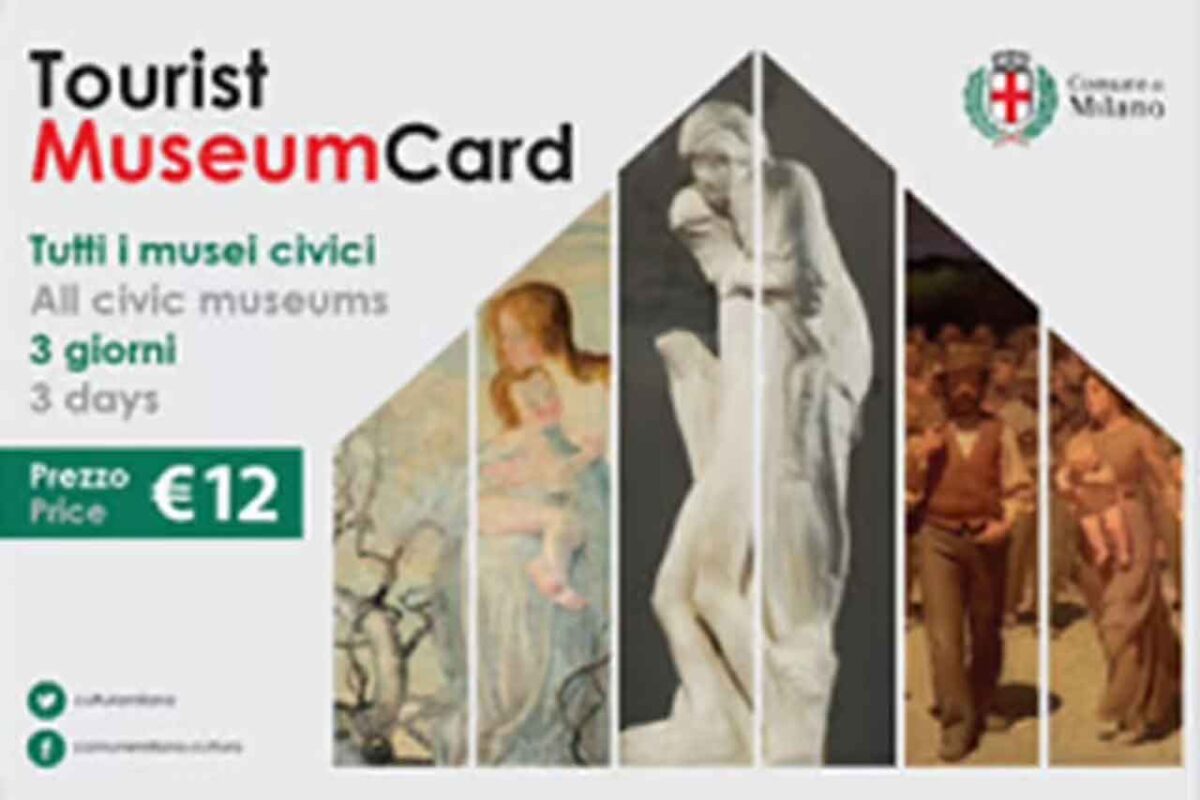
The Tourist Museum Card is a card that offers free admission for 3 consecutive days to all of Milan’s City Museums (one entry to each museum) for €12.00. The card is valid from the day of first entry, regardless of the date of purchase.
The city’s museums you can enter include the Gallery of Modern Art, Archaeological Museum, Novecento Museum, Sforza Castle Museums, City Aquarium, and Natural History Museum. In addition, places offering free admission are Boschi Di Stefano House-Museum, Moriggia Palace – Risorgimento Museum, MUDEC permanent exhibition, and Morando Palace – Fashion and Image.
You can buy the card here
Milano Museo Card
The Milano Museo Card is an annual named subscription that allows free admission to all the City Museums of Milan, available for €15.00. The card can also be purchased as a gift. The subscription is valid for one year from the date of purchase, is strictly personal, and cannot be transferred to others. It allows entry to museums but requires a surcharge for exhibitions with additional fees. Cardholders receive a 20% discount on admission to selected exhibitions at Palazzo Reale, PAC, and Fabbrica del Vapore. This discount cannot be combined with other discounts. Only one card can be purchased per account, and the name on the card must match that registered on the account.
The list of museums is the same as with the Tourist Museum Card.
You can buy the card here
Subscription to Musei Lombardia
The Musei Lombardia Subscription is a card that allows free and unlimited access for 365 days from purchase to a wide range of museums, royal residences, villas, gardens, towers, permanent collections, and temporary exhibitions located in Lombardy, Piedmont, and the Aosta Valley. Two versions of the punishment are available, covering the Lombardy region: AM Lombardia Valle d’Aosta and AM Formula Extra (covering all 3 regions)/.
It is available at a price of 45 euros or 87 euros for adults, with discounts for young people, seniors and families. In addition to free admission to the museums in the network, the Pass also offers discounts and reduced prices for the theater season, concerts, festivals and events, as well as preferential rates in some of Italy’s most important museums.
If you also intend to travel outside of Milan and explore Lombardia, Piedmont, or the Aosta Valley this offer may interest you.
Visit this website to view a list of facilities covered by the subscription and to purchase a card.
Istnieją również inne karty, które oferują zniżki na wejścia do różnych atrakcji w Mediolanie. Wśród nich mozna wymienić: Milano City Card, Milano Zani Viaggi czy YesMilanPass, kórych szczegółowy opis znajdziesz w artykule: Karty Zniżkowe w Mediolanie – jak oszczędzić na pobycie.
Discounts for EU citizens
Additionally, discounts are available for EU citizens aged 18-25 and those over 65. These discounts aim to promote active participation in cultural activities and enable individuals to enjoy the city’s artistic offerings.
Discounts for students
University students can also enjoy reduced museum admission fees.
Free walking tour of various Milan neighborhoods
Walking through Milan’s various neighborhoods is a great way to explore the city free of charge, peeking into hidden corners and admiring architectural marvels. This self-guided tour allows you to deeply sink into the atmosphere of Milan and appreciate its beauty.
Zaczynając od eleganckiego Quadrilatero della Moda, możemy podziwiać witryny światowej sławy domów mody, które nadają temu miejscu wyjątkowy charakter. Nieco dalej, po drugiej stronie Corso Venezia, w spokojnym Quadrilatero del Silenzio, doświadczysz kontrastu wobec miejskiego zgiełku, dzięki pięknu willi i historycznych pałaców. To tutaj spotkasz różowe flamingi leniwie przechadzające się w ogrodzie Villi Invernizzi, czy odkryjesz tajemniczy domofon w Casa Sola Busca.
Idąc w stronę Porta Venezia, natrafiamy na jeden z najbardziej eklektycznych obszarów Mediolanu, wyróżniający się przepięknymi przykładami architektury liberty. To tutaj miasto ujawnia swoją różnorodną twarz, łącząc historyczny urok z nowoczesną dynamiką. Tutaj odnajdziesz takie perełki architektury jak na przykład Casa Galimberti.
Jeśli trafisz do Brery, to znajdziesz okazję, by doświadczyć wyjątkowego połączenia sztuki, historii i bohemy, które czyni tę dzielnicę nieodłącznym elementem kulturowego krajobrazu Mediolanu.
Zupełnie inny klimat spotkasz w okolicach Navigli, szczególnie o zachodzie słońca, gdzie malownicze kanały odbijają barwy nieba i świateł, tworząc jedną z najbardziej idyllicznych scenerii w Mediolanie. Życie tętni tu do późnych godzin, a promenady wzdłuż wody są idealnym miejscem na wieczorne spacery.
Free walking tours are an excellent way to explore Milan’s famous sights and discover lesser-known yet equally fascinating places that contribute to the city’s soul and history. Each visit is sure to be an unforgettable experience.
Beautiful cloisters and library
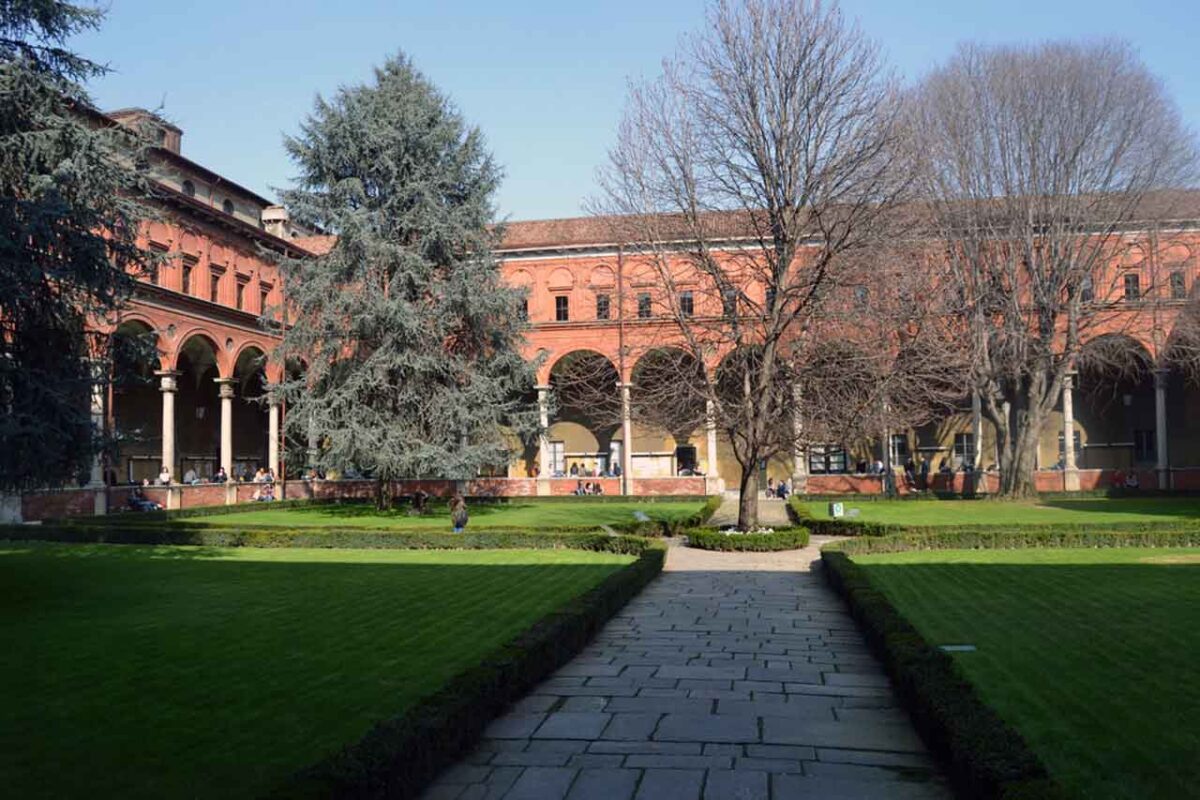
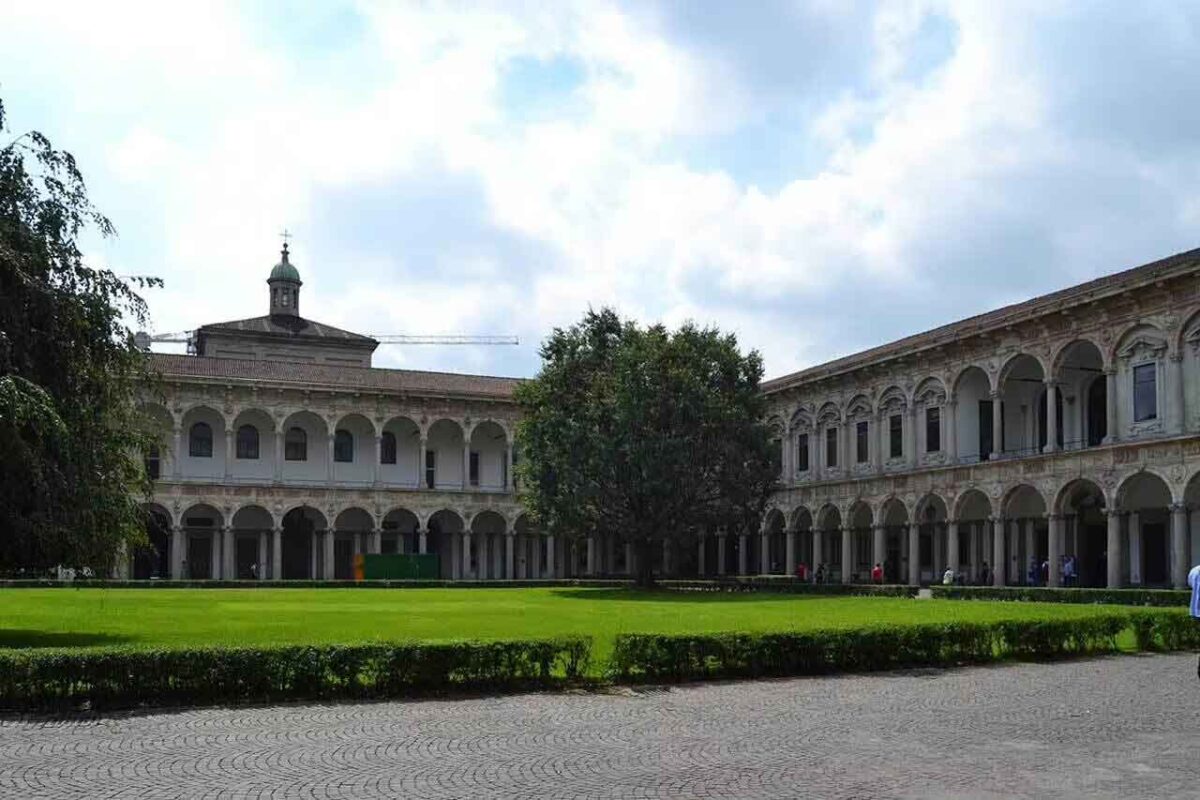
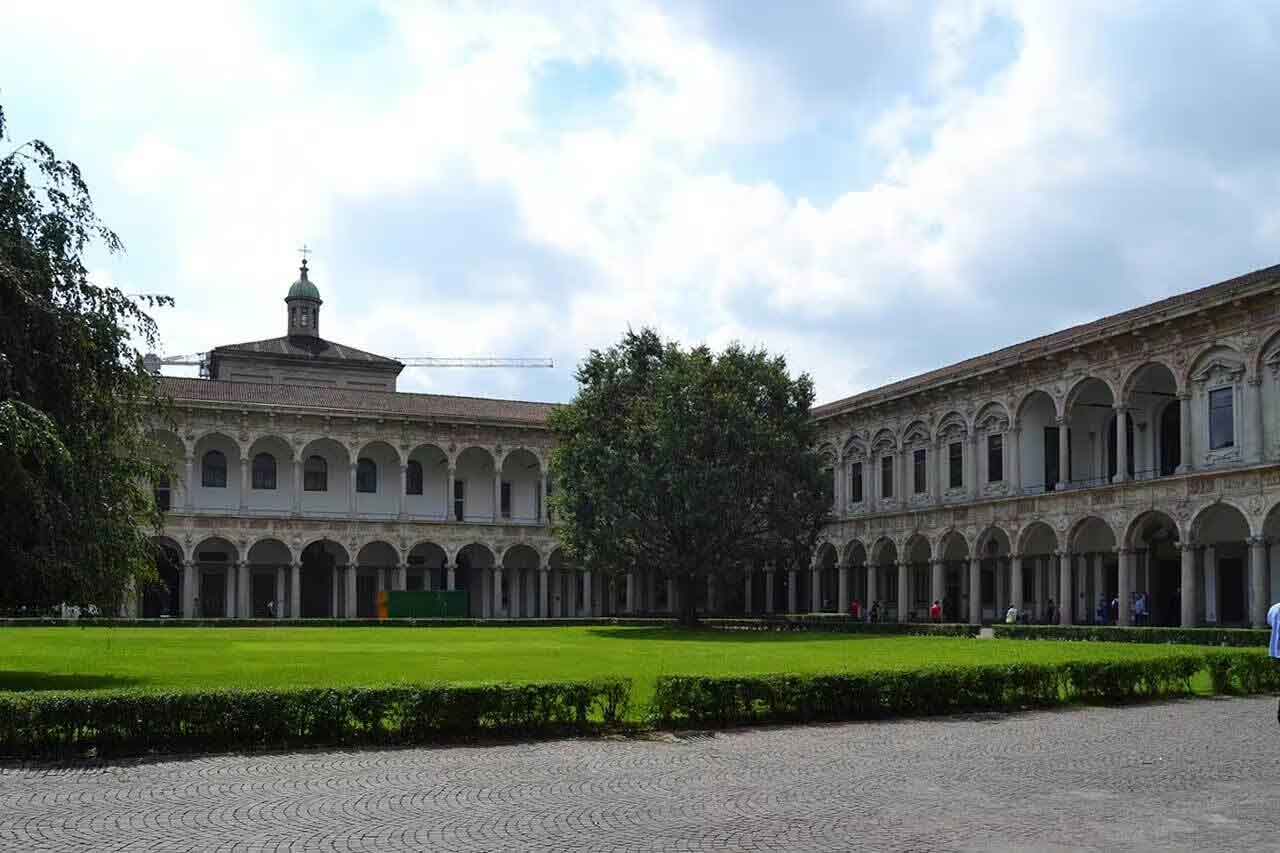
Główna siedziba Università degli Studi di Milano, znanego jako Università Statale została zbudowana jako szpital w okresie renesansu. Natomiast Università Cattolica del Sacro Cuore (Katolicki Uniwersytet Najświętszego Serca) stoi na miejscu dawnego klasztoru benedyktynów. Odkrywanie historii Mediolanu, przechadzając się po krużgankach i podziwiając aule na terenie uniwersytetu, jest całkowicie darmowe.
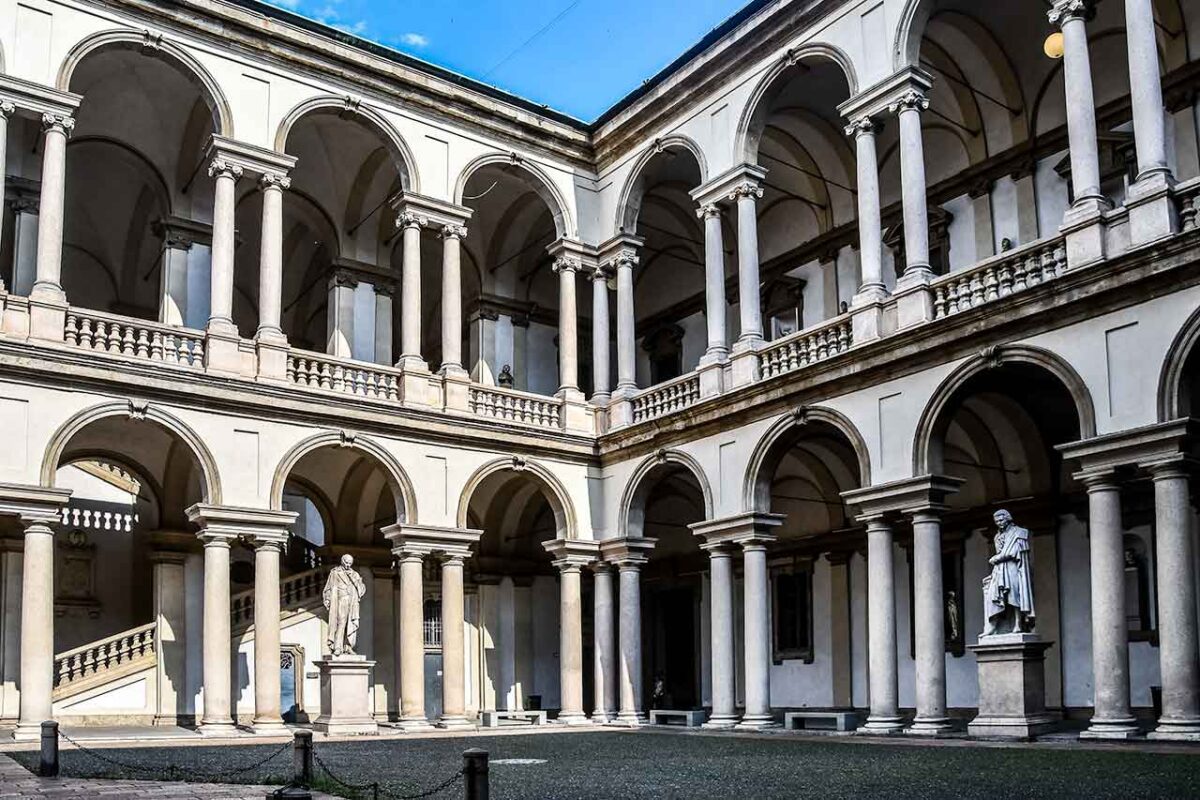
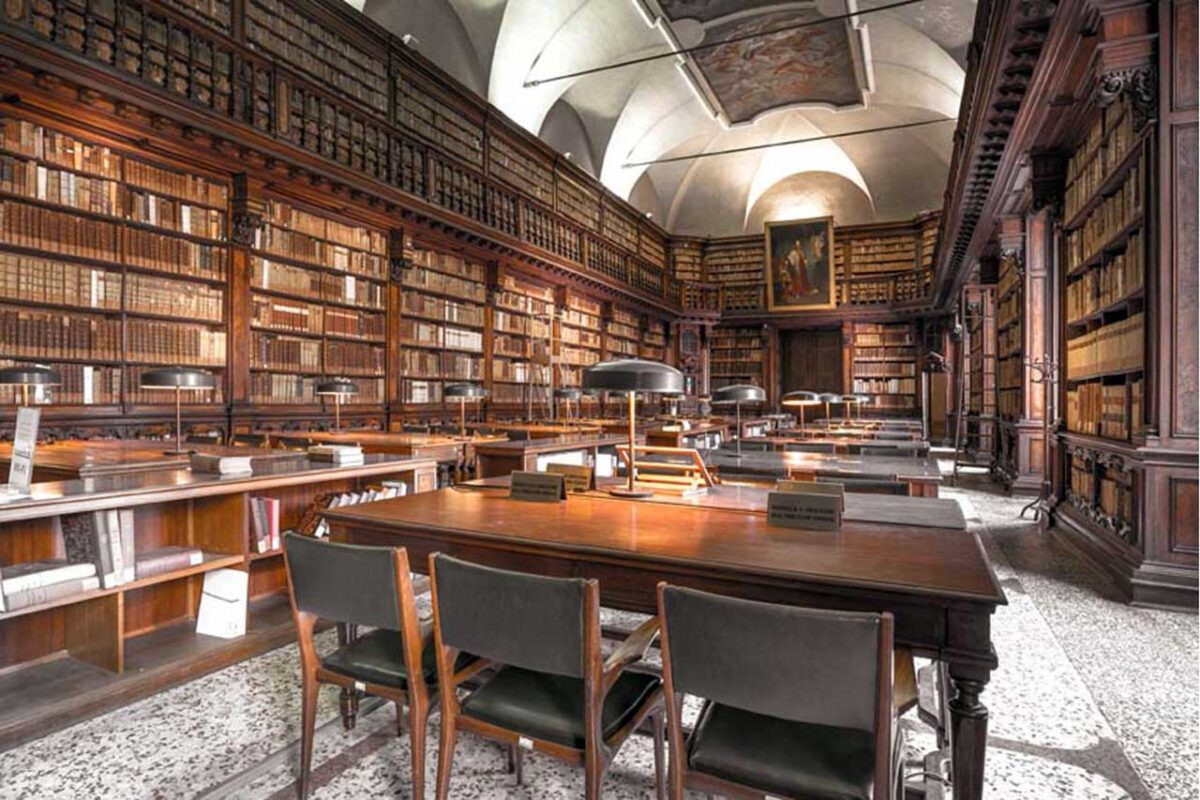
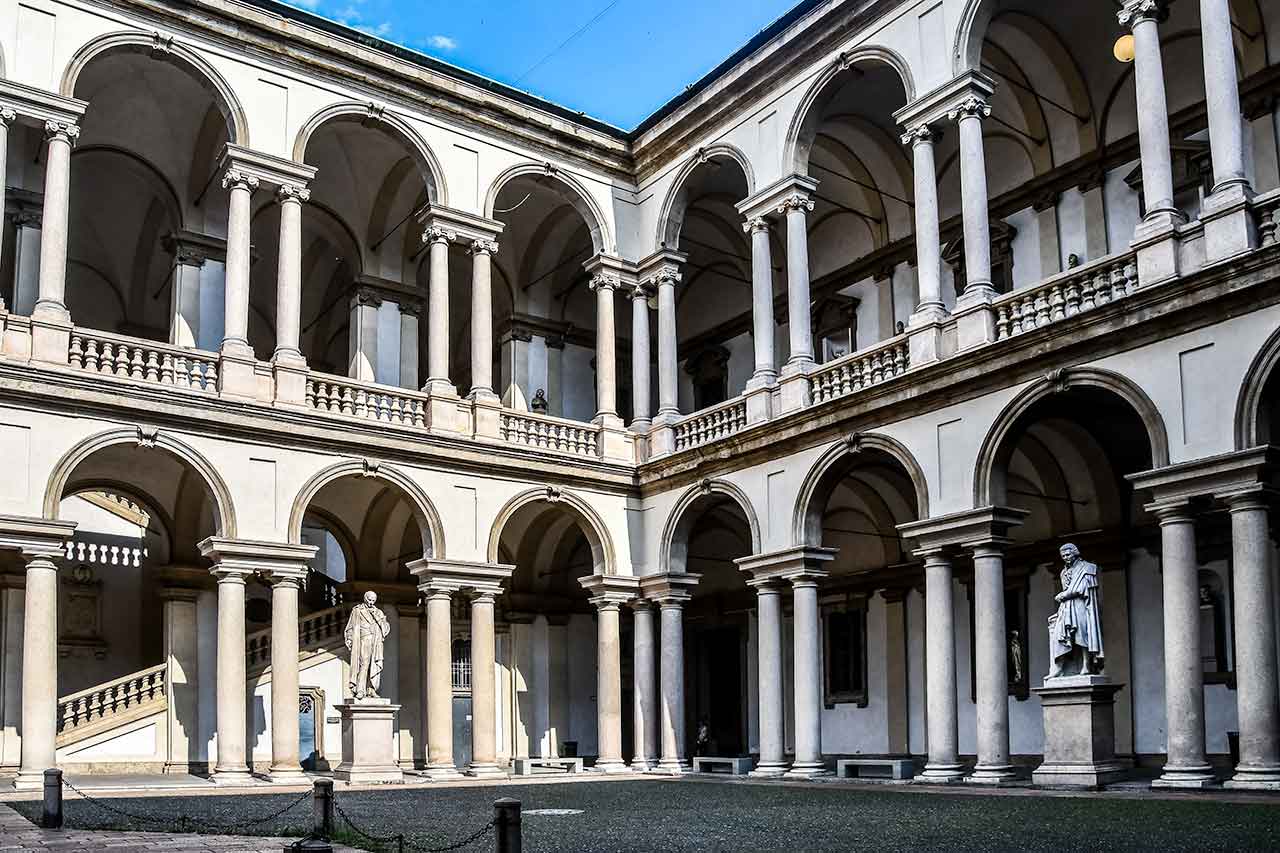
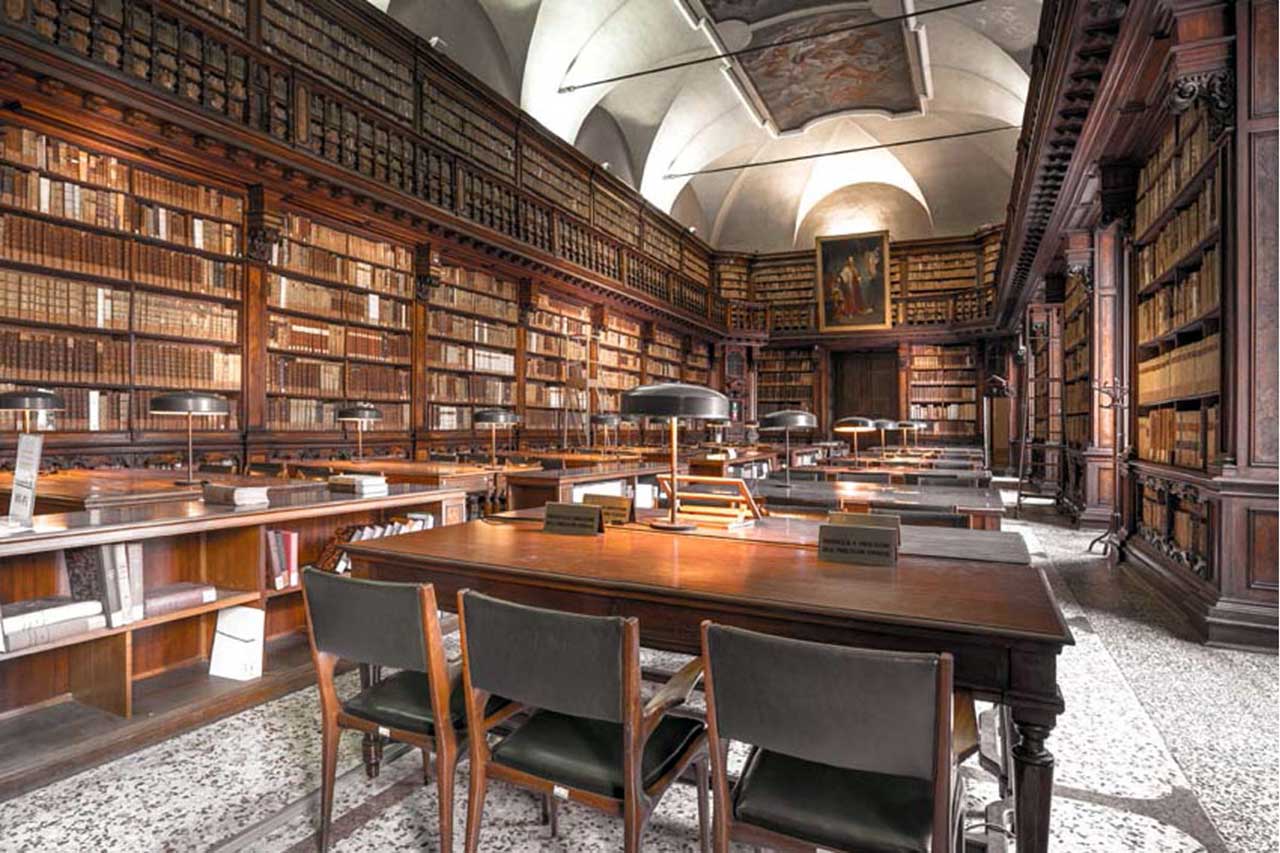
Innym ciekawym miejscem dostępnym zupełnie za darmo jest krużganek Palazzo Brera, w którym mieści się Pinakoteka Brera oraz mieszcząca się w tym samym budynku Biblioteca Braidense.

How to save while in Milan: practical tips
You can make the most of your stay in Milan without straining your budget too much:
- remember that coffee at the table costs two to several times more than the same coffee drunk at the bar. This is because many bars charge extra for table service. If we’re talking about the price differences between eating at a table and the bar, the prices of a coffee or cappuccino in Milan can vary greatly depending on the cafe and its location,
For example, in some elegant places in the city center, the price of coffee can rise to 5 euros and cappuccino to 7 euros if consumed at a table, while at the bar the cost of coffee is about 1.3 – 1.5 euros. - Wieczorem wpadnij na aperitivo do baru zamiast na kolację do restauracji. Aperitivo, czyli “happy hour“, jest szeroko rozpowszechnioną tradycją w Mediolanie i jest doskonałą opcją dla tych, którzy chcą zjeść wieczorem w przystępnych cenach. Podczas aperitivo wiele barów i klubów oferuje urozmaicony i różnorodny bufet, który może obejmować przystawki, przekąski, małe kawałki pizzy, sałatki, a czasem nawet bardziej treściwe dania. Bufet jest zazwyczaj wliczony w cenę napoju alkoholowego lub bezalkoholowego (cena zazwyczaj około 8-10 euro)
- Najlepszym sposobem na poruszanie się po Mediolanie jest poruszanie się piechotą. Jeśli jednak z jakichś powodów wolisz jeździć, środki komunikacji miejskiej (ze wskazaniem na tramwaje – najlepsze do obserwowania miasta podczas podróży) są doskonałą opcją. Bilet pojedynczy za 2,2 euro ważny 90 minut pozwala na wielokrotne skorzystanie z autobusów tramwajów i metra w ciągu tego czasu. Jeśli zostajesz dłużej, kup bilet za 13 euro, ważny przez 3 dni.
- Jeśli jesteś pasjonatem sztuki i zamierzasz odwiedzać liczne muzea, zaplanuj swój wyjazd tak, aby objął pierwszą niedzielę miesiąca, bądź sprawdź czy muzeum, które chcesz odwiedzić ma wstęp darmowy w tygodniu po godzinie 14:00. Dobrą opcją jest również skorzystanie z Kart muzealnych bądź kart zniżkowych.
- For accommodation, avoid the districts in the immediate city center, as prices there are typically very high. Look for cheaper hotels near Stazione Centrale, NoLo, Città Studi, or Lambrate. A good – and much more affordable – option is the city’s many hostels; you can read about selected choices in the article: The Best Cheap Hostels in Milan.
- Jeśli przyjeżdżasz do Mediolanu na shopping, wybierz na podróż styczeń badź lipiec, wtedy zaczynają się sezonowe obniżki cen. Możesz również wpaść do jednego z licznych outletów w Mediolanie i okolicach.
In conclusion, Milan offers a lot of free attractions that will allow you to explore its history, culture, and beauty without spending a lot of money. From historic universities with a Renaissance past to picturesque neighborhoods full of life, to free days at museums and galleries, you have a wide range of choices, there is something for everyone here.
If you’re planning a trip to Milan, it’s also worth reading:
Practical information
40 najlepszych punktów widokowych w Mediolanie – tarasy, bary i hotele
- o tym, skąd są najepsze widoki na Mediolan
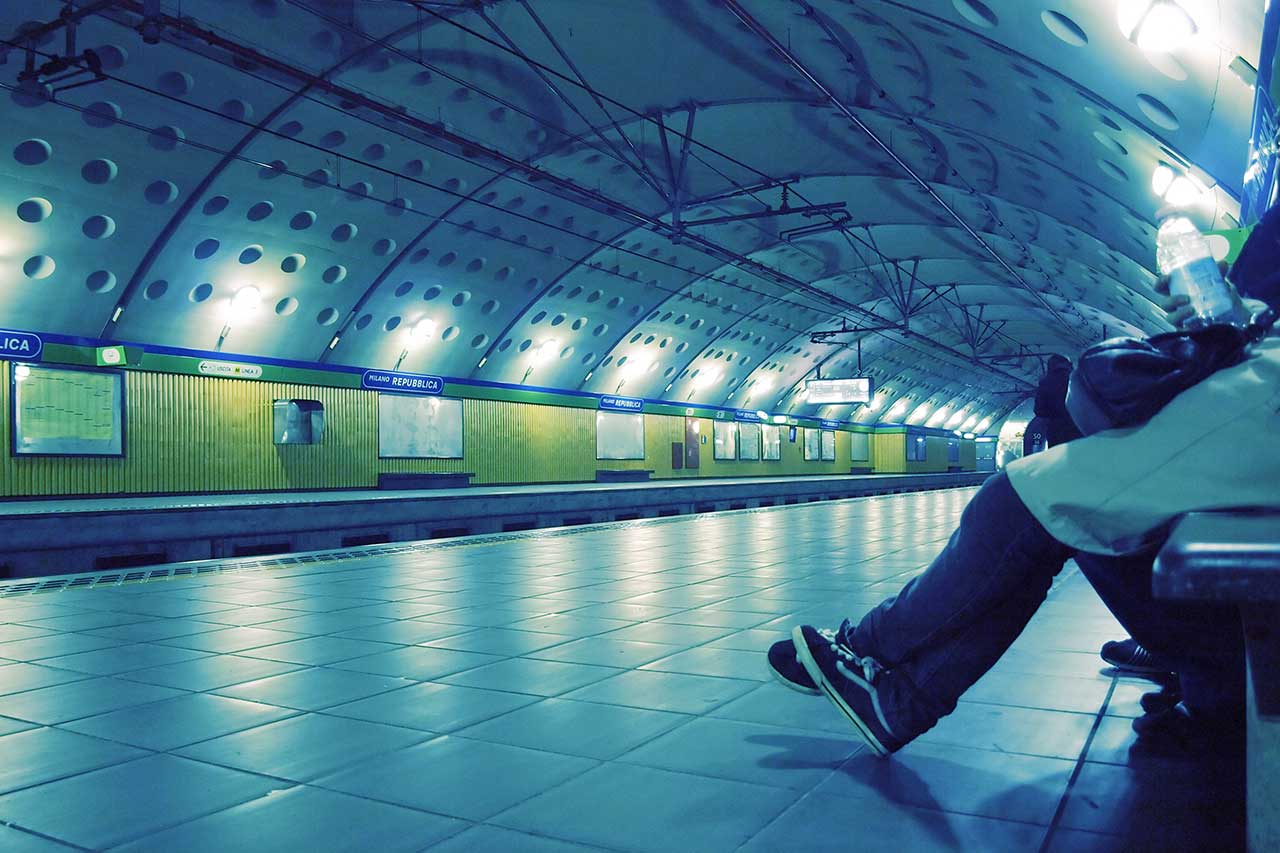
Komunikacja miejska – metro w Mediolanie i nie tylko
- about how the metro and other means of public transport operate
Poruszanie się samochodem po Mediolanie
- about why it is worth leaving your car in a parking lot outside the city
Blog, aby poznać inne atrakcje i zabytki
- on the blog you will find more articles about museums, churches, buildings and other famous and interesting places in Milan
Milan airports
o tym jak dojechać z lotniska w Bergamo do Mediolanu, bądż z lotniska Malpensa czy Linate
- about where to go shopping and which outlets to visit
- about where to sleep cheaply
Hotele w Mediolanie
look for hotels for every budget on Booking.com
I lived in Milan for 18 years, and it was there that I came to know the city’s daily life best - not just its landmarks, but also its rhythm, its habits, and its less obvious sides. Today I live in Wrocław, but I still return to Milan regularly.