


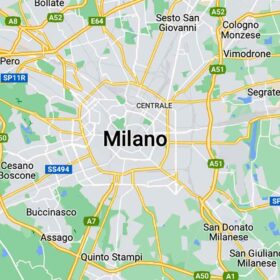
 The Geographic Location of Milan – A Strategic Spot in the Heart of Europe
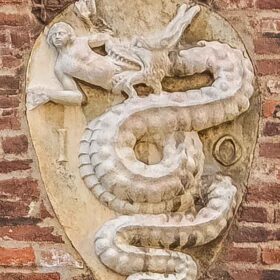 Milan’s coat of arms
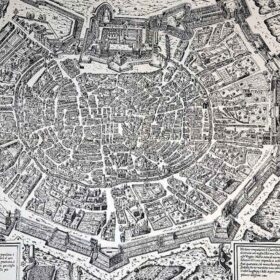 History of Milan
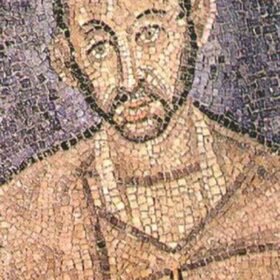 Saint Ambrose
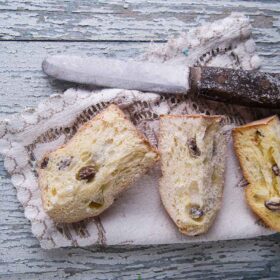 History of Panettone
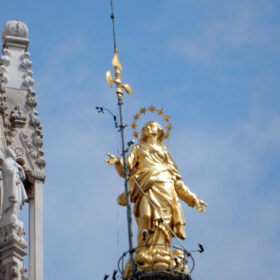 Madonnina
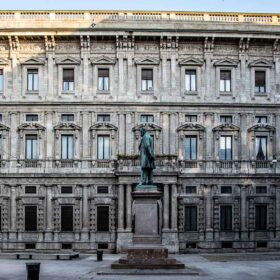 City Hall
 Milanese cuisine


Is anything worth seeing in Milan?
When I think of Milan, a kaleidoscope of impressions always comes to mind. It is a city that, on the one hand, is steeped in history and tradition, yet on the other, pulsates with a modern lifestyle. Milan possesses something extraordinary – it is a place that can be yours in so many different ways. You can discover architectural wonders here, blend into the crowd of shoppers looking for luxury in the fashion district, taste real Italian espresso in a hidden café in Brera, and in the evening enjoy an aperitivo by the Navigli canals. Is there a way to see it all in a single visit? Perhaps. Or perhaps you will discover that this city has far more to offer than anyone could ever tell you.
Sometimes, when faced with the choice of what to see in a new city, we feel overwhelmed. Every guide has its “must-sees,” and the list of essential points to check off grows endlessly. But I believe that Milan can be explored on your own terms—without rushing, choosing what is most interesting and valuable to you. I want to tell you about what is worth seeing, but above all, I want to inspire you to discover this city in your own way.
W tym przewodniku zabiorę Cię w podróż po Mediolanie, którą sama zaplanowałabym na podstawie lat doświadczeń i miłości do tego miasta. Będą tu te „słynne miejsca”, których ominąć się nie da – bo warto zobaczyć na własne oczy katedrę Duomo, podziwiać fresk „Ostatnia Wieczerza” Leonarda da Vinci czy usiąść w Teatrze La Scala. Ale będą też miejsca, które nie zawsze znajdują się na liście standardowych atrakcji turystycznych – te, które może nie są na pierwszych stronach przewodników, ale są sercem prawdziwego Mediolanu. Wiesz, o czym mówię? To te zakamarki, które trzeba poczuć, a nie tylko zobaczyć.
Jeśli zależy Ci na odkrywaniu Mediolanu na spokojnie, bez pośpiechu i bez odhaczania punktów z listy, jesteś we właściwym miejscu. A jeśli szukasz sposobów na zwiedzanie bez wydawania fortuny, koniecznie zajrzyj do mojego przewodnika o darmowych atrakcjach w Mediolanie, gdzie dzielę się wskazówkami na to, jak w pełni cieszyć się tym miastem, nie rozbijając przy tym banku.
So let’s go – together, we’ll discover Milan in a way that will stay with you for a long time.
When planning a trip to Milan, there are several important aspects of the city to keep in mind:
Despite these challenges, Milan has a lot to offer, especially in terms of culture. By giving it a chance, you will discover that this city is full of interesting attractions and surprising experiences.
Top tourist attractions in Milan
Duomo Cathedral of Milan (Duomo di Milano/Dom de Milan)
When you say “Milan,” many people immediately think of one thing – the magnificent Duomo Cathedral. And for good reason! It’s the heart of the city, its soul, and its symbol. I could tell you that it’s the largest Gothic cathedral in Italy, that it took six centuries to build, or that it has so many spires you could lose count. But there’s more to it than just numbers and facts. The Duomo is about emotions – it’s the sight of the setting sun reflecting off the marble, the coolness of the stone pillars you feel as you step inside, the moment you stand on the rooftop and gaze at Milan stretching out to the horizon.
As you wander through the interior, you can feel the remarkable atmosphere of peace and reflection, a sharp contrast to the bustling square just outside the doors. And if you have the courage and energy, I highly recommend climbing to the rooftop. Yes, there’s an elevator, but if you want to feel like a true adventurer, take the stairs. Those views – over the city, the distant Alps, and, on a clear day, even as far as the Apennines – will stay with you forever.
Access to a restricted part of the cathedral, designated for those who wish to pray, is free, but to see the entire cathedral, purchasing a ticket is necessary.
Ale Duomo to nie tylko piękne widoki. To miejsce, które opowiada o Mediolanie jak żadna inna atrakcja. Jeśli chcesz dowiedzieć się więcej o jego historii, tajemnicach i szczegółach architektonicznych, koniecznie zajrzyj do mojego przewodnika po Katedrze w Mediolanie. Tam znajdziesz wszystko, co powinieneś wiedzieć, zanim odwiedzisz to wyjątkowe miejsce.

Galleria Vittorio Emanuele II – The architectural gem of Milan
Gdy stajesz przed wejściem do Galerii Vittorio Emanuele II, wkraczasz nie tylko do jednego z najstarszych centrów handlowych we Włoszech, ale też do miejsca, które od pokoleń jest sercem eleganckiego Mediolanu, nie bez powodów nazywane jego salonem. Galeria to coś więcej niż tylko szybki skrót między katedrą a teatrem La Scala. Tutaj wszystko ma swoją opowieść – od mozaikowej posadzki pod stopami ze słynnym bykiem, przez zabytkowe witryny, aż po imponujące żelazne i szklane sklepienie nad głową.
I don’t know about you, but I love this blend of luxury, history, and everyday life. Walking through the Galleria, you pass by boutiques of top designers, as well as classic cafés where the spirit of past gatherings of artists and intellectuals still lingers. It’s a place where you can step back in time for a moment – sit down with an espresso, watch the crowd flow by, and simply savor the moment.
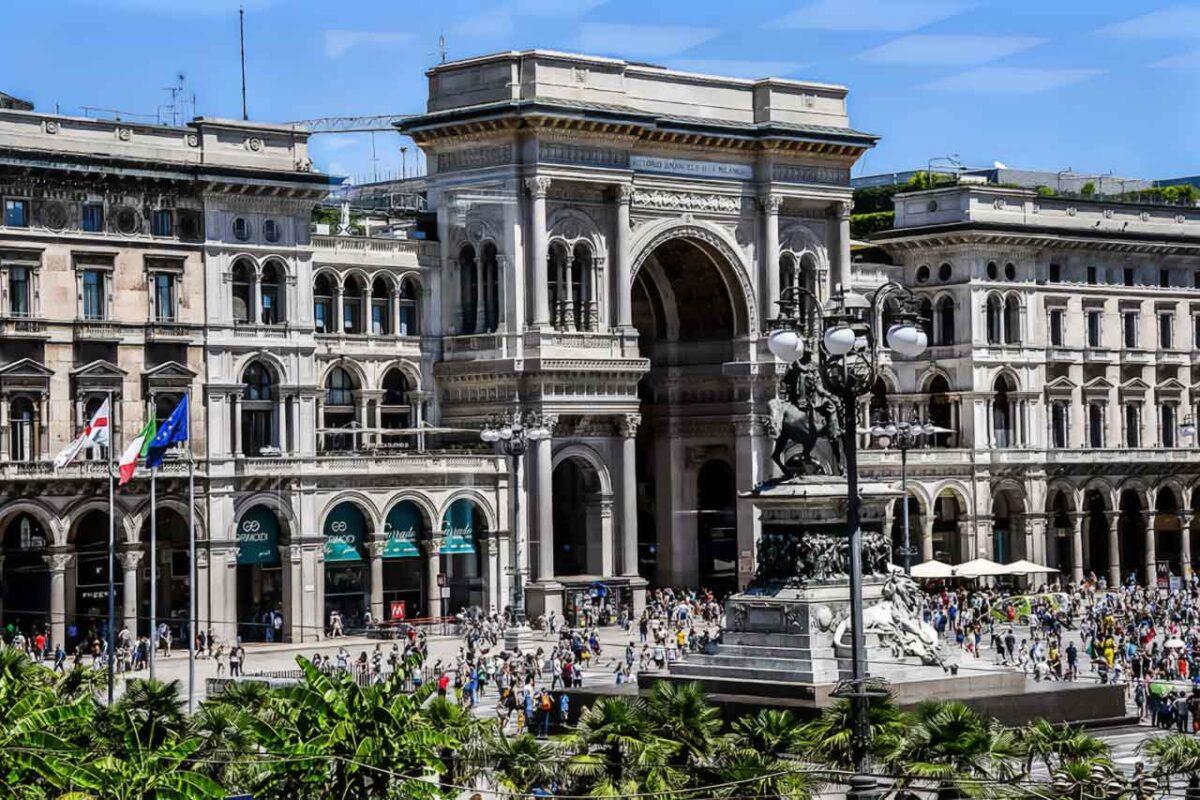
Interestingly, the Galleria wasn’t always as refined as it is today. Over its history, it has gone through various stages, with its story reflecting rebirth and change. Here, every marble piece of the floor has its own tale – perhaps of a couple who met under this roof for the first time, a townsman dreaming of the wider world, or a singer aspiring to a career at La Scala.
Jeśli chcesz dowiedzieć się więcej o tajemnicach i historii Galerii Vittorio Emanuele II – o tym, jak to miejsce zmieniało się przez lata i co czyni je tak wyjątkowym – koniecznie zajrzyj do mojego przewodnika po najstarszym centrum handlowym Mediolanu. Tam znajdziesz więcej opowieści, które mogą sprawić, że spojrzysz na to miejsce zupełnie inaczej.
Church of Santa Maria delle Grazie and Leonardo da Vinci’s “The Last Supper”
Czy wiesz, że w Mediolanie jest jedno miejsce, które przyciąga ludzi z całego świata? Jest nim bez wątpienia Kościół Santa Maria delle Grazie. Ale prawdę mówiąc, większość z nas nie przychodzi tu dla samego kościoła (choć jest piękny). To, co przyciąga, to fresk „Ostatnia Wieczerza” autorstwa Leonarda da Vinci, ukryty w refektarzu tuż obok.
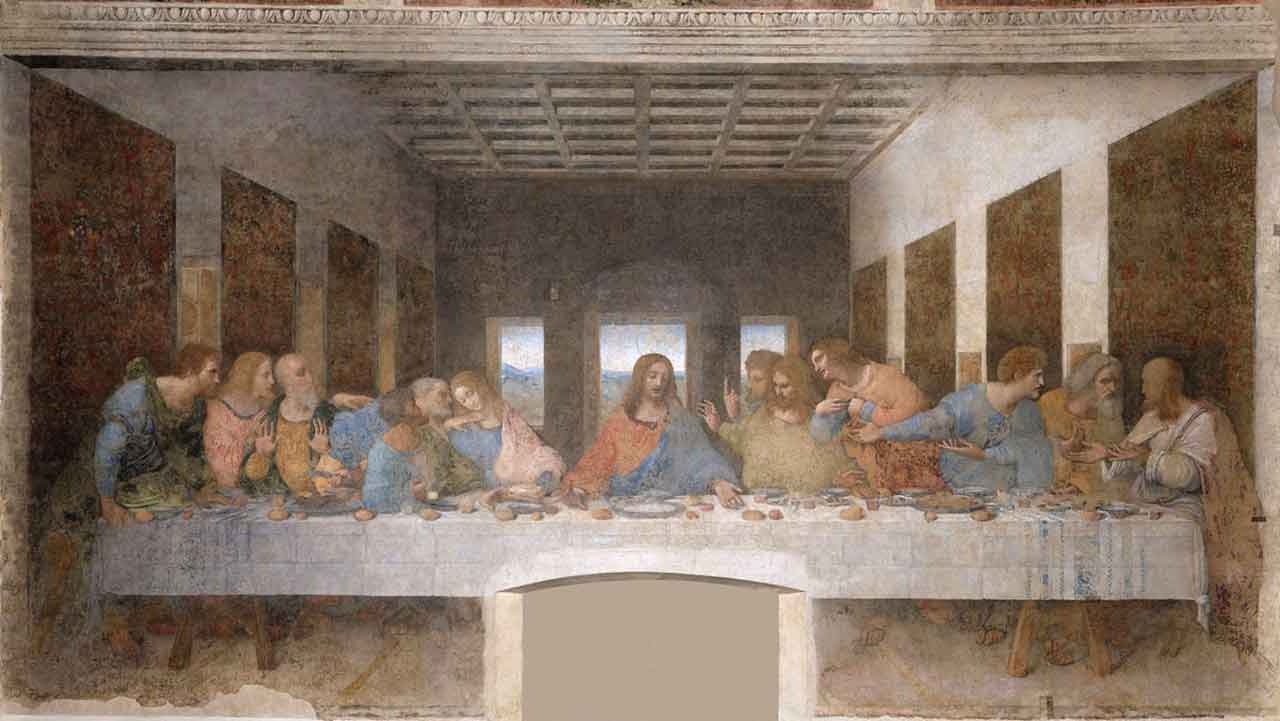
Teraz mała przestroga – „Ostatnia Wieczerza” to nie jest miejsce, które odwiedzisz z marszu. Bilety trzeba rezerwować z wyprzedzeniem, bo to jedno z najbardziej obleganych miejsc w całym Mediolanie. Gdy już wejdziesz do środka, zrozumiesz, dlaczego. Stajesz przed tym słynnym malowidłem, które tyle razy widziałeś na zdjęciach i w podręcznikach, i nagle uderza Cię, jak bardzo różni się w rzeczywistości od wcześniej oglądanych zdjęć. Detale, które wcześniej umykały, nagle stają się wyraźne, a emocje postaci – tak namalowane, że czujesz, jakbyś mógł wejść w tę scenę.
Ten fresk to historia sama w sobie. Z bliska widzisz, jak Leonardo eksperymentował z techniką, która – delikatnie mówiąc – nie była zbyt trwała. Zresztą, to cud, że „Ostatnia Wieczerza” przetrwała do dziś, biorąc pod uwagę wszystkie wojny, wilgoć i inne nieszczęścia, jakie przez wieki ją spotkały. Ale warto tam zajrzeć nawet te kilkanaście minut, które masz na podziwianie dzieła, gdyż pozostaje w pamięci na długo.
Chcesz dowiedzieć się więcej o „Ostatniej Wieczerzy” i o tym, jak zarezerwować bilety, żeby ją zobaczyć na własne oczy? Zerknij do mojego przewodnika, w którym znajdziesz wszystkie potrzebne informacje: Ostatnia Wieczerza Leonarda da Vinci.
Pinacoteca di Brera – the jewel in the crown of Milan’s attractions
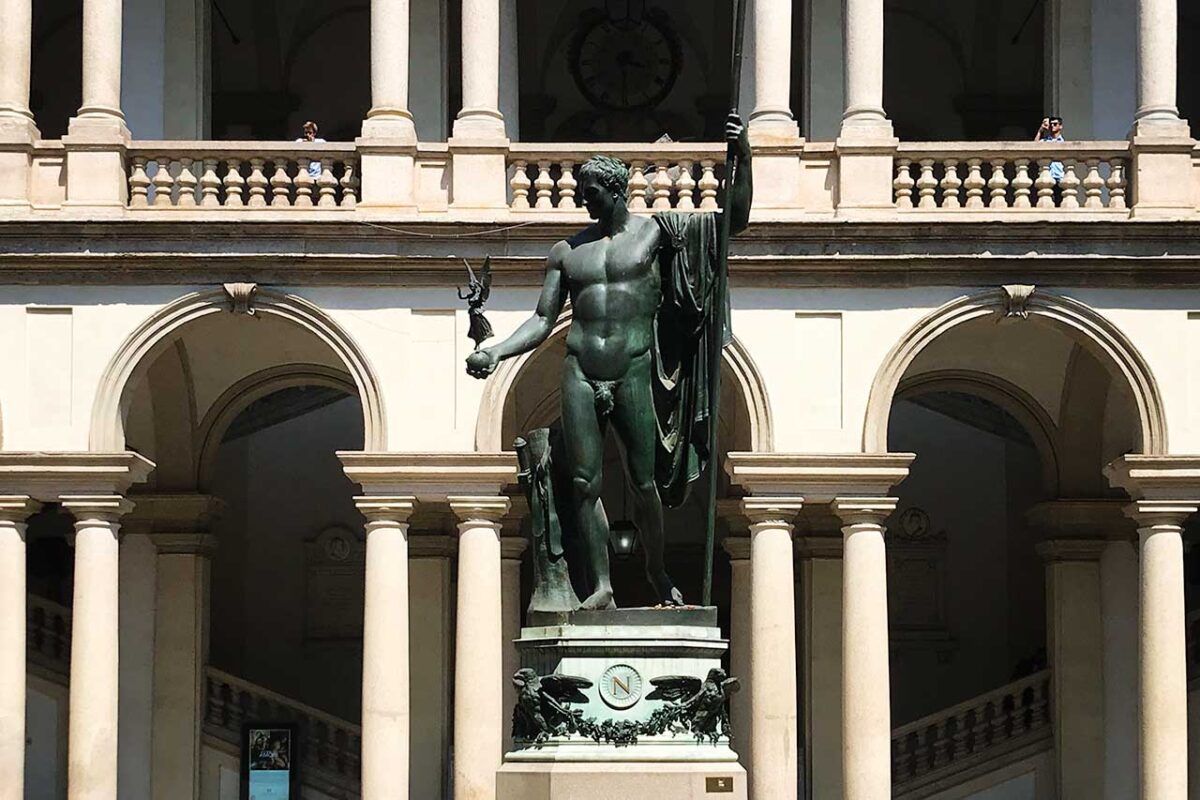
Wśród licznych atrakcji, Pinakoteka Brera wyróżnia się jako jeden z najbardziej fascynujących punktów na kulturalnej mapie miasta. To miejsce, będące prawdziwym skarbem dla miłośników sztuki, jest domem dla jednej z najważniejszych kolekcji artystycznych we Włoszech. Historia tego miejsca jest równie interesująca jak zgromadzone w nim dzieła – Napoleon Bonaparte przekształcił ten XVIII-wieczny pałac w magazyn dla skonfiskowanej sztuki z północnych Włoszech, tworząc tym samym podwaliny pod dzisiejszą galerię.
Within the forty rooms of the Pinacoteca di Brera, visitors can admire works that are the quintessence of Italian artistic genius. Among them are masterpieces such as Andrea Mantegna‘s “Dead Christ“, Raffaello‘s “The Marriage of Mary and Joseph“, Caravaggio‘s “The Supper at Emmaus“, Giovanni Bellini‘s “Pieta“, Francesco Hayez‘s “The Kiss“, and Piero della Francesca‘s “The Madonna and Child Surrounded by Saints“. These are just some of the works that place the Pinacoteca di Brera on the list of the most important attractions in Milan. Alongside these masterpieces, visitors can also admire works by Titian, Tintoretto, Rubens and Picasso.
Entrance tickets cost 10 euros (standard) and 7 euros (concession), which is a small price to pay for the opportunity to immerse yourself in the world of great art masters.
Sforza Castle (Castello Sforzesco) and Parco Sempione
When we think of old times, when princes and warriors decided the fates of cities, massive castles always come to mind. Milan’s Sforza Castle is no exception. This imposing, massive castle in the city center has something monumental about it. Standing before its walls, you can almost feel the echo of the past – the laughter of knights, the clash of swords, and the hum of courtly life. You might even imagine hearing the footsteps of Leonardo da Vinci, who worked here on his masterpieces.
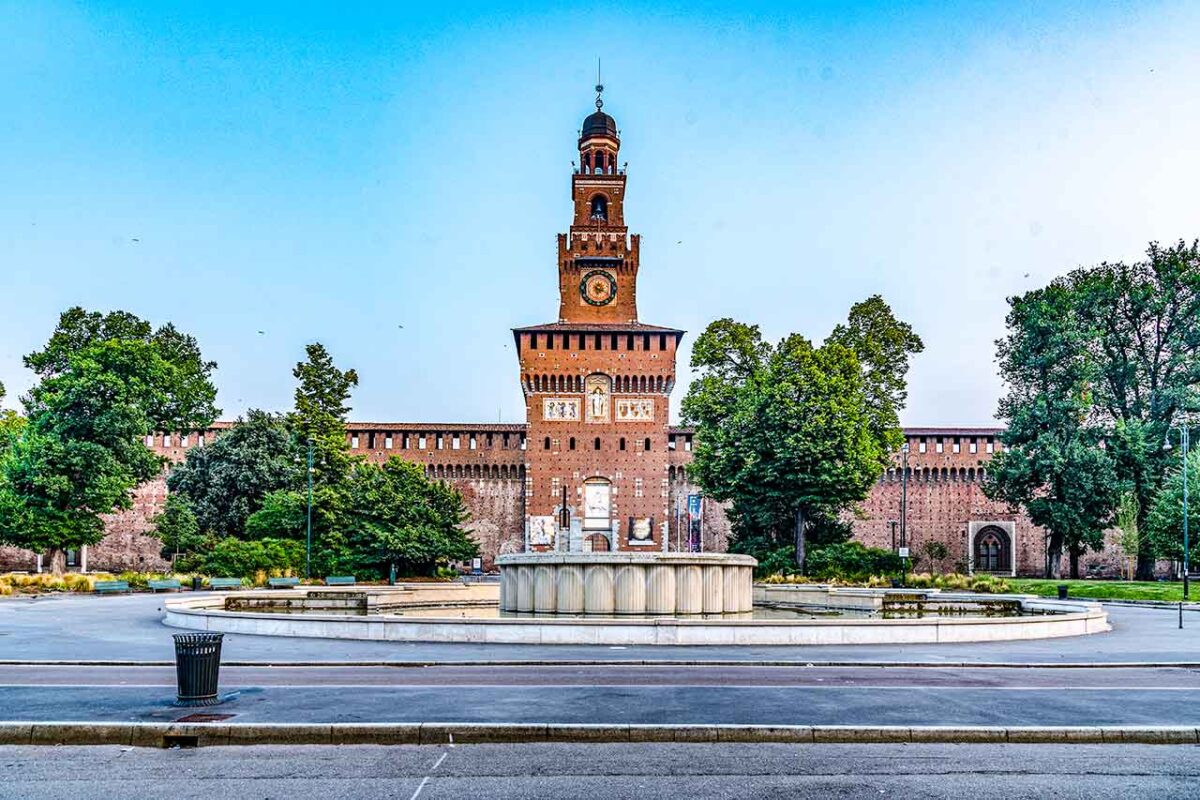
The Sforza Castle is no ordinary fortress. Within its walls you will find true treasures of art and history. Walking through the courtyards and towers, you will see frescoes by Leonardo da Vinci and sculptures by Michelangelo. There are also many other works of art and an interesting museum of musical instruments. Each room hides an interesting story. Even if art is not your passion, a visit to the castle will be like a trip back in time.
And once you’ve soaked in the courtly atmosphere, step outside, and head to the back of the castle. There, you’ll find yourself in Parco Sempione – one of Milan’s most beautiful parks. This is a place that invites relaxation, picnics, and long walks amid greenery. On weekends, you’ll find people spreading blankets (weather permitting), playing guitars, or simply unwinding by the pond. It’s the perfect escape from the city’s hustle and bustle, where you can briefly forget the world.
Chcesz poznać więcej tajemnic zamku i zobaczyć, co jeszcze kryje ten magiczny zakątek Mediolanu? Sprawdź artykuł o Zamku Sforzów i Parco Sempione. Znajdziesz tam wskazówki, które uczynią Twoją wizytę jeszcze bardziej wyjątkową.
The castle’s courtyards and exterior areas, including the dry moat, are free to visit. Admission to the castle’s interior is paid unless you arrive after 2:00 PM on Tuesdays or any other day except Mondays after 4:30 PM.
Sempione Park and Sempione Gate (with the Arch of Peace – Arco della Pace): the green heart and historical gate of Milan
Tuż za majestatycznym Zamkiem Sforzów rozciąga się Park Sempione, ogromna zielona przestrzeń, która jest jednym z najważniejszych i najpiękniejszych parków w Mediolanie. Ten park stanowi nie tylko ulubione miejsce odpoczynku dla mieszkańców miasta, ale również jest jedną z atrakcji, które warto wziąć pod uwagę podczas pobytu w Mediolanie. Chociaż park jest popularny wśród turystów i czasami może być tłoczno, jego urok i spokój nadal przyciągają liczne tłumy.
Przyjeżdżając do Mediolanu z pewnością nie należy pomijać wieży parkowej Torre Branca, która jest jednym z punktów obowiązkowych podczas wizyty w Parku Sempione. Wjeżdżając na jej szczyt, odkryjesz zapierający dech w piersiach widok na Mediolan, który obejmuje park, Łuk Pokoju (Arco della Pace), majestatyczny Zamek Sforzów, nowoczesne wieżowce w oddali oraz inne malownicze części miasta. Ten panoramiczny widok z góry pozwala docenić zarówno zabytkową, jak i nowoczesną architekturę Mediolanu, tworząc niezapomniane wrażenia i stanowiąc jedną z najbardziej pamiętnych miejsc miasta.
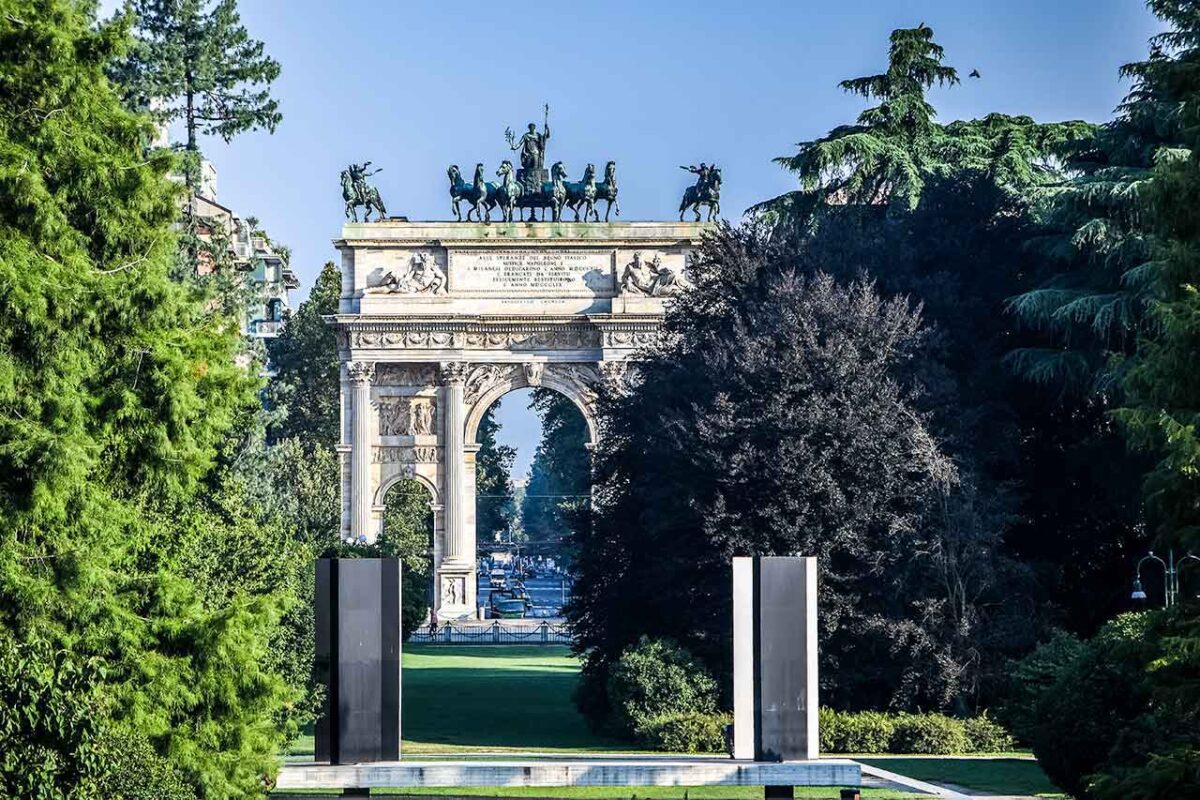
Podczas spaceru po parku warto również zobaczyć klasycystyczny stadion “Arena Civica“, wybudowany w 1807 roku. Ten historyczny obiekt sportowy jest świadkiem wielu ważnych wydarzeń w historii miasta. Kolejnym punktem, który nie może umknąć uwadze, jest Łuk Pokoju, monumentalna brama, będąca pomysłem Napoleona. Łuk ten miał być skierowany w stronę Paryża, symbolizując potęgę i wpływy Napoleona w Europie.
Parco Sempione, with its attractions, is the perfect place to relax and escape the hustle and bustle of the city. It is definitely a place to put on your list during your stay in Milan, offering both historical and natural beauty.
La Scala Theatre – a pearl of operatic art
The Teatro La Scala in Milan may look rather inconspicuous from the outside. Walking past, it is easy to miss its modest facade. However, it is enough to cross the threshold to feel the unique atmosphere that fills this place. The greatest stars of opera have performed on this legendary stage – Maria Callas, Luciano Pavarotti, Placido Domingo – and the emotions in the air are almost tangible. It was here that great careers were born, and the applause of the audience carried far beyond the walls of the theatre.
You don’t have to be an opera fan to appreciate the magic of La Scala, it captivates every art lover. It’s more than just a theatre – it’s the heart of Milan’s musical world, and perhaps even the whole of Europe’s music. It’s worth taking a peek inside, not just for a performance, but also for the museum, which houses incredible treasures: old programmes, costumes, scores and memorabilia related to the biggest names in opera.
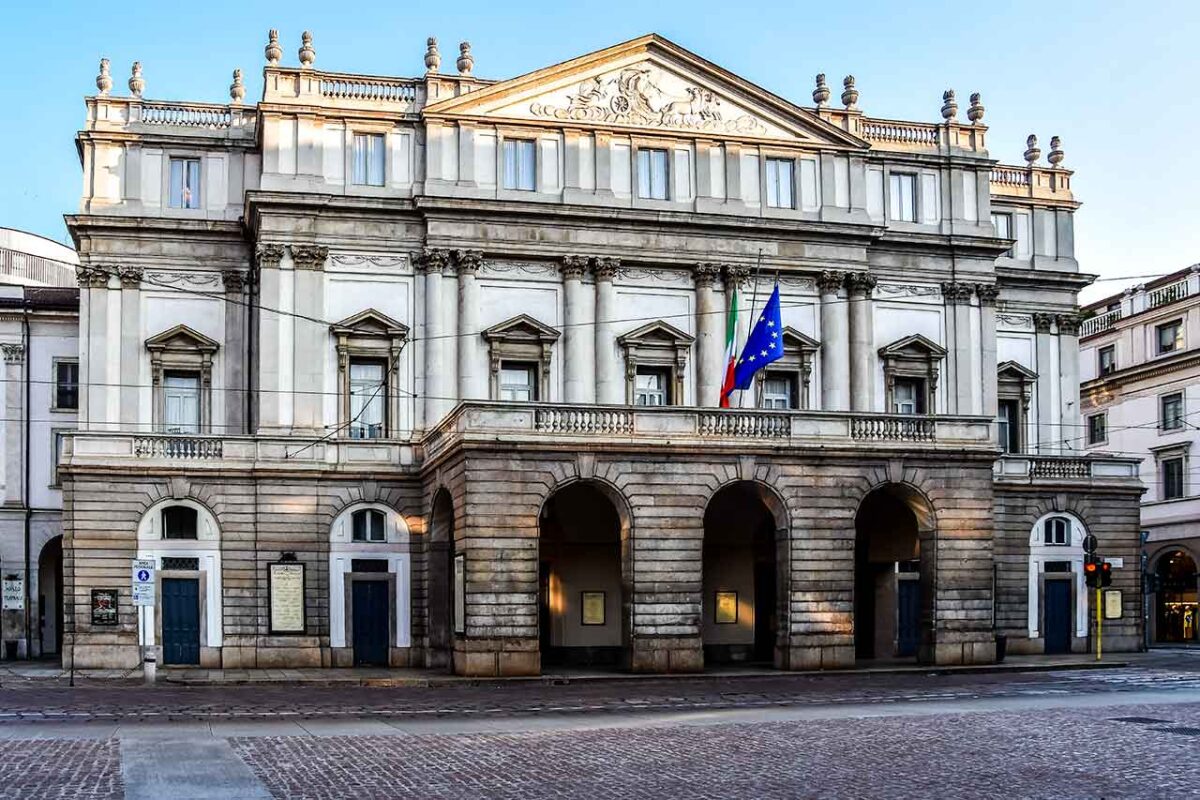
You can also book a tour that includes both the theater and the museum. If you want to know how to get tickets to the show, my guide to La Scala Theater will give you all the information you need.
While you’re in Piazza della Scala, check out the Gallerie d’Italia. Less well-known than the Pinacoteca di Brera or Palazzo Reale, it boasts a vast collection of art, and the building itself is a masterpiece of architecture worth seeing.
Also near La Scala is Palazzo Marino, the seat of the city council. You can enter for free with a guided tour or wander around the courtyard on your own. This is a place that highlights the cultural and historical richness of Milan, an attraction for every visitor to the city.
Jeśli masz ochotę poczuć to wszystko na własnej skórze i dowiedzieć się, jak zdobyć bilety na spektakl, zajrzyj do mojego przewodnika po Teatrze La Scala. Tam znajdziesz wszystkie szczegóły, które mogą się przydać przed wizytą w tym wyjątkowym miejscu.
Basilica of St. Ambrose: the spiritual heritage of Milan
Choć może nie dorównuje rozmiarami i majestatycznością słynnej Katedrze w Mediolanie, Bazylika Świętego Ambrożego jest moim ulubionym kościołem w mieście i zdecydowanie warto tam zajrzeć. Jako jeden z najstarszych kościołów w Mediolanie, wybudowany już w IV wieku w stylu romańskim, bazylika ta jest świadkiem bogatej historii i tradycji, które Mediolan nazywają swoim dziedzictwem.
The basilica is named after the patron saint of Milan, Saint Ambrose, who personally consecrated the church and dedicated it to the martyr saints. The interior of the church is equally impressive, with numerous artistic and historical treasures. There you can admire, among others, the golden altar, which is a true work of art, the beautifully carved Silicon sarcophagus, the marble bishop’s throne, the ciborium and the stunning pulpit.
A visit to the Sanctuary of Saint Ambrose is not only an opportunity to see one of the most important churches in the city, but also a chance to immerse yourself in the deep spirituality and history that are inextricably linked to this city. It is a place that attracts both lovers of sacred art and those who seek peace and reflection in the hustle and bustle of the big city.

Leonardo da Vinci Museum of Science and Technology: discover the genius in the heart of Milan
Podczas weekendu w Mediolanie, jedną z niezapomnianych atrakcji i zabytków, które warto uwzględnić przy zwiedzaniu, jest Muzeum Nauki i Technologii Leonardo da Vinci. To miejsce to nie tylko hołd dla jednego z największych umysłów, jakie kiedykolwiek tworzyły w Mediolanie, ale także fascynująca podróż przez historię nauki i technologii.
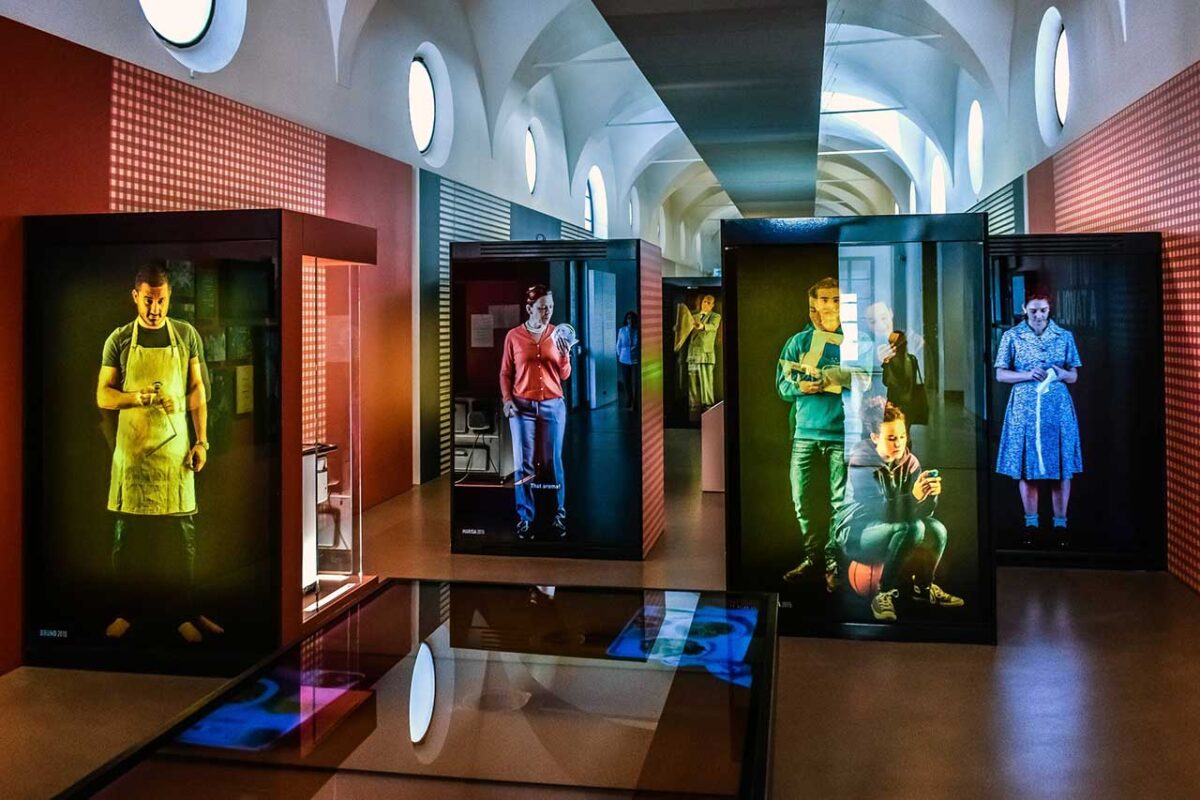
The museum, housed in an old monastery, boasts a vast collection of documents, models and exhibits that trace scientific progress and technological inventions from the Renaissance to the present day. These include reconstructions of craft shops and laboratories of ancient scientists, as well as an impressive hall of wagons and locomotives, a kind of railway museum.
Particular attention is drawn to documents and models of Leonardo da Vinci’s inventions. The museum has the world’s largest collection of models of machines made based on the drawings of this brilliant artist and inventor. The Leonardo da Vinci Gallery on the first floor presents a selection of these extraordinary works, which testify to da Vinci’s extraordinary creativity and versatility.
In addition to the interiors, you will also find outdoor displays, including the Enrico Toti submarine (S 506), which became part of the collection in 2005. Also worthy of note is the Mauro Collection, which contains objects in gold and precious stones, a reconstruction of a lithographic shop, and memorabilia related to Marconi.
Muzeum Nauki i Technologii Leonardo da Vinci to idealne miejsce na spędzenie inspirującego popołudnia, zarówno dla dorosłych, jak i dla dzieci. Odkryj geniusz Leonarda da Vinci i zanurz się w fascynujący świat nauki i technologii, będąc w Mediolanie. A tu strona muzeum.
San Siro Stadium: the heart of football excitement in Milan
Rozważając Mediolan na weekend, miłośnicy piłki nożnej nie mogą przegapić okazji wizyty na legendarnym Stadionie San Siro, domowej areny dwóch słynnych drużyn: AC Milan i Interu Mediolan. To miejsce, gdzie historia futbolu jest niemal namacalna, a emocje sportowe sięgają zenitu, szczególnie podczas gorących derbów między tymi lokalnymi rywalami.
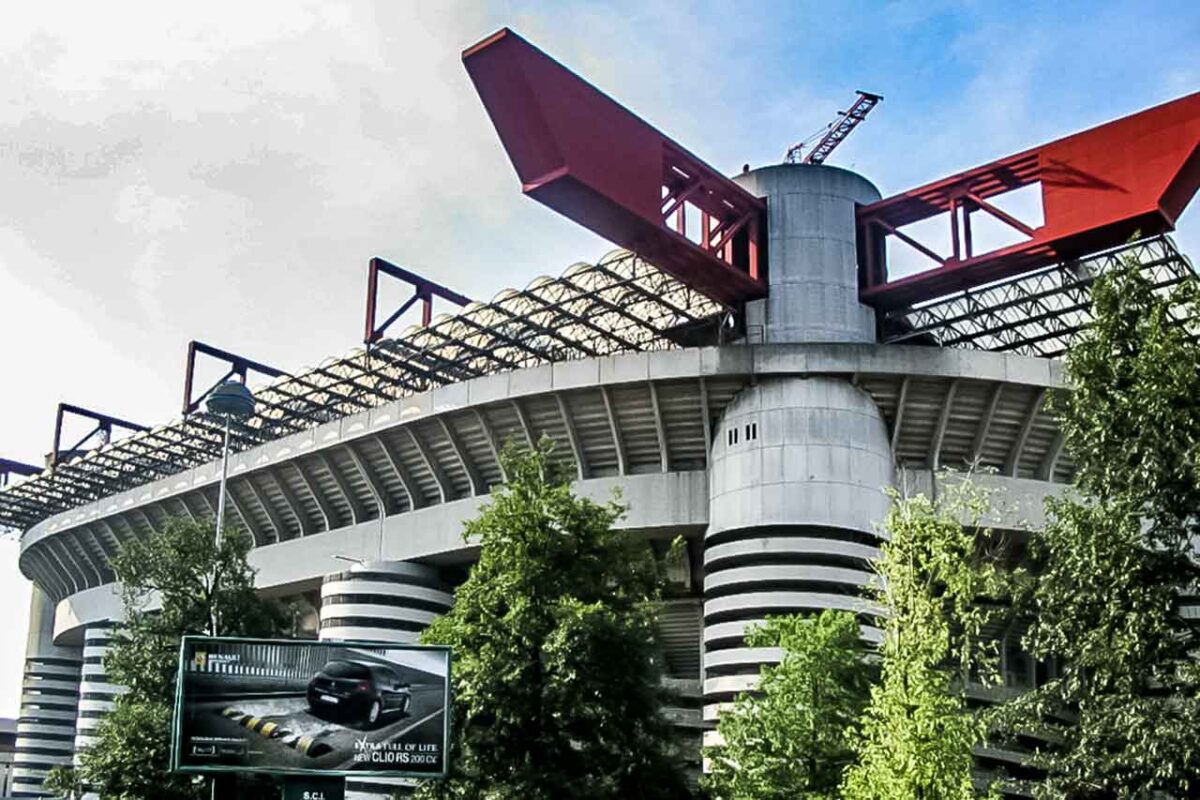
San Siro, also known as Stadio Giuseppe Meazza, is one of the largest football stadiums in the world, with a capacity of 85,000. Its impressive architecture and atmosphere make it a mecca for football fans from all over the world.
A visit to San Siro is not only a chance to watch a live match, but also to visit the stadium museum. It is a real treasure trove of memorabilia and history of both AC Milan and Inter Milan, presenting the rich history of these clubs, their triumphs, legends and most important moments. Entry to the museum, including a tour of the stadium, costs 17 euros, which is a great opportunity to immerse yourself in the world of great football.
For every football fan, especially fans of AC Milan and Inter Milan, a visit to the San Siro Stadium is a must-see during your visit to Milan. It is not just a stadium, it is a temple of football, where every match is an unforgettable event and football history is still being written.
Milan off the beaten track: lesser-known attractions
Beyond the top 10 must-sees in Milan, there’s a whole world of lesser-known but equally fascinating attractions. These hidden gems of Milan often escape the attention of official guidebooks, yet they have so much to offer those who want to delve into the true character of the city. Here are some lesser-known but absolutely worthy places that reveal a different side of Milan.
Milan off the beaten track: lesser-known attractions
Beyond the top 10 must-sees in Milan, there’s a whole world of lesser-known but equally fascinating attractions. These hidden gems of Milan often escape the attention of official guidebooks, yet they have so much to offer those who want to delve into the true character of the city. Here are some lesser-known but absolutely worthy places that reveal a different side of Milan.
Milan Monumental Cemetery (Cimitero Monumentale) – an open-air art gallery
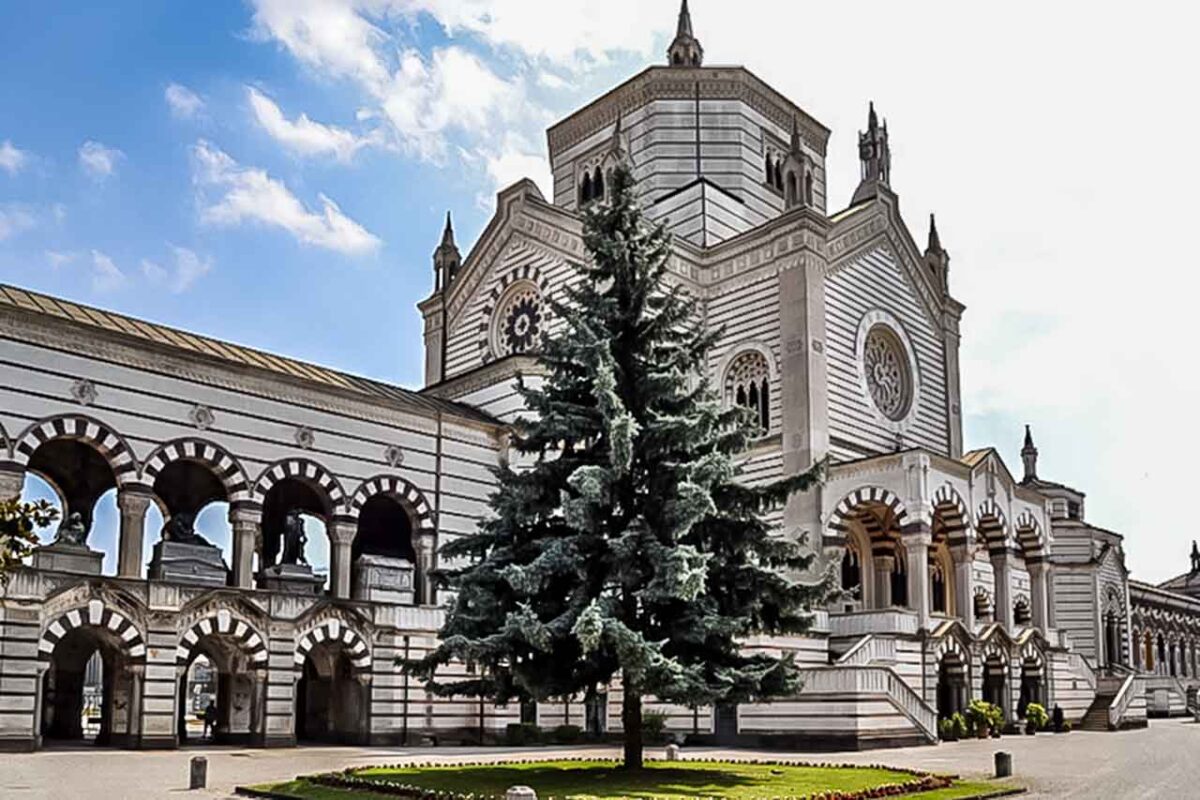
Cmentarz Monumentalny w Mediolanie to nie tylko miejsce spoczynku, ale także prawdziwa galeria sztuki na świeżym powietrzu. Idealny dla tych, którzy szukają chwili wytchnienia od zgiełku miasta, oferuje unikalne połączenie historii, sztuki i natury.
Start your visit at the impressive Famedio building, which is located just outside the main entrance. It is a kind of pantheon where the remains of prominent figures from Milan’s history are buried. Among them is the tomb of Alessandro Manzoni, author of the famous novel “The Betrothed“, considered a masterpiece of Italian literature.
After leaving Famedio, it is worth immersing yourself in the labyrinth of the cemetery’s alleys, where each tombstone is a work of art. Here you will find richly decorated mausoleums, Greek temples, obelisks and other original structures that testify to the rich history and culture of Milan. Among them, it is worth paying attention to the reduced version of the famous Trajan’s Column.
The Monumental Cemetery is a place that surprises with its diversity and beauty. It is one of those interesting places that allows for a moment of reflection and contemplation, while witnessing the history of the city. Walking among these monumental works of art is an unforgettable experience that allows you to appreciate the richness of the city’s culture and art.
Piazza dei Mercanti: a hidden attraction in the center of Milan
Piazza dei Mercanti, located in the center, near the famous Duomo, is a place that transports visitors back in time, offering a unique perspective on the rich history of the city. It is one of the interesting places in Milan that are definitely worth visiting.
The focal point of the square is the Loggia degli Osii, an imposing building dating back to 1316. From its balcony, adorned with an eagle – a symbol of justice – judges would issue important edicts and rulings. It was here, on this historic balcony, that key moments in the city’s public life took place.
Obok Loggii stoi Palazzo della Regione, zbudowany w XIII wieku. Budynek ten, pełniący niegdyś funkcję administracyjną, jest znany z charakterystycznej płaskorzeźby przedstawiającej maciorę, która jest jednym z symboli Mediolanu. To właśnie w Palazzo della Regione odbywało się zarządzanie miastem w czasach średniowiecza.
Another noteworthy building in Piazza dei Mercanti is the Casa dei Panigarola, also known as the Notary House. It was here that, in the Middle Ages, the Statutory Office operated, responsible for registering and transcribing princely decrees and public acts. This building played a key role in the city’s administration and law, giving a category to private acts.
Piazza dei Mercanti, with its historic buildings and rich history, is a place that allows you to understand and appreciate Milan’s past. Walking through this square is like a journey through time, revealing to visitors the layers of history of this fascinating city.

Università Cattolica del Sacro Cuore: Milan’s academic heritage is worth seeing
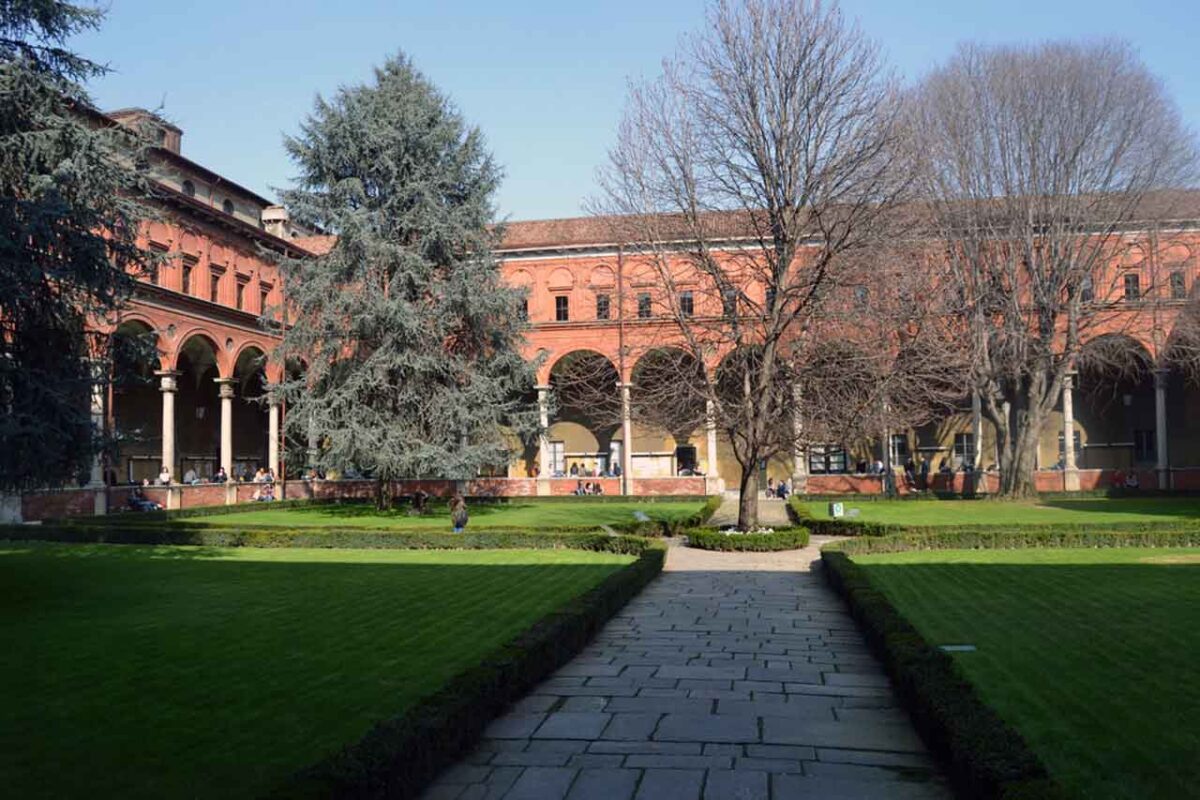
The Catholic University of the Sacred Heart (Università Cattolica del Sacro Cuore) is a renowned private university that holds a special meaning for me as it is my “Alma Mater”. Located near the Basilica of Sant’Ambrogio, this university is an ideal place to visit when exploring this part of the city.
Founded in the beautiful, historic Cistercian monastery of St. Ambrose Abbey, the university underwent a major reconstruction that lasted 20 years, ending in 1949. The campus architecture combines historical and modern elements, creating a unique academic environment.
During your visit, there are a few key features to note about the university. Two impressive cloisters, which bear witness to the rich history and tradition of the site, provide a peaceful and inspiring atmosphere. The Aula Magna, the main hall of the university, is the heart of academic life and often serves as the venue for important events and ceremonies.
The University Chapel is another must-see. It is a place of peace and reflection that contrasts with the hustle and bustle of city life in the Lombard capital. The crypt, used as a lecture hall, is a unique combination of historical architecture and modern educational functions.
When visiting the Catholic University of the Sacred Heart, you can feel the spirit of history and tradition that are vividly present in every corner of this unique place. It is not only an educational institution, but also an important part of the cultural heritage.
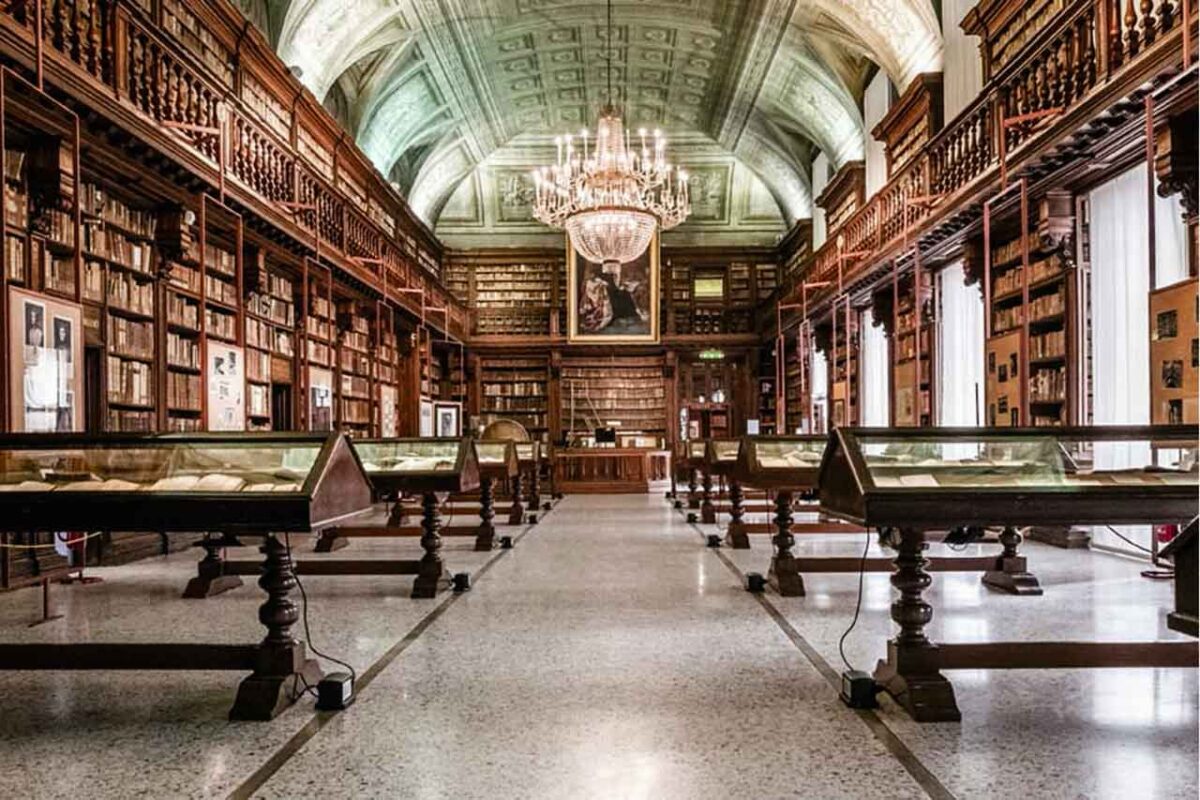
The Brera District and the Braidense National Library
The Brera district, known for its unique charm, is one of the most picturesque corners of Milan. Its narrow streets, full of suggestive alleys, interesting squares and small churches, create an atmosphere from another world. It is here, in the heart of this district, that the Braidense National Library is located, a real treasure for lovers of books and history.
Zbudowana w 1770 roku na życzenie Marii Teresy z Austrii, po rozwiązaniu zakonu jezuitów, biblioteka stała się domem dla najbogatszej kolekcji humanistycznej we Włoszech. Otwarta dla publiczności w 1786 roku, mieści się w XVII-wiecznym Palazzo di Brera , który dzieli z Pinakoteką Brera i Ogrodem Botanicznym Brera..
In 1880, the Braidense National Library was granted the status of “national library,” which officially entrusted it with the task of preserving the Italian publishing heritage. Although the Pinacoteca di Brera, which uses the corridors surrounding the library, is widely known, the library itself remains unjustly in the shadows, unknown to many residents. It is a place open to the public, especially students and researchers. To enter, all you need to do is show your ID and fill out a short form.
Dzielnica Brera sama w sobie jest atrakcją, oferującą nie tylko kulturalne doznania, ale i liczne sklepy, stragany z różnorodnymi przedmiotami oraz urocze restauracje i bary. Spacerując jej uliczkami, można poczuć się jakby się było w zupełnie innym mieście, pełnym historii i kultury. To idealne miejsce na spędzenie popołudnia, odkrywając bogactwo kulturalne Mediolanu.
The Baroque Charm of Guastalla Park: an Oasis of Silence
The Guastalla Park, located in the heart of Milan, is the perfect place for those looking for a break from the hustle and bustle of the city. Located opposite the University of the Studi, between Via Francesco Sforza and Via San Barnaba, this park is a true haven of peace.
Its main attraction is the stylish Baroque fish pool, which was built on the site of a former pond. This pool, with two elegant terraces, stairs and balustrades decorated with white granite, is not only a beautiful architectural element, but also a place where you can stop for a moment and admire the peaceful atmosphere of the park.
Guastalla Park, although smaller than Sempione Park, offers a unique experience. Its quiet paths, carefully maintained green spaces and classic architecture create the perfect backdrop for a relaxing walk or a short break from the hustle and bustle of the city. It is a place where you can find a moment of peace, read a book or simply enjoy the beauty of nature in the heart of the concrete jungle.

Quadrilatero della Moda and Quadrilatero del Silenzio.
The Fashion Quadrilateral, also known as the Quadrilatero della Moda, is one of the most prestigious places in the world for lovers of luxury fashion and shopping. Bounded by the streets Via Monte Napoleone, Via Manzoni, Via della Spiga and Corso Venezia, it is the place that is most vibrant during the famous Milan Fashion Week.
Via Monte Napoleone, the heart of this district, offers shops and showrooms of world-class brands such as Alberta Ferretti, Armani, Valentino, Salvatore Ferragamo, as well as luxury jewelers such as Damiani, Bulgari, Cartier and Swatch. In the nearby, pedestrianised streets, you can find boutiques of other famous fashion designers. This part of the city is always full of energy, people and a certain hustle and bustle, being a magnet for lovers of fashion and luxury.
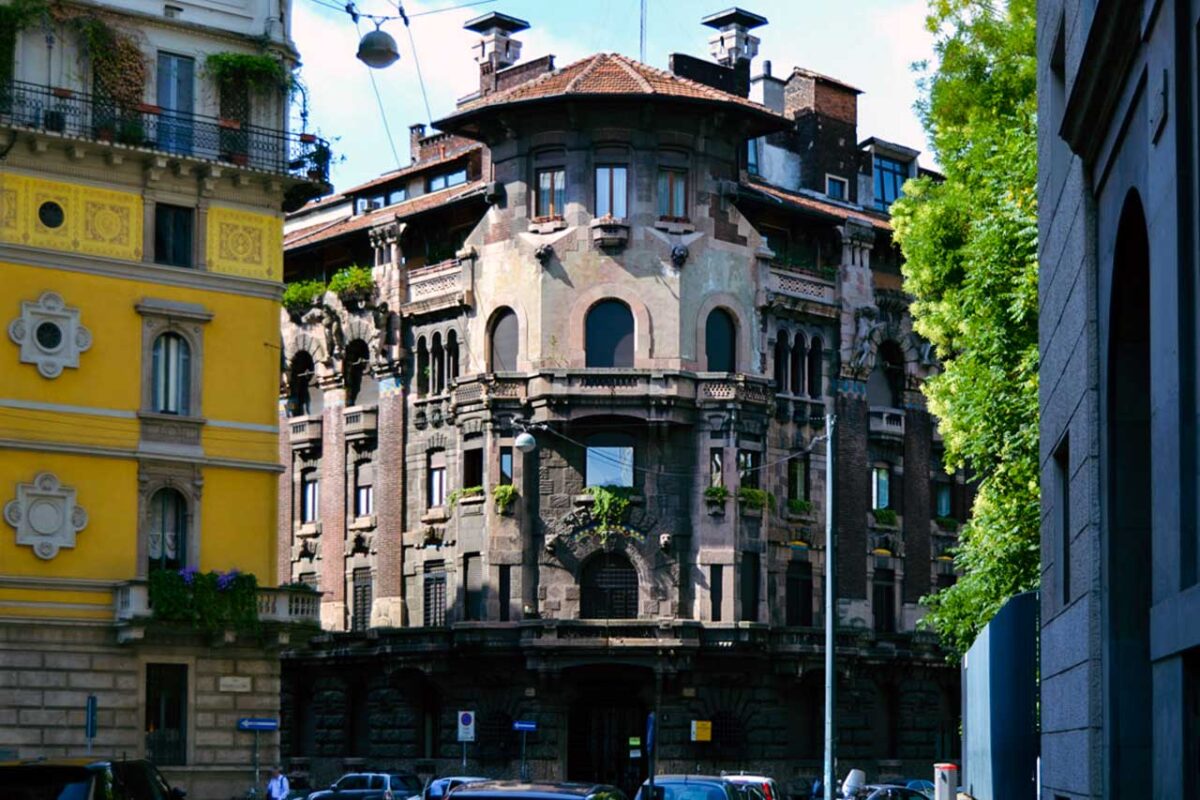
The Quadrilatero del Silenzio, on the other side of Corso Venezia, has a completely different character. It is a quieter, more secluded part of the city, where you can admire elegant villas and apartment buildings, surrounded by beautiful gardens and quiet streets. It is the perfect place for those looking for a moment of respite from the hustle and bustle of city life, while still being in the center.
Among the must-see stops in this district are Piazza Eleonora Duse with its sequence of Liberty palaces such as Casa Berri Meregalli, Villa Invernizzi with its lush garden and pink flamingos, and Palazzo Fidia.
Also a short distance away is Villa Necchi Campiglio, a magnificent example of the Deco style, a typical residence of the Milanese industrial bourgeoisie, immersed in a vast park with the first private swimming pool built in the city.
Quadrilatero del Silenzio is an oasis of peace and elegance, offering a unique experience away from the hustle and bustle of the city.
Quadrilatero della Moda (Fashion Quadrilateral)
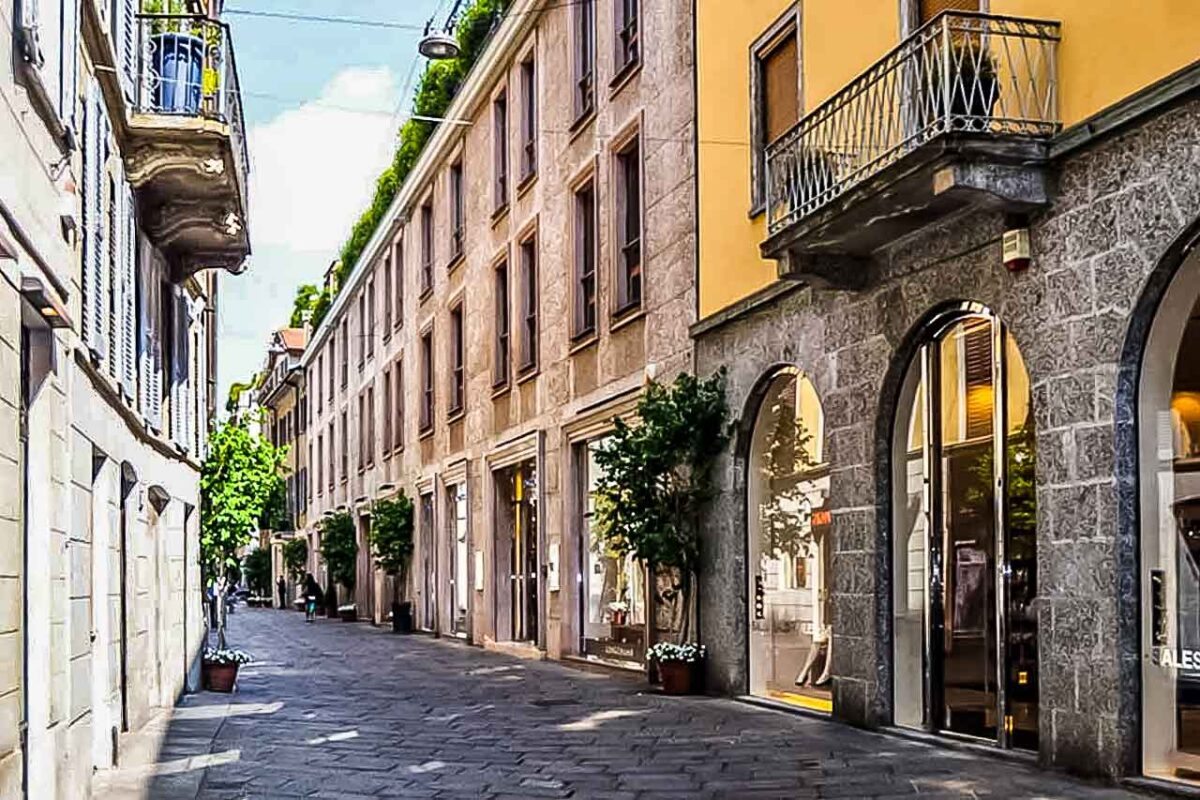
Quadrilatero della Moda is where Milan shows its most luxurious side. If you love fashion, this district is a must-visit. Strolling down Via Montenapoleone, Via della Spiga, or Via Sant’Andrea, you’ll encounter storefronts of the world’s top fashion houses – from Prada and Gucci to Armani. It’s a corner of Milan where everything sparkles, and the air is filled with the scent of novelty and elegance.
Quadrilatero della Moda isn’t just about stores and expensive brands. Here, you can feel the “Milanese vibe” – narrow streets, beautiful townhouses, and people who look like they’ve just stepped off a fashion show. Even if you don’t plan to buy anything, it’s worth walking through and seeing what this center of fashion and luxury looks like.
The Church of San Bernardino alle Ossa and the mysterious Chapel of Bones
Kościół San Bernardino alle Ossa w Mediolanie to jedno z najbardziej niezwykłych i tajemniczych miejsc w mieście. Zbudowany w 1269 roku, kościół ten jest znany przede wszystkim ze swojej unikalnej kaplicy, której ściany wyłożone są ludzkimi kośćmi i czaszkami. Ta niezwykła dekoracja jest wynikiem praktyki przechowywania szczątków ludzkich w kościele, co było powszechne w tamtych czasach.
In 1695, the artist Sebastiano Ricci enriched the interior of the church with numerous frescoes that decorated the vault, adding even more character and depth to the place. The chapel, the main attraction of the church, is reached through a narrow corridor, located just off the entrance on the right.
The bones and skulls that can be seen in the chapel come from a nearby ancient ossuary. In 1652, after the closure of the local hospital and the related exhumation of the cemetery, additional remains were added to the chapel. This unusual and somewhat macabre decoration makes the Church of San Bernardino alle Ossa one of the most unforgettable and unique places that attracts both tourists and lovers of history and art.

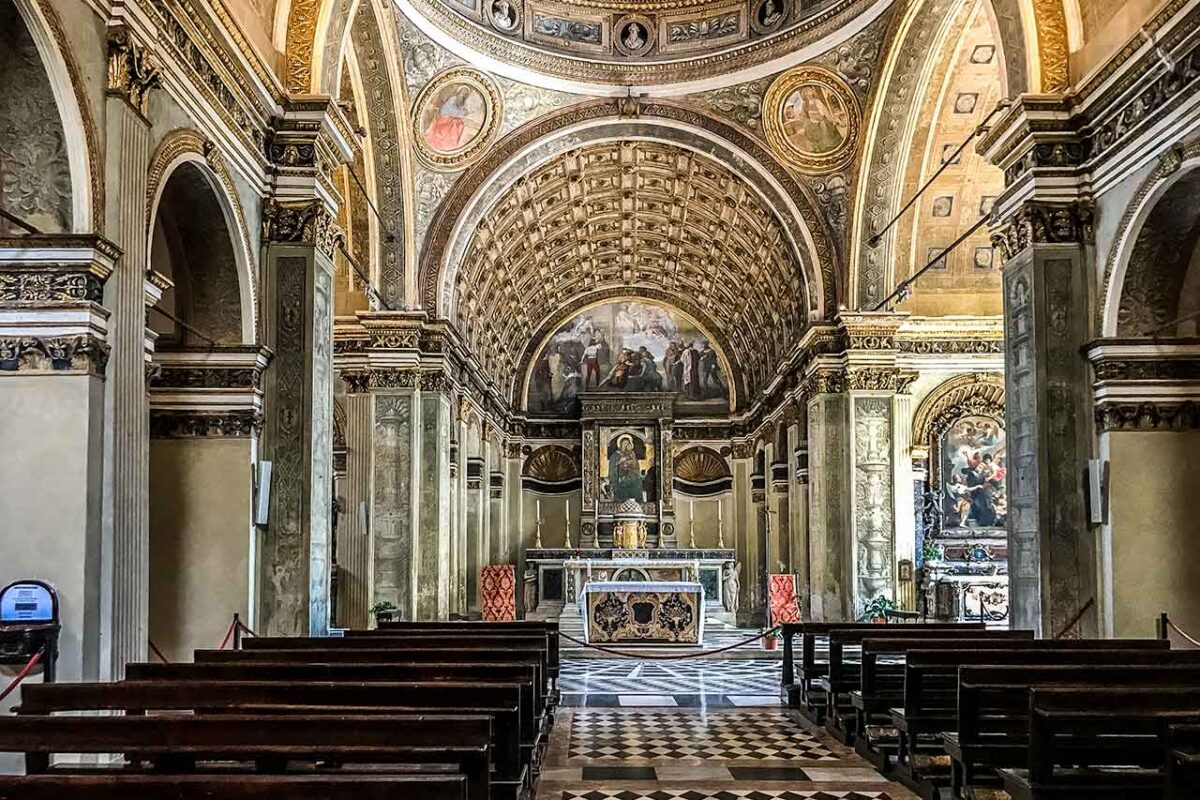
The Church of Santa Maria presso San Satiro a hidden monument on via Torino
Kościół Santa Maria presso San Satiro, zbudowany pod koniec XV wieku, jest jednym z najbardziej znaczących przykładów renesansowej architektury w Mediolanie. Jego projektant, Donato Bramante, wykazał się niezwykłą kreatywnością, tworząc słynną iluzję optyczną “fałszywej apsydy” lub “wyobrażonego prezbiterium”. Ta iluzoryczna perspektywa, mająca zaledwie 97 centymetrów głębokości, została zaprojektowana, aby zastąpić rzeczywistą apsydę, której budowa była niemożliwa z powodu ulicy biegnącej bezpośrednio za kościołem.
The interior of the church, although modest in size, seems much larger thanks to this intricately designed illusion. There are three niches on each side wall, and two on the back wall, with a centrally placed painting of the Virgin Mary on a throne with the Child. This painting of the Virgin Mary is surrounded by a special cult, because according to legend, in the 13th century it was supposed to bleed after being struck with a dagger by a young vandal. This event contributed to the growth of the church’s importance as a place of worship and pilgrimage.
The church of Santa Maria presso San Satiro, with its unique optical illusion and rich history, is one of those lesser-known but incredibly fascinating monuments that is definitely worth a visit when you are in the city.
Vicolo dei Lavandai: a witness to the history of everyday life
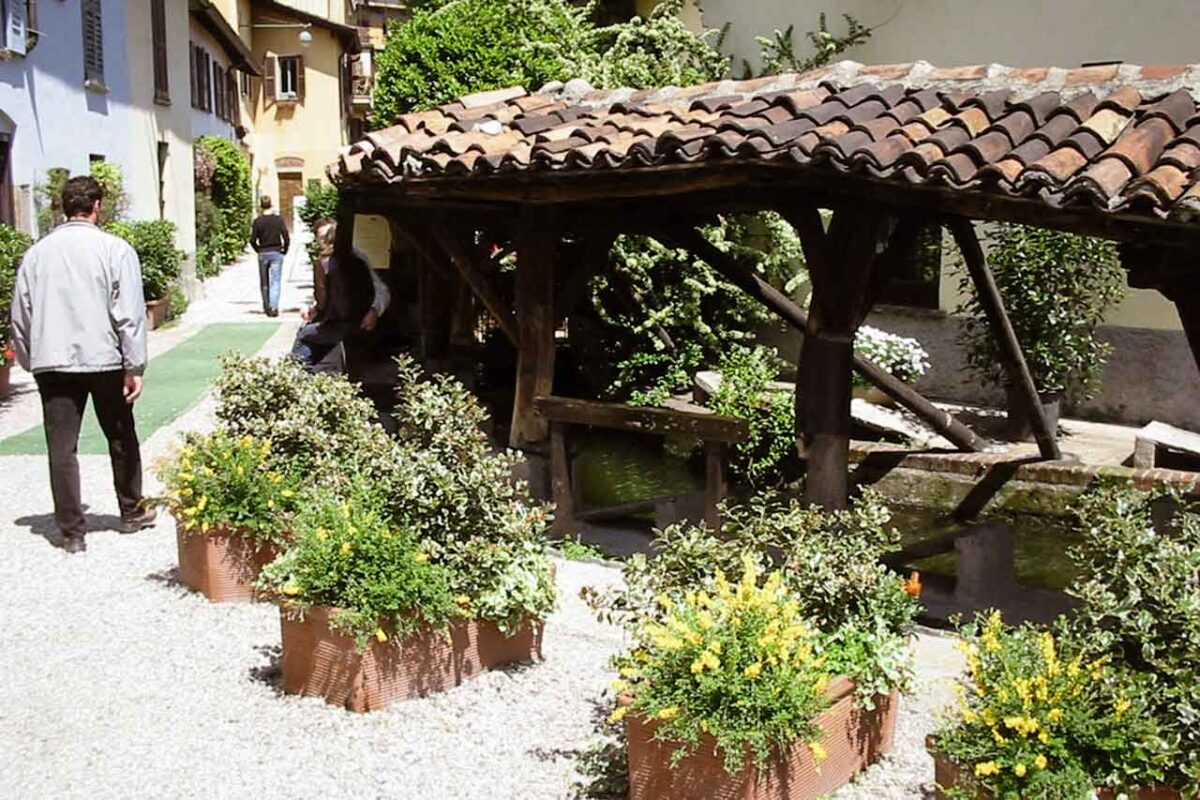
Vicolo dei Lavandai, czyli Zaułek Praczy, to malownicze i historyczne miejsce, ukryte w dzielnicy Navigli w Mediolanie. Jego nazwa pochodzi od tradycyjnej pralni na wolnym powietrzu, która była aktywnie używana przez kobiety do prania ubrań aż do końca lat 50. XX wieku. To miejsce, choć niewielkie, jest znaczącym świadkiem codziennego życia i kultury minionych czasów.
The alley still retains its original early 20th-century spin dryer, a valuable historical and cultural asset. This preserved laundry infrastructure is a unique record of past customs and ways of life, offering a glimpse into the city’s past that often escapes the notice of even its residents.
Visiting Vicolo dei Lavandai, you can feel the atmosphere of old Milan, with its simplicity and authenticity. It is the perfect place for those who want to escape the hustle and bustle of the modern city and immerse themselves in a quieter, more reflective environment. Walking through its narrow streets, you can experience the unique combination of history and charm that make this place a unique corner of Milan.
Foro Romano: Underground Treasures of Ancient Mediolanum
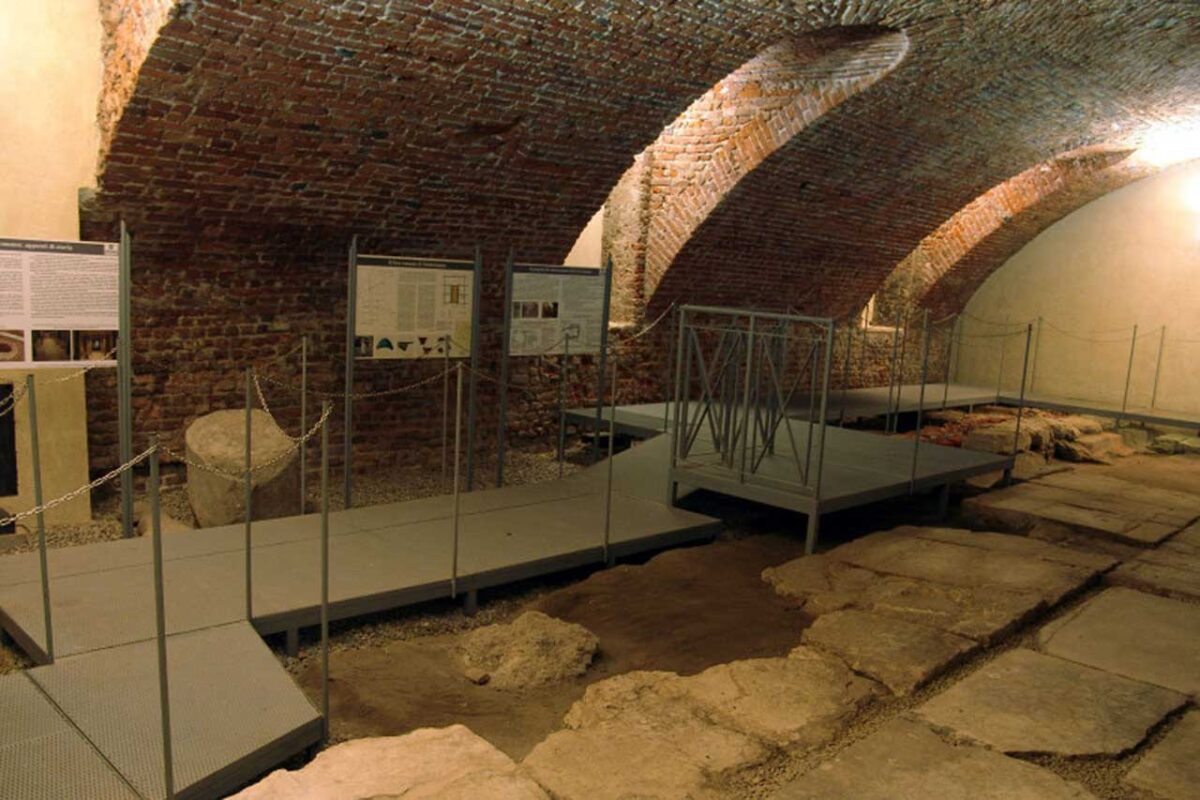
Beneath the surface of modern Milan lies the Foro Romano, the ancient main square of the former Mediolanum, the name Milan bore during the Republican era. The Forum, measuring an impressive 160 metres long and 100 wide, is currently only open to the public in selected sections. These fascinating underground areas can be explored within the Ambrosian Library and the Church of San Sepolcro. The Church of San Sepolcro in particular, recently reopened to the public after a major renovation, offers a unique opportunity to immerse yourself in the history of the ancient city.
Although the area of the Foro Romano that is accessible to visitors is limited, it is nevertheless a valuable window into Milan’s past. Visitors can buy a regular ticket, and an additional advantage is the typically Roman aperitifs organized in the basement, which combine the discovery of history with local culinary traditions. This unique combination makes the Foro Romano a fascinating place to visit when in the city.


I lived in Milan for 18 years, and it was there that I came to know the city’s daily life best - not just its landmarks, but also its rhythm, its habits, and its less obvious sides. Today I live in Wrocław, but I still return to Milan regularly.