


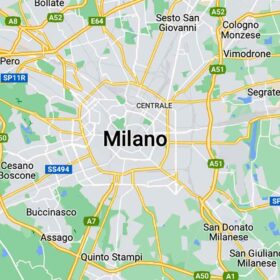
 The Geographic Location of Milan – A Strategic Spot in the Heart of Europe
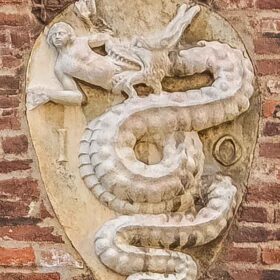 Milan’s coat of arms
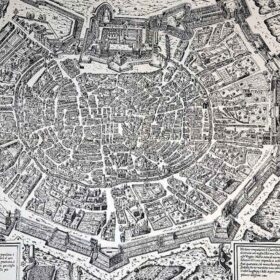 History of Milan
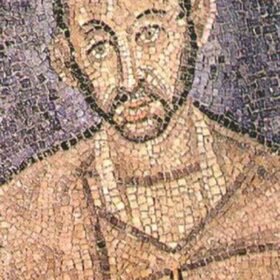 Saint Ambrose
 History of Panettone
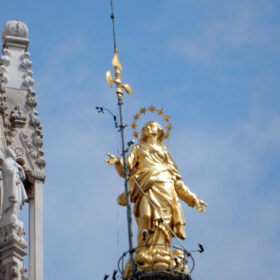 Madonnina
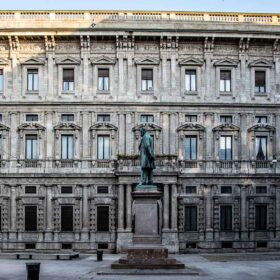 City Hall
 Milanese cuisine


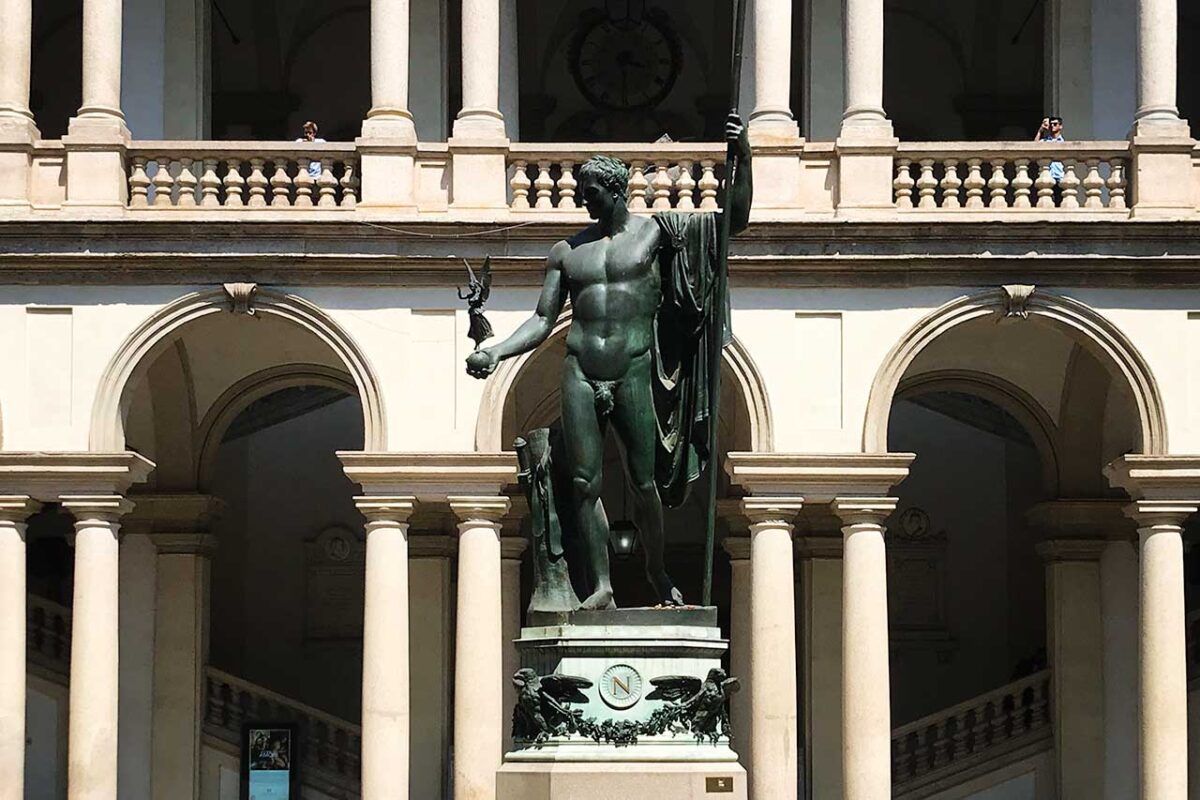
Pinacoteca Brera – one of the most important art galleries in Europe
The Pinacoteca Brera, known in Italy as “Pinacoteca di Brera,” is one of the most renowned art galleries in Europe, located in the historic heart of Milan— in the Brera district. This extraordinary gallery not only houses works by great masters of painting but also weaves a fascinating narrative about Italian culture and art.
Within these grand walls, you will discover a collection that has captivated art lovers from around the world for centuries. Each painting you see here has its own unique story. You will have the opportunity to stand face to face with the works of the greatest masters, from Caravaggio to Raphael. Their canvases not only astonish but also offer a deeper understanding of the times in which they were created.
If you decide to visit this place, prepare for a journey through centuries of Italian art that has shaped the culture of Italy and influenced the entire European artistic tradition.
History of the Pinacoteca Brera – From Napoleon’s Establishment to the Center of Italian Art
It all began in 1809 when Napoleon decided to create a public art gallery in the heart of Milan. The choice fell on a building on Via Brera, where works from territories conquered by France were to be displayed. Thus began the fascinating history of a place that eventually became one of the most important cultural institutions in Italy.
Initially, the gallery featured mainly religious works sourced from confiscated collections of churches and monasteries. Over the years, the collection systematically grew, incorporating paintings by artists from various eras and regions, creating an impressive overview of art history—from the Renaissance to contemporary times.
Why is the Pinacoteca Brera so special?
The unique collection of the Pinacoteca Brera impresses not only with the richness of its holdings but, above all, with the way the works are presented. In 38 gallery rooms, you can admire masterpieces arranged chronologically, telling the fascinating story of the development of European art.
Each room offers a new perspective on the evolution of styles and painting techniques, allowing visitors to trace the development of art from the Middle Ages to contemporary times.
Today, the gallery continues its mission as a center for art and education. Regularly organized exhibitions, workshops, and cultural events attract both Milanese locals and tourists from around the world.
Palazzo di Brera – Home of the Pinacoteca
Palazzo di Brera, which houses the Pinacoteca, is a building with a fascinating history dating back to the 14th century. Initially, it was a monastery for the Order of the Humiliati, later serving as a Jesuit college, and ultimately transforming into the center for art and culture that we know today.
As you stroll through the building, you’ll notice the remarkable blend of Renaissance and Neoclassical styles. In the 17th century, architect Francesco Maria Richini gave the building a austere yet dignified character. Later, in the 18th century, Giuseppe Piermarini made further modifications, creating the impressive entrance on Via Brera 28 and the monumental stairs that still lead visitors to the gallery today.
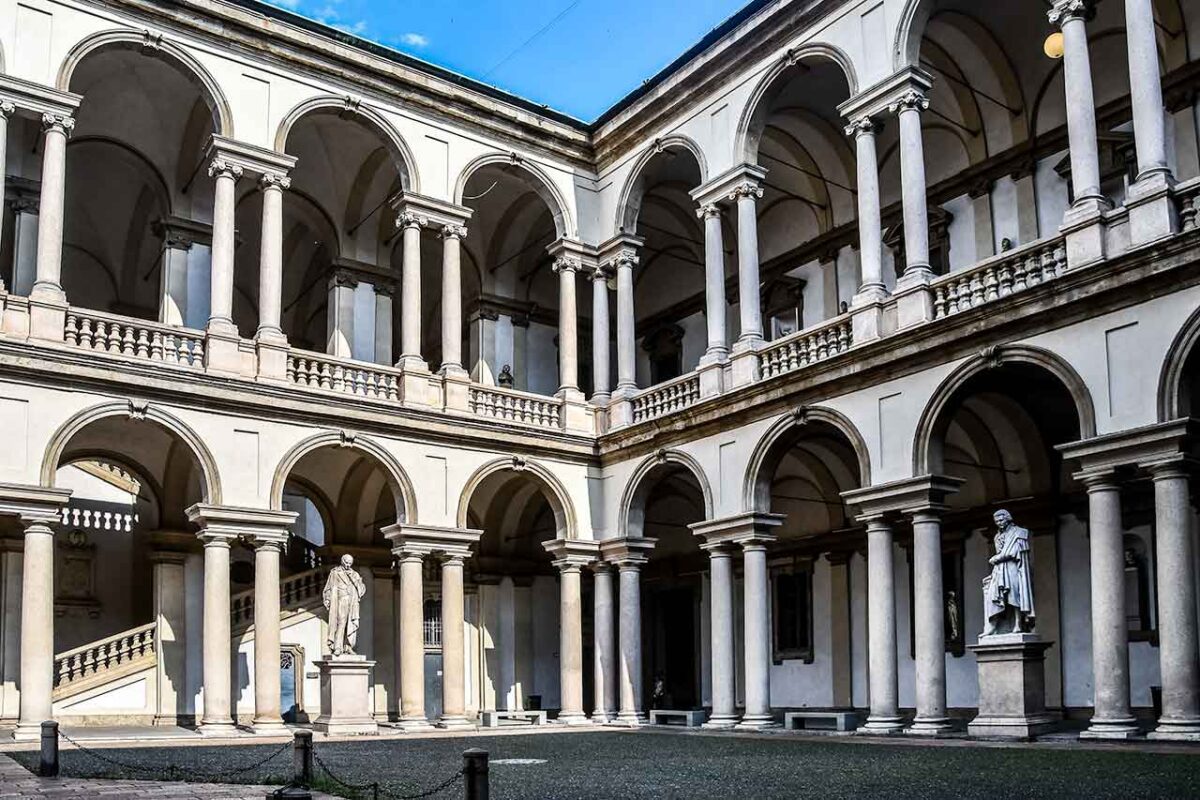
The building itself is a work of art and an important part of Milan’s architecture. Walking through its corridors, one can see how architectural styles have changed over the centuries.
Renaissance austerity intertwined with Neoclassical elegance creates an intriguing blend that reflects the rich history of this place.
If you think that only a museum is housed here, you’re mistaken. Palazzo Brera is more than just the Pinacoteca. Within its walls, you will also find other important institutions, such as the Academy of Fine Arts, the Braidense National Library, and the Astronomical Observatory.
Collection of the Pinacoteca Brera – Key Works and Their Artists
The Pinacoteca Brera in Milan is a true time capsule of European art. The collection spans from the Middle Ages to modernity, showcasing the diversity of painting schools. From mystical medieval images to Renaissance masterpieces and Baroque and modern works, the gallery offers a unique overview of art history. Here are just a few of them:
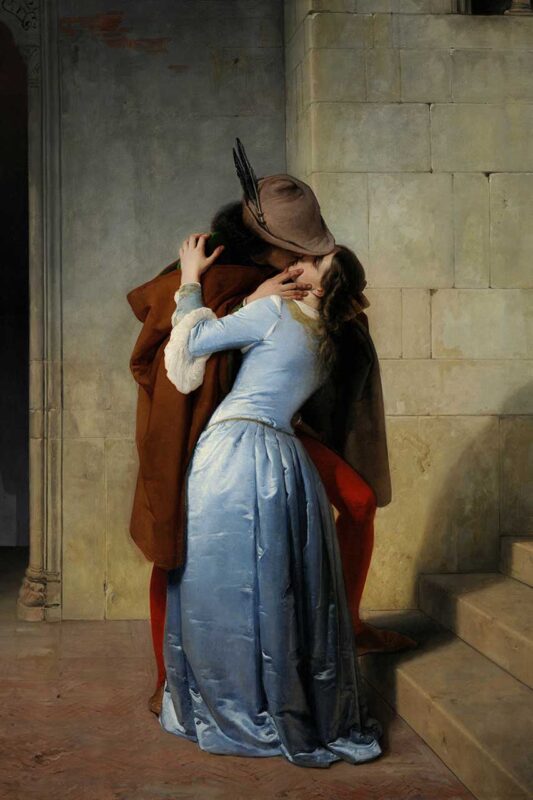
“Il Bacio” by Francesco Hayez – a Kiss that Made History
Hayez‘s “The Kiss” quickly became an icon of Romanticism and one of the most recognizable paintings in the Pinacoteca Brera. To this day, it captivates with its realistic details and the intensity of emotions it evokes in viewers.
However, this work also holds deep patriotic significance. Painted in 1859, shortly after the liberation of Milan from Austrian rule, it references the colors of the lovers’ attire, which correspond to the Italian flag, symbolizing the rebirth of Italy and hope for a better future.
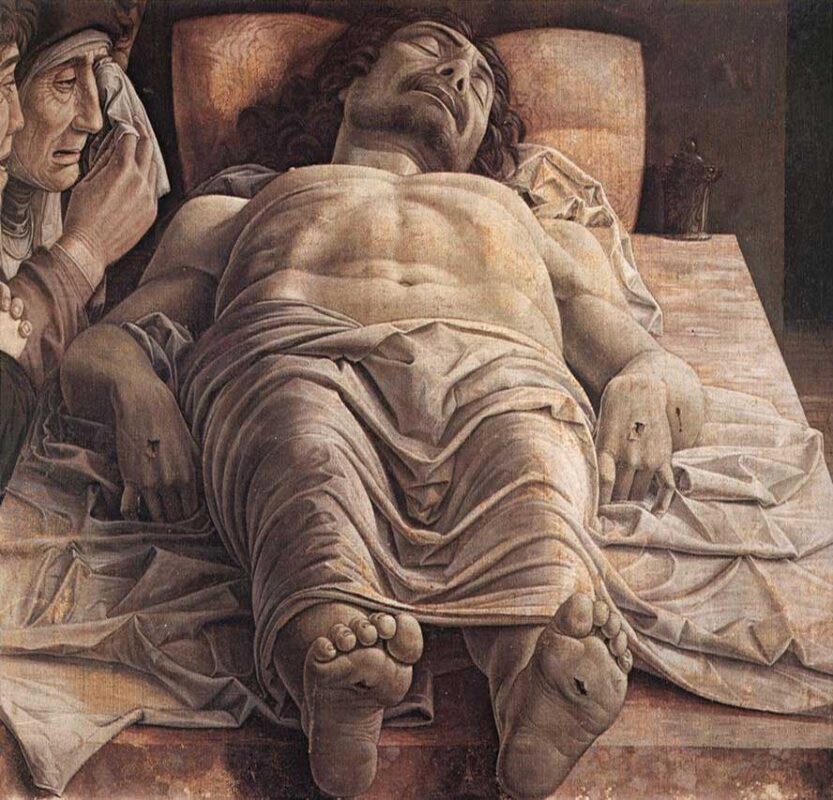
The Lamentation of Christ by Andrea Mantegna
The painting depicts the lifeless body of Christ surrounded by grieving loved ones. What makes this work stand out is the way the artist utilized perspective. When you look at the painting, you feel as if you are standing at the feet of the deceased, which adds an extraordinary sense of realism and emotional depth to the scene.
Mantegna created this masterpiece in the 1480s, and today it is regarded as one of the key paintings of the Renaissance. His innovative approach to perspective and the anatomy of the human body had a profound impact on the development of painting.
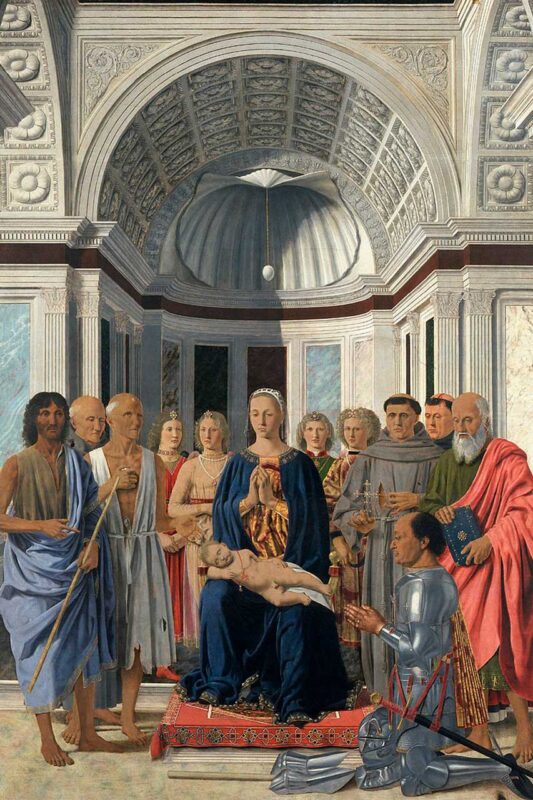
Madonna and Child Surrounded by Saints by Piero della Francesca
“Madonna and Child Surrounded by Saints” is an extraordinary work of art by Piero della Francesca, created during the Renaissance. The painting depicts the Virgin Mary holding the infant Jesus on her lap, surrounded by a group of holy figures.
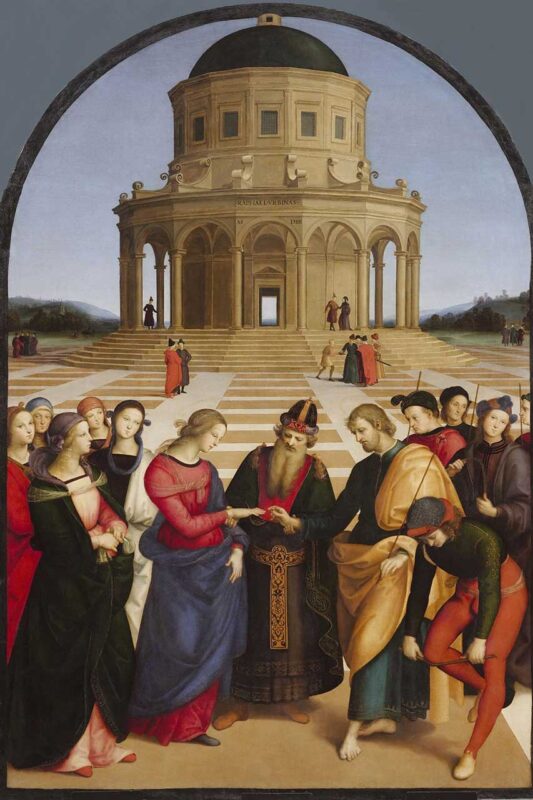
The Marriage of Mary and Joseph by Raphael (1504)
“The Marriage of Mary and Joseph,” created by the just 21-year-old Raphael in 1504, is now one of the most valuable paintings in the collection of the Pinacoteca Brera.
The painting depicts the wedding ceremony of Mary and Joseph, with a priest at the center and groups of figures on both sides. The background features an impressive Renaissance-style temple, and through the open doors, a gentle landscape is visible.
In addition to the aforementioned masterpieces, the Pinacoteca Brera houses many other outstanding works of art, such as the richly gilded… the Saint Luke Polyptych by Andrea Mantegna from the 15th century, The Sermon of Saint Mark by Gentile and Giovanni Bellini, the Pietà by Giovanni Bellini, Spring Pastures by Giovanni Segantini, Gazebo in the Garden by Silvestro Legi, numerous portraits by Amedeo Modigliani from 1915, and works by the futurist Umberto Boccioni, such as Fight in the Gallery from 1910.
Thoughtful Interior Arrangement of the Pinacoteca
As you stroll through the Pinacoteca Brera, you will immediately notice the care with which its interiors have been designed. The arrangement of the rooms is intentional—the galleries are laid out in a chronological and thematic order. It’s like a journey through the pages of art history, where each chapter is represented by a different room.
Educational and Conservation Activities
The Pinacoteca Brera has a restoration workshop dedicated to the conservation and protection of its collections. Experts work on restoring, conserving, and studying artworks using advanced techniques and technologies. The workshop also serves an educational purpose, organizing workshops, demonstrations, and lectures to help the public understand the processes of art conservation. Students, researchers, and art enthusiasts can deepen their knowledge of restoration techniques here.
The Pinacoteca Brera offers a wide range of educational programs, including workshops and courses available for various age groups and levels of knowledge. These educational initiatives aim to spread awareness of art and its conservation among a broad audience.
Visiting the Pinacoteca Brera: Practical Information about the Museum
Opening hours
The Pinacoteca Brera is open to the public during specific hours that may vary by season. Typically, it is open from Tuesday to Sunday, with closures on Mondays. It is advisable to check the current opening hours on the gallery’s official website before planning your visit.
Pinacoteca Brera: Tickets (Various Pricing Options)
Tickets can be purchased both online and on-site. Various ticket options are available, including standard, discounted, and group tickets. Free admission days are often organized, providing an excellent opportunity to visit the gallery.
Standard Tickets:
Discounts and Free Admission
School Groups
Free admission for:
Additional Services:
Special Offers:
Mandatory Reservation: A visit to the gallery requires prior booking of the date and time through the BreraBooking system. After completing the reservation process, you will receive a code to present at the museum entrance.
Punctuality: It is very important to arrive on time. If you arrive at a different time or are more than 15 minutes late, you will not be allowed to enter the museum.
Important: Groups can consist of a maximum of 23 people plus a guide, with entry every 30 minutes.
How to Get to the Pinacoteca Brera?
The Pinacoteca Brera is located in the heart of Milan, making it extremely easy to reach by public transport.
Walking from Piazza Duomo to the Pinacoteca di Brera
The Pinacoteca Brera is located about 1.2 kilometers from the Duomo Cathedral. The walk should take no more than 20 minutes.
Tips for Visiting the Pinacoteca Brera
Where to Rest During Your Visit?
Inside the gallery, there are areas where visitors can rest, including benches and relaxation zones. In the vicinity of the Pinacoteca Brera, there are also numerous cafes and restaurants that provide the perfect spot for a coffee and to enjoy local cuisine.
How to Best Explore
It’s advisable to take advantage of available audio guides or join a guided tour. This is a great way to gain a better understanding of the history and significance of the artworks on display. Additionally, it’s recommended to start your visit with the oldest collections, gradually moving on to the more contemporary exhibits.
Special Exhibitions and Events
The Pinacoteca Brera regularly organizes special exhibitions and events, providing an excellent opportunity to see unique works and participate in the cultural life of Milan. Checking the events calendar on the gallery’s website can help in planning your visit.
Conclusion
The Pinacoteca di Brera in Milan is a true treasure trove of art, where you can admire masterpieces from the Renaissance to contemporary times. Each room tells a different story, inviting reflection on human genius and creativity.
If you find yourself in Milan and love art, be sure to make time for a visit to the Pinacoteca. This experience will linger in your memory and help you gain a deeper understanding of the rich and diverse history of art.


I lived in Milan for 18 years, and it was there that I came to know the city’s daily life best - not just its landmarks, but also its rhythm, its habits, and its less obvious sides. Today I live in Wrocław, but I still return to Milan regularly.