


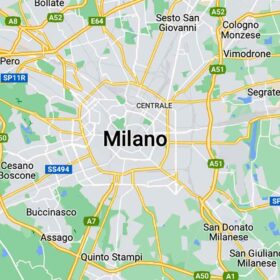
 The Geographic Location of Milan – A Strategic Spot in the Heart of Europe
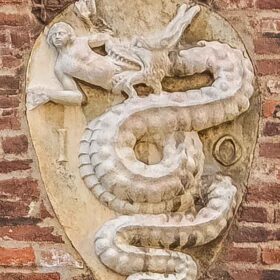 Milan’s coat of arms
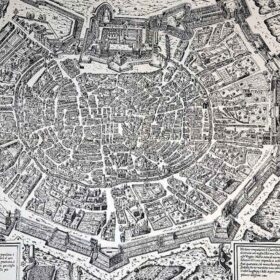 History of Milan
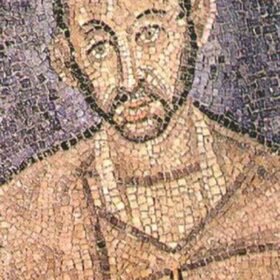 Saint Ambrose
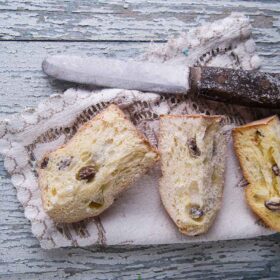 History of Panettone
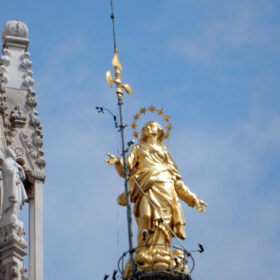 Madonnina
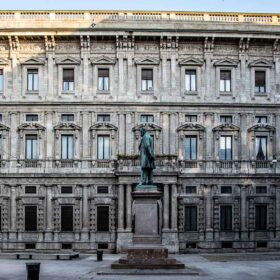 City Hall
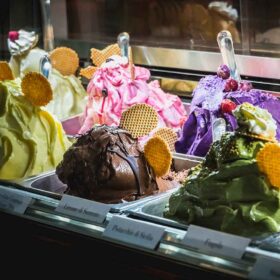 Milanese cuisine


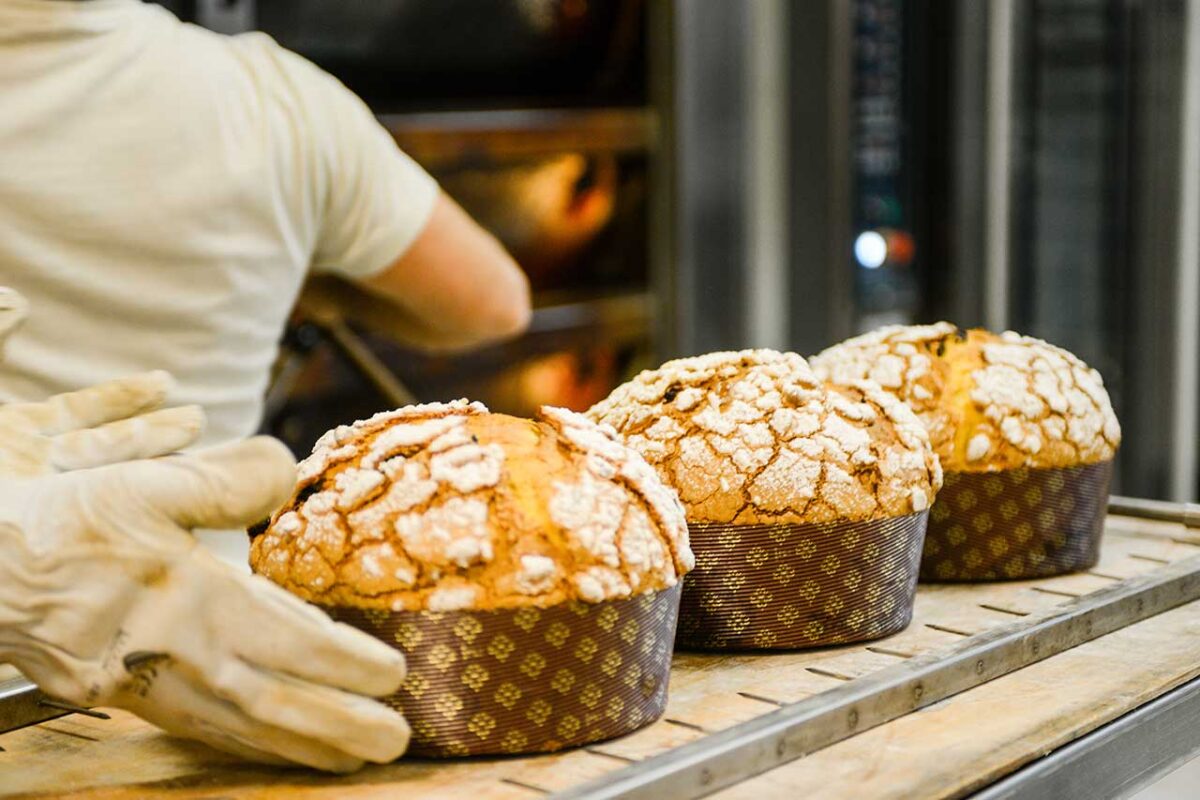
Panettone – the Christmas cake of the Milanese
In December, Milan smells of butter, vanilla, and candied fruit. This is exactly when panettone returns to the forefront – a baked treat that grew from a local holiday tradition into one of the most recognizable symbols of the Italian Christmas season.
Every city has its own culinary trademarks, but panettone holds a special place in Milan. During the holiday season, people share it at the table, give it as a gift, and buy it with great care, often from the same pastry shops they have been visiting for years. Panettone is not simply a dessert. Behind this cake are history, local memory, and several legends that locals still like to repeat today.
The medieval roots of panettone

Although today panettone is associated above all with a tall, light cake full of raisins and candied fruit, its beginnings were much more modest. Everything suggests that it comes from a festive bread baked in Milan for special occasions.
One of the most frequently cited theories says that the name comes from the term pan de tono, meaning a better kind of bread, more festive and richer than the one eaten every day.
In the 15th century, ordinary people mainly ate dark bread, while during the Christmas season bakers were also allowed to prepare white wheat loaves. Over time, this festive bread began to be enriched with butter, sugar, and dried fruit. That was when it gradually started to turn into the baked treat we know today as panettone.
The legend of Toni
The best-known story about the origin of panettone takes us to the court of Ludovico il Moro. According to the legend, during an elaborate Christmas Eve dinner, the dessert prepared for the feast simply failed. Panic broke out in the kitchen, because no one wanted to take responsibility for such a disaster.
At that point, an assistant named Toni supposedly offered his own baked creation made from bread dough enriched with eggs, sugar, and raisins. The guests liked it so much that the duke asked who had prepared it. When he heard that it was Toni’s bread, he supposedly called it el pan del Toni. Over time, the name was said to have been shortened to panettone. It is hard to say how much of this is true, but this is the version that became most deeply rooted in Milanese tradition.
Ughetto and Adalgisa
There is also a second legend, more romantic and clearly less courtly. Its hero is Ughetto degli Atellani, a young nobleman in love with Adalgisa, the daughter of a poor baker. The girl’s father was having financial problems, so Ughetto decided to help him and started working in the bakery.
According to this story, it was he who came up with the idea of enriching the bread with butter, sugar, raisins, and candied fruit. The new baked good was a success, the bakery got back on its feet, and the story also ended happily for the lovers. This is, of course, more legend than historical fact, but it shows well how strongly panettone became linked in Milan not only with the holidays, but also with the city’s imagination.
Sister Unghetta and the sign of the cross
The third story is less well known today, but it is also interesting. According to it, panettone was born in a convent, where the nuns were preparing for a very modest Christmas. One of them, Sister Unghetta, decided to add a few eggs and some sugar to a simple dough to lift the holiday mood at least a little.
Before placing the dough in the oven, she made the sign of the cross on top of it. According to the legend, this gesture is what gave rise to the characteristic crack on top of traditional panettone. It is hard to take this story literally today, but it does show that even the appearance of this cake has inspired its own stories.
How panettone became a modern classic
For a long time, panettone did not yet resemble the tall, fluffy cake seen today in pastry shops and on holiday tables. It was lower, denser, and closer to a rich bread than to a dessert in the modern sense.
The real breakthrough did not come until the beginning of the 20th century. In 1919, Angelo Motta changed the production method by introducing a paper mold and a long process of repeated rising. Thanks to this, panettone became taller, lighter, and airier. Soon afterward, Gioacchino Alemagna developed his own version of the recipe, and the rivalry between the two brands made panettone stop being just a local specialty of Milan and begin reaching homes all over Italy.
Panettone or pandoro?
In Italy, this topic comes back every year before the holidays. For some people, Christmas does not really exist without panettone; for others, only pandoro matters.
Panettone comes from Milan and is associated with sourdough, candied fruit, raisins, and candied citrus peel. Pandoro comes from Verona, is more buttery, more delicate, and has no additions inside. In practice, the choice between them is a matter of taste, but it can also be a matter of regional attachment. In Milan, the answer is usually fairly predictable.
How to recognize real panettone
Not every cake sold in winter under the name panettone actually follows the traditional recipe. In Italy, there are rules defining what such a baked product should contain. Real panettone should include natural sourdough, butter, raisins, and candied citrus peel.
Good panettone is light, springy, and has an irregular crumb structure. It should not smell artificial or feel weighed down by flavorings and additives. If vegetable fats dominate the ingredient list instead of butter, and the taste seems too chemical, it usually means you are dealing with an industrial product that only imitates the traditional baked good.
The tradition of Saint Blaise
In Milan, the story of panettone does not end with Christmas. This cake is also tied to a local custom connected with Saint Blaise’s Day, celebrated on February 3. In many homes, a piece of panettone is kept specifically until that day.
This is accompanied by a saying in the Milanese dialect, according to which eating the leftover cake on Saint Blaise’s Day is supposed to protect against a sore throat and bring health in the coming months.
It may seem like a small thing, but customs like this are exactly what show that in Milan, panettone is something more than just a holiday dessert.


I lived in Milan for 18 years, and it was there that I came to know the city’s daily life best - not just its landmarks, but also its rhythm, its habits, and its less obvious sides. Today I live in Wrocław, but I still return to Milan regularly.