


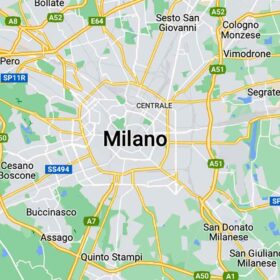
 The Geographic Location of Milan – A Strategic Spot in the Heart of Europe
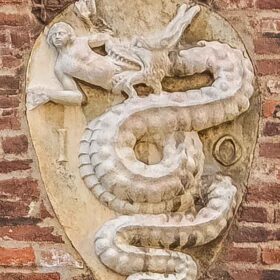 Milan’s coat of arms
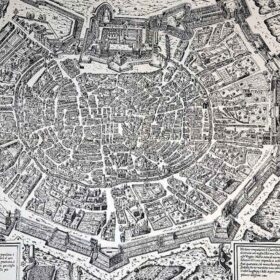 History of Milan
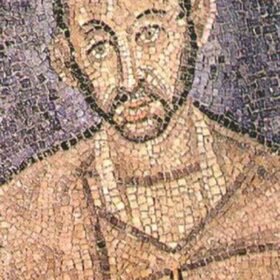 Saint Ambrose
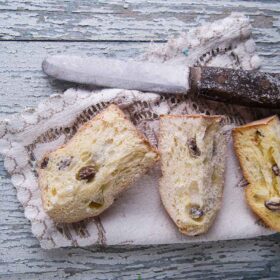 History of Panettone
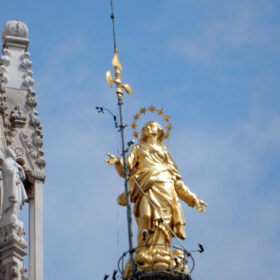 Madonnina
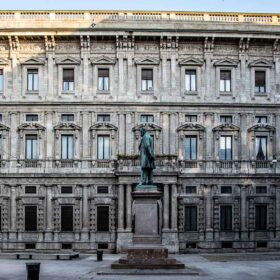 City Hall
 Milanese cuisine


Porta Venezia – Eastern Gate
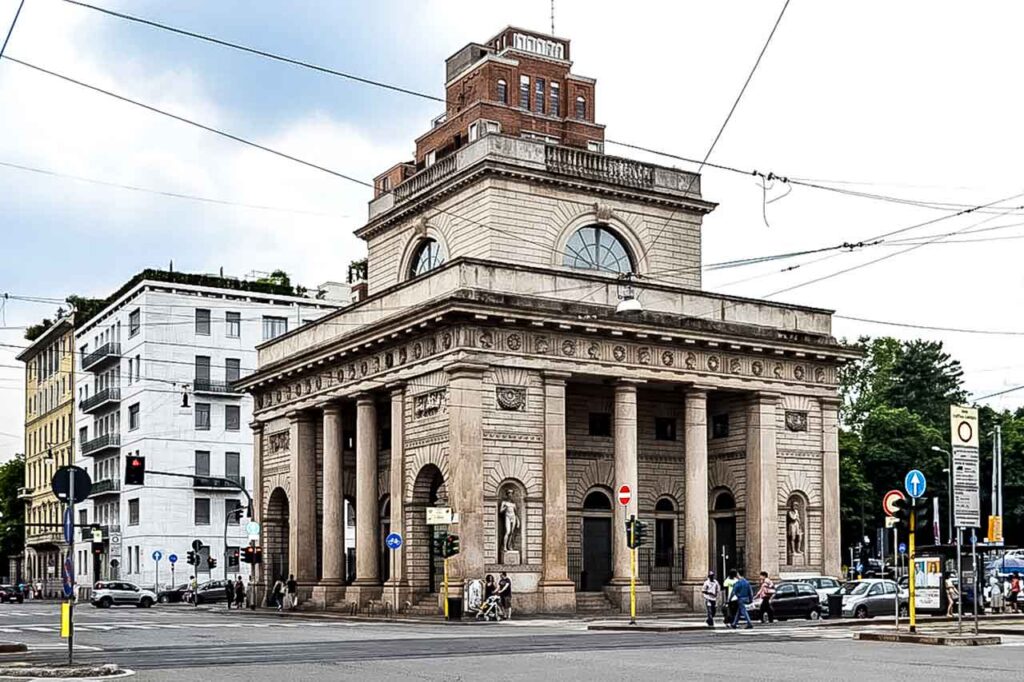
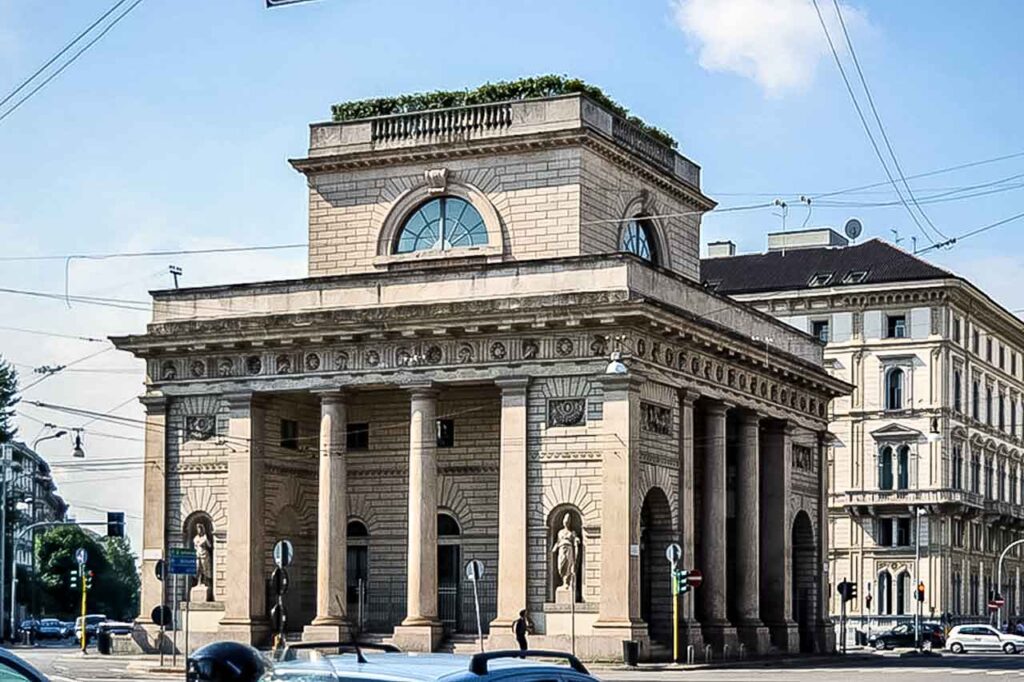
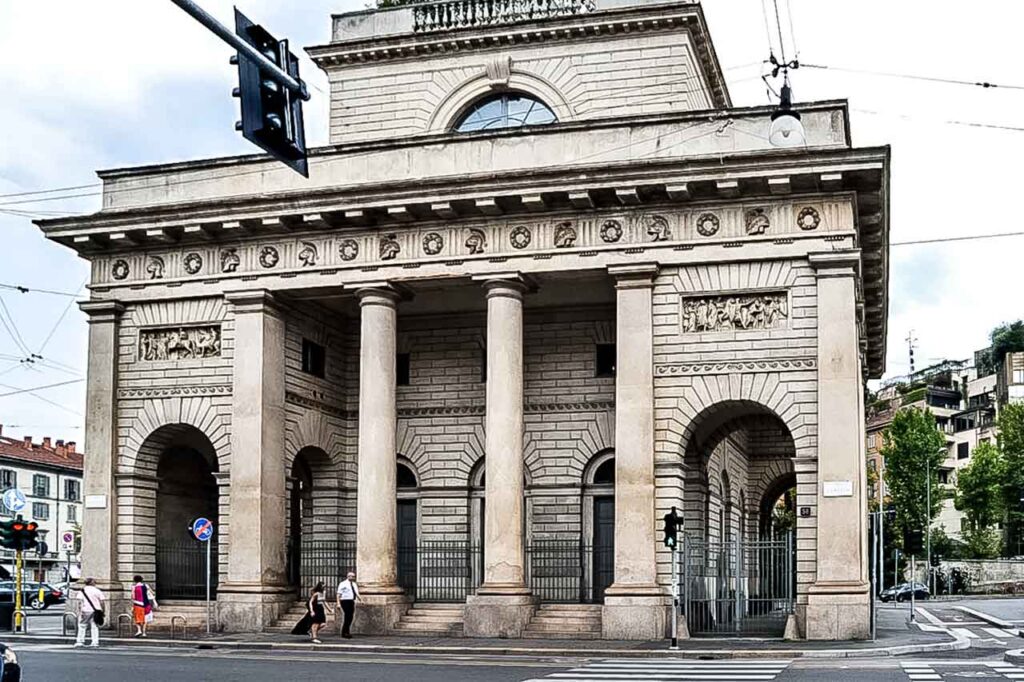
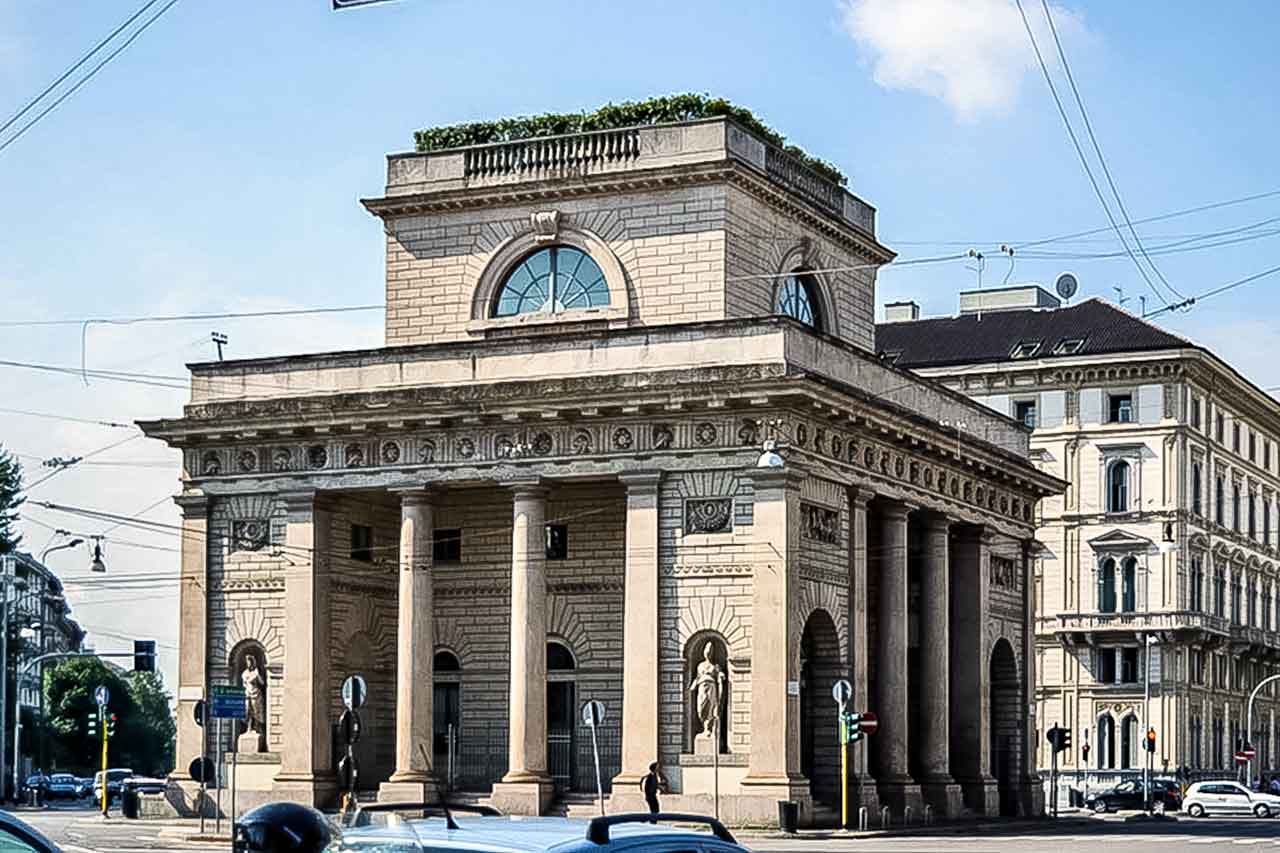
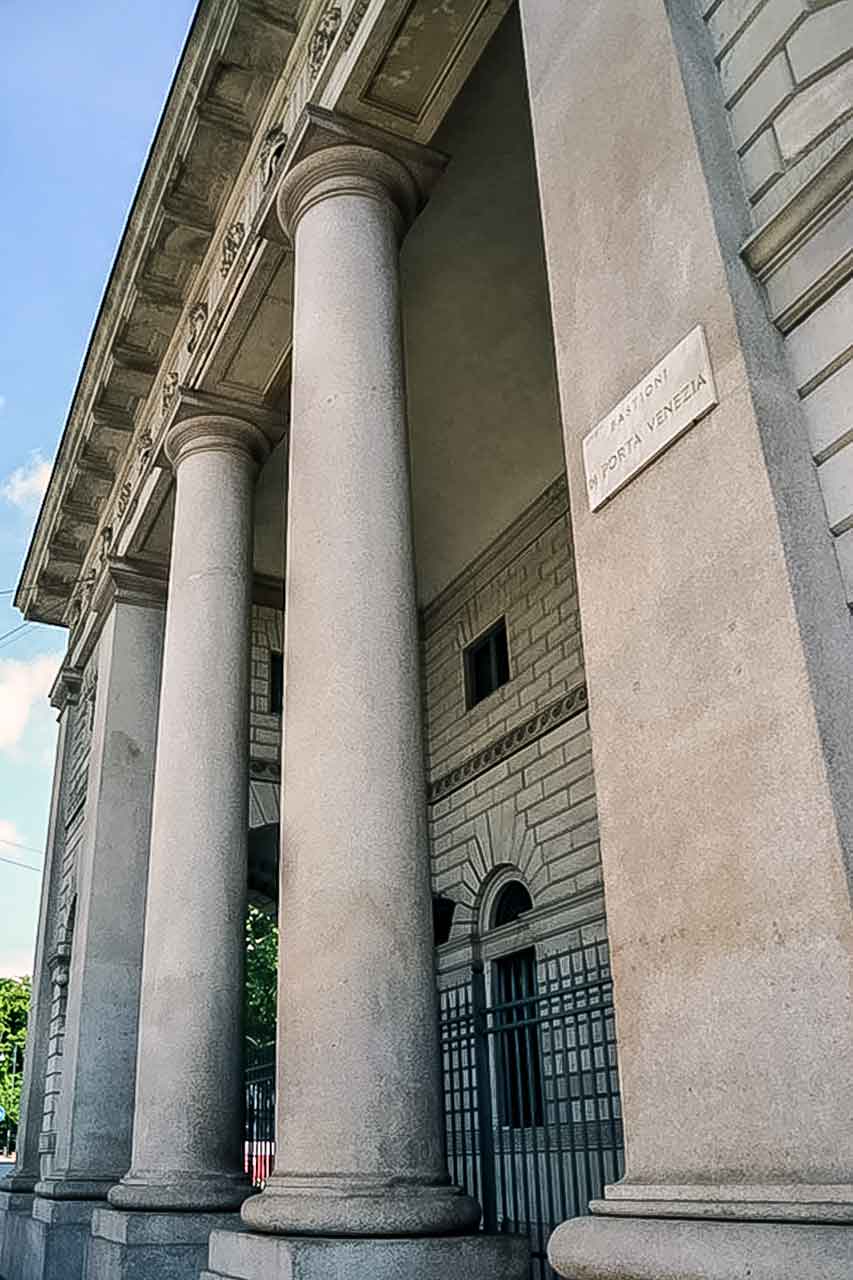
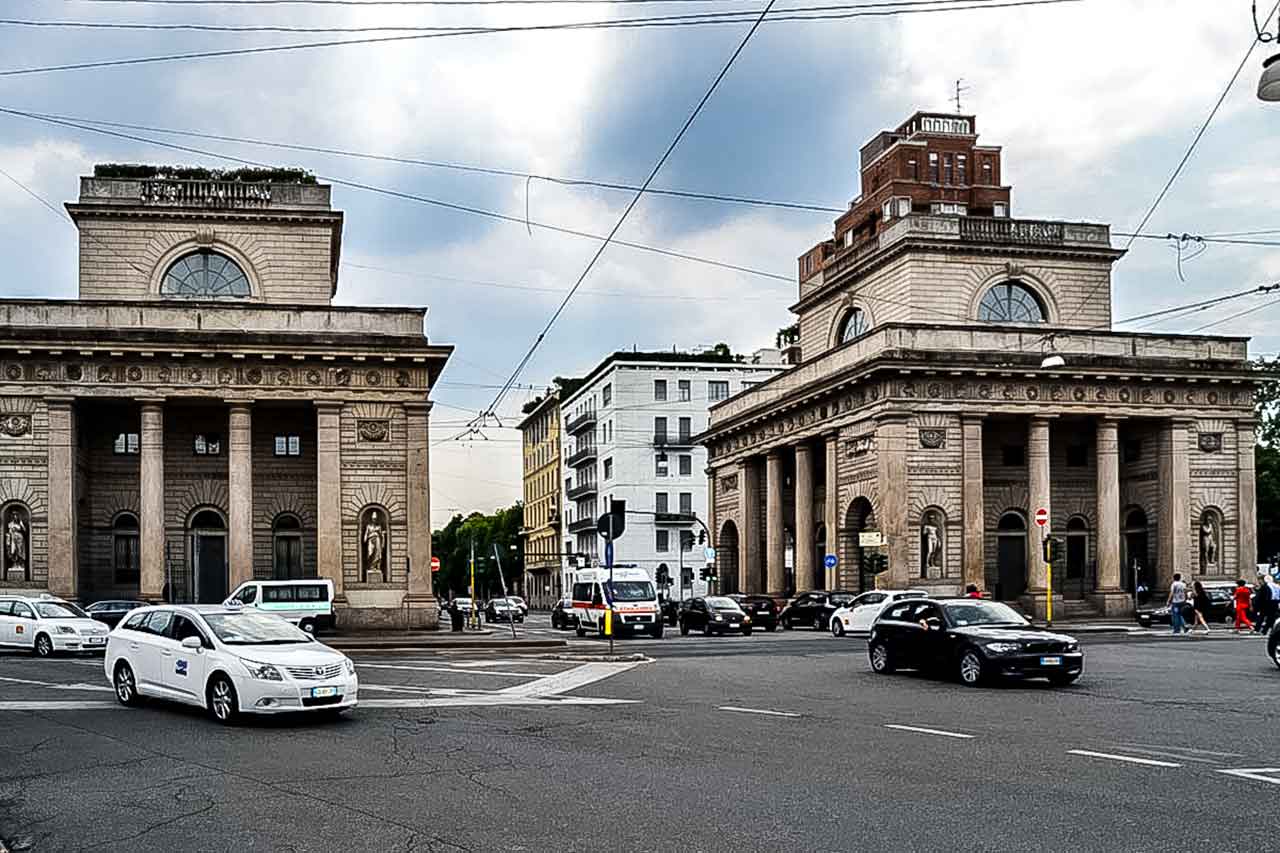
Porta Venezia today are two buildings standing in Oberdan Square. Walking from piazza San Babila towards Corso Buenos Aires, at the end of Corso Venezia you will find right in front of the Porta Orientale.
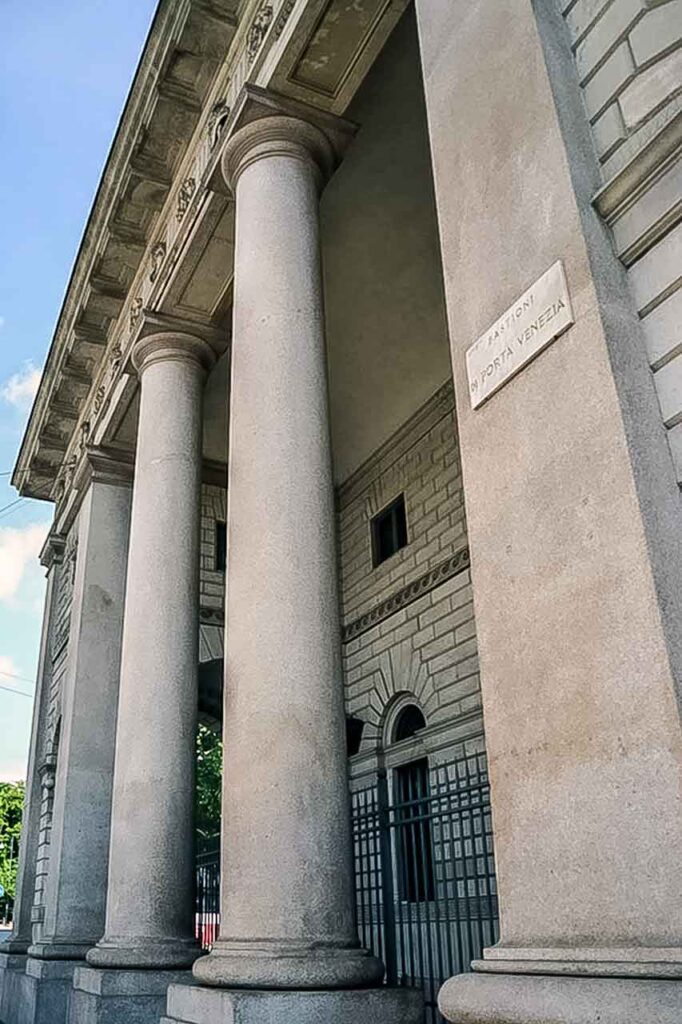
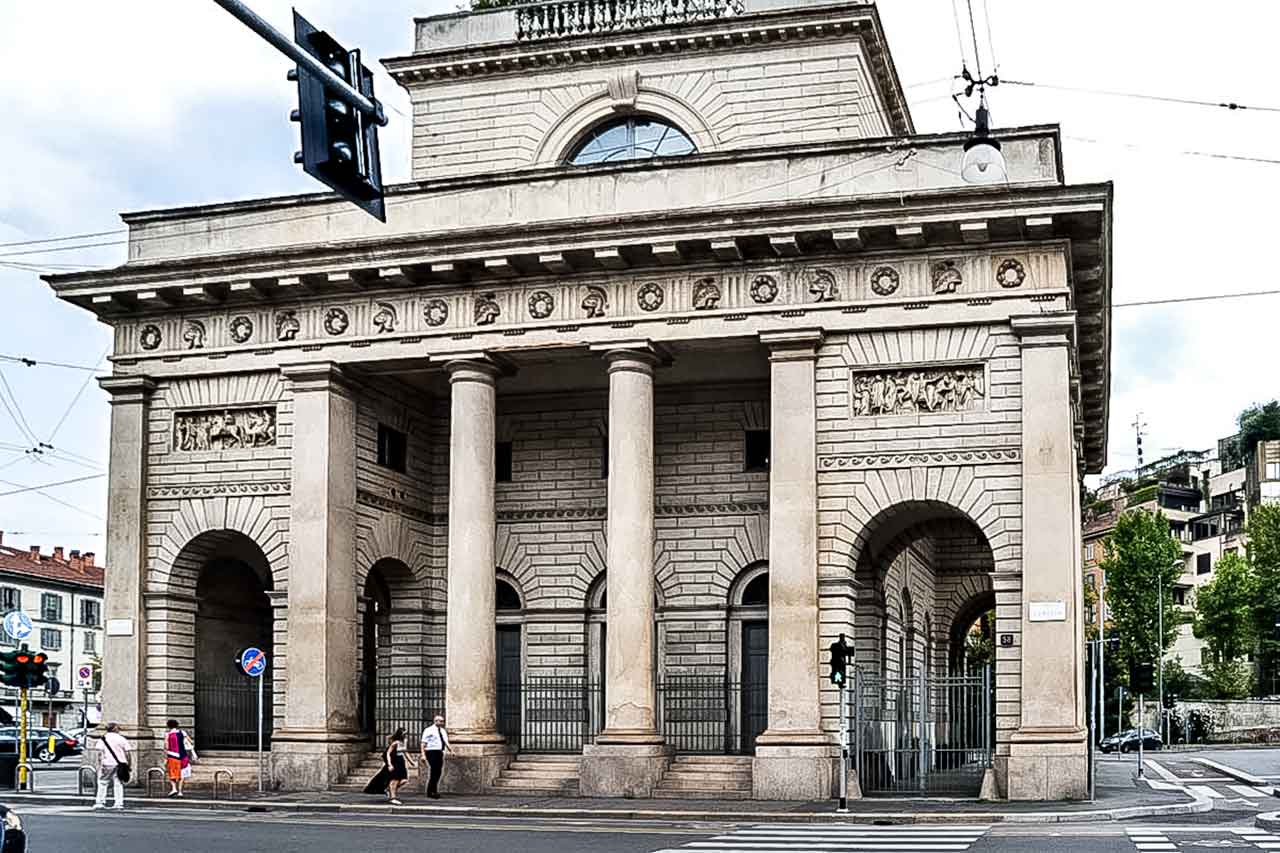
Porta Venezia (Porta Orientale) until 1860, Porta Riconoscenza in Napoleonic times, is one of the six main gates of Milan, built inside the Bastioni (fortified walls). Located in the northeastern part of the city, it opened the road to Gorgonzola. Today it is characterized by the presence of two neoclassical Vantini buildings, where entry fees were collected (1827-1828), located in the center of Piazza Oberdan,at the beginning of Corso Venezia. In the past, Porta Orientale was a landmark of one of the six historic districts into which Milan was divided, the Porta Orientale district.

History of Porta Venezia
First reconstruction by Piermarini in 1782
Porta Orientale, which thanks to its privileged position (facing Viednia and Austria) was the first gate to be ordered to be rebuilt at the end of the 18th century, ranking it among the most important monuments. The architect assigned to the project was Giuseppe Piermarini, who was in charge of revitalizing the city and its architectural heritage until his death in 1808. At the same time, the Porta Orientale and the Bastioni lost their defensive functions and were only used to collect tolls.
Piermarini, who was already involved in the construction of the nearby gardens(Giardini Pubblici) and the area along the Bastions, began work on a new complex in the classicist style in 1787, but this was quickly discontinued due to harsh criticism of the design. Also in 1787, an alternative design for the toll buildings proposed by Cagnol was proposed, but not considered.
With Napoleon‘s entry into Italy, the Porta Orientale changed its functions, no longer serving defensive purposes or tolls, but was a monument to beautify the city and add to its prestige. In the meantime, its name was also changed to Porta Riconoscenza. In 1806, on the occasion of a visit to the city by Viceroy Eugene de Beauharnais, who had come to the city to marry Augusta of Bavaria, a temporary triumphal arch was built by Cagnola, inspired by the Arch of Titus in Rome.
In 1825, on the occasion of the visit of Austrian Emperor Francis I and his wife Empress Caroline, Cagnola proposed two new designs: the first characterized by a tetrastyle portico, decorated with a chariot and other sculptures, and the second, which was later chosen: characterized by a triple arch, whose bronze model in 1:28 scale is kept in the Pinacoteca Ambrosiana. However, even in this case, he failed to turn it into a permanent project.
Second reconstruction by Vantini (1827-1828)
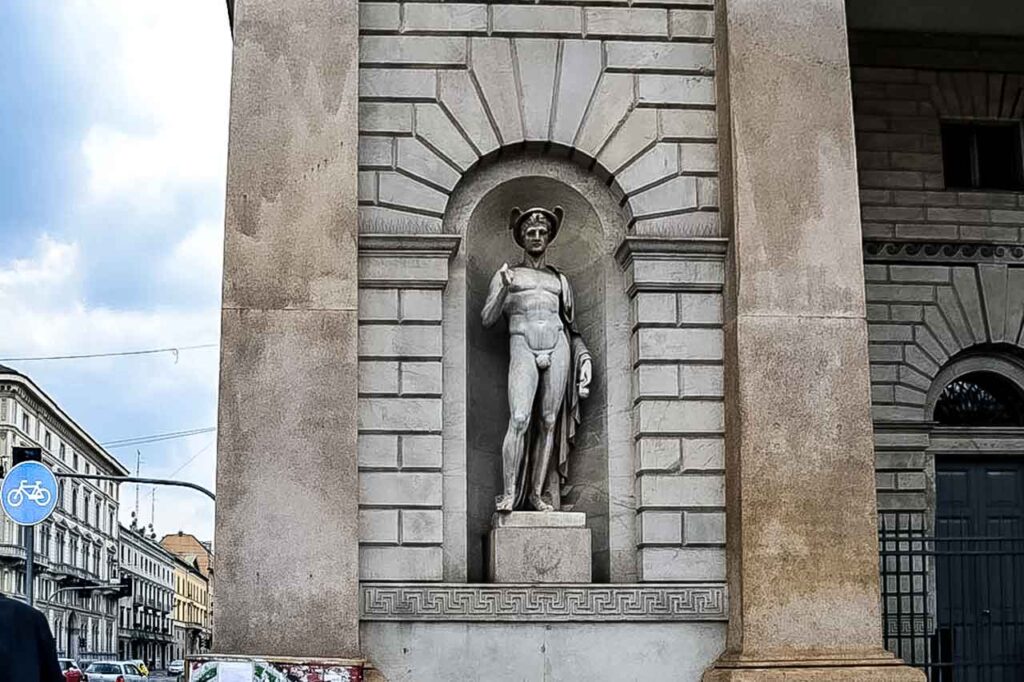
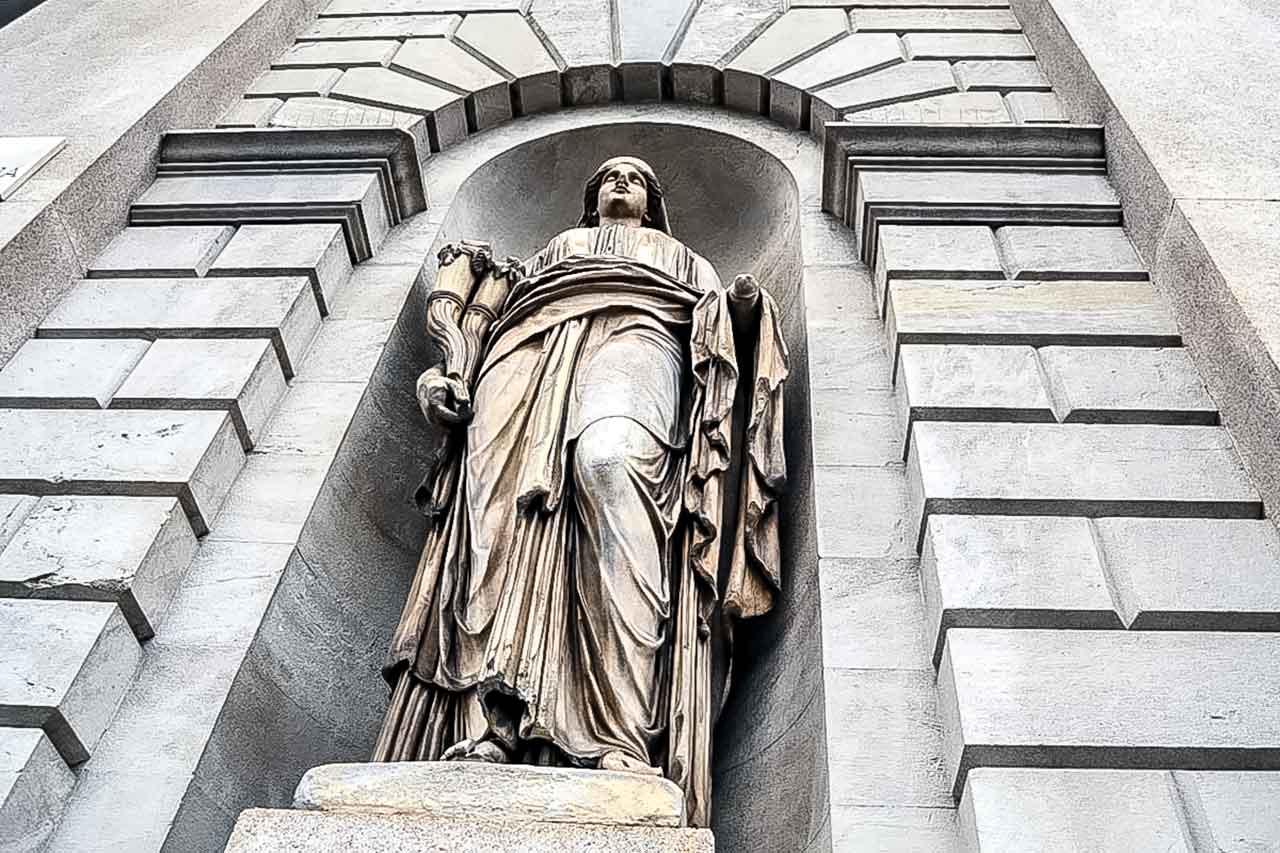
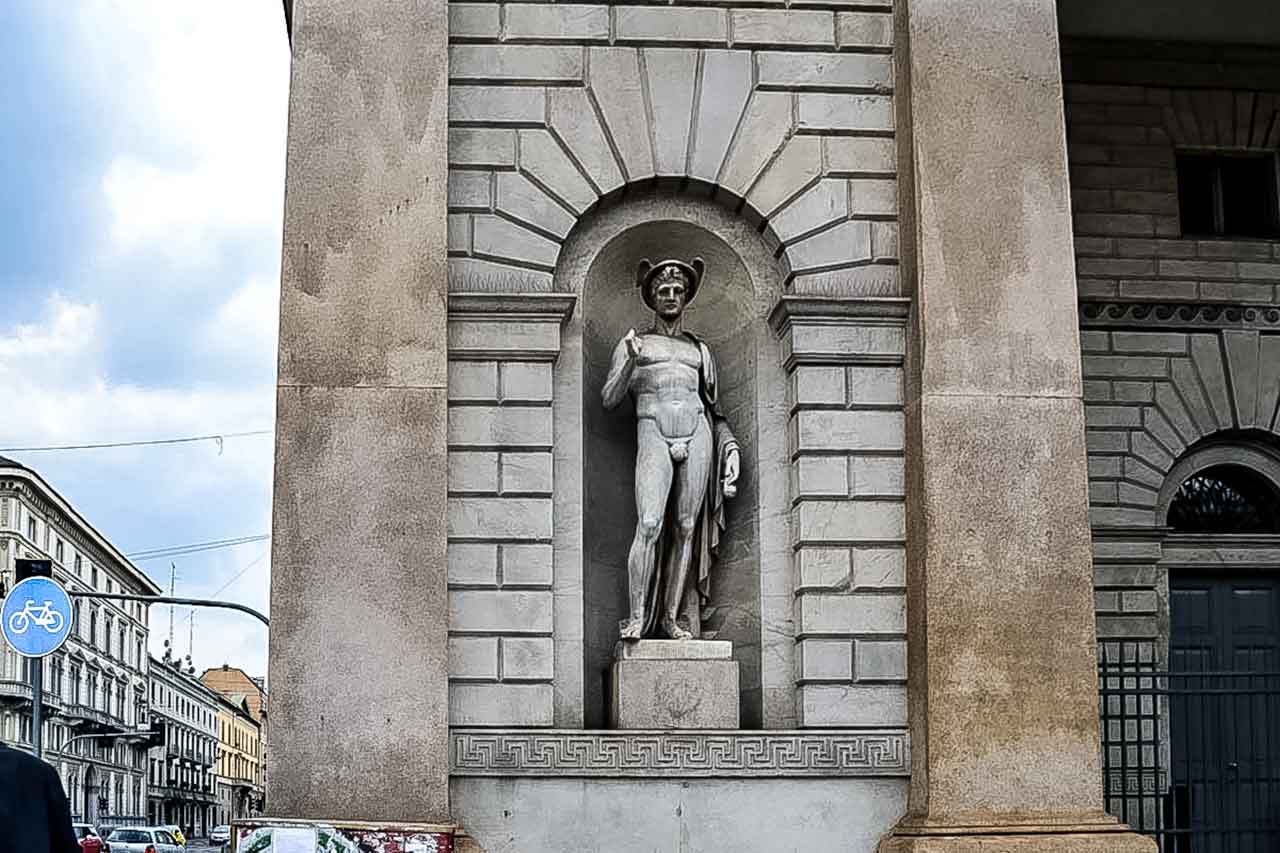
The current Porta Venezia complex, which remains to this day, was built in 1827 and 1828 by Brescia architect Rodolfo Vantini, following a competition announced in 1826 (in which 32 architects participated). In 1833, statues and bas-reliefs were placed, giving the work its final appearance.
In 1857, on the occasion of the visit to Milan of Austrian Emperor Franz Joseph and his wife Elisabeth, a temporary wooden triumphal arch was erected. In those days, it was customary to erect temporary structures of this type, especially on solemn occasions: on the occasion of this visit, a chapel in the Neo-Romanesque style was built in the path of the imperial procession at the Loreto traffic circle, as well as a stage of honor with a canopy in the Piazza Duomo next to the Coperto dei Figini.
In 1860 the name was changed to Porta Venezia, in honor of the city that remained Austrian after the Franco-Austrian War (1859) and in 1882 the large square, from which as many as eight streets diverge, was dedicated to Guglielmo Oberdan, an irredentist hanged by the Austrians.
In the past, it was also known as Porta Renza. The ancient name Porta Orientale – Eastern Gate – does not refer, as is commonly believed, to the fact that it stood to the east of the city (the easternmost of the city is Porta Tosa). It derives from the Latin name of an ancient gate that opened onto Argentiacum, the present Crescenzago.
From 1842 to 1908, outside the walls of Porta Venezia (on the site of the Diana Hotel), were the Diana Baths, the first public swimming pool in the city and in Italy.
In 1923 and 1926, the Venezia day hotel was built under the plaza toward Tadino Street, partially opened until 2006.



I lived in Milan for 18 years, and it was there that I came to know the city’s daily life best - not just its landmarks, but also its rhythm, its habits, and its less obvious sides. Today I live in Wrocław, but I still return to Milan regularly.