


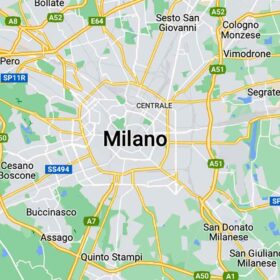
 The Geographic Location of Milan – A Strategic Spot in the Heart of Europe
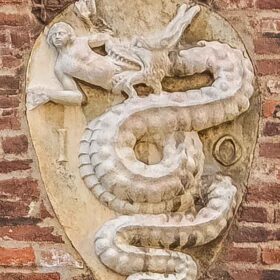 Milan’s coat of arms
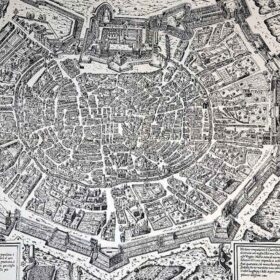 History of Milan
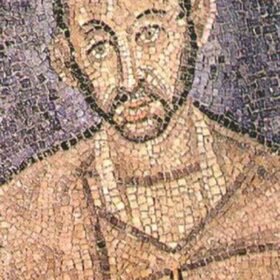 Saint Ambrose
 History of Panettone
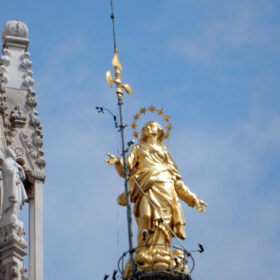 Madonnina
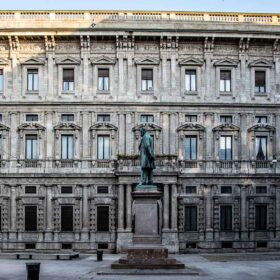 City Hall
 Milanese cuisine


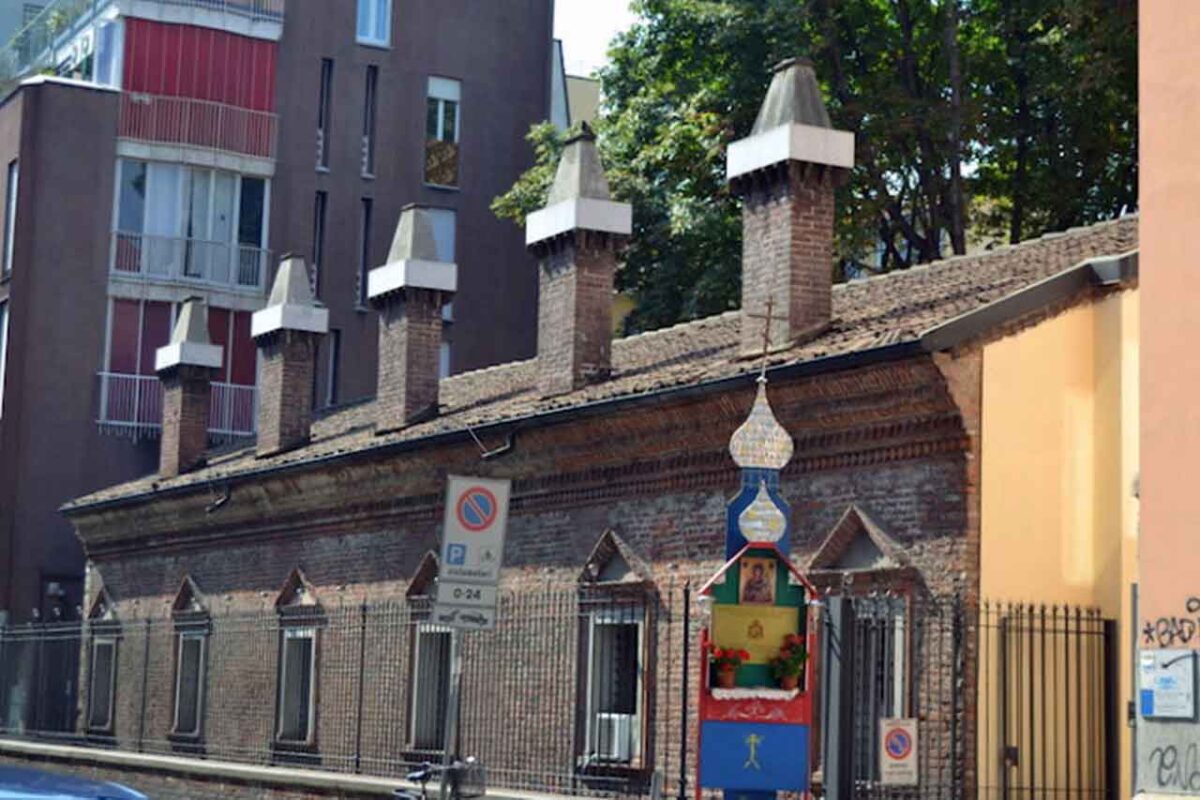
Medilan lazaret – a place that (almost) no longer exists?
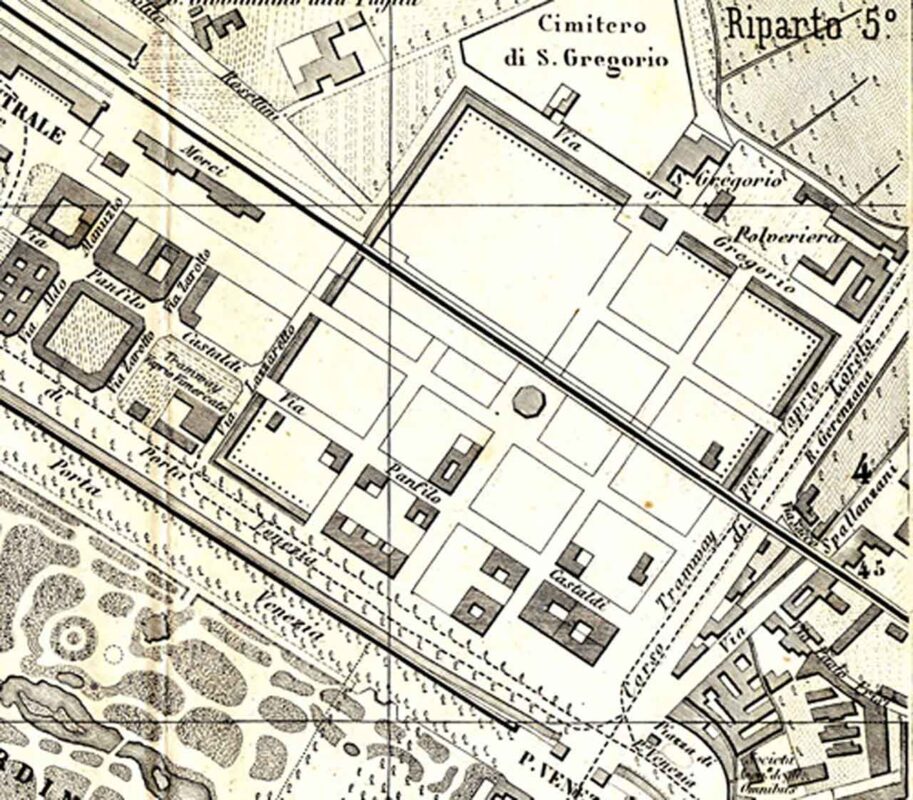
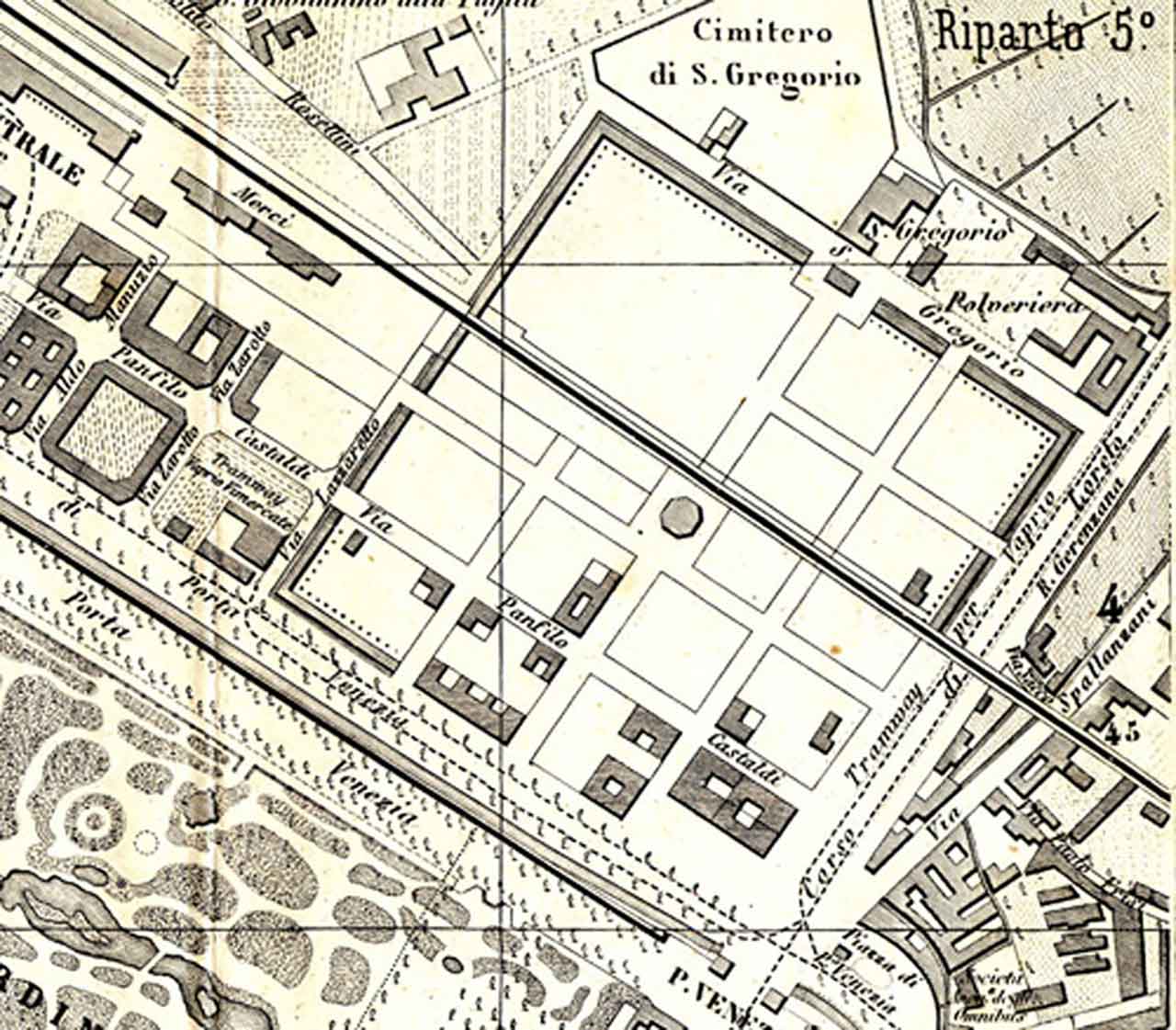
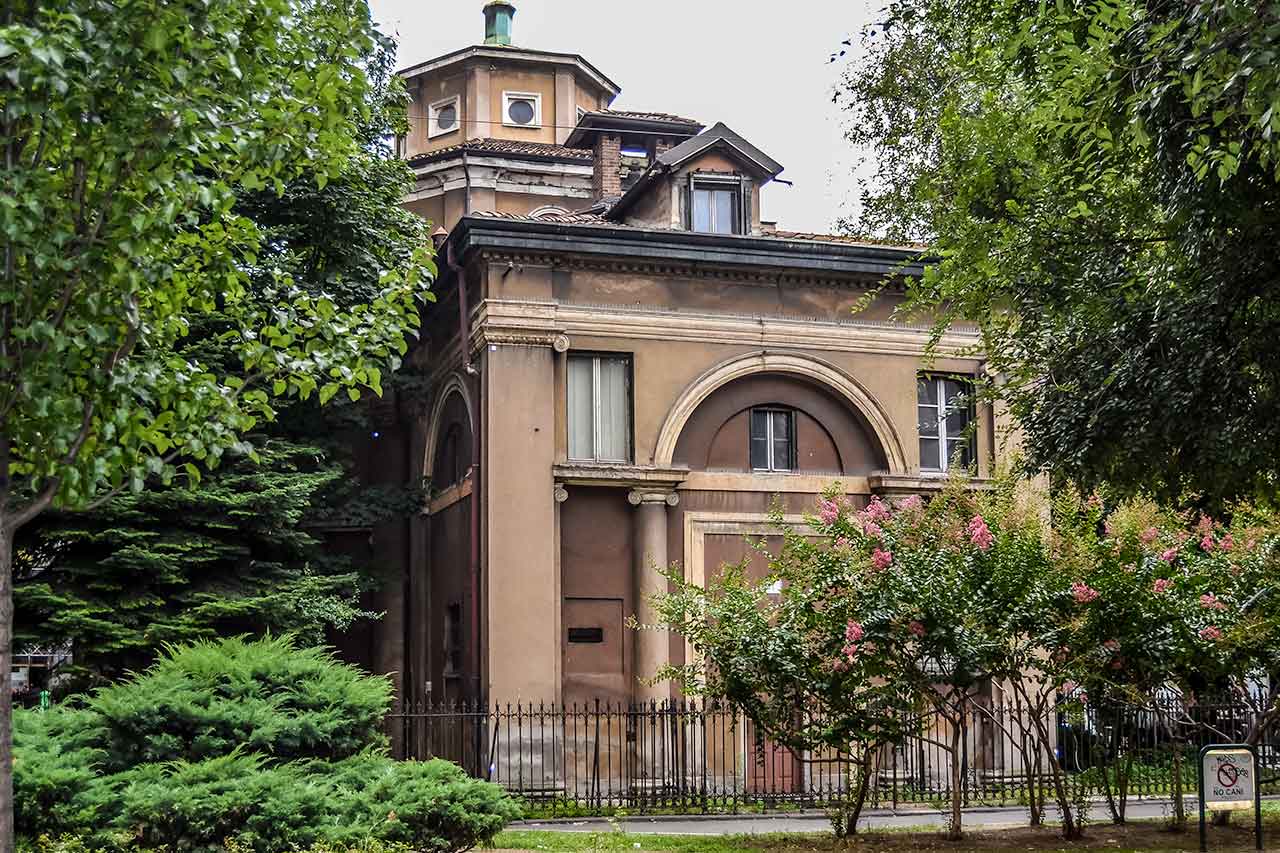
The street, or rather the Italian “Corso,” Buenos Aires, which runs from Porta Venezia to Piazza Loreto, is one of the busiest streets in Milan. Known mainly for its countless shops, it can be difficult to navigate during sales periods. However, if you get off at Porta Venezia metro station, just turn onto one of the side streets to discover another side of the city. I often used to walk through these narrow streets and every time I would stop at a piece of wall that didn’t fit in with its surroundings. It turned out to be one of the two remaining parts of the former Milanese lazaretto, where people with the plague were isolated.
Lazaret described by Antonio Manzoni
Lazaret is probably best remembered by readers of Antonio Manzoni’s Italian historical novel “The Betrothed,” which is to Italian youth the most famous must-read! In Chapter XI, Renzo is directed by Father Cristoforo of the Capuchin monastery at Porta Orientale to this place when he arrives in Milan after a failed attempt to kidnap Lucia. The building is described as a “long, low factory” that runs along the city walls. Following the directions of a passerby, the young man walks along the moat surrounding the lazaretto all the way to Porta Orientale.
This hospital was a rectangular building located outside the walls of Milan, near Porta Orientale (today’s Porta Venezia), serving as a shelter for plague patients during the 1630 epidemic. The term “lazzaretto” is derived from the name of the leper Lazarus (Lazzaro) in the parable of the rich man (Luke, XVI, 19-31), although it actually originated from a distortion of the name of the Venetian island of Nazareth, which was called Nazarethum and was used as a hospital for infectious patients coming from the Holy Land. In the novel, Manzoni uses the form “lazzeretto,” which was commonly used in Italian at that time.
In Milan, the hospital was initially designed for the purpose of hospitalizing and isolating individuals infected with the plague. Later, it became synonymous with a location for treating infectious and contagious diseases and consequently was filled with unimaginable suffering and misery.
History of the Lazaret
Manzoni describes the history of the hospital in Chapter XXVIII of his novel, during his depiction of the period of the terrible famine that struck the Milan region in 1628-1629. However, the construction of the building dates back to 1489, even before the events depicted in the novel. The hospital was built with the use of public funds as well as testamentary bequests and private donations, at the instigation of the government of the Duchy of Milan. The hospital was intended to serve as a place where plague patients could be isolated and treated.
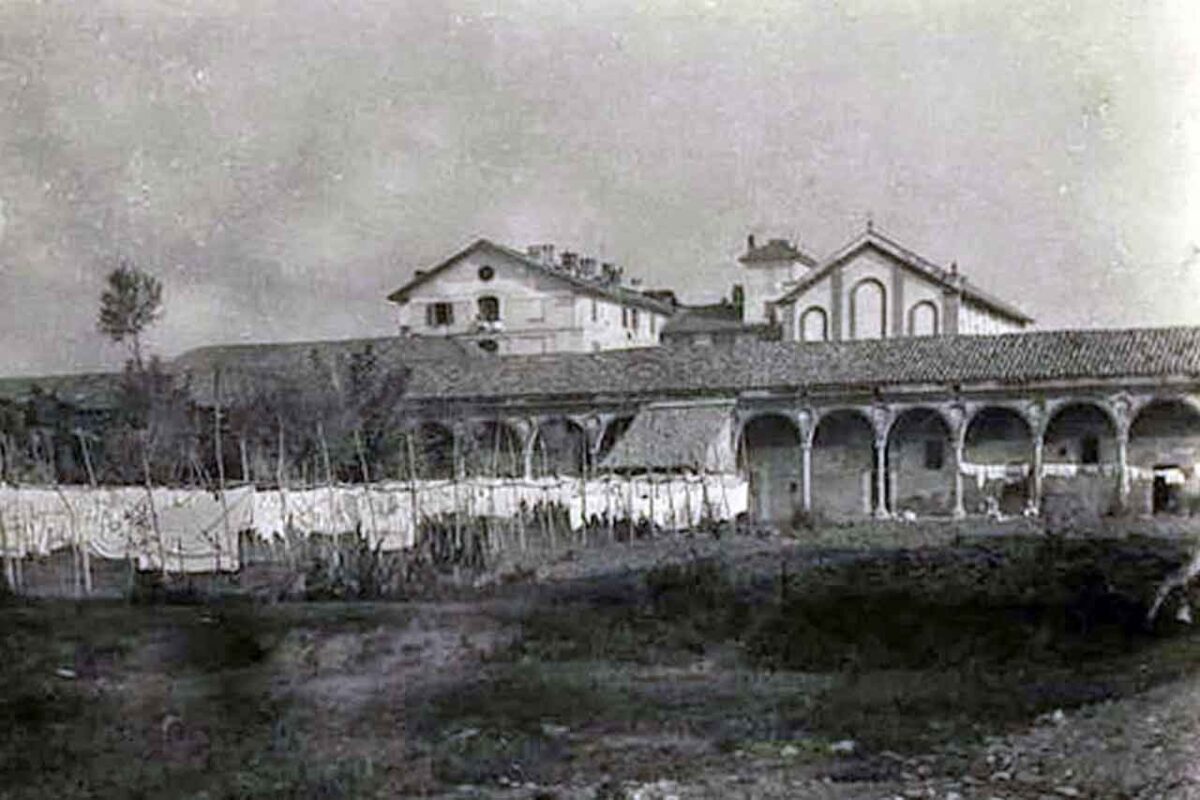
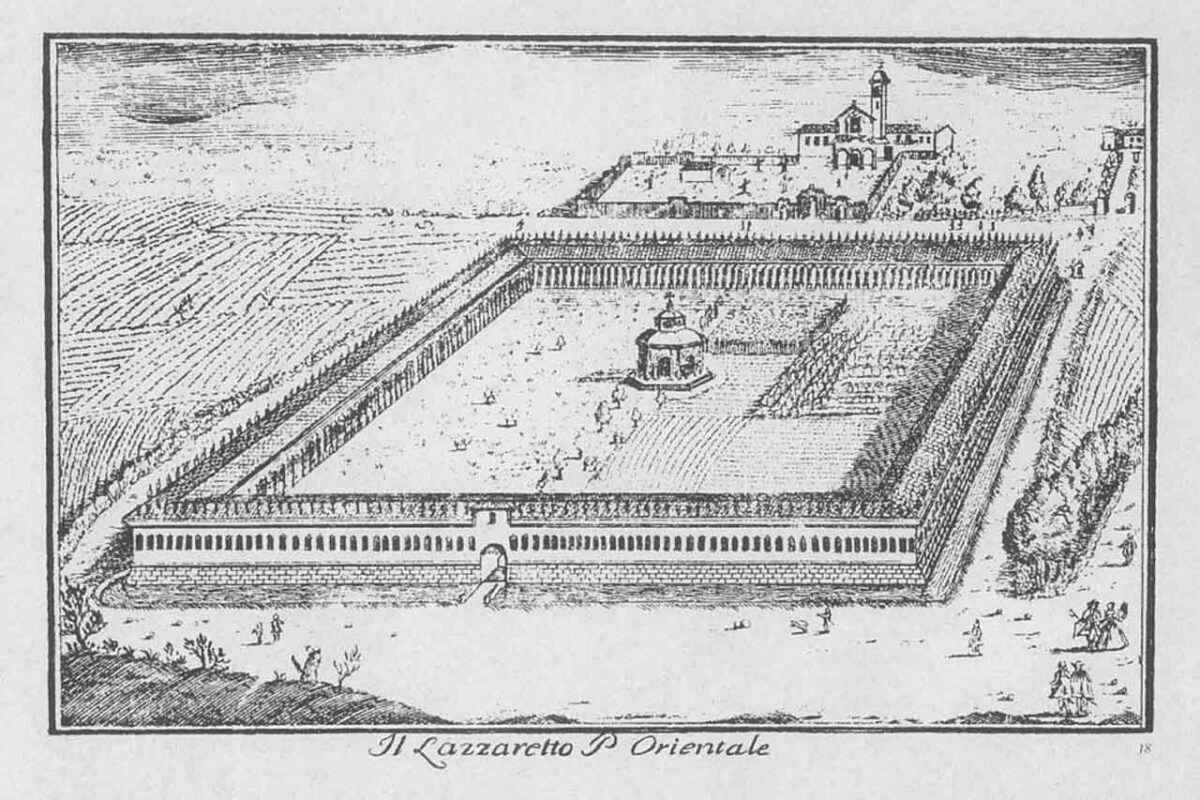
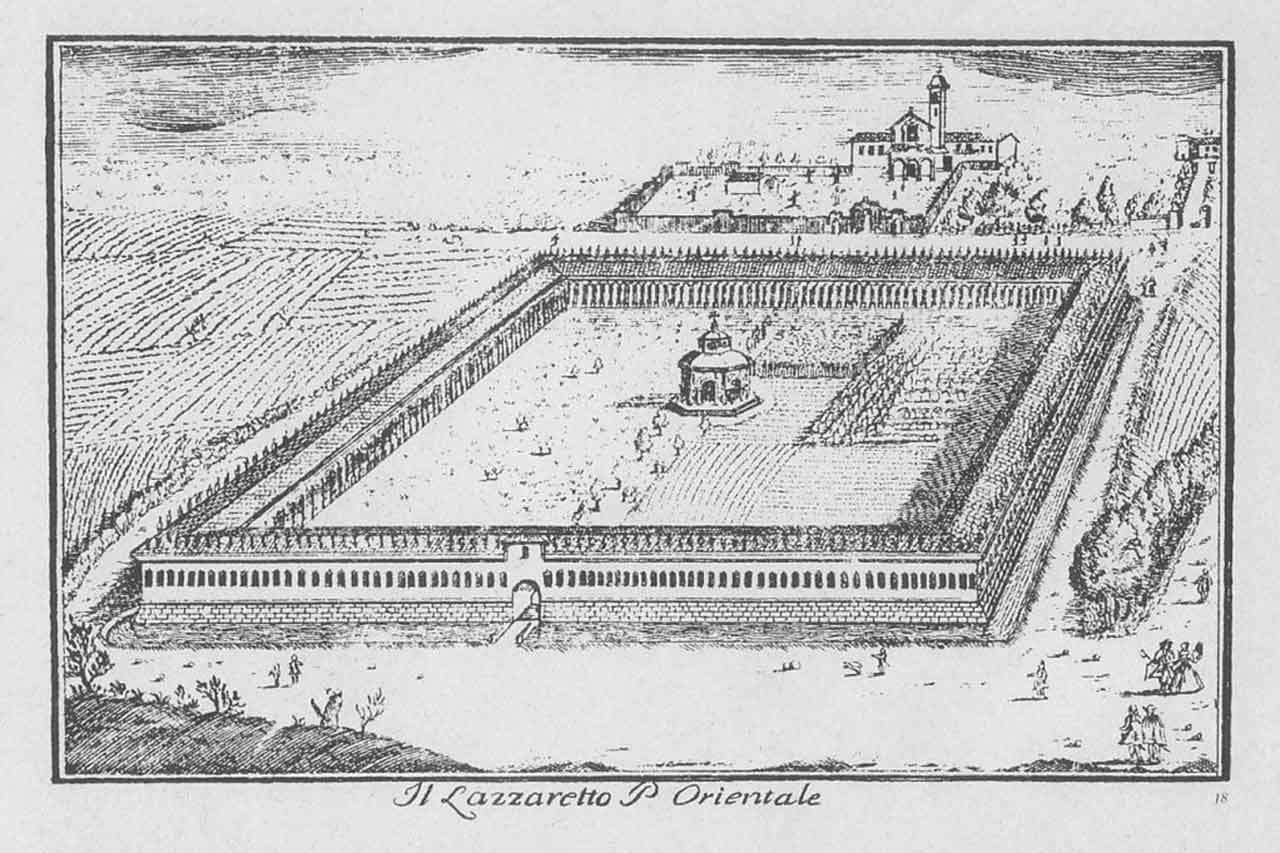
The hospital served as a refuge for plague victims on multiple occasions and, as depicted in the novel, was rectangular in shape with longer sides measuring about five hundred paces and shorter sides reduced by fifteen paces. It was positioned parallel to the city walls on the side of Porta Orientale and was surrounded by a moat, a canal for water flow, and a road. The exterior of the building featured small rooms or cells, totaling two hundred and eighty-eight in number, while the interior featured a long porch supported by columns.
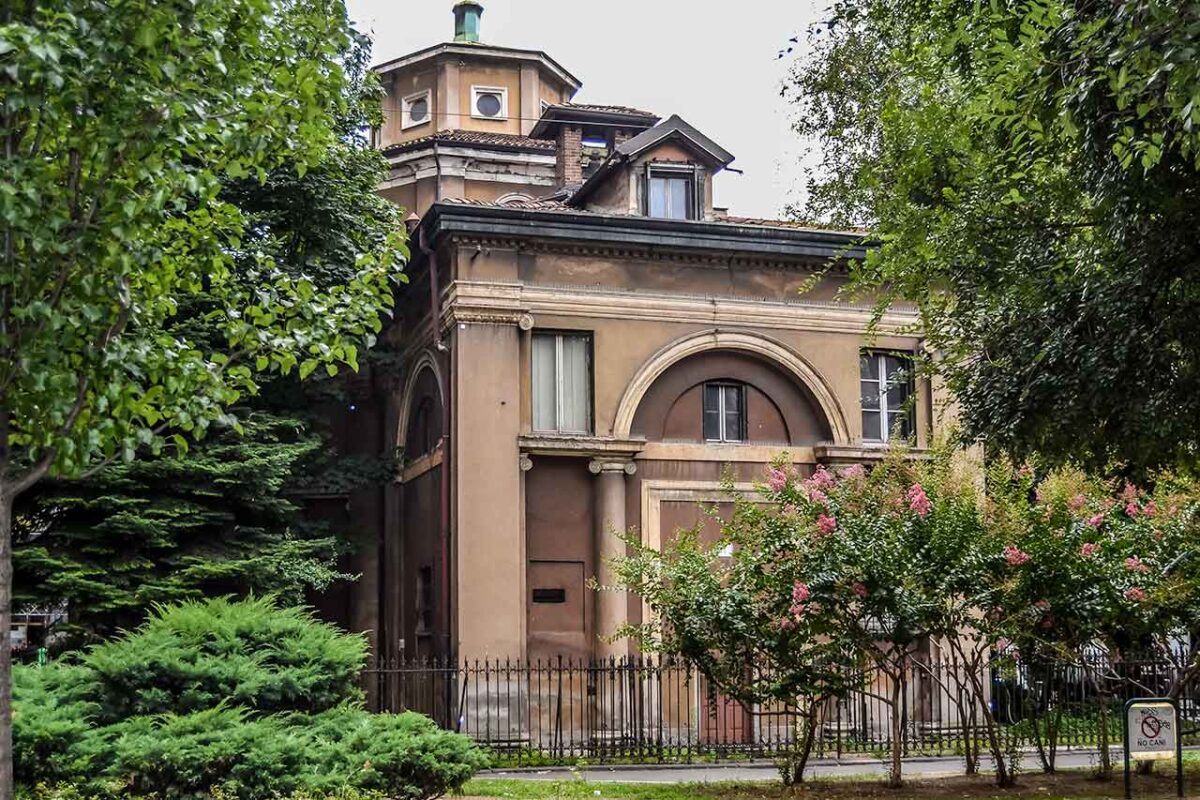
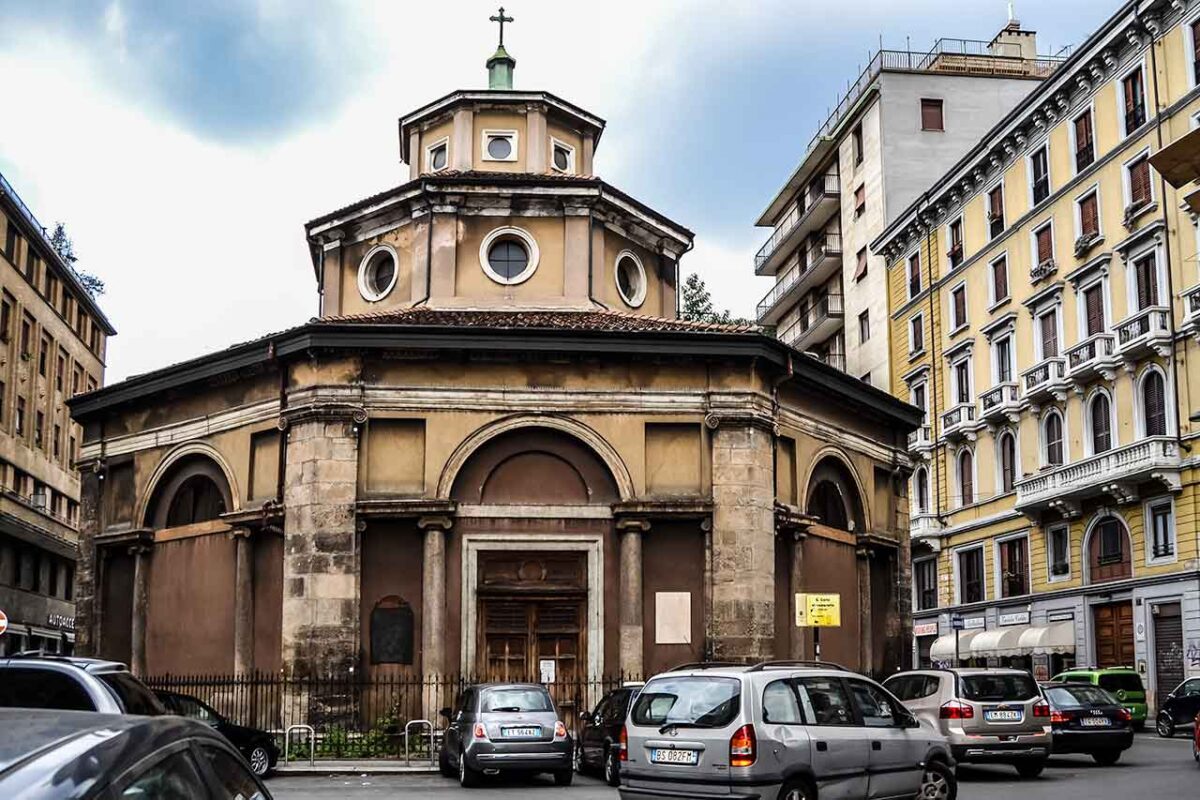
The center of the lazaretto featured a small church in octagonal form, which already existed during Manzoni’s time and is still preserved today. By the start of the 17th century, the hospital had fallen into a state of disrepair and was mainly used as quarantine storage for goods suspected of being infected. Its last use as a shelter for plague victims was in 1576 during the “San Carlo plague.”
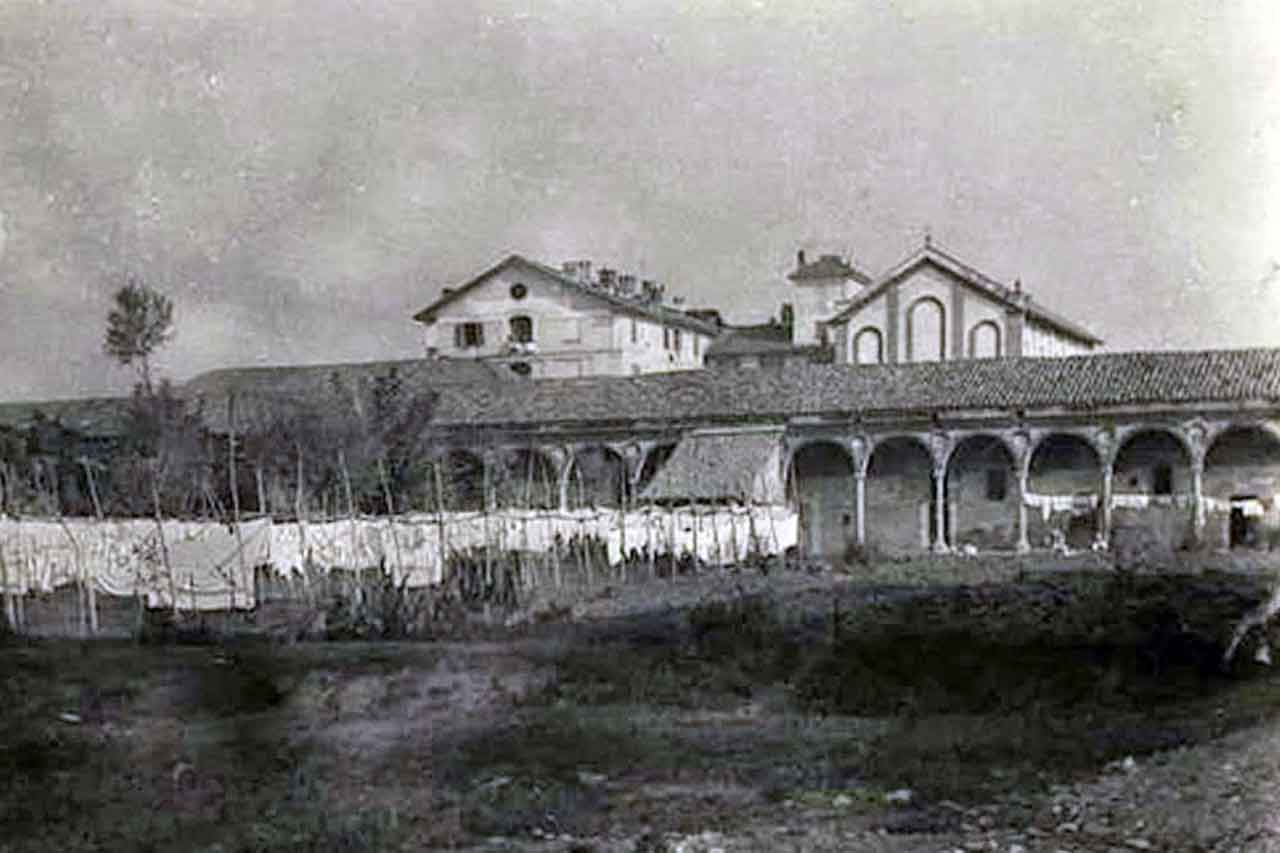
The structure of the lazaretto remained standing until the 17th century, after which it was used sporadically for military purposes or as a hospital, while the walls of the church in the center were bricked up. By the time the entire building was purchased by the Banca di Credito Italiano in 1881, the rooms were already being used as apartments or barns, and a railroad viaduct had been built across the inner space from one end to the other.
What remained of the building was completely demolished in 1882 and 1890, except for a short section that still exists in S. Gregorio Street. The central churchwas restored and later dedicated to St. Charles Borromeo, was reopened for worship in 1884 and still exists today, although passing by it is almost impossible to imagine its original function.
The remains of the lazaretto can be seen at Villa Bagatti Valeschi in Varedo.
Attractions near the Lazaret
Video – Il Lazzaretto di Milano
The video is in Italian, but you can turn on automatic translation…
I lived in Milan for 18 years, and it was there that I came to know the city’s daily life best - not just its landmarks, but also its rhythm, its habits, and its less obvious sides. Today I live in Wrocław, but I still return to Milan regularly.