


 The Geographic Location of Milan – A Strategic Spot in the Heart of Europe
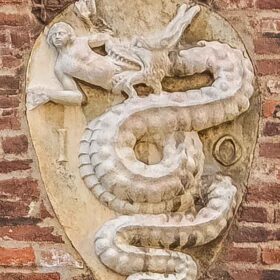 Milan’s coat of arms
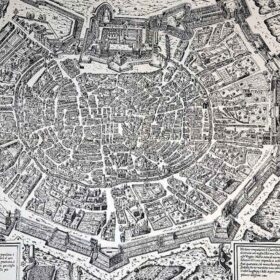 History of Milan
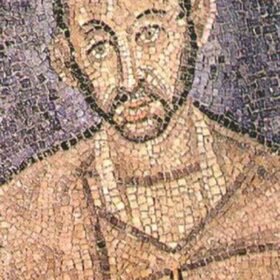 Saint Ambrose
 History of Panettone
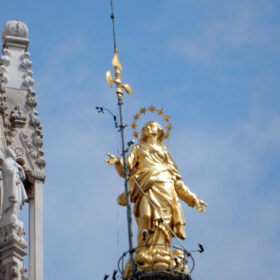 Madonnina
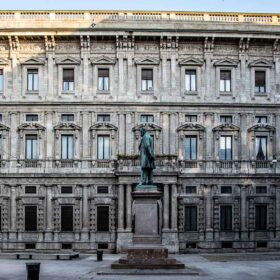 City Hall
 Milanese cuisine


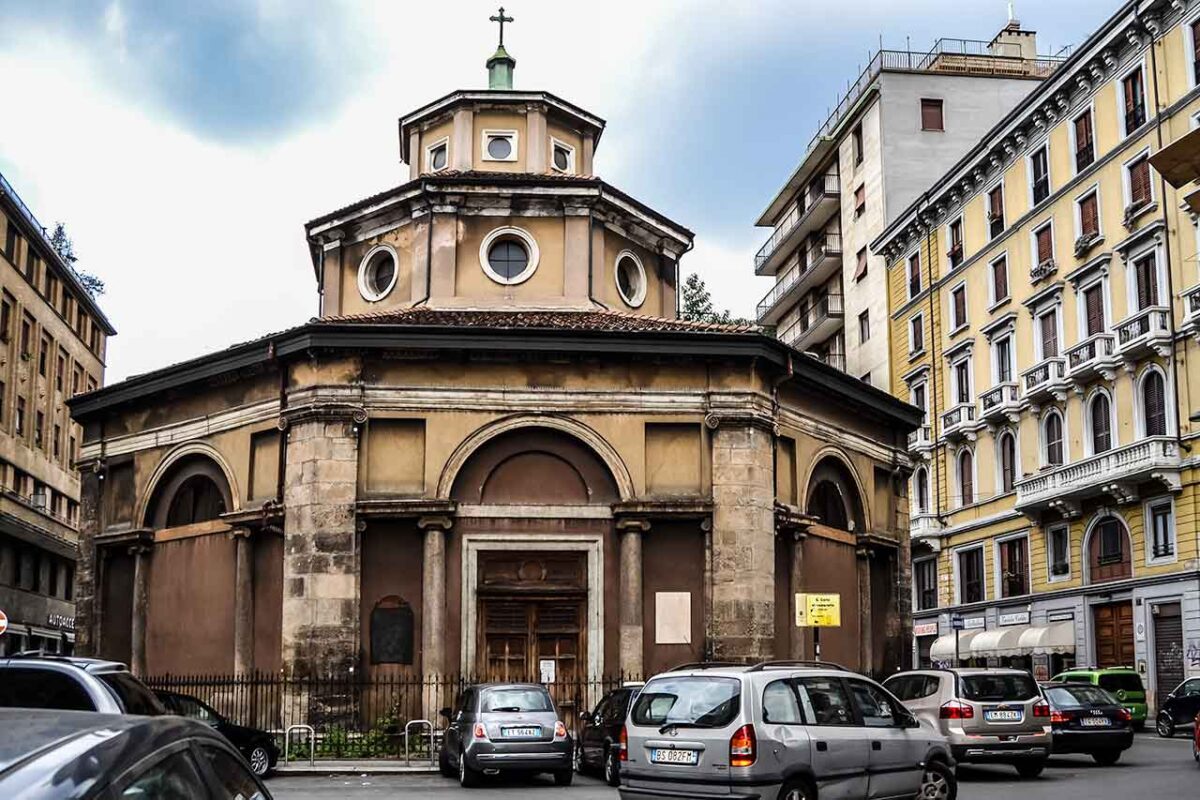
St. Charles at the Lazarette
The Church of San Carlo al Lazzaretto is located in the “Porta Venezia” district on Largo Bellintani Fra Paolo, 1. It was built in the 16th century in the center of Milan’s 14th-century Lazaretto, where plague patients were hospitalized. Over the years that followed, it slowly began to fall apart. At the end of the 18th century, after the Lazaretto was demolished, the church was recovered and today is a branch of the parish of Santa Francesca Romana, in the Diocese of Milan.
During the construction of the Lazaret at the end of the 15th century, an altar was erected in the middle of the courtyard, in such a way that it would be visible from anywhere in the hospital and that every patient would be able to see and listen to the services being held. After the great epidemic in 1576, Archbishop Charles Borromeo instructed his trusted architect Pellegrino Tibaldi to build a church. This is how the present church was built on a central plan, in the form of an octagon, open on all sides. The church served its purpose until 1797, when, after the French conquest of the Duchy of Milan, it was used for military purposes.
When Milan was the capital of the Cisalpine Republic, architect Giuseppe Piermarini was commissioned to transform the church into the Temple of the Fatherland. Piermarini tore down the building’s original dome, and the exterior walls were bricked up. In the 19th century, the buildings that enclosed the Lazaret were used for agricultural purposes and as private homes for peasants, until they were purchased by Banca di Credito Italiano, which ordered the demolition and subdivision of the area.
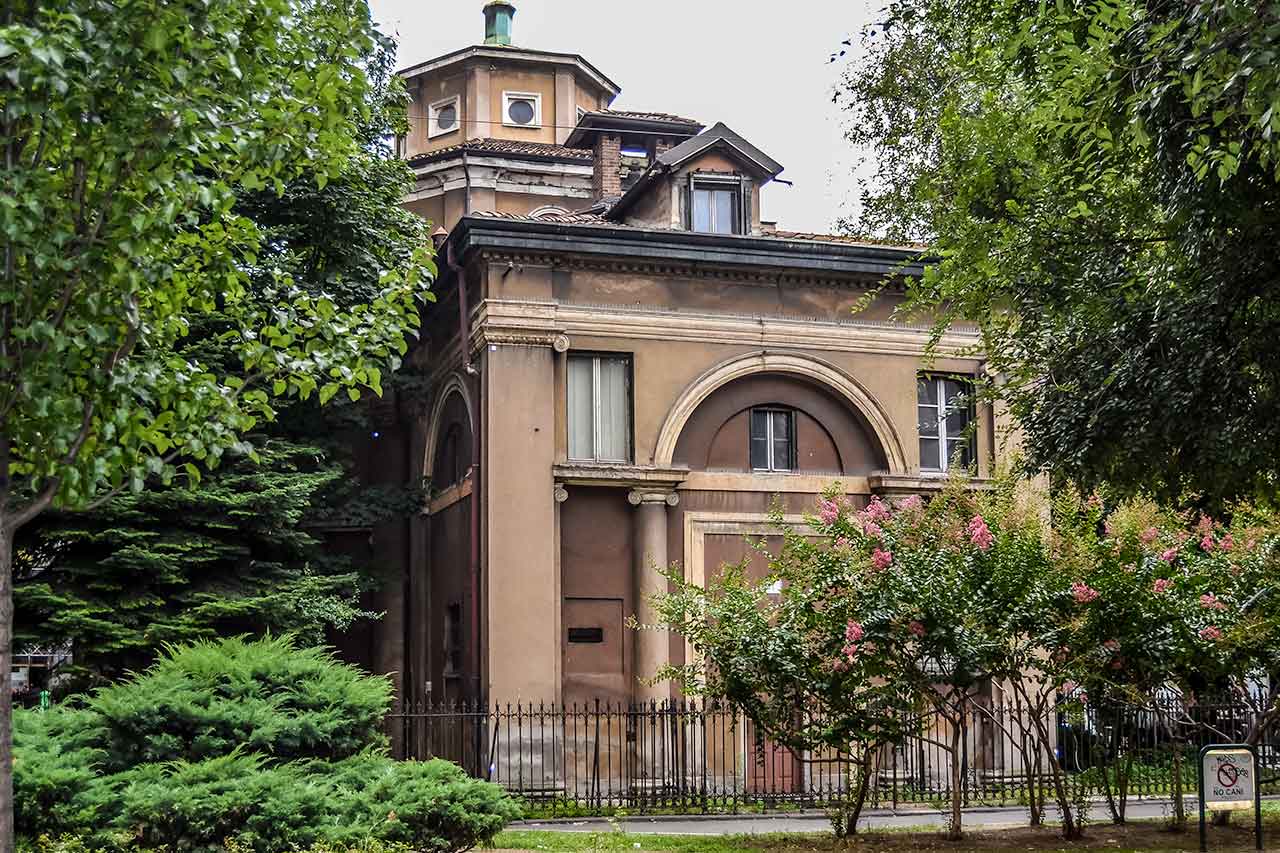
The temple was saved during demolition, and after restoration, in which the dome was rebuilt, it was reopened for worship in 1884 and has since been named after the saint who decided to build the church.
Architecture of the San Carlo al Lazzaretto Church
The structure of the church is on an octagonal central plan. Each wall contains a Serlian window (Venetian window), now encased, and supported by Ionic-style stone columns. Inside, there is an additional smaller ring of columns and pillars supporting the dome and lantern, which replicate the form of the exterior structure.
San Carlo al Lazzaretto after restoration

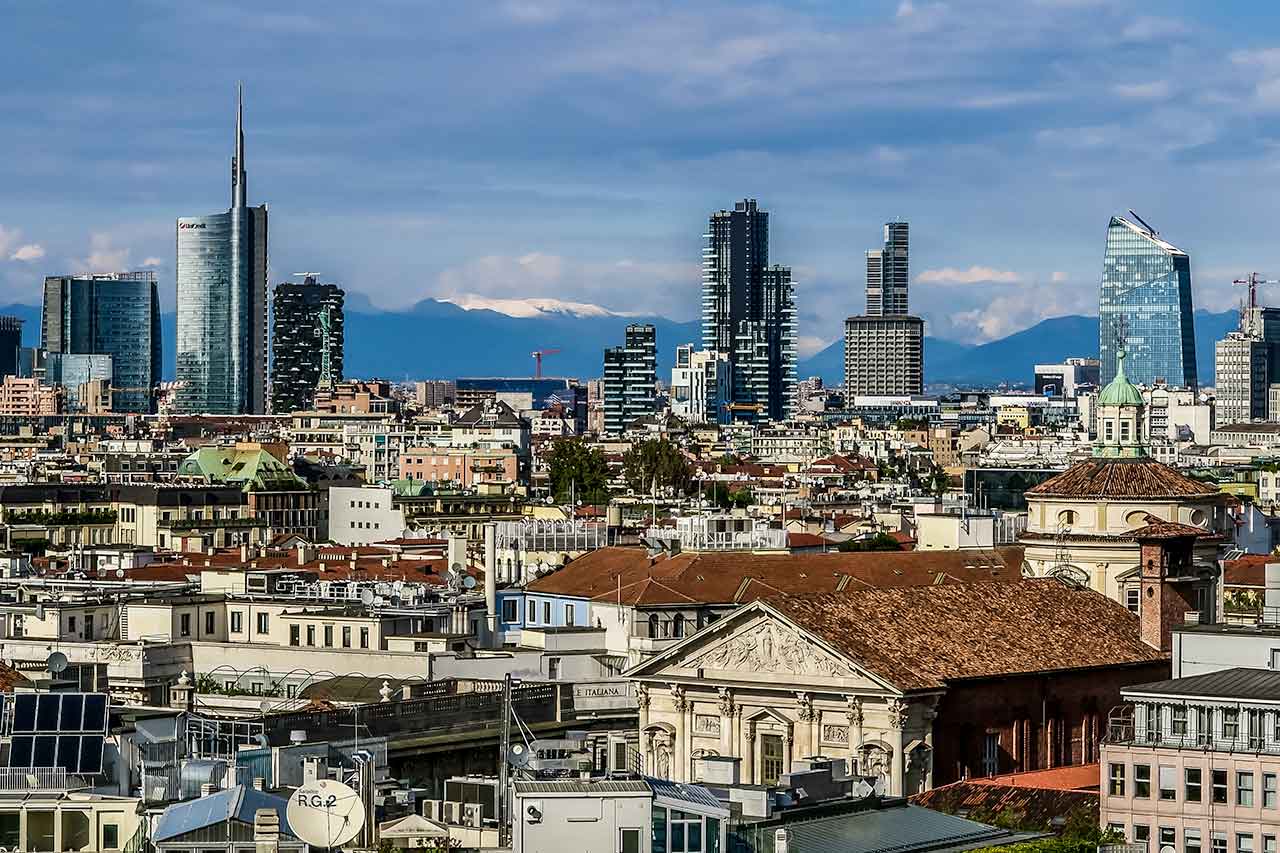
I lived in Milan for 18 years, and it was there that I came to know the city’s daily life best - not just its landmarks, but also its rhythm, its habits, and its less obvious sides. Today I live in Wrocław, but I still return to Milan regularly.