


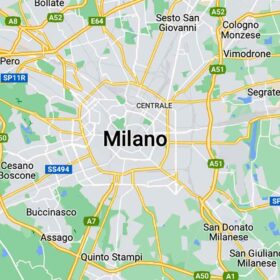
 The Geographic Location of Milan – A Strategic Spot in the Heart of Europe
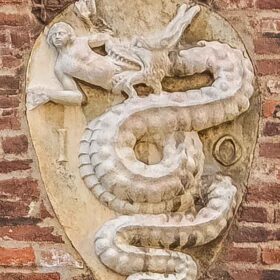 Milan’s coat of arms
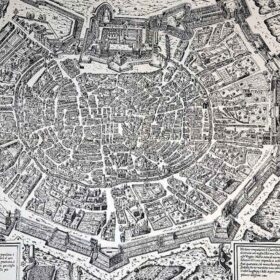 History of Milan
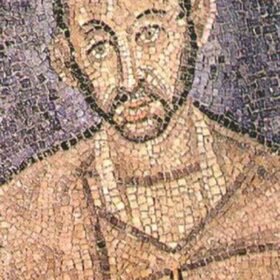 Saint Ambrose
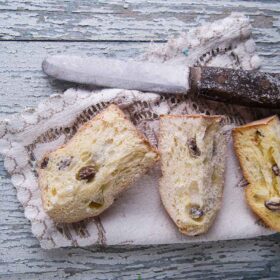 History of Panettone
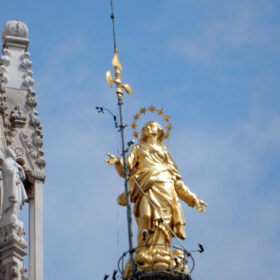 Madonnina
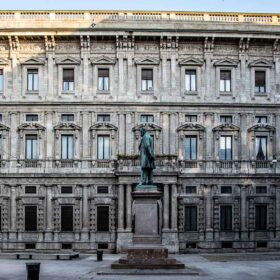 City Hall
 Milanese cuisine


A few steps from the Duomo, Milan looks exactly as you’d expect – traffic, crowds, big brands. But turn down one of the side streets behind La Scala, and suddenly you’re in a completely different world. The noise gives way to the sound of footsteps on cobblestones, glass storefronts of luxury boutiques transform into wooden shutters of old buildings, and the smell of exhaust is replaced by the aroma of freshly brewed coffee. You’ve just arrived in Brera – a neighborhood that can make you fall in love with Milan all over again, or… for the very first time.
Brera is a place where art students from the Academy head out for aperitivo at the same bar where Ernest Hemingway had conversations with Milan’s bohemian crowd 100 years ago. Where vintage boutiques hide artists’ studios, and a 16th-century pharmacy still sells natural remedies. It’s a neighborhood of contrasts that was still a red-light district in the 1950s, but today attracts art lovers from around the world.
Where Did the Name Brera Come From? The Neighborhood’s History from “Field” to Cultural Center
The name “Brera” sounds elegant and almost aristocratic, right? Yet it comes from the medieval term “braida,” which simply meant… an uncultivated field covered with grass. In medieval times, this area was located just outside Milan’s city walls and was deliberately kept empty for military reasons – no trees or bushes that could hide an approaching enemy.
From this humble “meadow,” Brera underwent a fascinating transformation:
Palazzo Brera: Five Treasures Under One Roof
When you enter the courtyard of Palazzo Brera (Via Brera 28), the first thing you notice is a bronze statue of Napoleon depicted as Mars the Victor. Antonio Canova’s work is symbolic, because it was Napoleon who made this place a cultural powerhouse.
But the real uniqueness of Palazzo Brera lies elsewhere: five world-class institutions are housed under one roof. Where else can you admire Caravaggio in the morning, read medieval manuscripts in the afternoon, and walk among centuries-old trees in the evening?
1. Pinacoteca di Brera and Meeting the Masters
The Pinacoteca is one of Italy’s most important art galleries, focusing on Northern Italian painting – Lombard and Venetian. In its 38 exhibition halls, you’ll find masterpieces from the 14th to 19th centuries.
Don’t miss Raphael’s “Marriage of the Virgin,” Mantegna’s “Dead Christ” with its shocking perspective, Hayez’s “The Kiss” – an icon of Italian Romanticism, or Caravaggio’s “Supper at Emmaus” with masterful chiaroscuro.
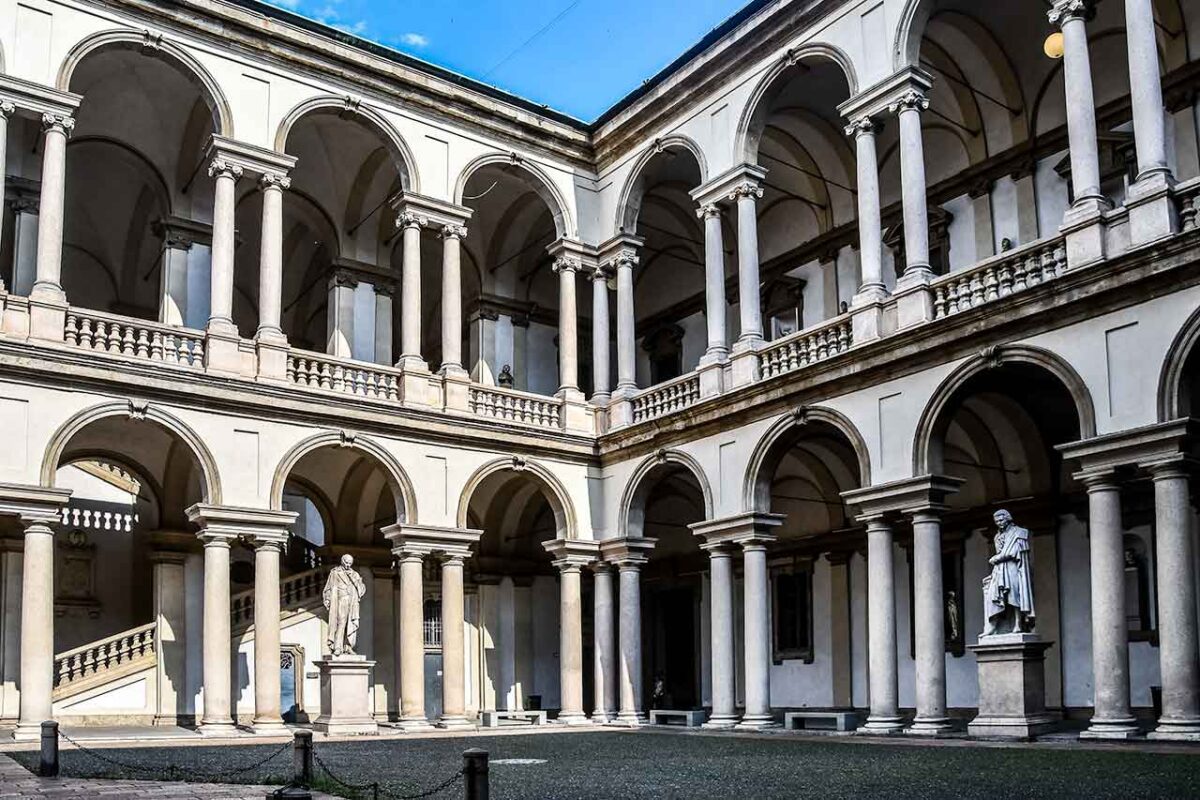
Ticket: about 15 euros | Visit time: minimum 2 hours | Free entry: third Sunday of the month (but crowds!)
2. Academy of Fine Arts
The Accademia di Belle Arti di Brera is a prestigious university that has been training successive generations of artists since 1776. Although the Academy itself isn’t open to visitors like a gallery, its influence on the Brera neighborhood is invaluable. It’s the local students who fill the bars during aperitivo hours, adding youthful energy and an “artistic edge” to Brera.
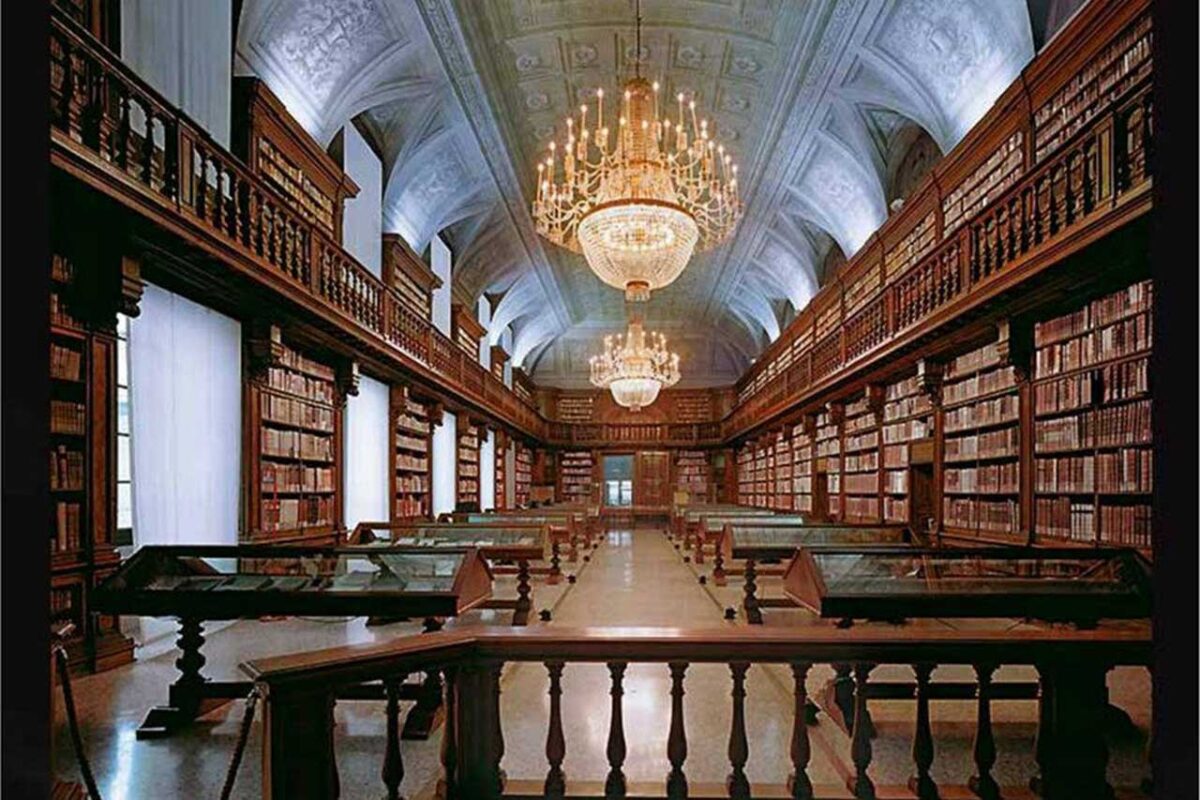
3. Braidense Library – A Paradise for Book Lovers
The Biblioteca Nazionale Braidense is Italy’s third-largest national library. It houses about 1.5 million volumes, including valuable manuscripts and early printed books. Even if you don’t plan to spend hours here, it’s worth peeking into the historic reading rooms – their interiors remind you that knowledge can be not only useful but also beautiful.
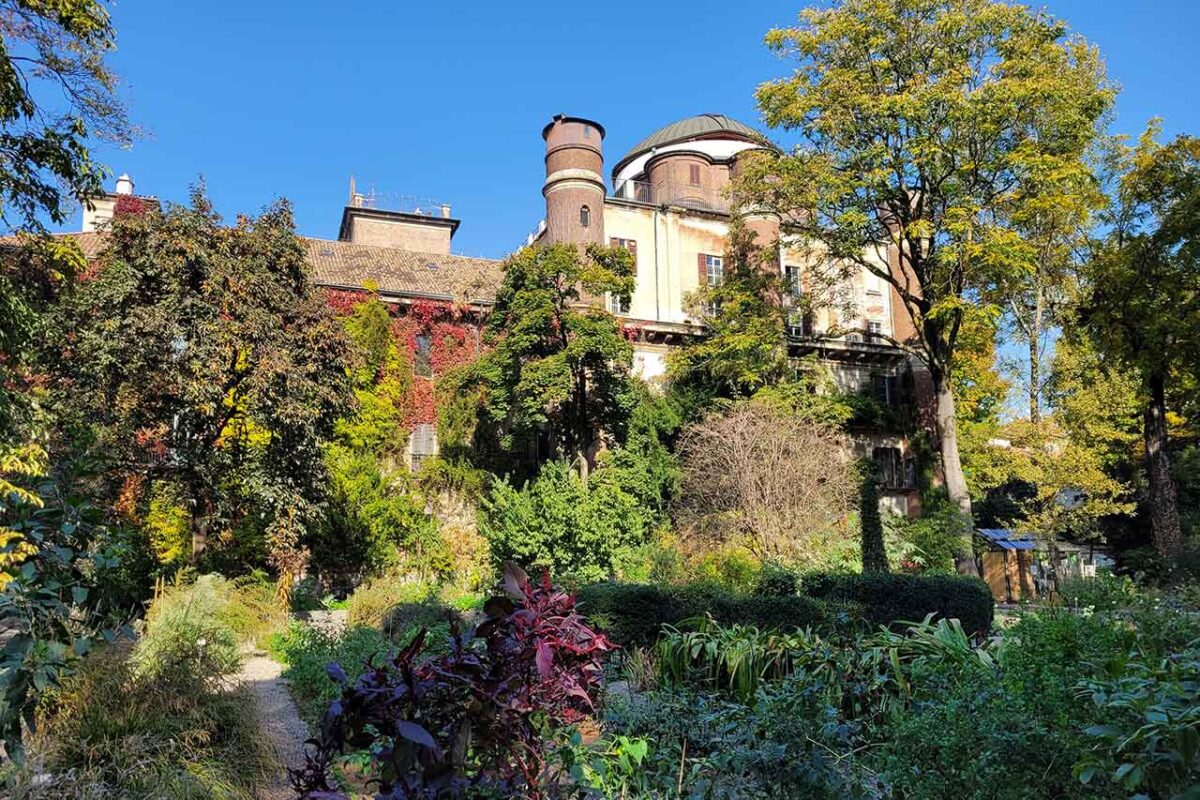
4. Botanical Garden – A Green Corner in the Heart of the District
Orto Botanico di Brera is 5,000 square meters of greenery hidden behind the palace walls. Founded in 1774, the garden was a place of scientific research and is still managed by the University of Milan.
Walking among over 300 plant species, you’ll encounter a 40-meter linden tree and two historic specimens of Japanese ginkgo. It’s a great place to take a break after intensively touring the Pinacoteca. Entrance: free (though opening hours are limited, so check before visiting).
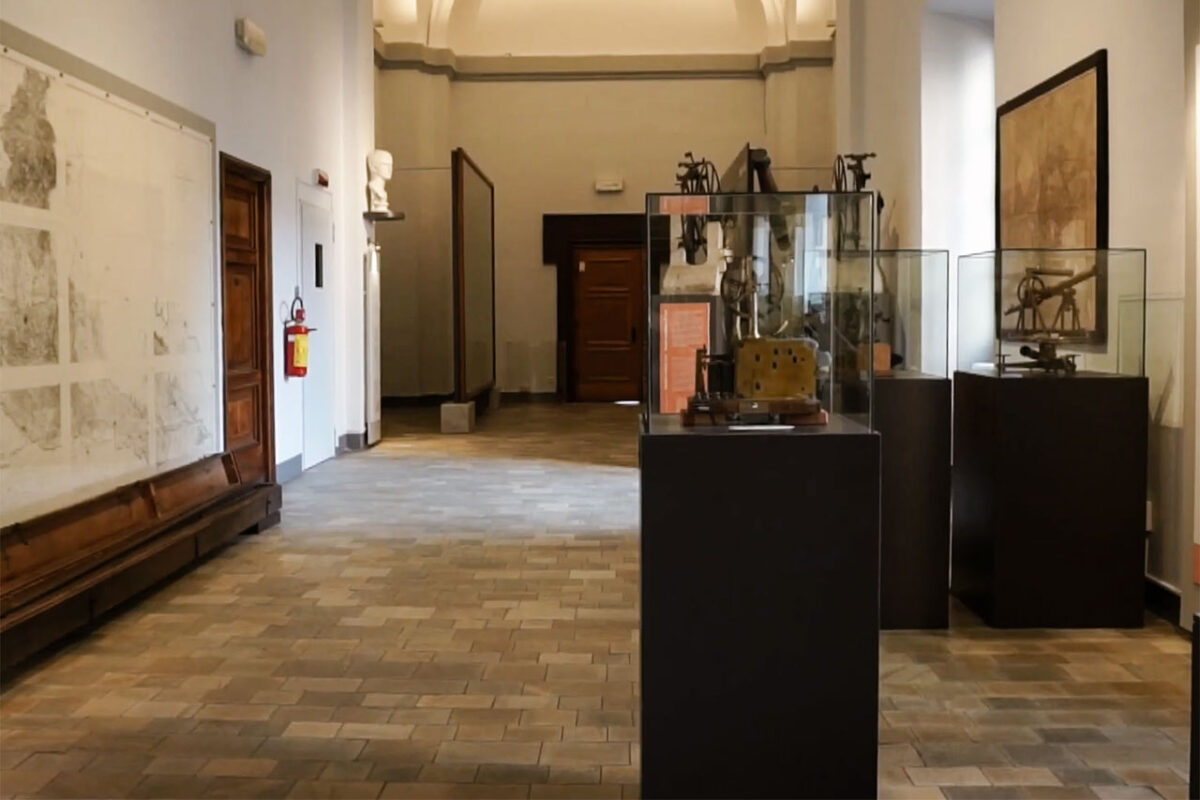
5. Astronomical Observatory – A Look into the Cosmos
On the roof of Palazzo Brera is Milan’s oldest scientific institution. From here, in the 19th century, astronomer Giovanni Schiaparelli conducted his famous observations of Mars. He spotted structures on the planet that he called “canali” (channels) – which sparked speculation about civilization on the Red Planet. Today we know these were optical illusions, but the romance of those discoveries remains.
Brera’s Streets: Get Lost and Find Something of Your Own
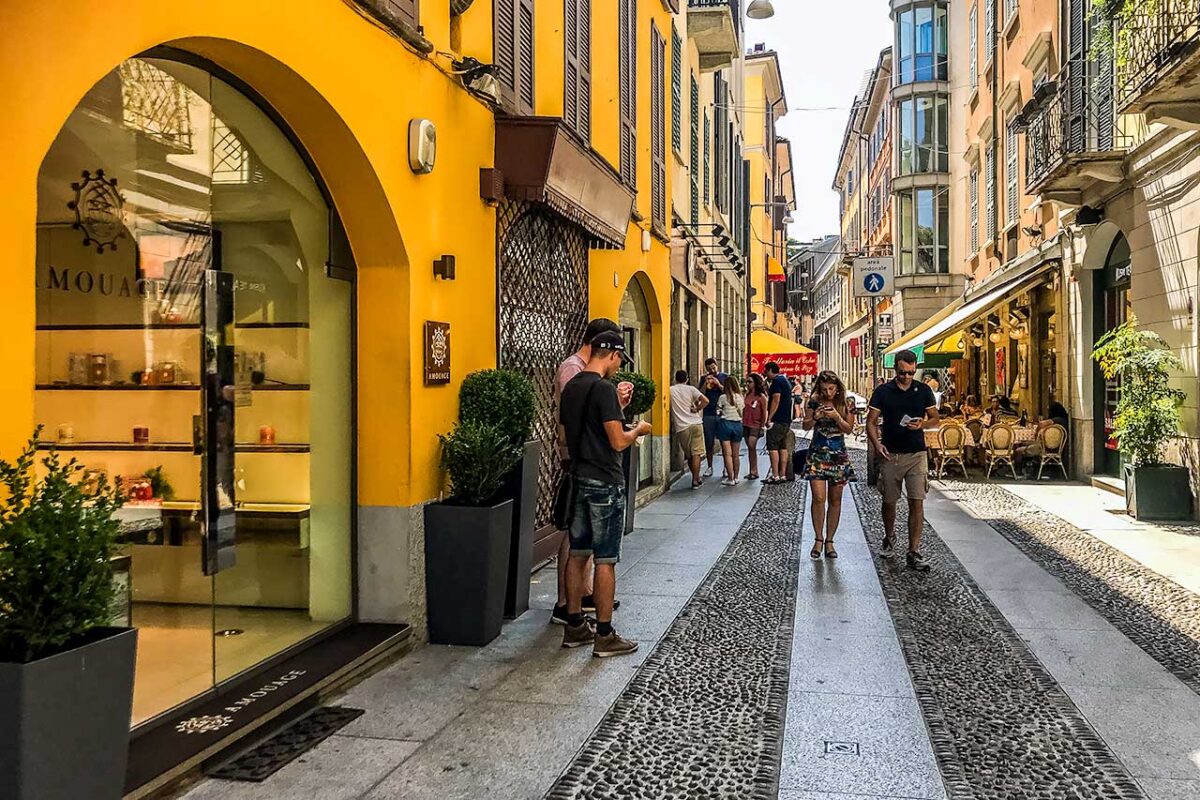
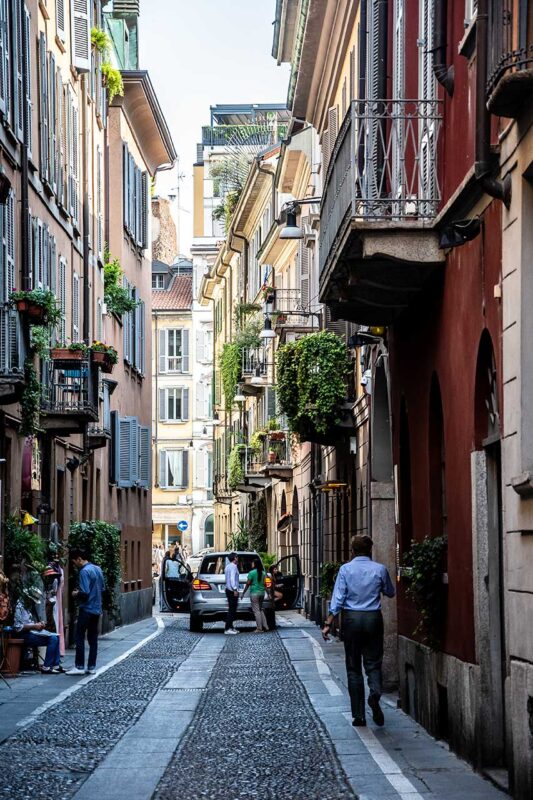
After leaving Palazzo Brera, the best strategy is… to get lost. Seriously. Put away the map and just follow where the narrow, cobblestone streets lead you.
Via Fiori Chiari and Via Fiori Oscuri: Streets with a Mysterious Past
While wandering the neighborhood, you’ll probably stumble upon them. Two streets with poetic names: Via Fiori Chiari (Street of Light Flowers) and Via Fiori Oscuri (Street of Dark Flowers). Today they’re full of boutiques, galleries, and cozy restaurants. But the history of their names is… more interesting than it might seem.
According to the “moral” theory, in the past Via Fiori Chiari was home to a girls’ boarding school for “pure” maidens from good families. Meanwhile, Via Fiori Oscuri… well, that’s where a famous brothel was located. The names were meant to reflect the “light” and “dark” character of both institutions.
According to the “territorial” theory, the names might have come from the colors of the banners of Milan’s former districts (sestieri): white-red and white-black.
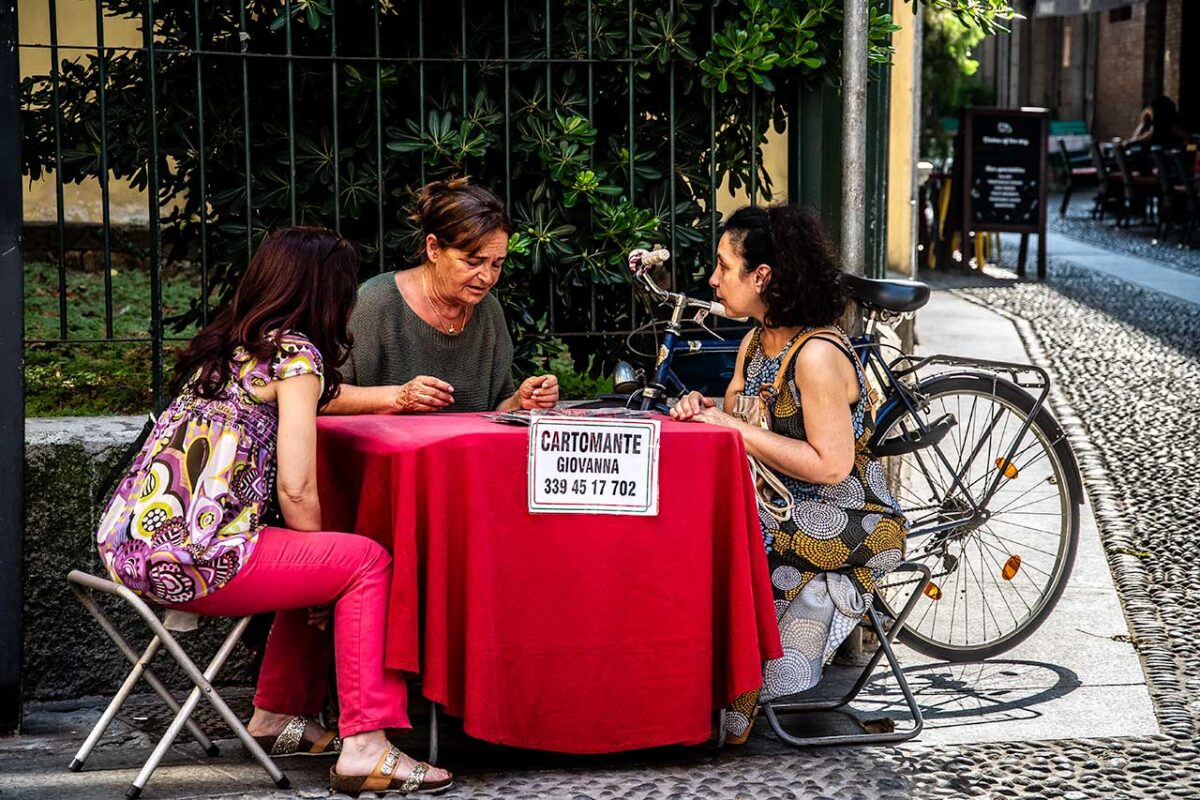
What’s the real story? We’ll probably never know. But the fact that until the 1950s Brera was known as a red-light district (it even earned the nickname “Contrada di Tett” – District of Breasts) adds spice to its history. Today nothing reminds you of that past, unless you count the fortune tellers who sometimes sit at tables on Via Fiori Chiari, waiting for clients.
Bar Jamaica: A Venue with a Legend
Via Brera 32 – remember this address. This is where Bar Jamaica has been located since 1911, a legendary venue that was the epicenter of Milan’s intellectual life throughout the 20th century.
Why here? Because Bar Jamaica had two things other places lacked: a modern Gaggia coffee machine and… a telephone. In the 1920s and 1930s, that was enough to become a literary salon.
Imagine steam from the brand-new espresso machine mixing with cigarette smoke, while Lucio Fontana sketched his ideas for slashed canvases on a napkin, and across the room Nobel laureates – Salvatore Quasimodo and Giuseppe Ungaretti – discussed poetry. At a nearby table sat Piero Manzoni, the same one who would later sign cans of his… hmm, natural metabolic products. Ernest Hemingway also stopped by the bar during his Milan visits. Heck, even Benito Mussolini used to come here before he became duce.
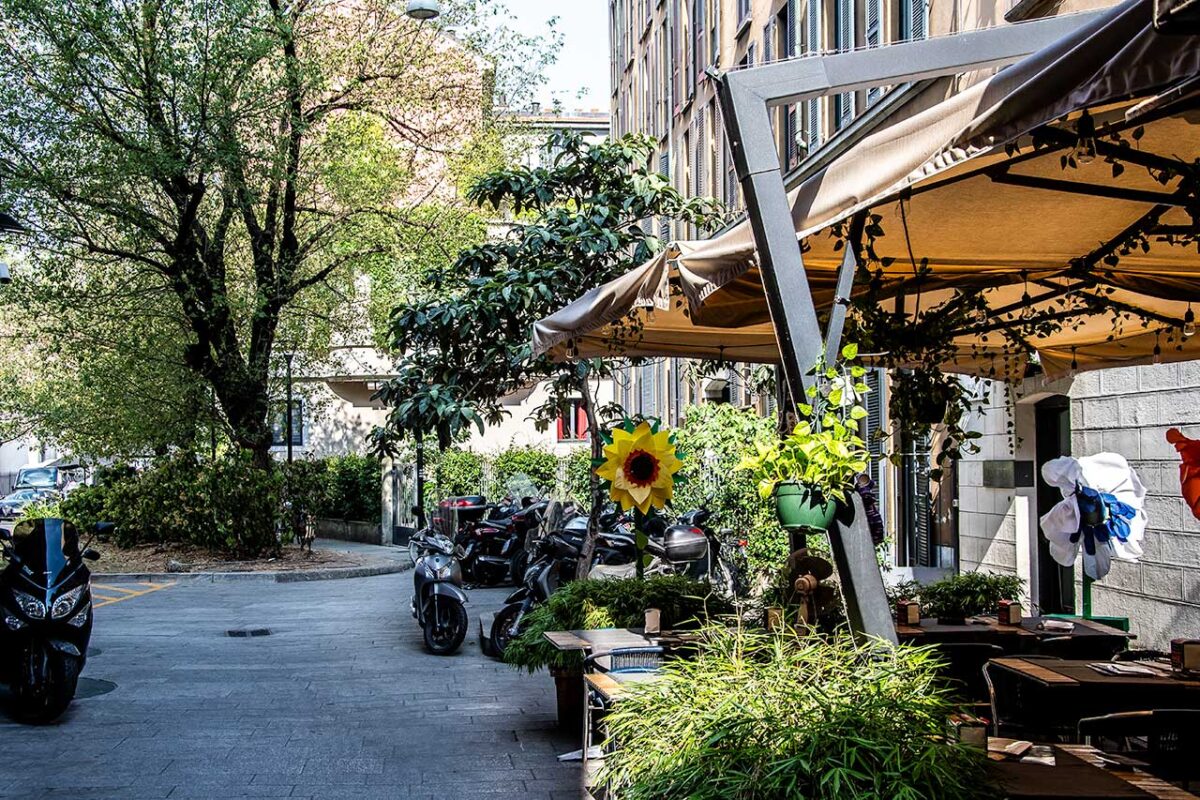
Today Bar Jamaica is still an operating venue. You can sit at the same bar where decades ago artists and writers held their conversations into the late hours. Prices aren’t the lowest (it’s a place with history, after all), but the atmosphere? Priceless.
Practical tip: Come here for aperitivo (around 7:00 PM). Order a Negroni Sbagliato or Campari with soda water, you’ll get a plate of snacks and can observe how Brera fills with tourists and locals.
Antica Farmacia di Brera – A 16th-Century Pharmacy
Via Fiori Oscuri 8 – this is where you’ll find one of Milan’s oldest pharmacies, founded in 1561 by the Jesuits. The pharmacy was famous for herbal medicines and natural remedies. In the early 19th century, Carlo Erba practiced here, who later founded Italy’s first pharmaceutical company (you can see the Erba name on many Italian pharmaceutical products today).
Today Antica Farmacia still operates. You can buy natural cosmetics, essential oils, and herbal preparations here. But even if you don’t buy anything, it’s worth looking through the window – the historic wooden furniture and shelves look like a movie set about old Italy.
What to See Nearby: Churches and Hidden Corners
Church of San Marco – Mozart and Verdi in One Place
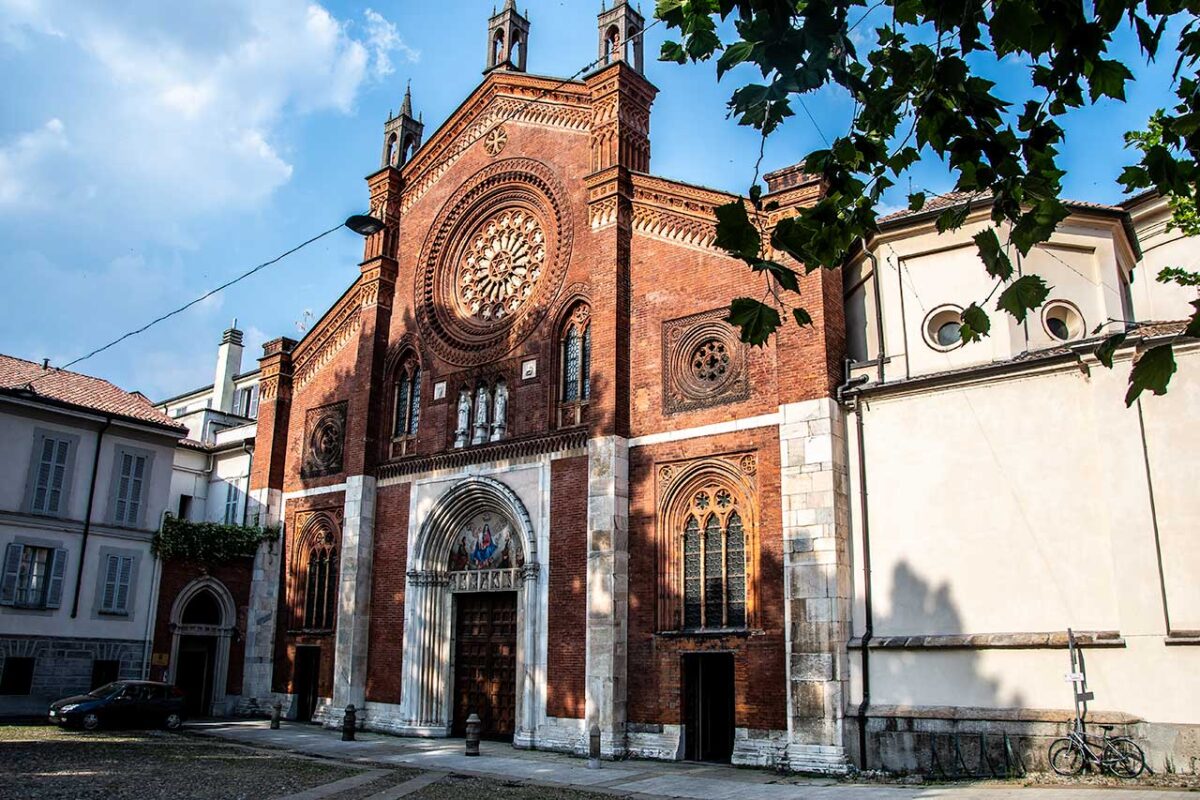
The Church of San Marco can boast something no other church in Milan can: two of music’s greatest geniuses left their mark here.
The first was fourteen-year-old Wolfgang Amadeus Mozart, who in 1770, during his three-month stay in Milan, played the organ in this church – the oldest in all of Lombardy!
A hundred years later, in 1874, Giuseppe Verdi stood here as conductor during the premiere performance of his monumental “Requiem.” He wrote the piece in honor of Alessandro Manzoni, a writer Verdi greatly admired. It was one of the most emotional events in Milan’s musical history.
Church of Santa Maria del Carmine – Where Students Pray for Miracles
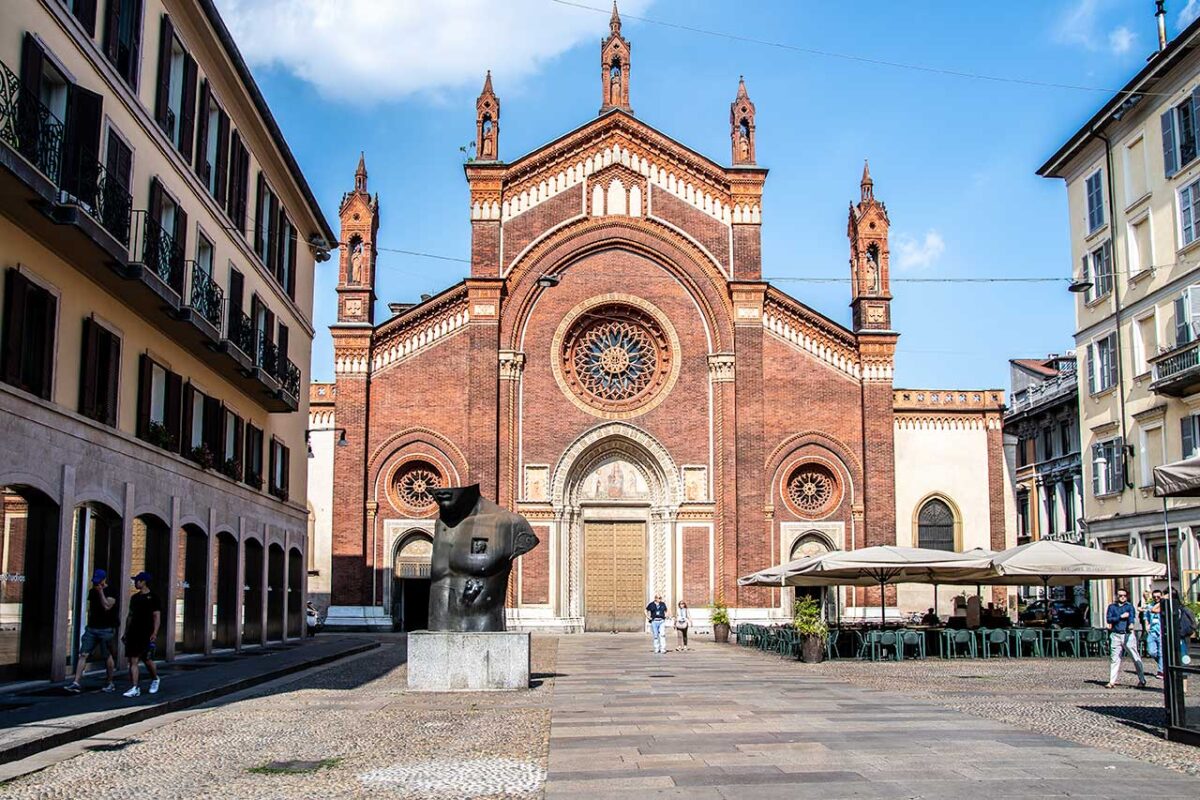
Piazza del Carmine is one of those squares where it’s good to just stop. Dominating it is the red brick Church of Santa Maria del Carmine, whose construction took over a hundred years (1339-1446). The facade you see today was added much later – it’s a neo-Gothic renovation from 1880. And in front of the church stands “Grande Toscano” – a monumental, cracked head by Polish sculptor Igor Mitoraj. The medieval church and contemporary sculpture create an interesting and unexpected duo.
But the real curiosity waits inside. Here, in one of the chapels, is a statue of St. Expeditus – patron saint of urgent and hopeless matters. And since students often have such matters (especially before exams), this saint enjoys considerable popularity in Milan. During exam season, you might see groups of students coming here hoping the saint will help them. Some say it works – though maybe it just gives them confidence before the exam.
Where to Eat in Brera District in Milan?
If you think Brera is just galleries and historic buildings, you’ll be surprised. Because it’s also a neighborhood where food is taken seriously, from morning coffee to evening aperitivo and dinner.
Aperitivo – The Evening Ritual of Milanese
Around 7:00 PM, Brera’s streets begin to fill. It’s aperitivo time – a Milanese ritual that’s more than just a pre-dinner drink. You buy a cocktail (usually Spritz, Negroni Sbagliato, or Campari), and you get access to a buffet of snacks. And here’s the thing: in good places, these snacks can be so abundant they easily replace dinner. Olives, focaccia, salads, pasta, mini-arancini – Italians really know how to do this.
Where to go for aperitivo?
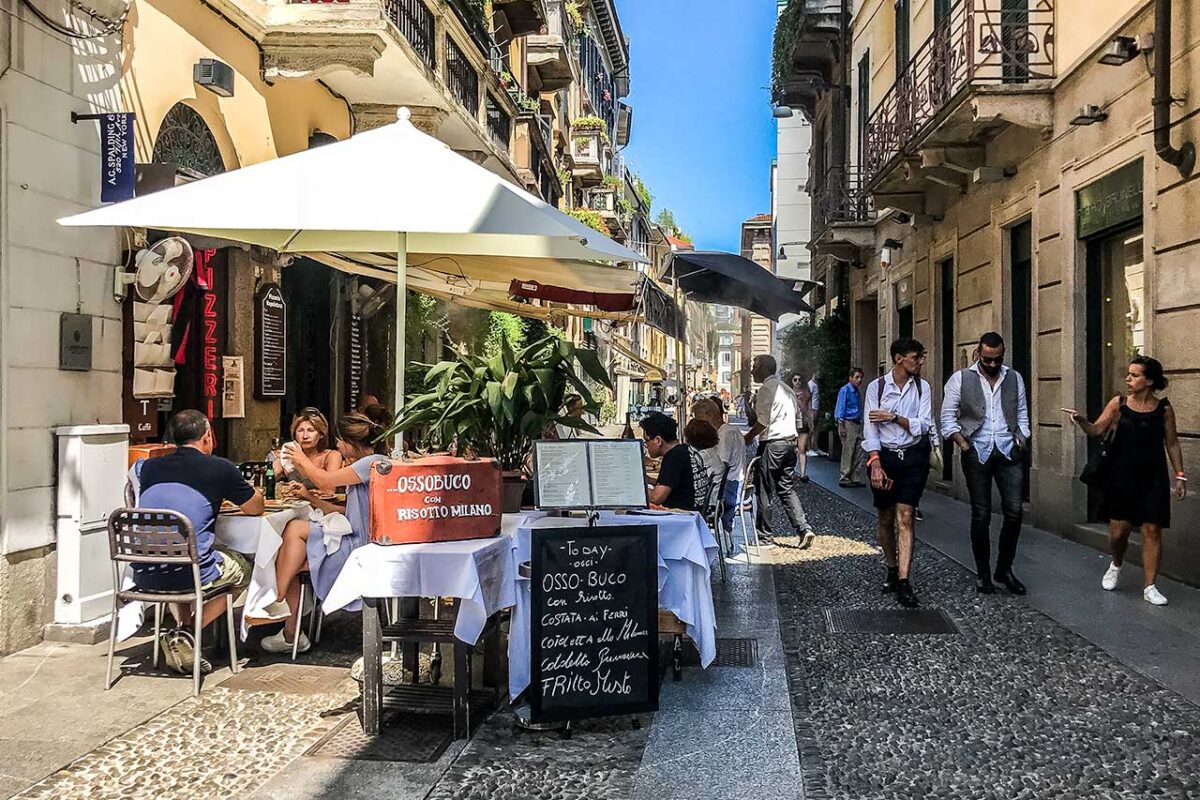
Traditional Milanese Cuisine – Classics You Must Try
If you’re looking for an authentic trattoria, look for a few things: are locals sitting there (not just tourists), is the menu in Italian (preferably without translations), and did the waiter accost you on the street yelling “bella pizza, bella pasta!”? That last one is a sure sign of a tourist trap.
What to order?
Where to try it?
Pizza and International Cuisine
Brera is also a cosmopolitan neighborhood, so if you don’t feel like Lombard classics, you have a wide selection of cuisines from all over Italy and the world. For Neapolitan pizza, check out Pizzium (Via Arco 1) or Da Zero (Via dell’Orso 4), specializing in Cilento-style pizza. If you prefer ramen, near Brera you’ll find Zazà Ramen (Via Solferino 48), as well as the new location of the cult restaurant Osaka, which moved to Via Anfiteatro 6. For fresh pasta made before your eyes, head to Osteria da Fortunata (Via Marco Formentini 1), the only authentic Roman trattoria in Brera.
Shopping in Brera: From Antiques to Vintage
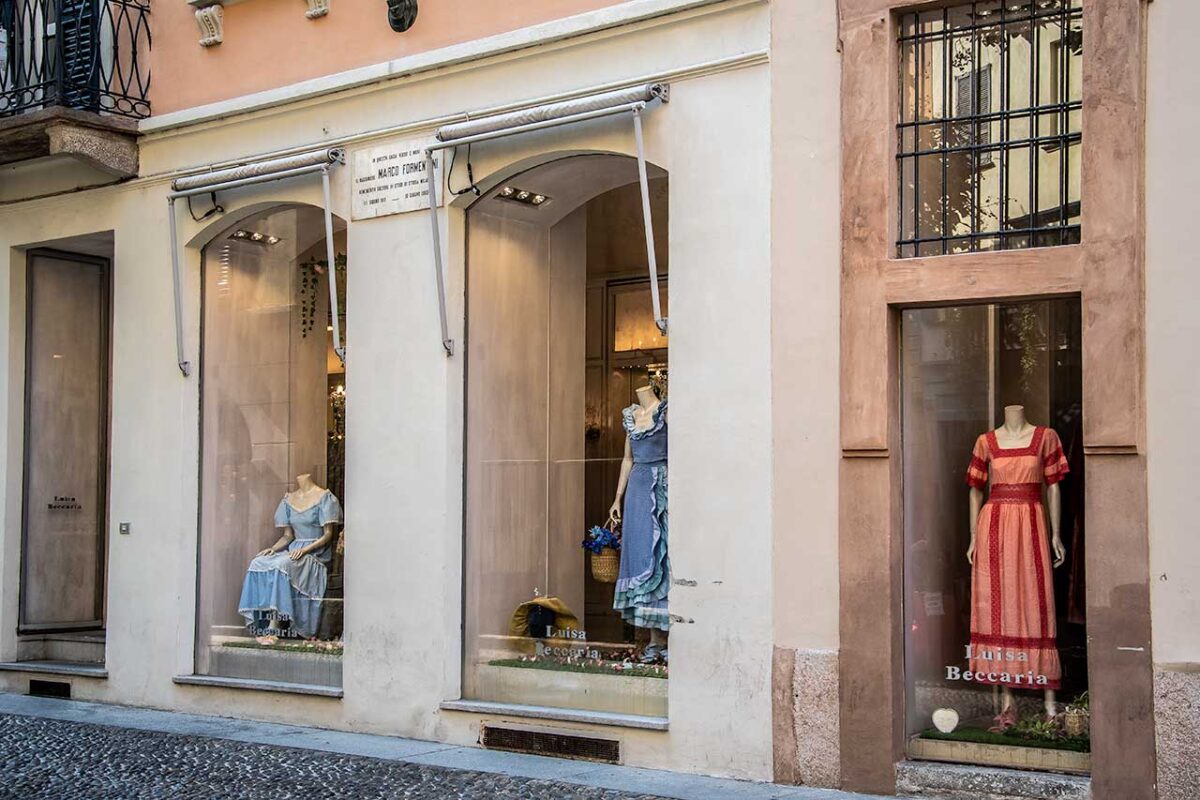
Brera isn’t a place for quick, mass shopping. It’s a neighborhood where objects have their history and… sort of a soul. Walking its streets, you’ll come across shops full of antiques and modernist furniture. Yes, sometimes they’re expensive, but it’s worth at least looking, if not deciding to buy.
Antiques and Art
The neighborhood is a hub for antique shops and modernism. If you’re looking for unique 20th-century furniture, visit Robertaebasta or Il Cirmolo.
Fashion and Boutiques
Fashion in Brera has a completely different character than in popular chain stores. Here you’ll discover vintage boutiques like Cavalli e Nastri, find niche Italian and foreign brands, as well as used clothing stores that give designer clothes a second life.
Niche Perfumes
The neighborhood also smells unique, literally! Brera is famous for exclusive perfumeries. At Diptyque you’ll smell French elegance captured in glass, and at Le Labo you’ll discover the New York philosophy of creating custom scents that are individually composed for each client.
For Artists
Don’t forget that Brera has always been an artists’ neighborhood. Someone forgot? Historic shops like Ditta Cesare Crespi, opened in 1880 and full of art supplies, or the historic stationery Pettinaroli from 1881 still operate here. Next to them appeared modern Rigadritto, where in an elegant interior you can buy designer notebooks, pens, and stationery.
Mercatino di Brera – A Market for Collectors
And if you hit Brera on the third Sunday of the month, prepare for a real collectors’ festival. Via Fiori Chiari and surrounding streets transform into a huge antique and modernist market. You can find everything here: from vintage jewelry and old vinyl, through furniture and paintings, to books that smell of past decades. It’s worth coming in the morning when selection is greatest, and don’t be afraid to negotiate – in Brera, bargaining is part of the tradition.
Brera Design District – A Week When the Neighborhood Becomes the World’s Epicenter
If you’re in Milan in April, you might catch Milan Design Week and the accompanying Fuorisalone. It’s when Brera practically explodes with creativity.
Streets, courtyards, galleries, and showrooms transform into exhibition spaces. International brands present new collections, young designers exhibit their prototypes, and you encounter art installations at every corner.
Brera Design District is the official name of this zone during Fuorisalone. If you’re interested in design, furniture, or architecture, it’s the best time to visit the neighborhood – though prepare for crowds and book your hotel in advance!
Practical Information: How to Get Around
Getting to Brera
Metro:
Trams: 1, 2, 12, 14
Buses: 61, 94
Walking from the center:
How Much Time to Spend in Brera?
It depends on your pace:
Where to Stay in Brera? Hotels, B&Bs, and Apartments
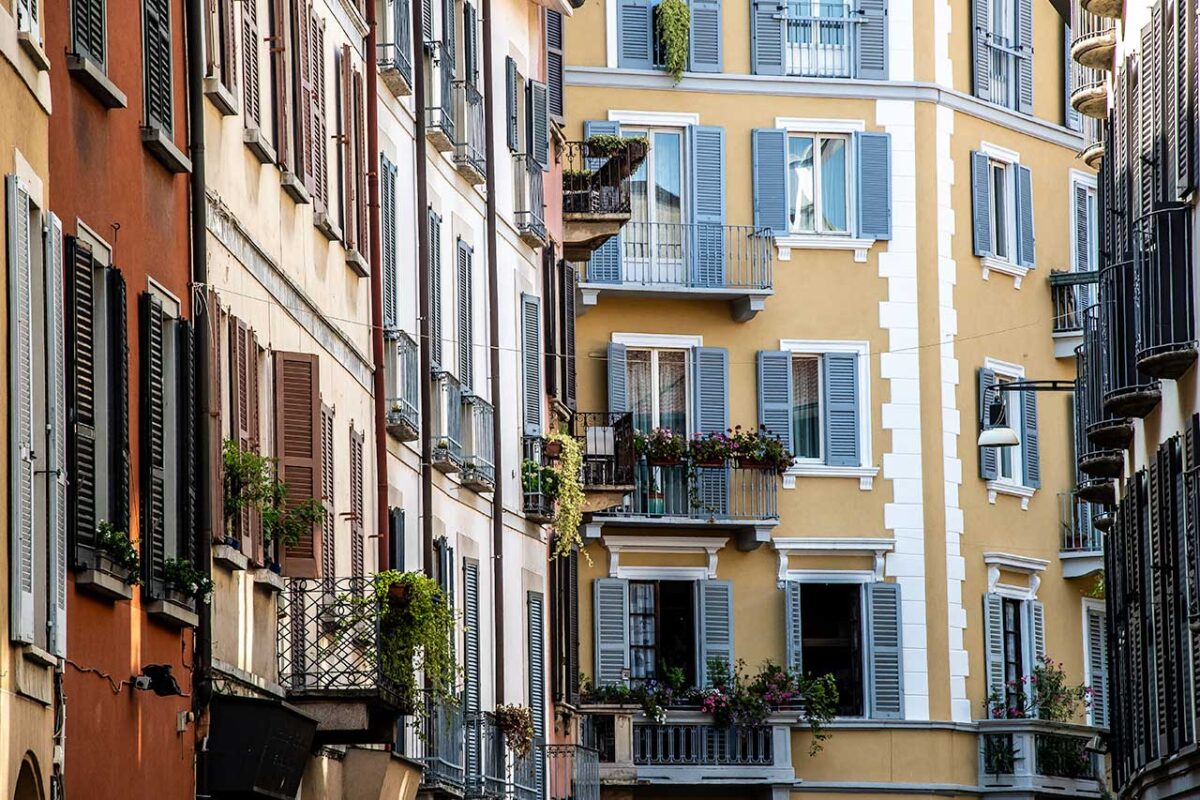
Brera is a great base for exploring Milan – you’re close to all the main attractions, and at night the neighborhood is quiet (at least compared to the center near the Duomo).
Let’s not kid ourselves: hotels and apartments in Brera aren’t cheap. You’ll pay more for a location in the historic center, but you gain atmosphere and proximity to everything. If you’re looking for quiet, avoid hotels on main streets like Via Brera or Via Solferino – it can get noisy in the evenings. The best accommodations are those hidden on side streets, where you have authentic atmosphere and peace.
Types of Accommodation
Boutique hotels – if you like design and comfort, you’ll find several great options in Brera. Casa Brera (Luxury Collection) is a five-star hotel with a rooftop pool and Etereo Rooftop restaurant – the perfect place for aperitivo with a view. The Unique Hotel Brera is a newly opened four-star hotel with balconies and a location in the heart of the neighborhood. Victor Boutique Hotel stands 150 meters from the Duomo but has a typical “Brera” atmosphere.
B&Bs – family guesthouses with character. B&B Brera has great location, comfort, and breakfasts – guests praise that “the place is much better than in the photos.” Milano Brera Relais is run by a friendly owner who will help with anything, and all main attractions are within walking distance. Brera Prestige B&B is a great choice if you’re looking for quiet – it’s on a peaceful street, has comfortable beds and good air conditioning. Suite Brera has large, beautiful apartments in the very heart of the neighborhood, though on weekends it can be noisy due to nightlife in the area.
Apartments – the best option for longer stays. LUMERA STAY at Piazza San Marco (2 minutes from the Pinacoteca) is boutique apartments with full amenities. Other recommended options are Cosy Nest in the heart of Brera – 500 meters from Sforza Castle, with WiFi and air conditioning, Cuore di Brera – 400 meters from La Scala, with exceptional charm, or Cozy Apartment Brera – modern interior decorated with great taste, which gets rave reviews.
Practical tip: Book in advance, especially during Milan Design Week (April) – that’s when prices skyrocket and availability drops to zero.
Read more about accommodations in Milan, recommended neighborhoods, and hotels in various price ranges in my accommodation guide.
Best time to visit
The most beautiful time to visit Brera is in the morning, between nine and eleven. The streets are quieter then, not many tourists yet, and craftsmen are just raising the shutters of their workshops. The smell of freshly ground coffee wafts from cafes, and neighborhood residents sit at tables, starting the day with espresso. It’s at this time that Brera reveals its most authentic face.
The afternoon in Brera, between three and six, is when the sun softly illuminates the cobblestone streets and gives them special charm. It’s also the best time to visit the Pinacoteca – after lunch the biggest crowds have dispersed, and touring becomes calmer and more pleasant.
In the evening, Brera lights up, and aperitivo time attracts residents and tourists to numerous venues. You hear laughter, conversations, and music that create a unique atmosphere. If you prefer a quieter vibe, it’s best to visit the neighborhood on Tuesday or Wednesday, because weekends can be noisier.
What’s Worth Knowing?
What’s Nearby? Where to Go After Brera?
Brera is located in the very heart of Milan, so most main attractions are within reach. Literally minutes walk separate you from Teatro La Scala – the world’s most famous opera house, Galleria Vittorio Emanuele II (Europe’s oldest operating shopping gallery), or Sforza Castle with its museums and vast Sempione Park.
If you feel like a longer walk (10-15 minutes), you’ll reach the Duomo Cathedral – a Gothic colossus with viewing terraces, or Quadrilatero della Moda, the golden square of fashion with Via Montenapoleone, where every luxury brand you’ve heard of is located. In the same time you’ll also reach the Porta Venezia neighborhood with its elegant buildings and green parks.
Santa Maria delle Grazie with Leonardo da Vinci’s “Last Supper” is about 20 minutes walk (but remember: tickets must be booked in advance, sometimes even several weeks!). The
Navigli
neighborhood with its canals and bars is a bit farther – you’ll get there fastest by metro, though you can also walk if you feel like a longer trek through the city.
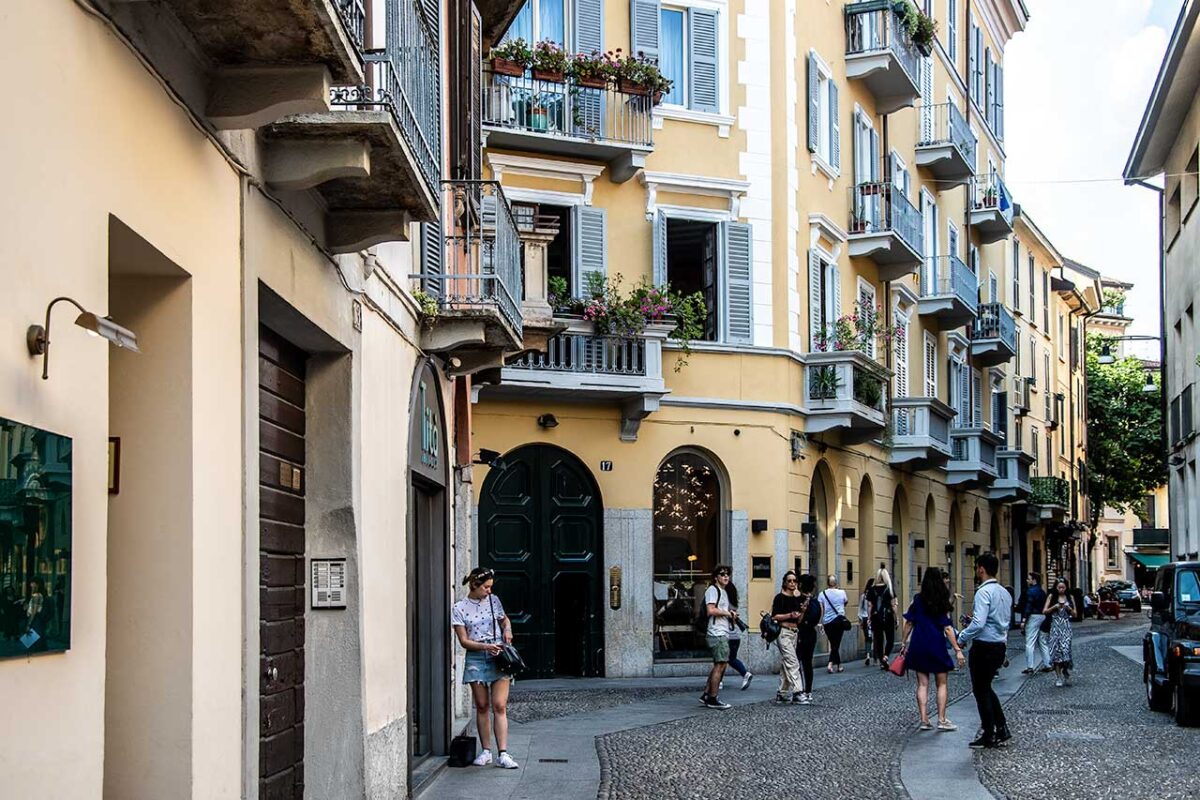
Brera – Why It’s Worth Stopping By
Milan can be exhausting – crowds, noise, lines at every attraction. Brera is different. Here you can slow down.
There are no spectacular views or crowds taking photos. But there are narrow streets that look like they’re from a movie about old Italy. There are bars where locals have been drinking aperitivo for decades. There are art galleries – from Caravaggio in the Pinacoteca to small artists’ studios in courtyards. There’s a botanical garden hidden behind palace walls. And there’s an atmosphere you can’t plan – you either feel it or you don’t.
The best way to experience Brera? Don’t plan every minute. See the Pinacoteca if you like art. Eat lunch at a trattoria where Milanese eat, not where the waiter pulls out menus on the street. Sit down for aperitivo in the evening and watch how the neighborhood changes after dusk. Get lost in Via Fiori Chiari and see where these streets lead you.
Brera isn’t a place for a quick “check-off.” It’s a neighborhood that makes Milan stop being just a business capital and become a city you want to know better.

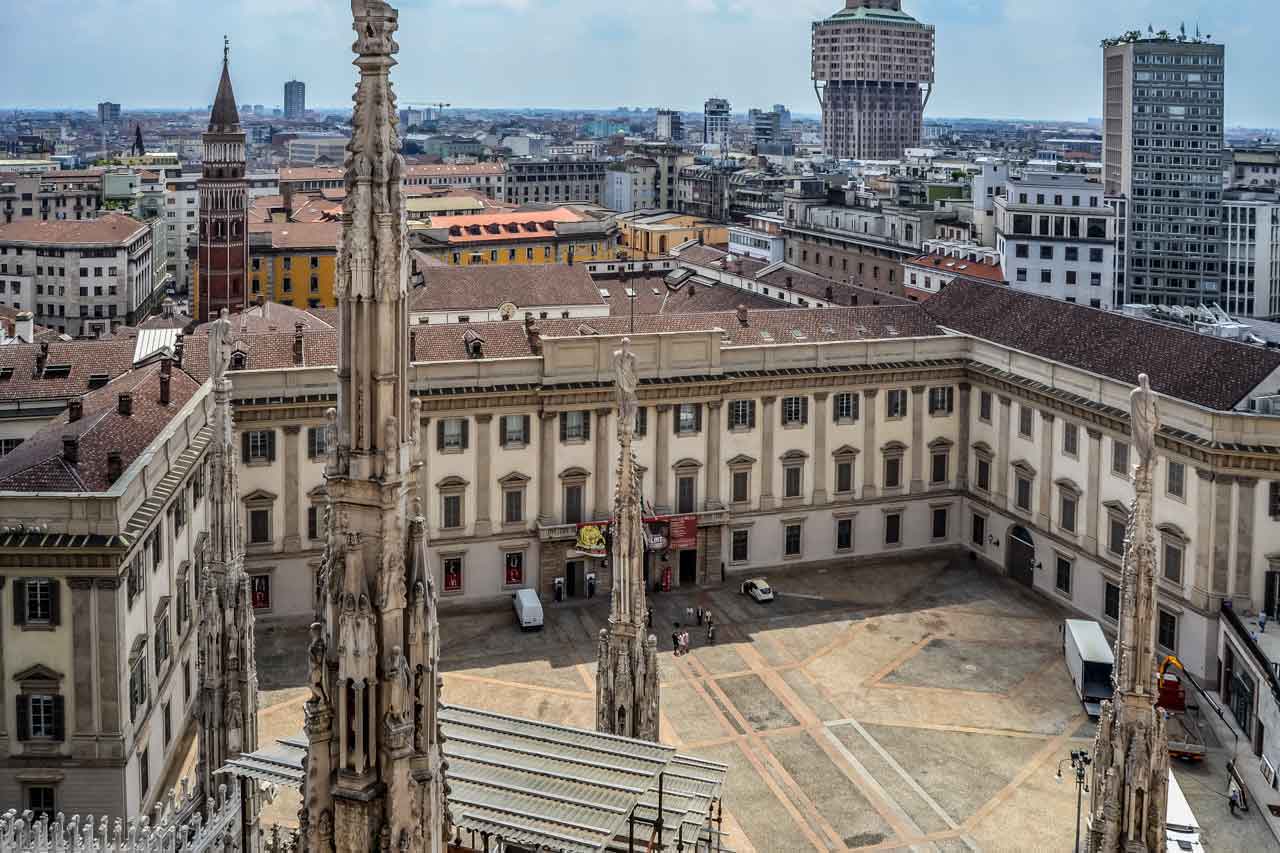
I lived in Milan for 18 years, and it was there that I came to know the city’s daily life best - not just its landmarks, but also its rhythm, its habits, and its less obvious sides. Today I live in Wrocław, but I still return to Milan regularly.