


 The Geographic Location of Milan – A Strategic Spot in the Heart of Europe
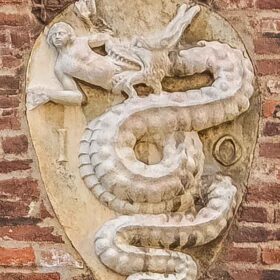 Milan’s coat of arms
 History of Milan
 Saint Ambrose
 History of Panettone
 Madonnina
 City Hall
 Milanese cuisine


You probably associate Milan with the Duomo, fashion shows, and derby matches at San Siro. But if you really want to experience the city, you need to start with a plate. With risotto alla milanese – golden, saffron-scented rice that’s been made in Lombardy for centuries. Creamy, thick, with an intensely yellow, distinctive color. Milanese have been eating it for generations, and no other risotto has the same status.
In Milanese dialect, it’s called risòtt giald – yellow risotto. And it’s precisely this color, this intense, sunny shade that makes the dish stand out from every other version of risotto. But more on the color and taste in a moment. Let’s start from the beginning.
The Legend from the Glass Workshop
The year 1574. In a workshop at the Duomo cathedral construction site, Flemish glazier Valerio di Fiandra and his crew are creating stained glass windows. One of the assistants – a young guy – is obsessed with saffron. He uses it to dye glass golden, and his colleagues simply call him “Zafferano.”
On the wedding day of the master’s daughter, during the wedding banquet, the assistant comes up with an idea that will change Milanese cuisine forever. He adds saffron to the rice. The guests first fall silent, staring at the golden plate, and then… they taste it and are delighted.
That’s how risotto alla milanese was born.
A legend? Probably. But even if the story is embellished, one thing remains unchanged –
What Makes Risotto from Milan Different?
No unnecessary additions. Rice, broth, butter, parmesan, and saffron – that’s enough. Milanese cuisine isn’t complicated.
Notice that saffron risotto is made with butter, not olive oil. This is typical for northern Italy, where butter is more readily available than olive oil. The second important distinction – this isn’t a wine dish. Some versions contain a bit of white wine, but the traditional recipe is based solely on broth. This allows the saffron to shine in its full glory.
Did You Know That:
How to Make Risotto alla Milanese – Step-by-Step Recipe
You don’t need culinary superpowers to prepare this dish. But you do need patience, good rice, and real saffron.
Ingredients (4 servings)
Preparation
Recipe Notes
What Does “All’onda” Mean?
This is the Italian term for the ideal creamy consistency of risotto. When you shake the plate, the risotto should wave slightly. It can’t be too thick or too thin. It’s a delicate balance achieved by adding the right amount of broth and butter at the end.
How Is Risotto alla Milanese Different from Other Risottos?
Primarily the saffron. Other versions of risotto may contain mushrooms, vegetables, seafood, wine. The Milanese version is minimalist. And it’s precisely in this simplicity that its strength lies.
The second distinction – the way it’s served. Risotto alla milanese is often served with ossobuco – braised veal shank in white wine. This combination creates one of the most classic Milanese dishes.
Another popular pairing is with cotoletta alla milanese – breaded veal cutlet. Golden risotto next to a golden cutlet – all of Milan on one plate.
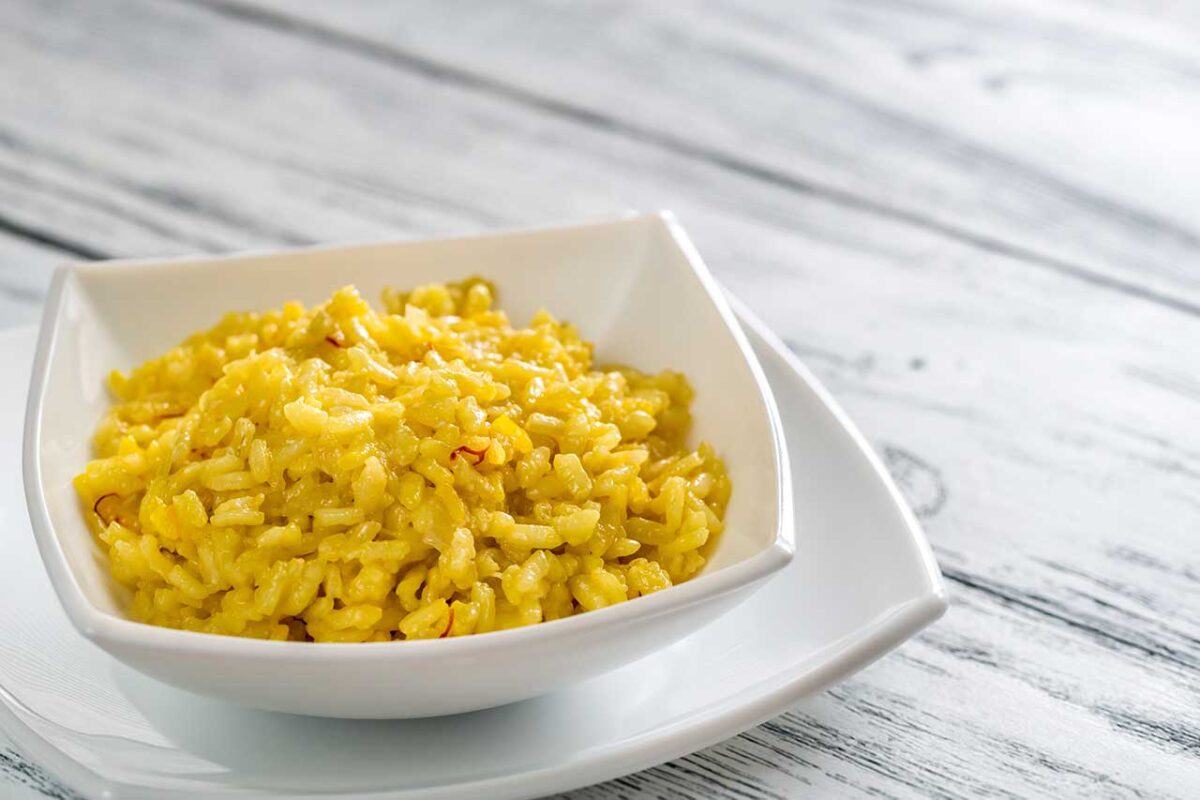
Risotto al Salto – The Next-Day Version
Got leftover risotto? Don’t throw it away. The next day you can make risotto al salto – the traditional leftover version. Just pan-fry the leftover risotto with a bit of butter until a crispy, golden pancake forms.
What Wine to Pair with Risotto alla Milanese?
White wines from Lombardy work best. Lugana is fresh and slightly mineral, Pinot Grigio is delicate and dry, and if you like bubbles, go for Franciacorta, an Italian sparkling wine that boldly competes with champagne. Avoid wines that are too acidic or strongly aromatic – saffron has a subtle flavor that’s easy to overpower.
Where to Eat Risotto alla Milanese in Milan?
You’ll find saffron risotto in practically every restaurant in Milan. But there are places where you should order it first.
Best Restaurants for Risotto alla Milanese
Ratanà (Via Gaetano de Castillia 28)
A modern restaurant in the Isola district, right by Bosco Verticale. Chef Cesare Battisti is famous for his interpretations of traditional Lombard dishes. His risotto alla milanese with ossobuco is considered by many to be the best in the city. The 5-course tasting menu is about 80 euros. Worth booking in advance.
Trattoria Masuelli San Marco (Viale Umbria 80)
A family trattoria since 1921. The third generation of the same family cooks here. Risotto tastes the way Milanese grandmothers used to make it – just a classic with no modern interpretations.
Antica Trattoria della Pesa (Viale Pasubio 10)
A historic place operating since 1880, where you can try both the classic version and the al salto version. The interior looks like it did in your great-grandparents’ time – wooden furniture, white tablecloths, no modern tricks.
Antico Ristorante Boeucc (Corso Monforte 16)
The oldest restaurant in Milan – operating continuously since 1696. In 2025, it returned to Corso Monforte, close to its original 17th-century location. Since 1979, it’s been run by the Brioschi family. Giuseppe Mazzini and Arturo Toscanini ate here. They’ve been making risotto alla milanese for generations using the same recipe.
Cracco (Via Victor Hugo 4)
The restaurant of Carlo Cracco – one of the most recognizable chefs in Italy. He serves golden risotto in an original version, far from tradition but definitely interesting. Prepare your wallet – this isn’t a cheap option.
Hotels Serving Risotto alla Milanese
Four Seasons Milano
At the Zelo restaurant, chef Fabrizio Borraccino serves his version of risotto alla milanese. It’s one of the most ordered dishes in the hotel.
Mandarin Oriental Milan
At the hotel’s Mandarin Garden bistro, this dish is among the most frequently chosen. A good option if you’re staying at the hotel and want to eat proper risotto without searching for restaurants.
How to Order Risotto in a Restaurant?
On the menu, you might come across risotto allo zafferano – it’s the same dish, just under a different name. Sometimes you’ll also find it written in dialect: risòtt giald. When the waiter asks if you want it all’onda, confidently say “yes” – that’s precisely the creamy, slightly fluid consistency that should wave on the plate.
And one more thing – risotto is made fresh, so waiting 20-25 minutes is normal. The cook must stand by the pot and stir, adding broth bit by bit. Nobody makes this in advance, so be patient.
Summary
You can eat risotto alla milanese in an elegant restaurant, an ordinary trattoria, or cook it at home. The recipe is simple, there aren’t many ingredients. But if you happen to be in Milan, definitely order it here, in the city where it was born. The taste will be the same as anywhere, but the context is different.
One more thing. Someone will probably ask about Thermomix. I understand the temptation is great – throw in the ingredients, press a button, do something else for half an hour. But risotto in a Thermomix is like espresso from a pod machine – technically possible, but why? The whole point of this dish is standing by the pot, stirring, watching the rice slowly change consistency, adding broth bit by bit. If you don’t have the time or inclination for that, make pasta. Risotto requires presence. And… a wooden spoon.

I lived in Milan for 18 years, and it was there that I came to know the city’s daily life best - not just its landmarks, but also its rhythm, its habits, and its less obvious sides. Today I live in Wrocław, but I still return to Milan regularly.