


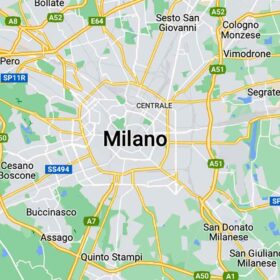
 The Geographic Location of Milan – A Strategic Spot in the Heart of Europe
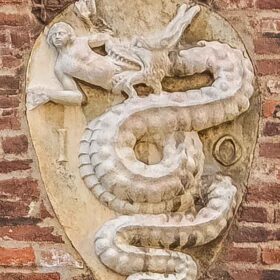 Milan’s coat of arms
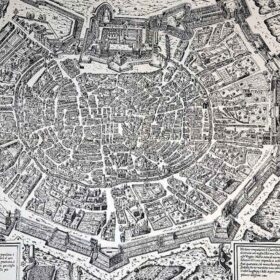 History of Milan
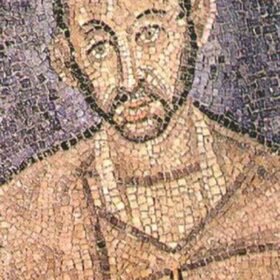 Saint Ambrose
 History of Panettone
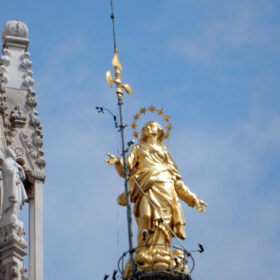 Madonnina
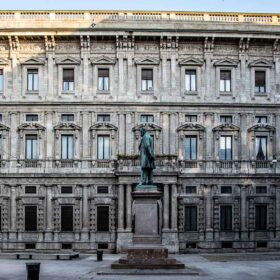 City Hall
 Milanese cuisine


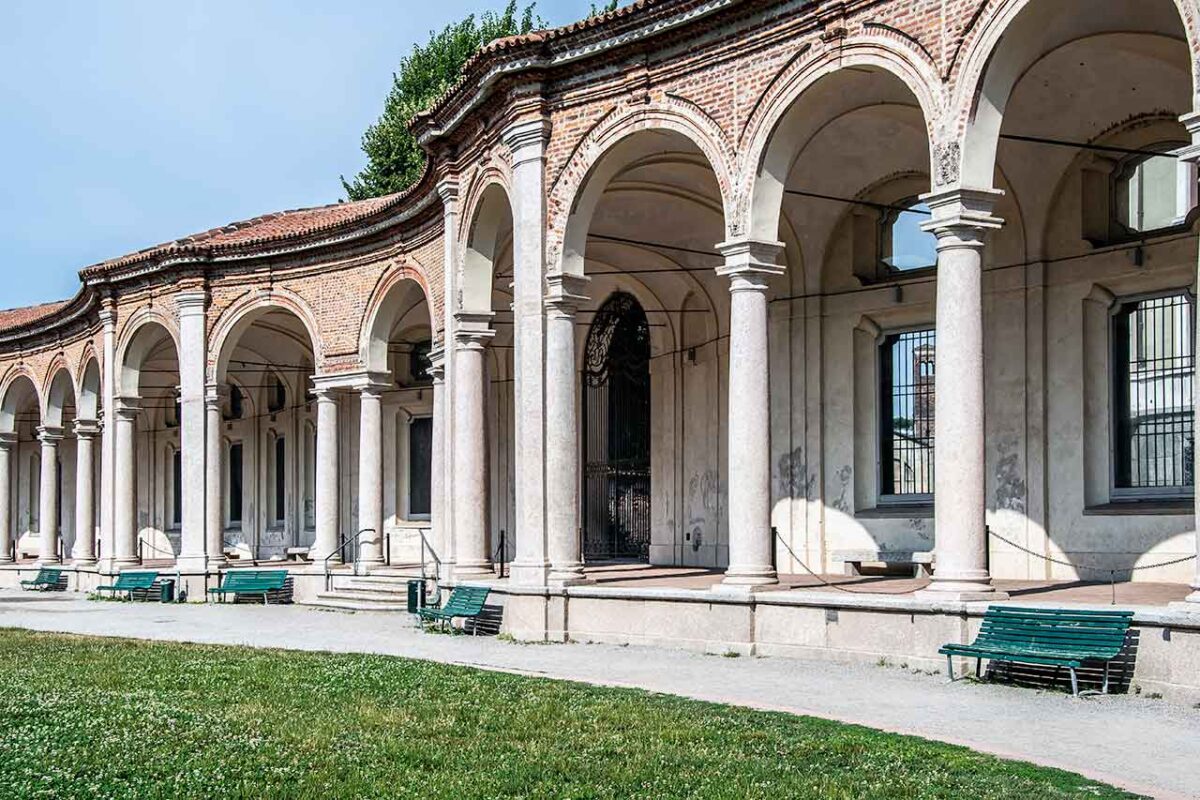
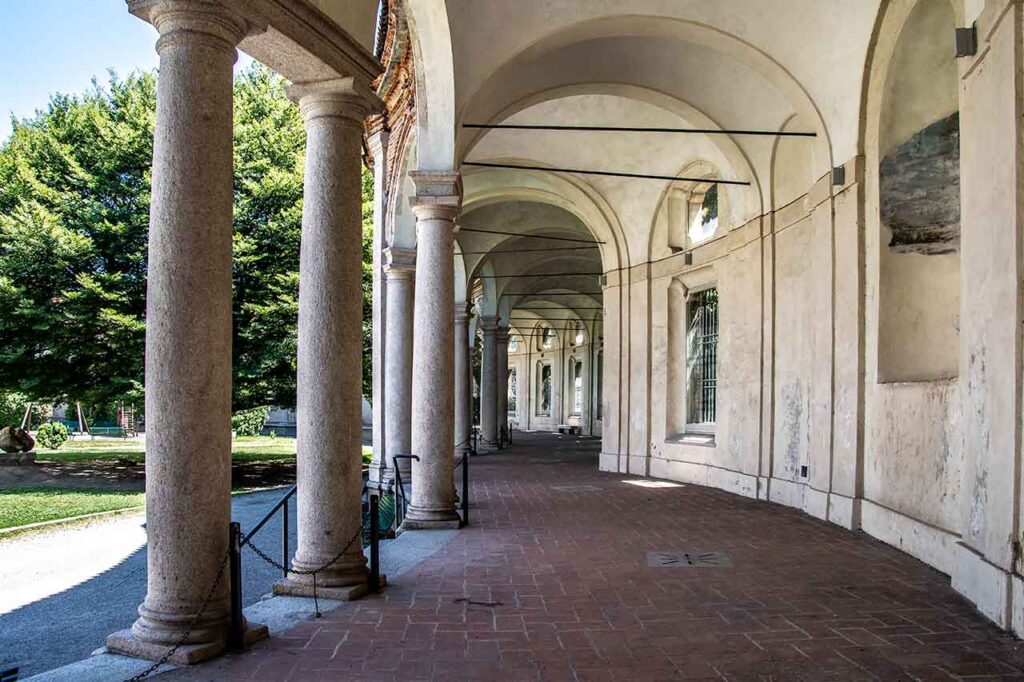
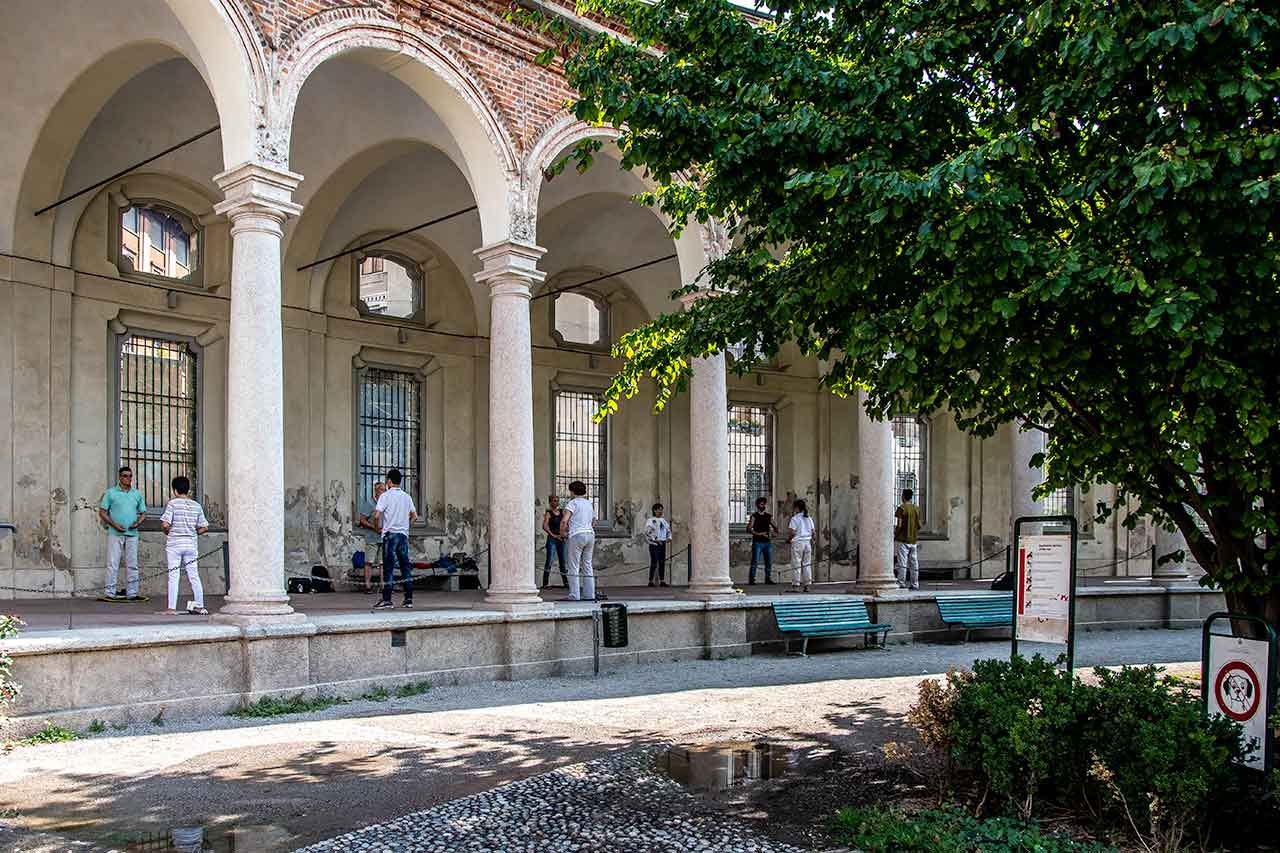
Just a few steps from the center of Milan lies a peaceful oasis known as La Rotonda della Besana. Here, amid the chaos and fast pace of the metropolis, visitors can escape into a world that seems to exist outside of time and space. This late Baroque-inspired complex consists of the former temple, a unique circular portico around which one can stroll, and a beautiful garden. Over its rich history, the Rotonda has served various functions. Today, it is a beautiful public space, often used for hosting artistic and cultural events, attracting visitors from diverse backgrounds. The name Rotonda della Besana, or more precisely Rotonda di via Besana, comes from the street it is located on.
A Historical Journey
The origins of La Rotonda della Besana date back to the early 18th century. In 1693, the Ca’ Granda chapter of the Milan hospital realized the need to relocate burial sites from within the hospital premises for hygiene reasons. Architect A. Arrigoni was commissioned to design a cemetery in an isolated area of the city, leading to the construction of the church of San Michele ai Nuovi Sepolcri and the completion of the portico in 1732.
Over time, the purpose of La Rotonda underwent several transformations. After 1814, the portico served as a storage space and a depot for contaminated goods. In 1848, during the military occupation, the inner arches were closed, converting the arcade into a stable. It wasn’t until 1858 that the hospital regained possession of the complex, converting it into a chronicarium, isolation ward for contagious diseases, and ultimately a laundry facility. Additionally, the building briefly served as a repository for portraits of the Ca’ Granda’s benefactors.
Rebirth as a Cultural Haven
In 1940, after years of neglect, the Rotonda was handed over to the municipality, which undertook restoration efforts and opened the surrounding spaces as a public park. The church itself became a permanent center for cultural and artistic events. Since the late 1960s, the Rotonda has hosted numerous exhibitions, showcasing diverse genres such as painting, sculpture, graphics, drawing, photography, architecture, comics, video art, and design. Its significance within Milan’s visual culture has cemented its status as a landmark in the city.
Architecture
The Rotonda della Besana is a late Baroque complex featuring the church of San Michele ai Nuovi Sepolcri at its center. Surrounding the church is a long, enclosed portico that borders an inner garden. The church, constructed by Attilio Arrigoni in 1713, exhibits a Greek-cross plan, with arms of equal length. Its exterior exudes simplicity, while the interior captivates with a harmonious arrangement of round arches supported by stone pillars adorned with Ionic order capitals, featuring Baroque iconography elements such as skulls and bones.
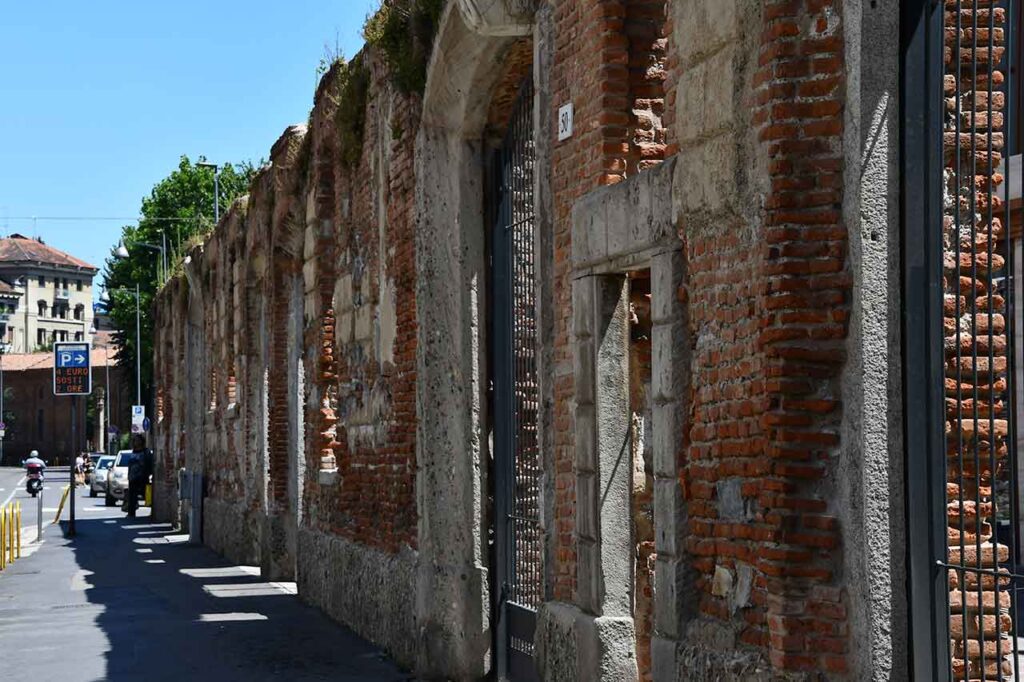
The enchanting portico boasts an undulating enclosure, comprising four large porticoed exedras with cross vaults and arches supported by slender white columns. These exedras alternate with smaller ones, creating a captivating rhythm. The brick exterior showcases arches on pilasters, accentuated by windows and oculi. The architecture seamlessly combines grandeur with lightness, allowing ample natural light to permeate the space.
A Modern-Day Haven
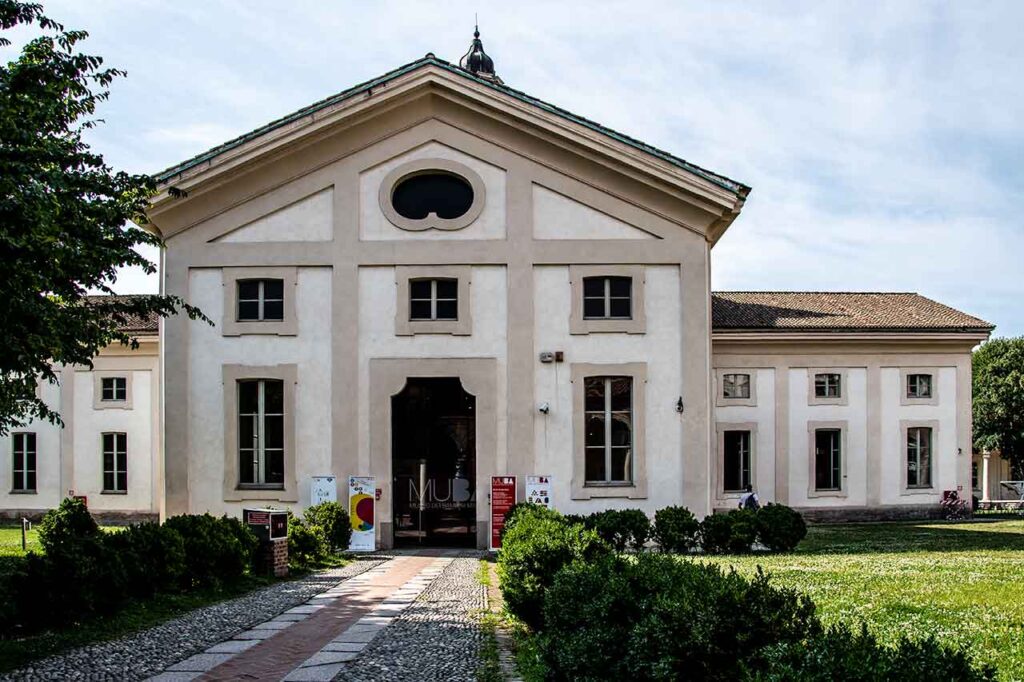
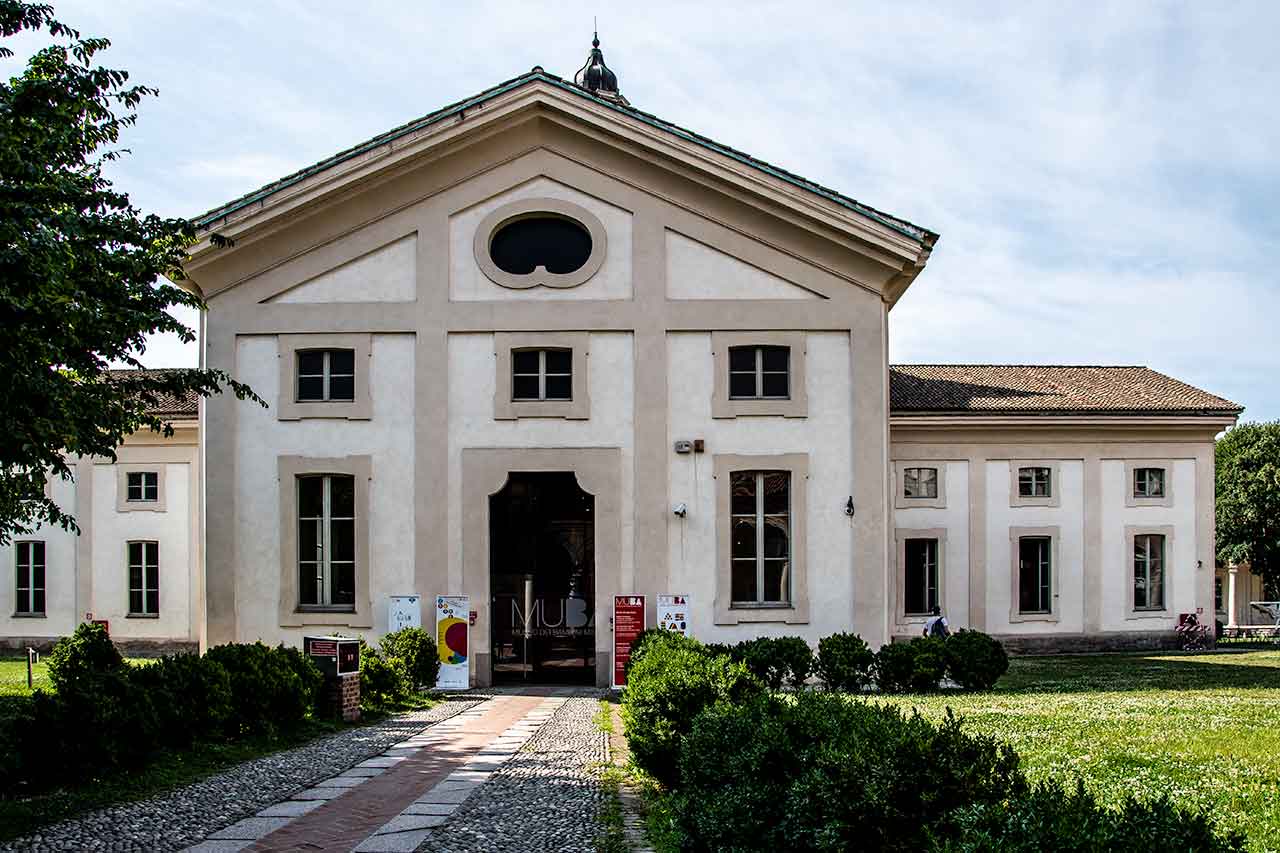
Today, the Rotonda della Besana stands as a cherished exhibition space and public green area, offering respite from the chaos of urban life. Temporary exhibitions, screenings, and cultural events breathe new life into this architectural gem. Since January 2014, the deconsecrated church has been transformed into MUBA, the children’s museum inspired by the renowned artist Bruno Munari. Here, children engage in playful activities and exhibitions, fostering creative thinking and discovery.
In addition, a Bistrot opened its doors in 2015, providing visitors with a unique experience. Immersed in the suggestive ambiance, patrons can enjoy special cocktails while savoring the enchanting surroundings of La Rotonda della Besana.
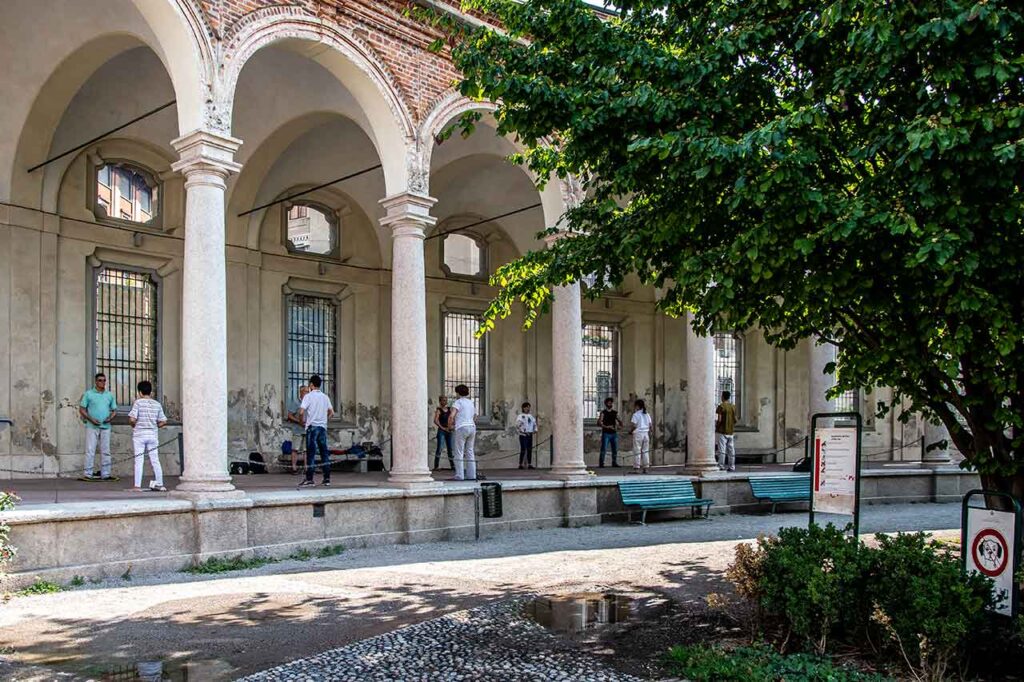
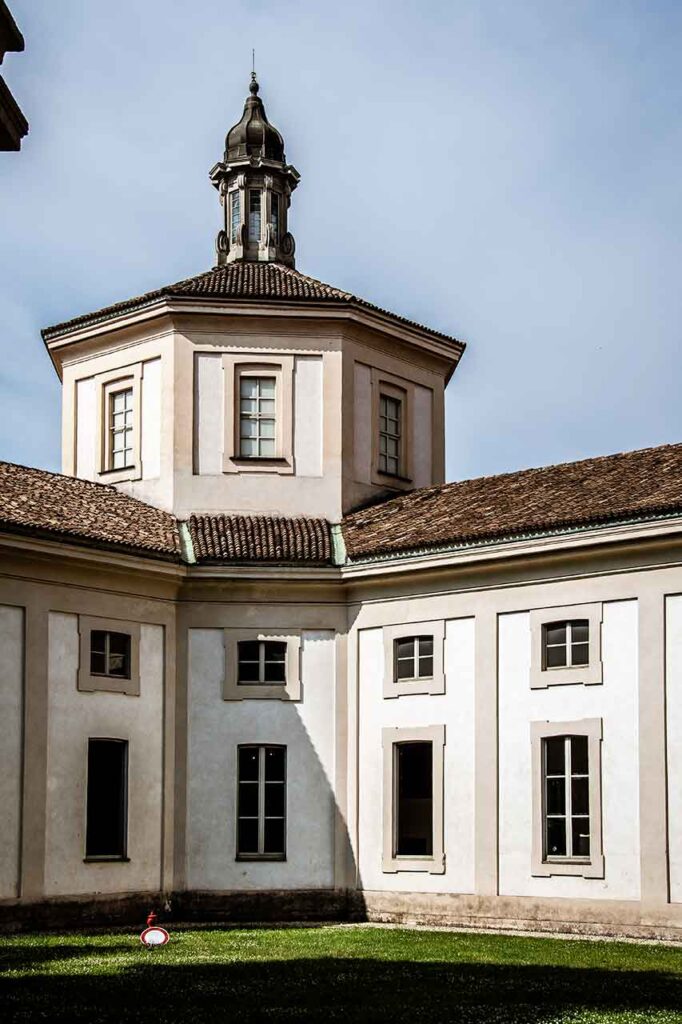
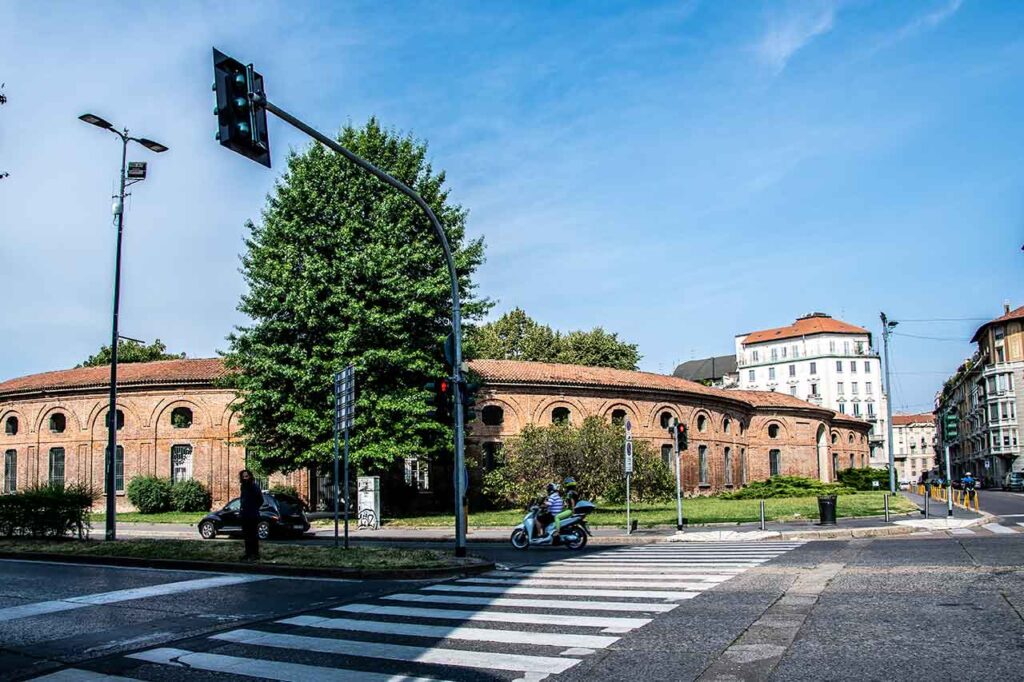
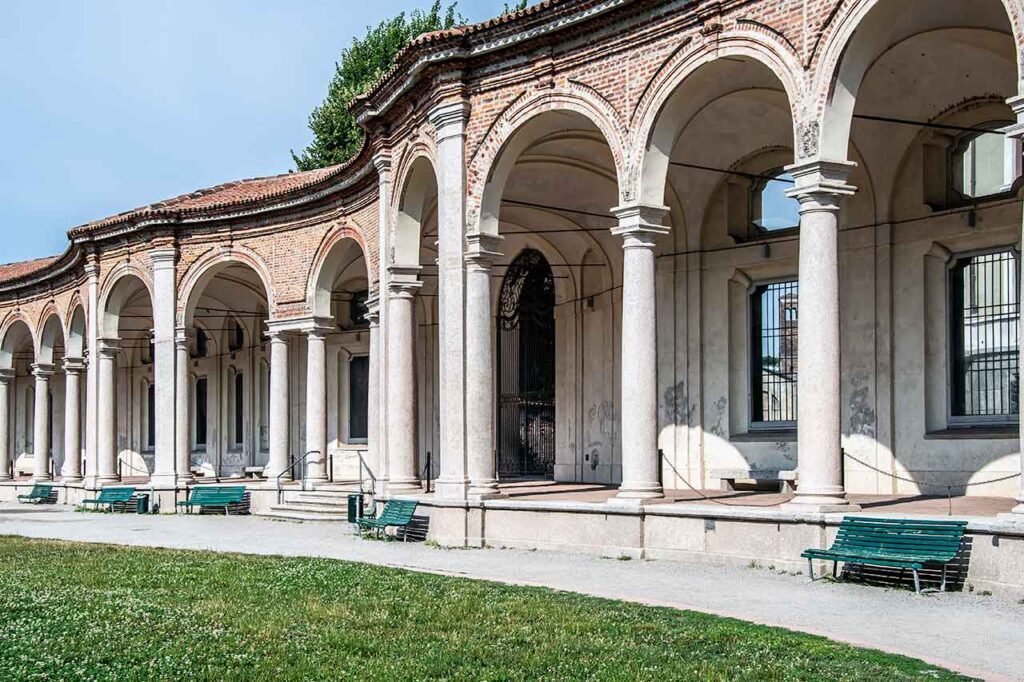

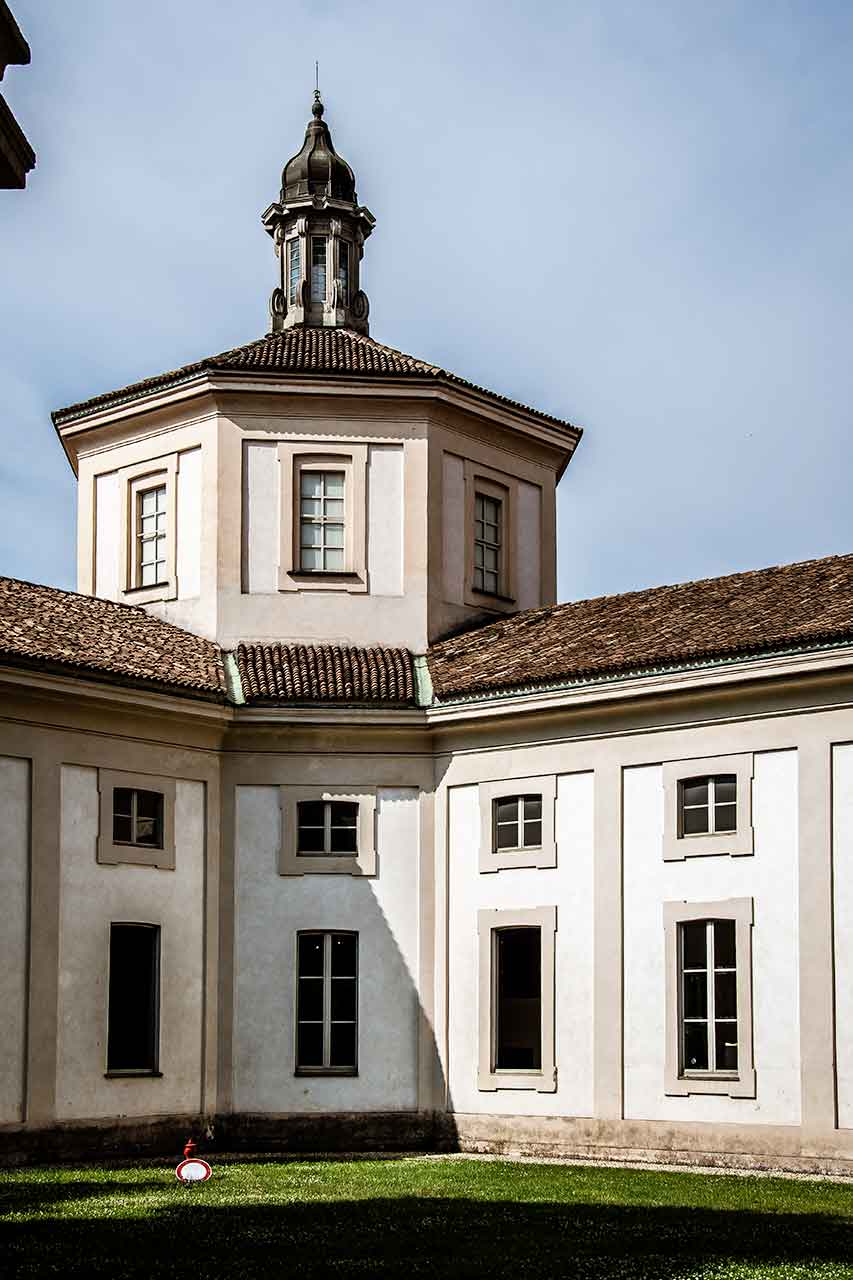


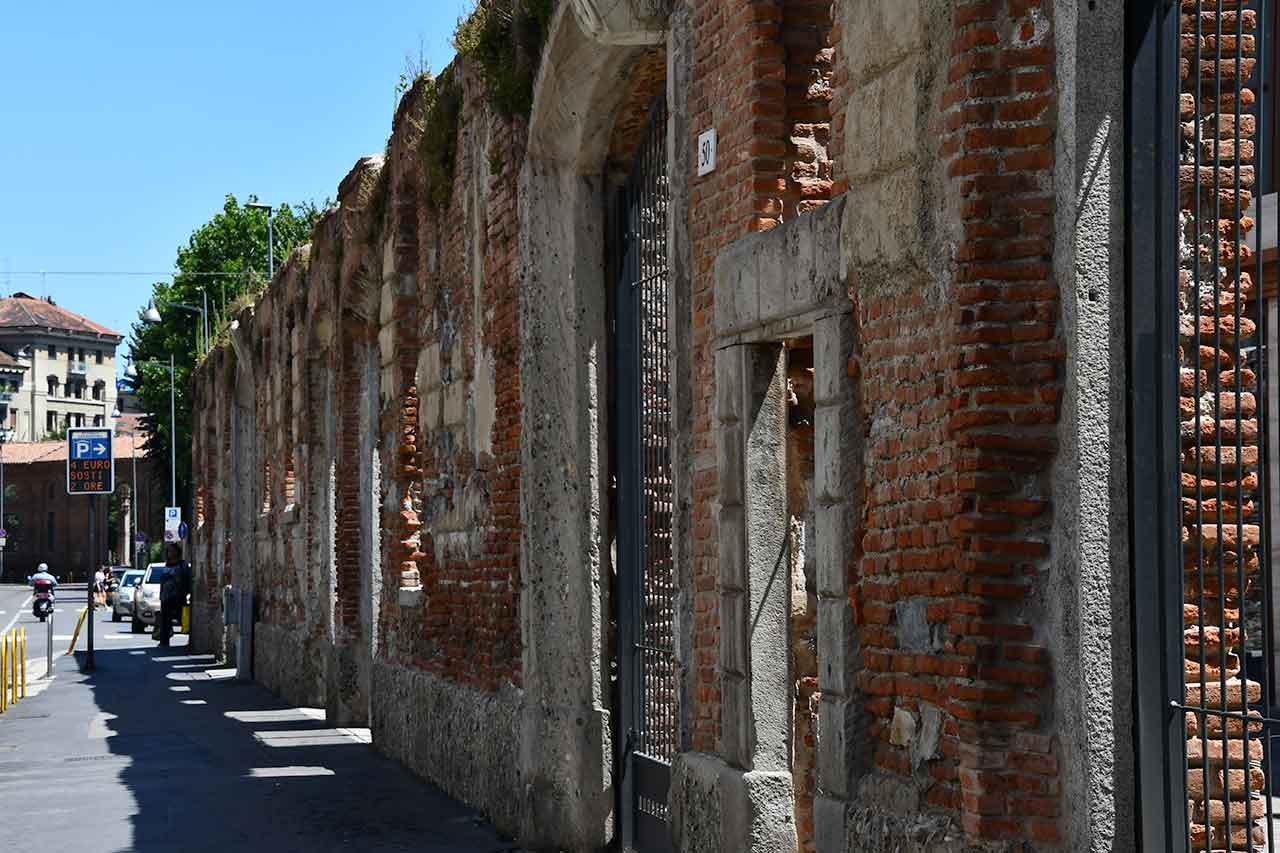

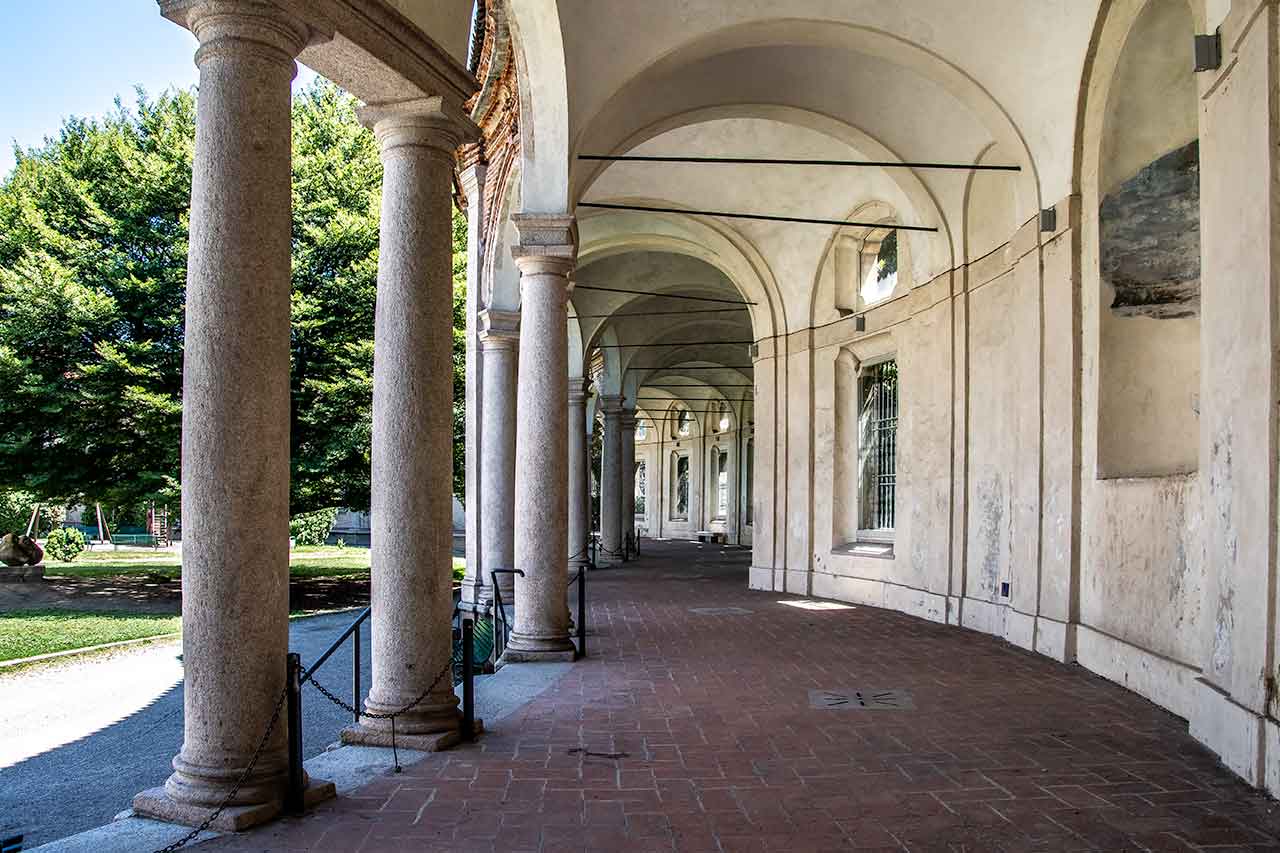
In conclusion, La Rotonda della Besana in Milan is a testament to the city’s rich history and vibrant cultural scene. Its metamorphosis from a cemetery to an art space and public park showcases the adaptive nature of this architectural masterpiece. As visitors explore the circular portico and marvel at the intricate details of the church, they can truly escape the bustling metropolis and find solace in the serene atmosphere of this hidden gem. La Rotonda della Besana stands as a symbol of Milan’s commitment to preserving its heritage and celebrating the arts, inviting locals and tourists alike to experience its magic firsthand.


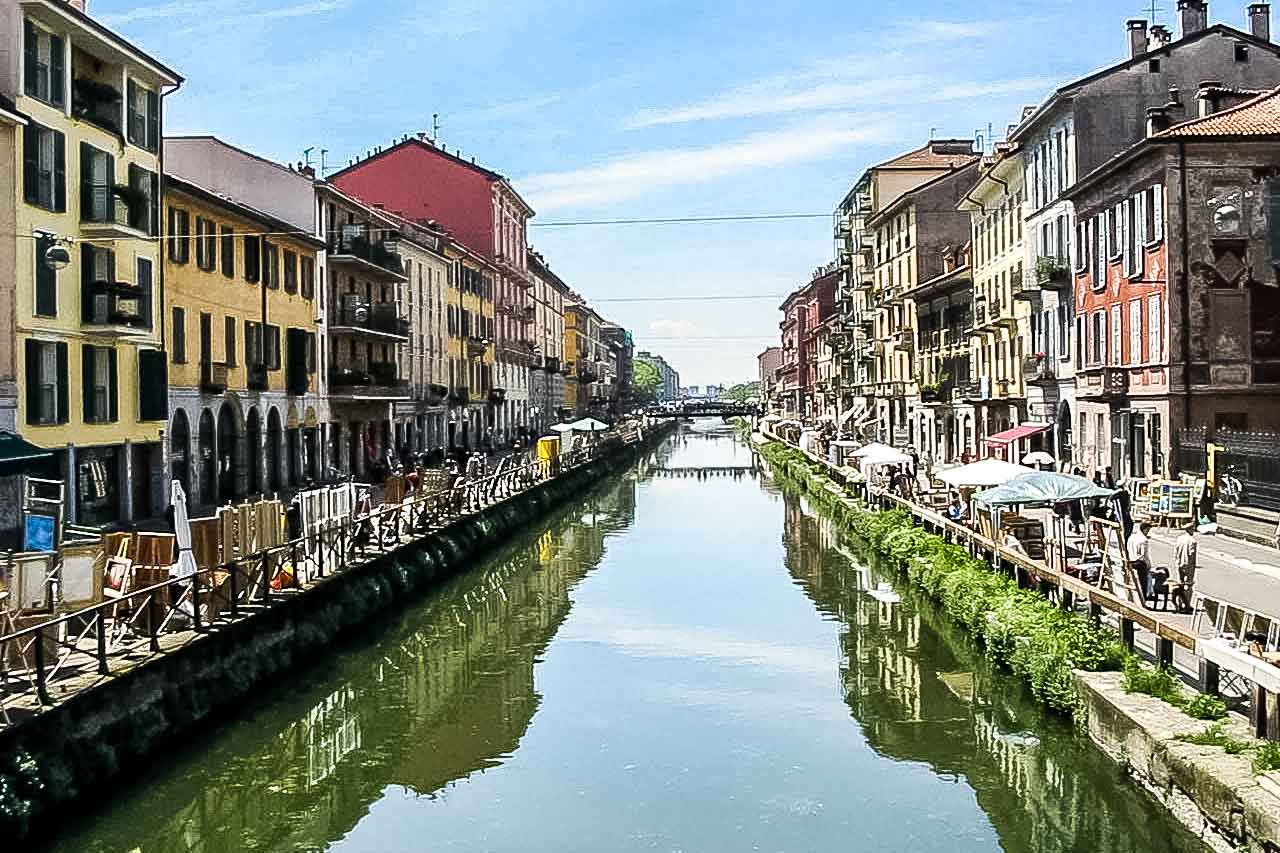
I lived in Milan for 18 years, and it was there that I came to know the city’s daily life best - not just its landmarks, but also its rhythm, its habits, and its less obvious sides. Today I live in Wrocław, but I still return to Milan regularly.