


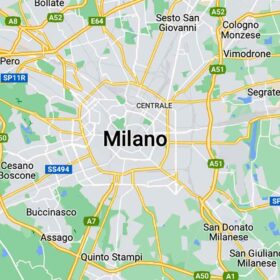
 The Geographic Location of Milan – A Strategic Spot in the Heart of Europe
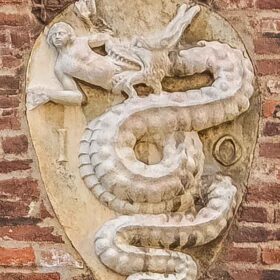 Milan’s coat of arms
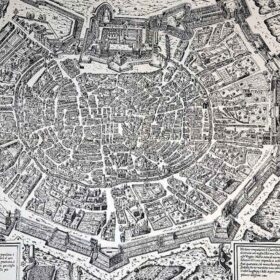 History of Milan
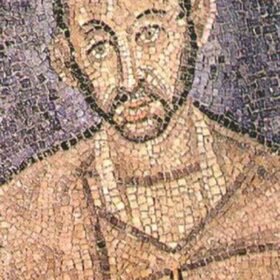 Saint Ambrose
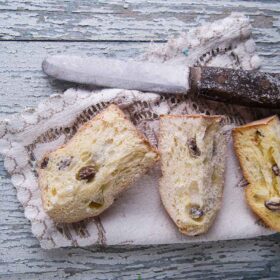 History of Panettone
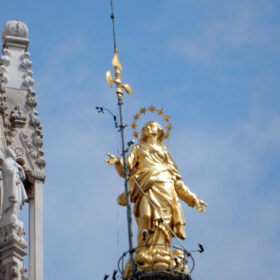 Madonnina
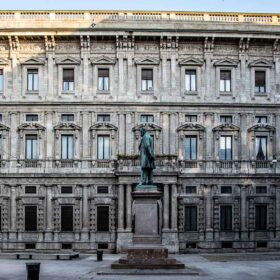 City Hall
 Milanese cuisine


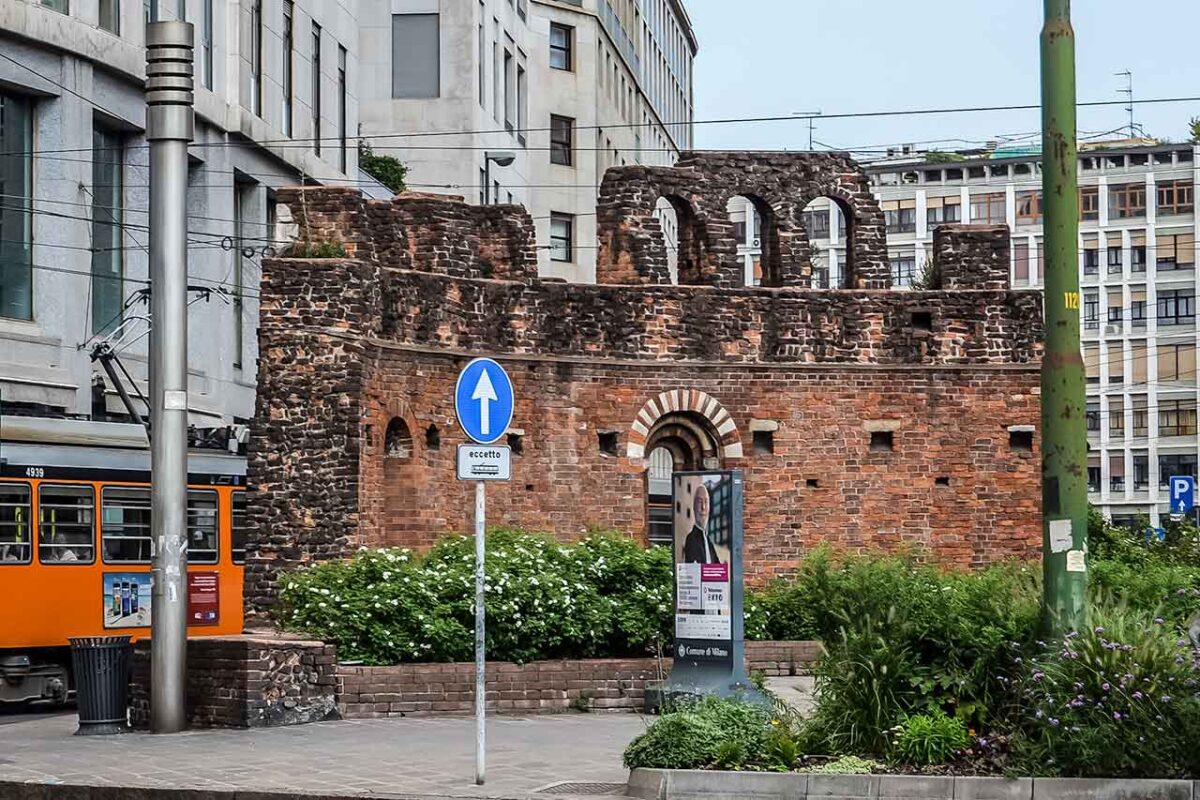
San Giovanni in Conca – a hidden crypt in the center of Milan
How often have we traversed Piazza Missori, scarcely casting a glance at the unassuming remnants nestled at the crossroads of Via Albricci and the square? I must confess, for years I managed to accomplish this feat with remarkable success. In fact, I toiled away in an office graced with windows that overlooked this very ruin, yet the thought of investigating its mysteries never once crossed my mind. Until that fateful moment, that is!

Unbeknownst to many, the jumble of weathered stones before us is, in fact, the vestiges of an ancient church that traces its origins back to the early Christian era. These humble ruins, crowned by a Romanesque apse, serve as a poignant reminder of the once majestic presence of San Giovanni in Conca, one of Milan’s oldest and most revered basilicas. Alas, time has taken its toll, leaving behind mere remnants of masonry and a clandestine crypt, the sole survivor of its former glory. To uncover this hidden treasure, one must embark on a quest, navigating a labyrinthine path and surmounting a short staircase concealed by an overgrown hedge. There, amidst the hush of secrecy, lies the crypt, a silent witness to the passage of centuries, untouched by the tides of change.
A journey through time
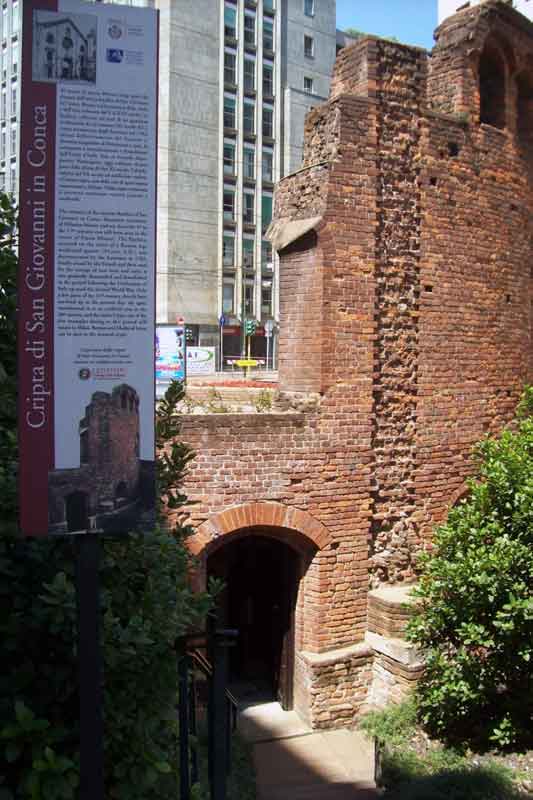
Stepping into the Crypt of San Giovanni in Conca is like embarking on a journey through time. The site boasts a diverse range of finds, particularly from the mid-first and second centuries, showcasing the exquisite compositional structure that characterized the decorative elements of buildings in ancient Milan.
Archaeological Marvels
Among the notable artifacts housed within the crypt are fragments of a sarcophagus, possibly depicting a warrior, offering a tantalizing glimpse into the funerary practices of the time. Another captivating piece is a fragment showcasing a figure of a togatus, shedding light on the fashion and attire of the era. These archaeological marvels provide valuable insights into the lives, customs, and beliefs of ancient Milanese inhabitants.
Early Christian Basilica Remnants
The Crypt of San Giovanni in Conca also preserves fragments of the floor from the early Christian basilica, crafted using the intricate opus sectile technique. This technique involved the arrangement of colored marble and stone pieces to create intricate patterns and designs. These remnants offer a captivating glimpse into the architectural splendor of the early Christian period and highlight the skilled craftsmanship of the artisans who once adorned the basilica.
Romanesque-Lombard Sculptural Masterpiece
One of the most captivating features of the crypt is a remarkable pillar capital dating back to the 11th-12th centuries. This exquisite piece exemplifies the renowned Romanesque-Lombard school of sculpture, which blended elements of Romanesque and Lombard artistic traditions. Adorned with intricate carvings and detailing, the capital stands as a testament to the mastery of the sculptors who contributed to the rich artistic legacy of Milan.
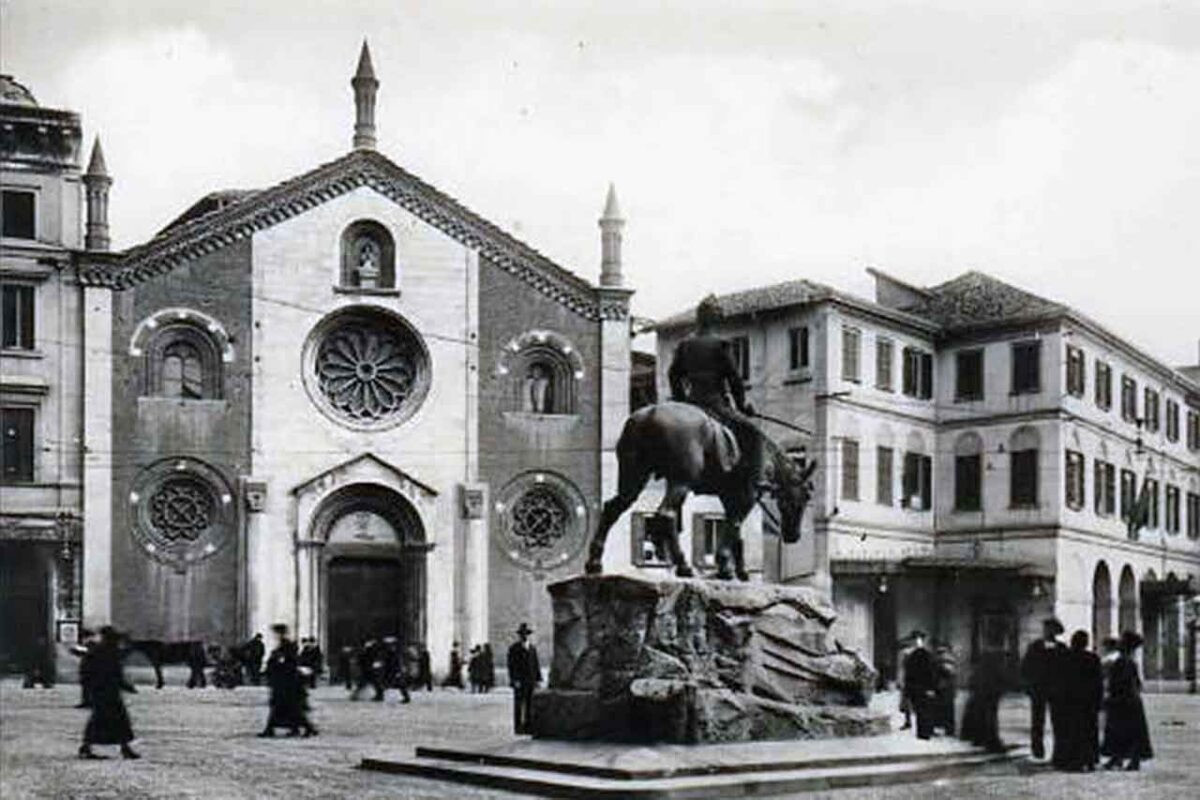
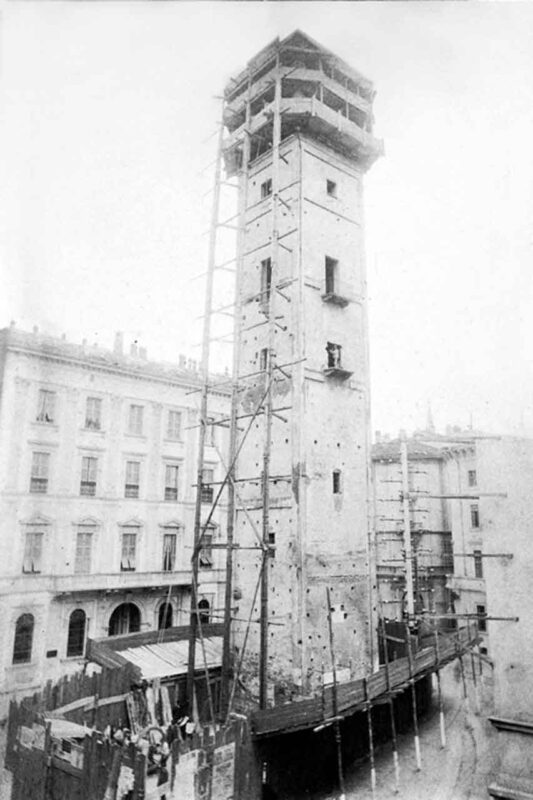
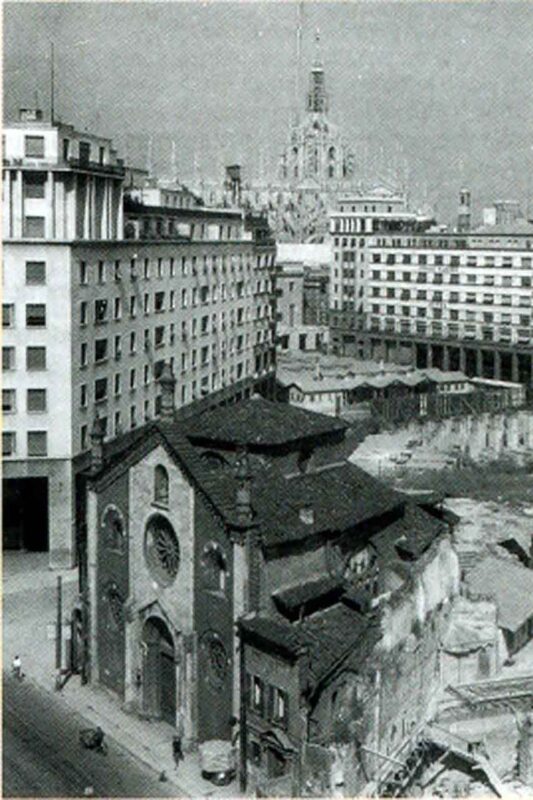
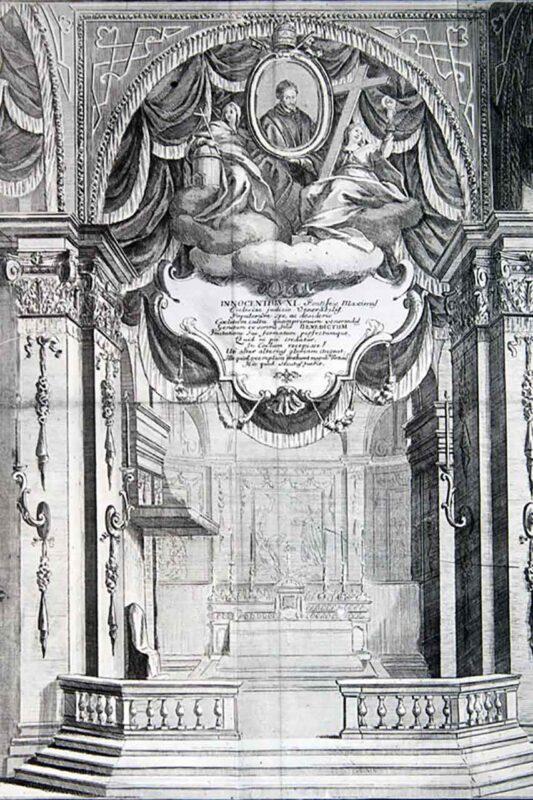
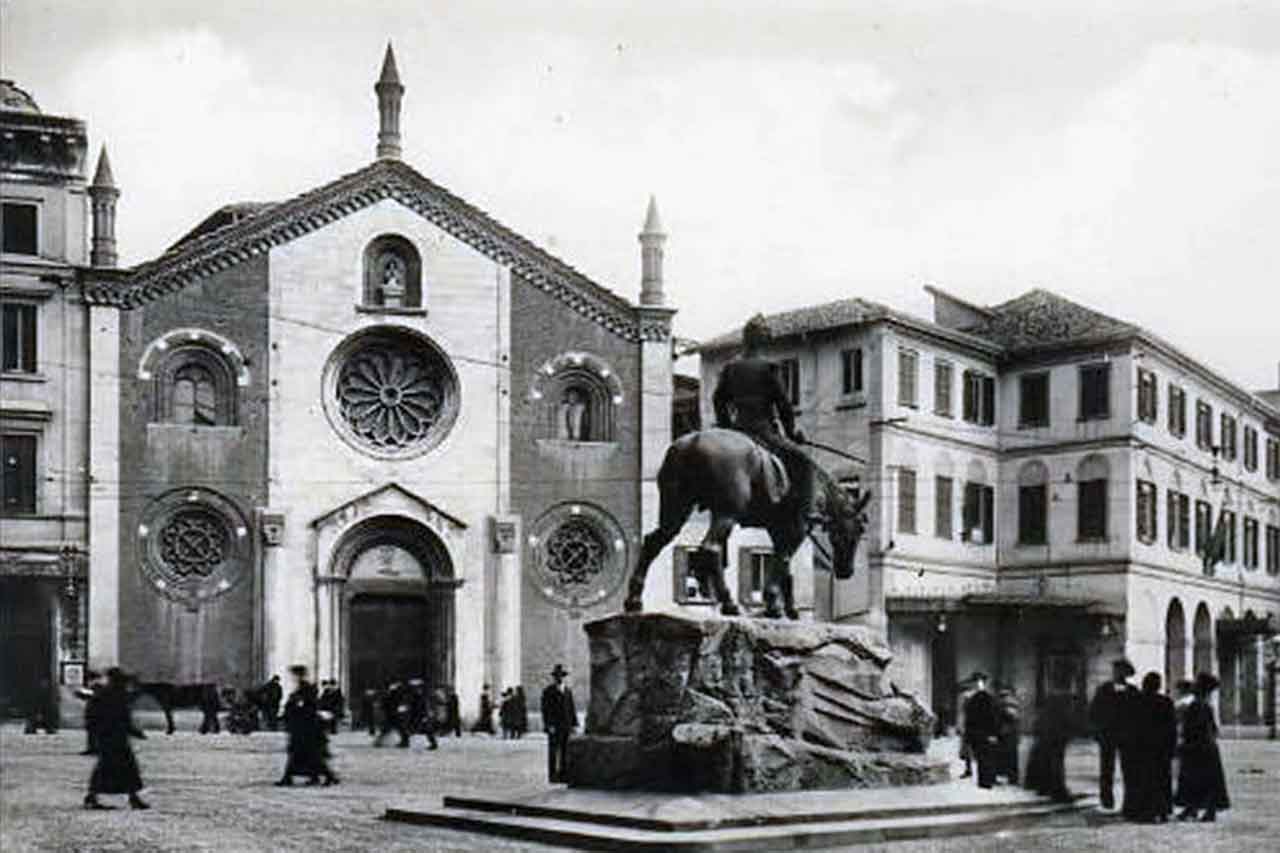
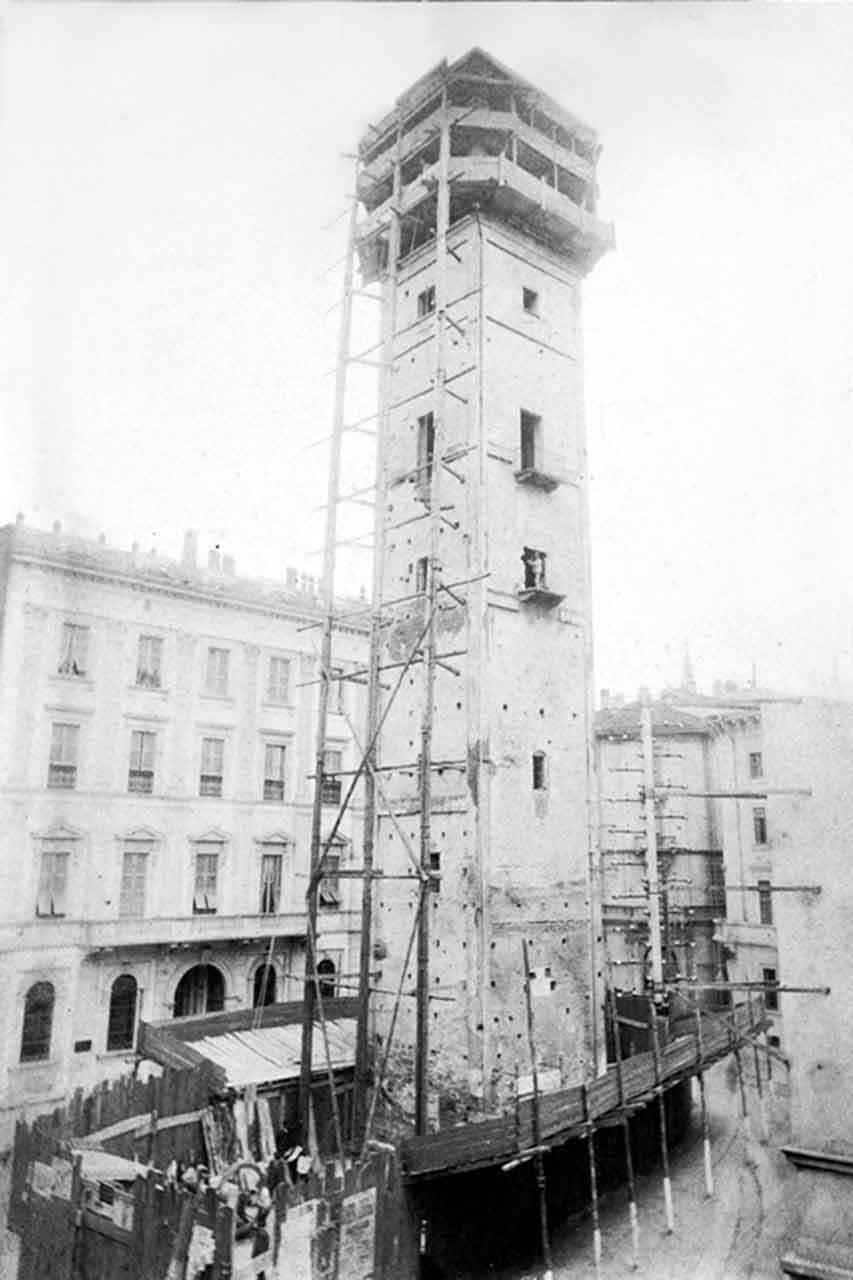
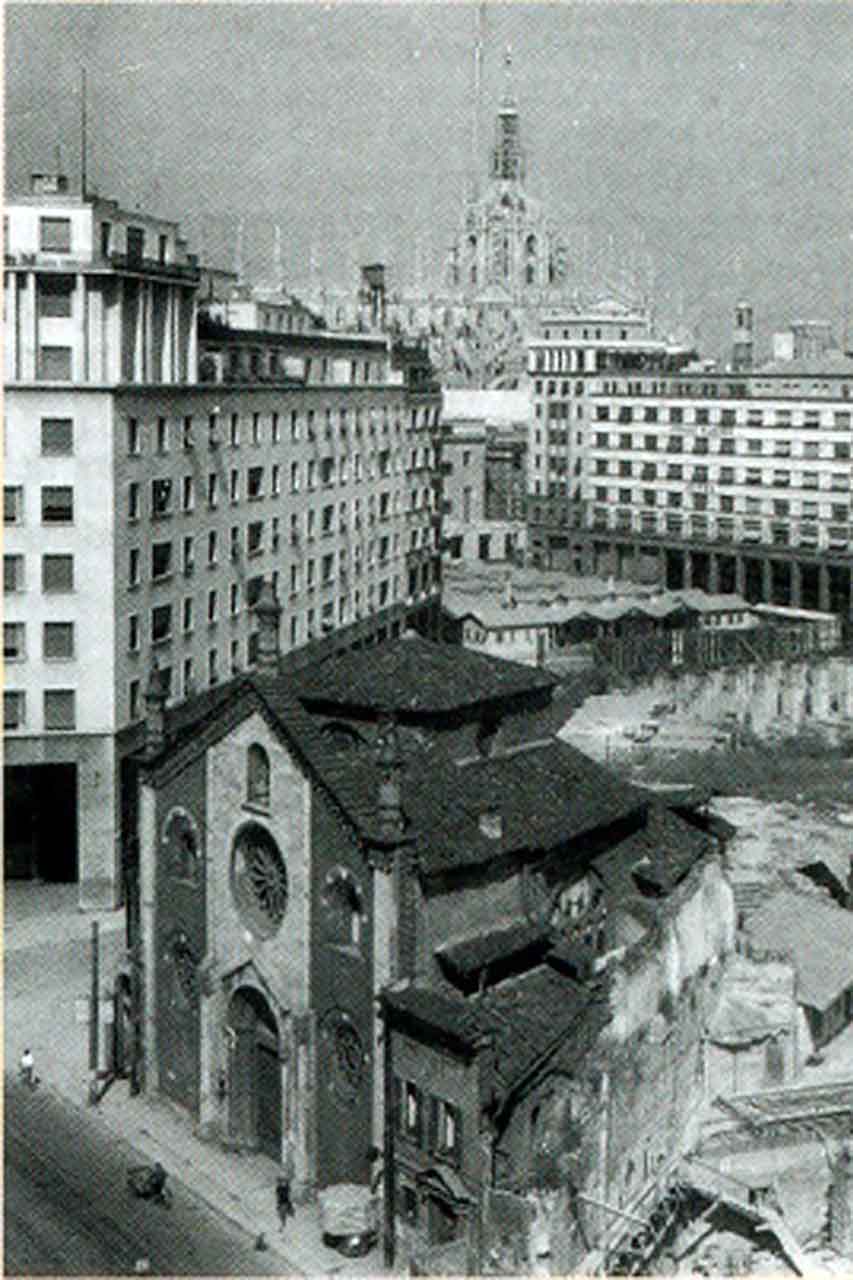
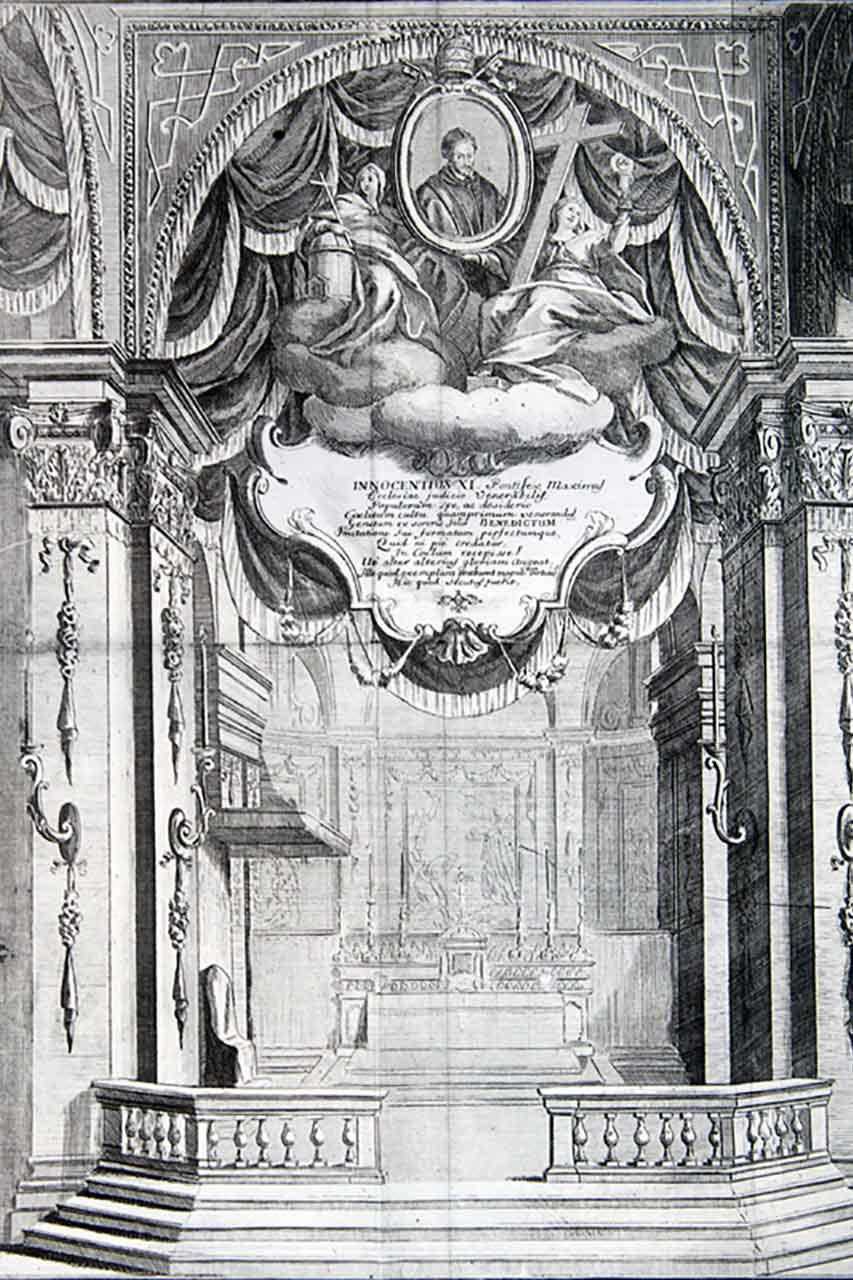
Basilica of San Giovanni in Conca over the centuries
An architectural testament to centuries of shifting fortunes and changing hands, the Basilica of San Giovanni in Conca has weathered the tides of time since its inception between the fifth and sixth centuries.Witness to the ebb and flow of power, this venerable structure underwent a series of reconstructions, each layer adding to its storied past.
In the 11th century, the basilica experienced a revival, meticulously restored to its former glory. Its sacred halls echoed with the faithful’s prayers and the intricate beauty of its design. However, fate would cast its dark shadow upon the sacred grounds in the 13th century when the mighty Emperor Frederick Barbarossa unleashed his destructive forces upon it in 1162.The devastation was immense, a stark reminder of the transient nature of human endeavors.
As history unfurled, the basilica found itself ensconced within the embrace of the influential Visconti family. In the 14th century, it assumed the role of their cherished aristocratic chapel, its sacred halls bearing witness to the final resting place of Beatrice della Scala in 1384, followed by her husband Bernabò Visconti the subsequent year. Embracing the cyclical nature of dynastic power, the basilica’s ownership passed into the hands of Francesco II Sforza in 1531, who bestowed it upon the Carmelites, perpetuating its spiritual legacy.
Yet, the winds of change are relentless, and the Basilica of San Giovanni in Conca would not escape their grasp. The dawn of the 18th century marked a tumultuous chapter in its existence as it was deconsecrated, stripped of its sacred aura, and left to face a desolate fate. The ravages of time and circumstance were further exacerbated in the aftermath of World War II. Faced with the pressing needs of a growing city and the intricate dance of urban planning, the basilica succumbed to the relentless march of progress. In an effort to alleviate the city’s traffic woes, the once-proud sanctuary stood in the path of Albricci Street‘s creation, prompting its near-complete demolition.
Today, as the bustling thoroughfares of Milan envelop the remnants of this storied structure, fragments of its rich history endure as a testament to the ever-shifting tapestry of human existence. The Basilica of San Giovanni in Conca, a silent witness to the rise and fall of empires, invites contemplation of the transient nature of power and the enduring echoes of bygone eras.
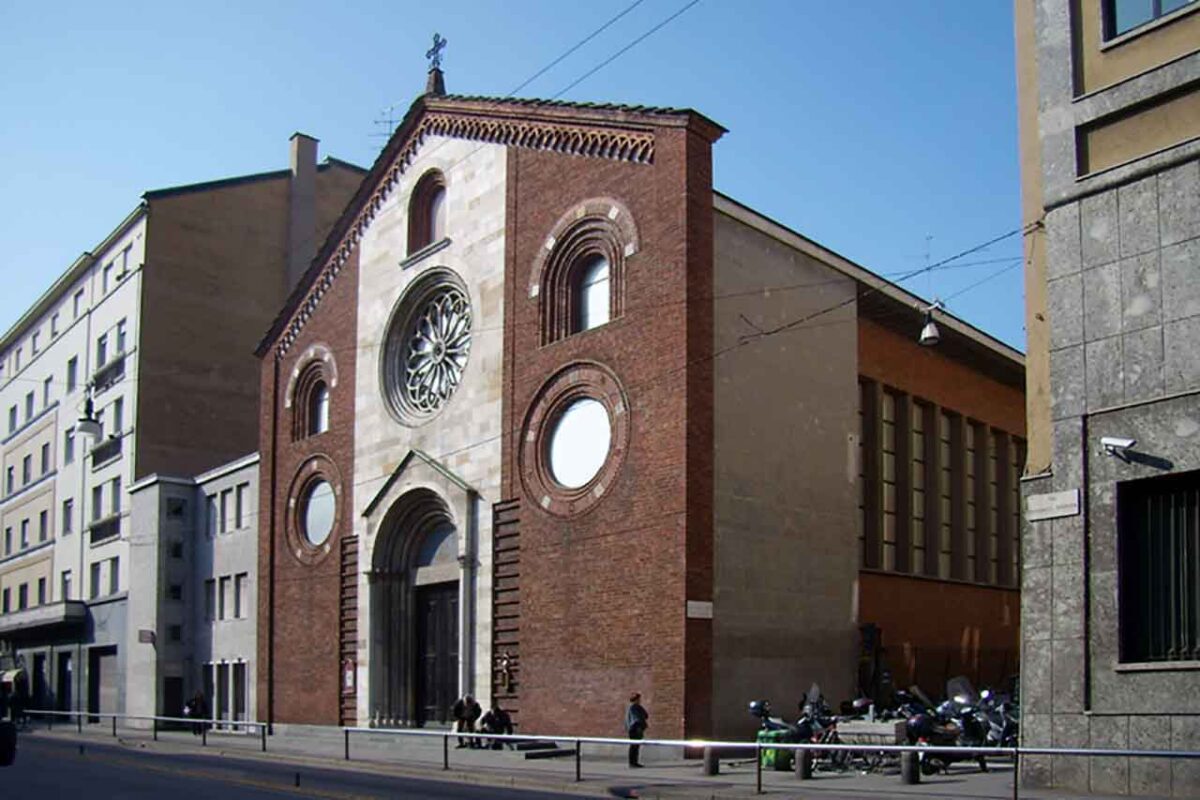
Opening hours
The crypt is open two days a month, according to the opening calendar, which is updated monthly and is available on this page.
Admission is free and free of charge, without reservation. The flow of visitors will be regulated according to the maximum allowed capacity of 40 people at a time.

I lived in Milan for 18 years, and it was there that I came to know the city’s daily life best - not just its landmarks, but also its rhythm, its habits, and its less obvious sides. Today I live in Wrocław, but I still return to Milan regularly.