


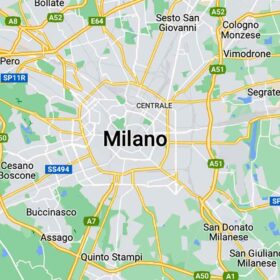
 The Geographic Location of Milan – A Strategic Spot in the Heart of Europe
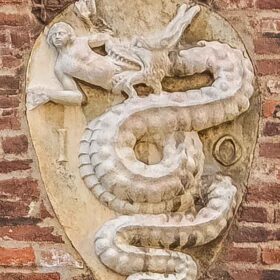 Milan’s coat of arms
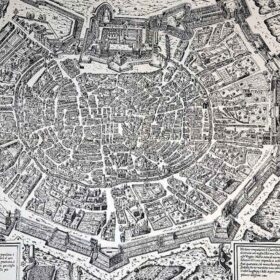 History of Milan
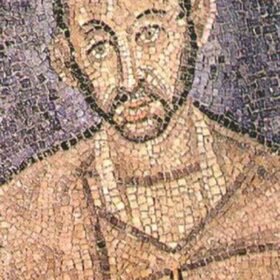 Saint Ambrose
 History of Panettone
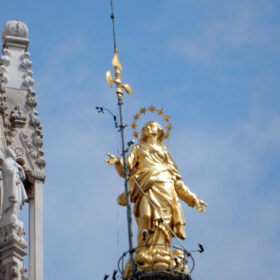 Madonnina
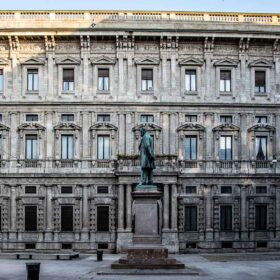 City Hall
 Milanese cuisine


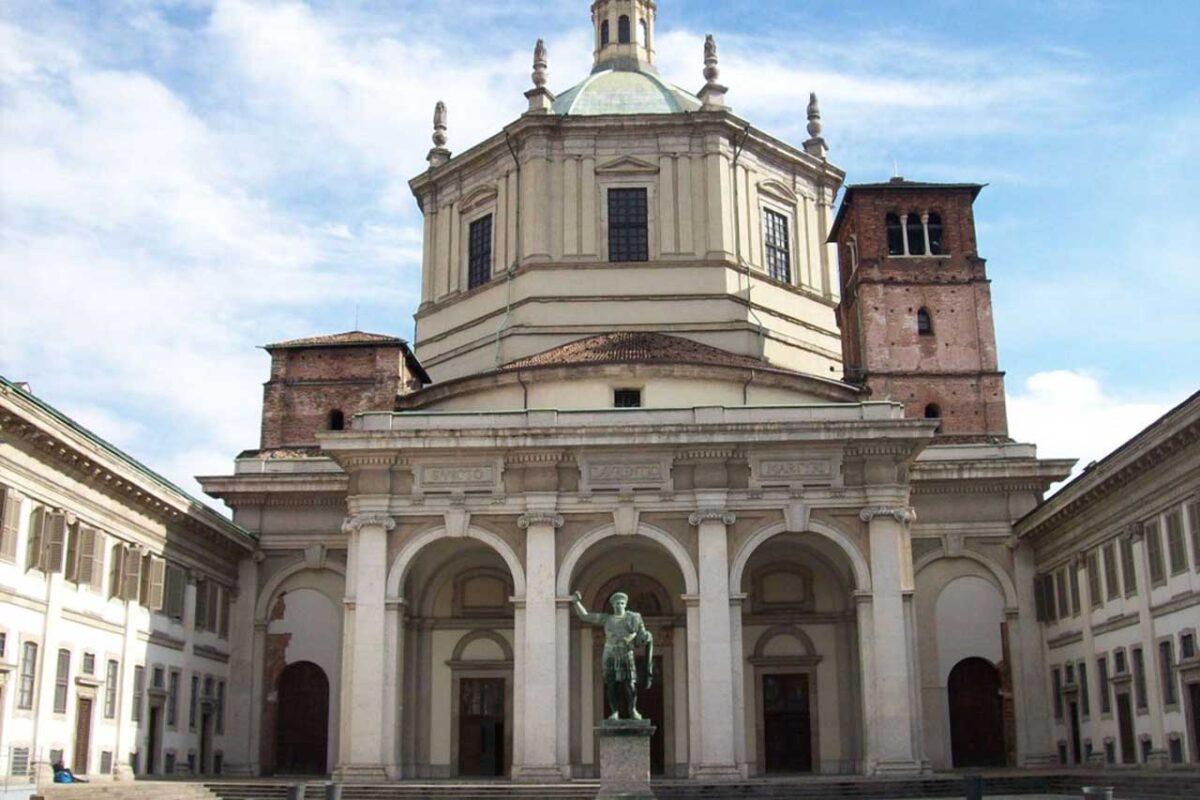
The Basilica of San Lorenzo Maggiore (Saint Lawrence Basilica) is a structure that dates back to when Rome still ruled the world and Christianity was just stepping out of the shadows. This Milanese basilica is like an architectural old-timer – a witness to the fall of empires, the glory of the Renaissance, and the bombings of World War II. Often overlooked by tourists rushing to the famous Duomo, it holds over 1,700 years of captivating history that was centuries ahead of its time. But before we dig into its secrets, it’s worth knowing that you’re standing in front of one of the oldest Christian churches on the planet – a real museum of late Roman and early Christian architecture.
Key facts
History of the Basilica of San Lorenzo Maggiore
The Beginnings of Christianity in Milan
The history of the Basilica of San Lorenzo isn’t just the story of one building – it’s the story of Christianity taking root in northern Italy. Milan, a capital of the Roman Empire in the 4th century, was undergoing a spiritual shift thanks to the Edict of Milan in 313, when Emperor Constantine the Great granted Christians freedom of worship.
It was during this pivotal time, as Christianity stepped out of the catacombs into the open, that construction began on this massive complex. Archaeological evidence shows the basilica was built between 370 and 402 CE, under the watch of Bishop Ambrose (later Saint Ambrose, the city’s patron), who ruled Milan back then. It’s hard to picture today just how groundbreaking this project was – a huge Christian temple rising without fear of persecution, built with bold ambition and grand scale.
Construction and Renovations of the Basilica Over the Centuries
San Lorenzo, like a fine wine, has matured over the centuries. The original 4th-century structure – already a bold innovation for its time – has survived in its basic form to this day, which is pretty close to a miracle. But history hasn’t been gentle with the basilica.
In 1071, a massive fire heavily damaged the building. The reconstruction, done in the Romanesque style, added new features to the basilica’s core. The centuries that followed brought even more changes:
Paradoxically, every disaster and rebuild layered something new onto the architectural patchwork that is the basilica. Today, we can marvel at this blend of different eras and styles, all coming together under one roof in surprising harmony.
Religious and Cultural Significance
San Lorenzo was not just a place of prayer – for centuries it served as Milan’s cultural and spiritual center. During the late Roman Empire and early Middle Ages, when Milan rivaled Rome for importance, the basilica symbolized the prestige and spiritual power of the city.
Life around the basilica wasn’t just religious – it buzzed with intellectual and political activity too. This was where precious relics were kept, processions marched, and services drew the city’s big shots. San Lorenzo also became a tangible link between ancient Rome and Christian Europe, blending Roman techniques and aesthetics into a space shaped for a new faith.
In later centuries, the basilica’s importance ebbed and flowed, but it never lost its special place in the hearts of Milanese people. Today, framed by sixteen ancient columns, it stands as a quiet witness to Milan’s wild ride through history – from imperial glory to modern metropolis.
Architecture and Unique Features of the Basilica
The Basilica’s Unique Layout – Central Rotunda
If you’ve ever wondered what a 4th-century architectural experiment that was a good 1,000 years ahead of its time might look like – here it is. San Lorenzo Maggiore is an architectural marvel that breaks all the molds of early Christian churches.
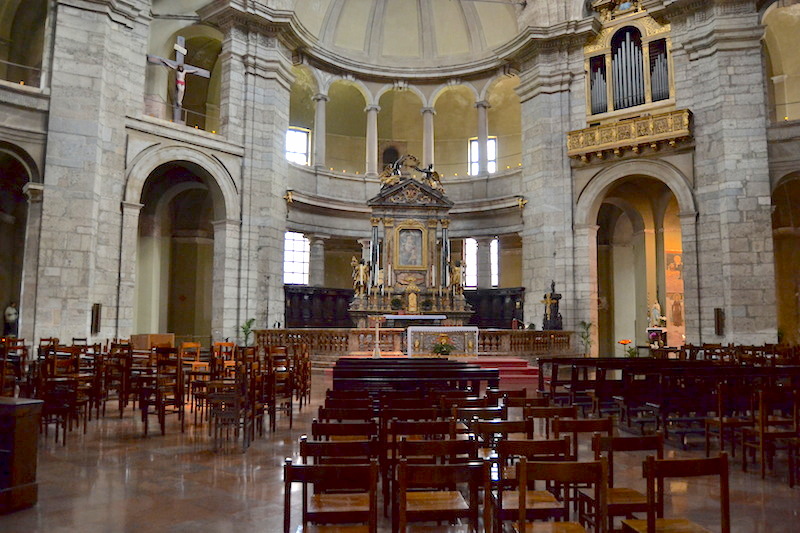
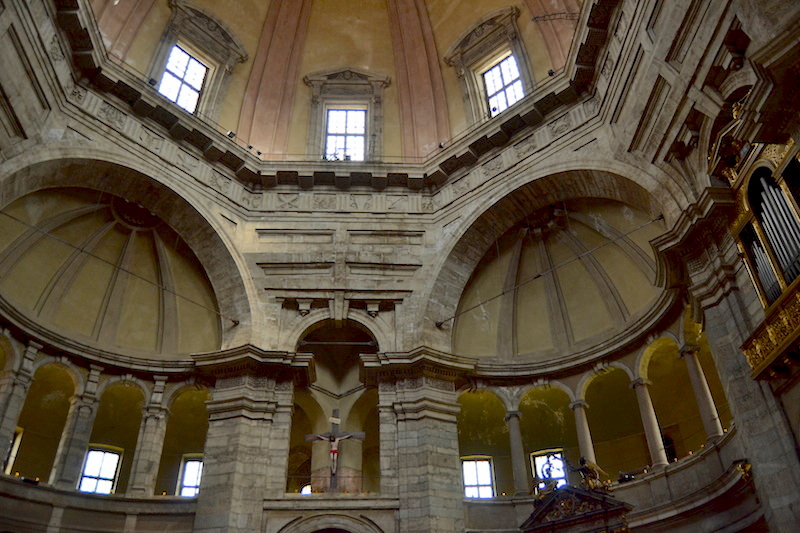
Instead of the usual basilica with aisles, the architects built a central rotunda, wrapped by an ambulatory and chapels. This setup – probably inspired by Byzantine architecture – ended up being a model for a bunch of later churches. Here’s the wild part: the centralized plan with a dome, which took over Renaissance church design, showed up here over a thousand years earlier!
The rotunda rests on four massive pillars that shape a tetraconchos – a setup with four semicircular apses. Looming over it all is a huge dome, 24 meters across.
Mosaics and Frescoes – What to Check Out
The inside of San Lorenzo is a real feast for fans of sacred art. Sure, a lot of the original mosaics and frescoes didn’t make it to today, but the ones we can still see blow you away with their craftsmanship and deep theological vibes.
You’ll especially want to keep an eye out for:
The walls are like a timeline of Christian art styles – from early Christian symbols to Baroque flair. It’s 1,500 years of evolving iconography right there.
Worth noting: World War II took out a bunch of the original decor, but that loss gave archaeologists a chance to dig into the building’s oldest layers, uncovering some ancient secrets.
Chapel of Saint Aquilina
The Chapel of Saint Aquilina deserves a spotlight. This octagonal gem, tacked onto the basilica’s south side in the 5th century, has barely changed in fifteen hundred years.
The star here is the domed mosaic of Christ-Helios surrounded by apostles – a cool mashup of early Christian and pagan solar vibes.
The light streaming through the old windows gives it a special feel, and the acoustics amplify even the quietest sounds. It’s a perfect snapshot of how early Christianity borrowed from pagan patterns.
Down in the crypt, you can spot sarcophagi traditionally linked to Galla Placidia, daughter of Emperor Theodosius I and a big deal in late Roman politics.
Columns of San Lorenzo – A Milan Icon
How the Columns Came to Be
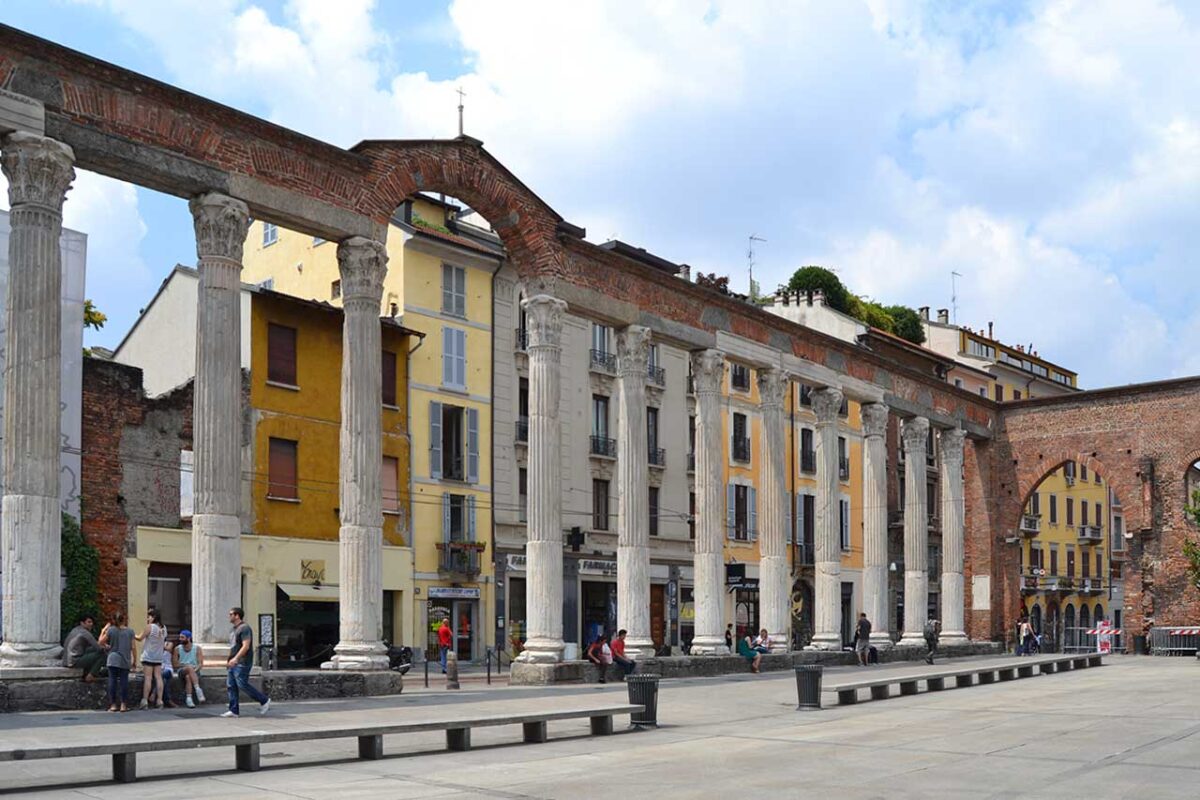
In front of the basilica stand sixteen Corinthian columns, one of Milan’s most iconic sights.
These beauties hail from the 2nd or 3rd century CE, probably pulled from Roman baths or a pagan temple. As Christianity took hold, folks started recycling bits of abandoned pagan buildings for churches – a practice called spolia.
They were set up in front of the basilica in the 4th century, creating a grand entrance. Each column stretches about 11 meters tall, carved from Carrara marble.
It’s wild to think they’ve outlasted the fall of the Roman Empire and seventeen centuries of earthquakes, wars, and city makeovers.
The Columns in City Life
The Columns of San Lorenzo have played a big role in Milan’s story. Back in the Middle Ages and Renaissance, the area around them was a public square – a spot for town meetings, announcements, and trading.
There’s a darker side too: executions happened nearby, and during plague outbreaks, they marked the spot where carts picked up the dead. They’ve watched Milan evolve from a Roman powerhouse to a 19th-century hub.
The area got a facelift in the 1930s, and now, with smart conservation and cool lighting, the columns blend ancient vibes with modern Milan.
A Hangout Spot and Event Hub
Today, the Colonne di San Lorenzo is a go-to spot for locals and tourists alike. Evenings light up with crowded cafés and bars, street musicians popping up, and the space between the columns turning into a stage for impromptu performances.
Summer evenings by the columns are a good opportunity to experience contemporary Milan. The tradition of aperitivo in the shadow of ancient columns is quintessentially Milanese.
The place also hosts cultural events like fashion shows, concerts, and theater festivals, with the city balancing preservation and lively urban use.
Visiting the Basilica of San Lorenzo – Practical Info
Hours and Admission Fees
The Basilica of San Lorenzo stands out among Milan’s landmarks as a surprisingly accessible spot – both for your wallet and your schedule.
Basilica Hours:
The best part? Entry to the main part of the basilica is totally free! That’s a rare perk for a Milan attraction of this caliber.
For a small fee (about 2 euros), you can visit the Chapel of Saint Aquilina and its famous mosaics – a cost well worth it, since they’re some of the best-preserved examples of early Christian art in northern Italy.
Keep in mind, though, it’s an active church, so it might be closed to visitors during services or religious events. Checking the current hours on the official website before your trip is a smart move.
Getting There and Parking Nearby
The Basilica of San Lorenzo sits right in Milan’s historic center, making it a breeze to reach, especially if you’re using public transit.
Closest Metro Stops
- Missori (Line M3) – about a 10-minute walk
- Duomo (Lines M1 and M3) – around 15 minutes on foot
- Vetra (Line M4) – right in the park behind the basilica
Tram lines 2 and 14 drop you off practically at the San Lorenzo Columns, at a stop called “Via Torino.”
Driving’s trickier – Milan’s center is part of a restricted traffic zone (ZTL – Zona Traffico Limitato), and parking’s pricey and hard to come by. Nearby public options include:
Your best bet? Park on the city outskirts near a metro station and ride in. It’s way less hassle.
Accessibility for People with Disabilities
Like many old buildings, the Basilica of San Lorenzo has some accessibility challenges, but things have gotten a lot better in recent years.
The main entrance has a few steps, but there’s a ramp for wheelchairs now, which helps a ton. Inside, most of the basilica is doable for wheelchair users, though some side chapels might be tough due to stairs.
The Chapel of Saint Aquilina, sadly, is still a problem – it’s got narrow stairs with no alternative way in.
On the bright side, the staff here are super helpful and happy to assist anyone with disabilities. If you’re planning a visit and need extra support, reaching out to the basilica’s administration ahead of time is a good call.
Fun Facts and Lesser-Known Tidbits
A Roman Emperor’s Coronation Spot?
The Basilica of San Lorenzo is wrapped in legends, and one of the coolest is that it might’ve been a coronation site for Roman emperors.
Some historians think it was designed as an imperial palace chapel, tied to a nearby emperor’s residence. Back then, Milan was one of the tetrarchy capitals – a setup where four emperors co-ruled the Empire – so the idea holds water.
There’s no hard proof coronations happened here, but the building’s layout – with its central dome and nods to Byzantine imperial designs – screams high status. It could’ve been meant for big state ceremonies with the emperor in attendance.
Fun fact: its architectural plan looks a lot like the later Hagia Sophia in Constantinople and San Vitale in Ravenna, both tied to imperial power vibes.
Relics of Saint Lawrence – What to Know
The basilica’s name isn’t random – it’s dedicated to Saint Lawrence (San Lorenzo), a Roman deacon martyred in 258 CE by being roasted on a gridiron.
Tradition says some of his relics are kept here, likely brought from Rome to Milan after the Edict of Milan in 313 ended Christian persecution.
Saint Lawrence was a big deal to Milanese folks, a symbol of rock-solid faith. His cult even edged out some older pagan fire and sun rituals, showing how Christianity remixed local traditions.
You can find his reliquary in one of the side chapels, and in pictures of him, that gridiron – the tool of his martyrdom – is a standout feature.
World War II Damage
World War II didn’t spare Milan – Allied bombings in 1943 hit the basilica hard, smashing the dome and part of the southern section, nearly wiping out this priceless gem.
But there’s a silver lining: the postwar rebuild gave archaeologists a rare peek at the building’s oldest layers. They uncovered new details about the original 4th-century setup, like bits of early decor and the foundation layout.
The reconstruction from 1948 to 1952 aimed to faithfully bring back the historic structure, using pre-war photos to nail the details. When you’re inside, just know some of the decorations you’re seeing are carefully crafted copies of the originals.
Nearby Attractions
Piazza Vetra and Parco delle Basiliche
Piazza Vetra in Milan has a dark past – back in the 16th and 17th centuries, it was an execution ground. In 1617, Caterina de’ Medici (not the famous Florence one) was burned at the stake here, accused of poisoning and witchcraft. That ended in 1641 when they put up the San Lazzaro cross as a peace gesture.
Parco delle Basiliche (Parco Giovanni Paolo II), stretching between the basilicas of San Lorenzo Maggiore and Sant’Eustorgio, came together after World War II by linking the grounds around both churches. This four-hectare park, packed with old trees and winding paths, is a chill break from the city’s hustle.
Renovations turned up Roman leftovers – road chunks and walls – you can check out while strolling. There’s also a “PAX” monument honoring the site’s grim history.
Nowadays, it’s a go-to spot for relaxing under the trees or a picnic with a historic backdrop.
Basilica of Sant’Eustorgio and Its Treasures
Just a short walk from San Lorenzo, you’ll hit another Milanese gem – the Basilica of Sant’Eustorgio. It might not grab you at first glance, but it’s hiding some serious historical gold.
The standout is the Chapel of the Magi – medieval lore says it once held relics of the Three Wise Men who visited baby Jesus. Don’t miss the Portinari Chapel either – a Renaissance beauty with frescoes by Vincenzo Foppa – or the sarcophagi of Milan’s earliest Christian bishops.
Other Nearby Spots
- Museo Diocesano: Right by Parco delle Basiliche, about 5 minutes from San Lorenzo. It’s got a killer collection of sacred art from the Middle Ages to today – paintings, sculptures, and liturgical gear.
- Navigli Canals: A 10-minute walk south. This historic canal system’s been spruced up, turning it into a picturesque district with restaurants, bars, and art galleries. Naviglio Grande and Naviglio Pavese are the big names here, buzzing with nightlife after dark.
- Porta Ticinese: An old city gate on the road to Pavia, close to the San Lorenzo Columns. The current version’s from Napoleon’s time (early 19th century), but it sits where a medieval gate once stood.
FAQ
Is it worth visiting the Basilica of San Lorenzo if you’re short on time in Milan?
Absolutely, especially if you’re into ancient or early Christian history. It’s one of the oldest surviving churches in the world, and its columns are a city icon. A quick 30-45 minute visit is enough for the basics.
How do I get to the Basilica of San Lorenzo from the Duomo Cathedral?
From the Duomo, your best bet is to walk (a 15-minute stroll) or take the metro (Line M3 from Duomo to Missori, then a 10-minute walk). You can also hop on tram lines 2 or 14 to the “Via Torino” stop.
Are masses held in the basilica?
Yes, the basilica is an active Roman Catholic church. Weekday masses are usually at 8:00 AM and 6:30 PM, while Sunday masses are at 9:30 AM, 11:30 AM, and 6:00 PM. Visiting might be limited during services.
Can you take photos inside the basilica?
Yes, you can take photos inside, but no flash – it could damage the delicate frescoes and mosaics. There might be extra restrictions in the Chapel of Saint Aquilina sometimes.
Is there a dress code for visiting the basilica?
As an active church, San Lorenzo calls for proper attire – shoulders and knees should be covered. It’s less strict than the Duomo, but it’s worth showing respect for the sacred space.
What’s around the basilica that’s worth combining with a visit?
Within a 15-minute walk, you’ve got the Basilica of Sant’Eustorgio with the Chapel of the Magi, the Museo Diocesano, and the charming Navigli canal district. It’s a perfect half-day route through a less obvious but fascinating side of Milan.
Is the basilica accessible for people with disabilities?
Partially. The main nave is accessible thanks to a ramp at the entrance, but the side chapels, especially the Chapel of Saint Aquilina, are tough to reach due to stairs. The staff is usually happy to help people with limited mobility.
Is it worth hiring a guide to tour the basilica?
For history and architecture buffs, absolutely yes. A guide will break down the complex historical context, point out easy-to-miss details, and share gripping stories tied to the basilica. For casual visitors, the info from brochures at the entrance is plenty.
Summary
The Basilica of San Lorenzo Maggiore is one of Milan’s precious gems, often skipped by tourists fixated on the Duomo Cathedral. This 4th-century church offers a fascinating journey through architectural history – from late antiquity to the Baroque era.
Its groundbreaking central design with a dome was a thousand years ahead of similar ideas. The sixteen ancient Corinthian columns out front have become not just a signature of the place, but also a popular hangout spot for locals.
You should set aside at least an hour to explore the basilica. Late afternoon is the best time to visit, when the light beautifully fills the interior. After, stick around into the evening to see the lit-up columns and soak in the vibe of this part of town.

I lived in Milan for 18 years, and it was there that I came to know the city’s daily life best - not just its landmarks, but also its rhythm, its habits, and its less obvious sides. Today I live in Wrocław, but I still return to Milan regularly.