


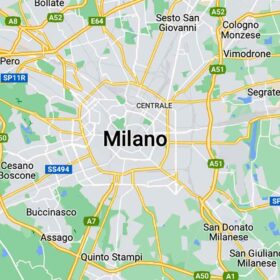
 The Geographic Location of Milan – A Strategic Spot in the Heart of Europe
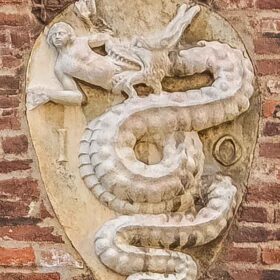 Milan’s coat of arms
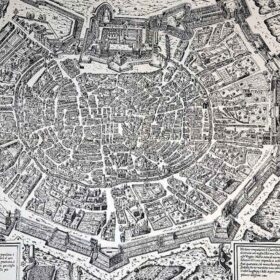 History of Milan
 Saint Ambrose
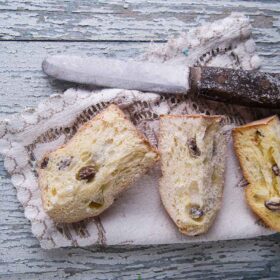 History of Panettone
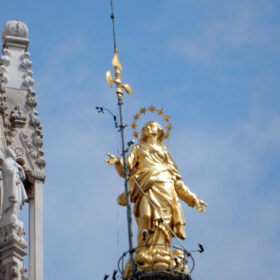 Madonnina
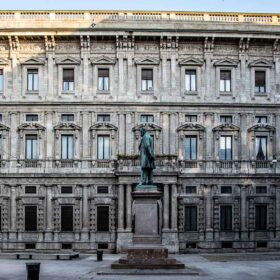 City Hall
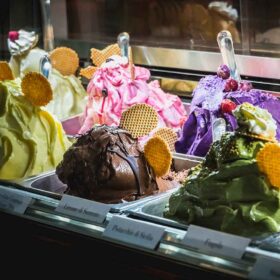 Milanese cuisine


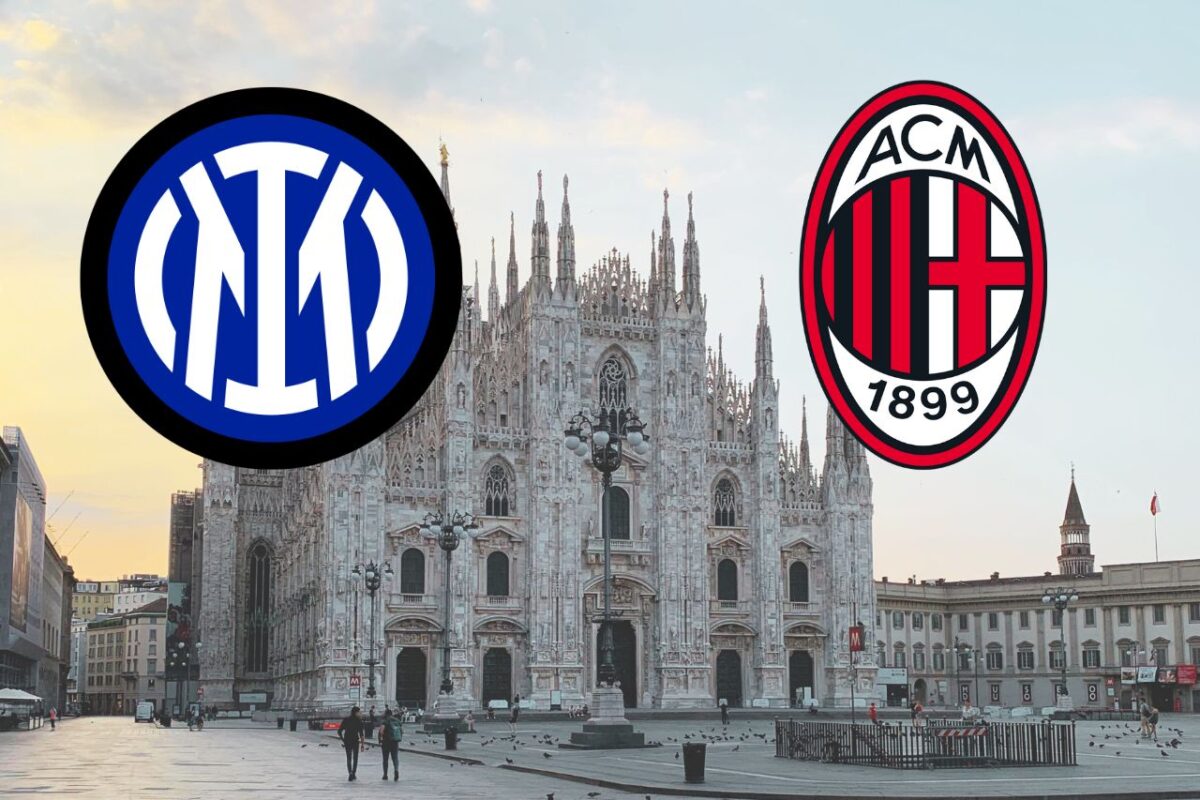
They say the true soul of Milan reveals itself only twice a year – during the derbies. It’s not during Fashion Week or a premiere at La Scala, but when the streets, cafes, and squares are awash with blue-and-black and red-and-black colors. There’s a certain paradox in this: a city renowned for its elegance and understated luxury transforms for a few dozen hours. The cool facade gives way to raw emotions, typically buried beneath Milan’s characteristic reserve.
The Derby della Madonnina is far more than a sporting event. It’s the story of a city that, though divided, finds a shared identity in this very rivalry. These matches reflect social divides, historical shifts, and a phenomenon that, since 1908, has captured the attention not just of Lombardy’s residents but of fans worldwide. For Milanese locals, these showdowns are a mirror reflecting the city’s character – its pride, passion, and relentless pursuit of excellence.
Provincials vs. Elites: The Social Roots of Milan’s Rivalry
The history of the Milan Derby is fundamentally a tale of social divisions that shaped both clubs. It began in 1908 when a group of Italian and Swiss officials broke away from AC Milan (founded nine years earlier) to form FC Internazionale. While the official reason was a dispute over signing foreign players, this was merely a visible symptom of deeper societal rifts.
Milan quickly became the club of the working class and everyday Milanese. Its fans were dubbed “Casciavitt” (screwdrivers) in the local dialect – mostly laborers from the suburbs, artisans, and small traders. They’d arrive at derby matches on foot or by public transit, earning them another nickname: “tranvee” (tram riders).
Inter Milan, by contrast, emerged as the club of the bourgeoisie, intellectuals, and middle class. Their supporters were called “Bauscia” (arrogant bourgeois), and their symbol became the motorcycle – hence the nickname “motoretta.” The contrast was stark: while Milan fans crowded into trams, Inter supporters rolled up to San Siro on their Vespas.
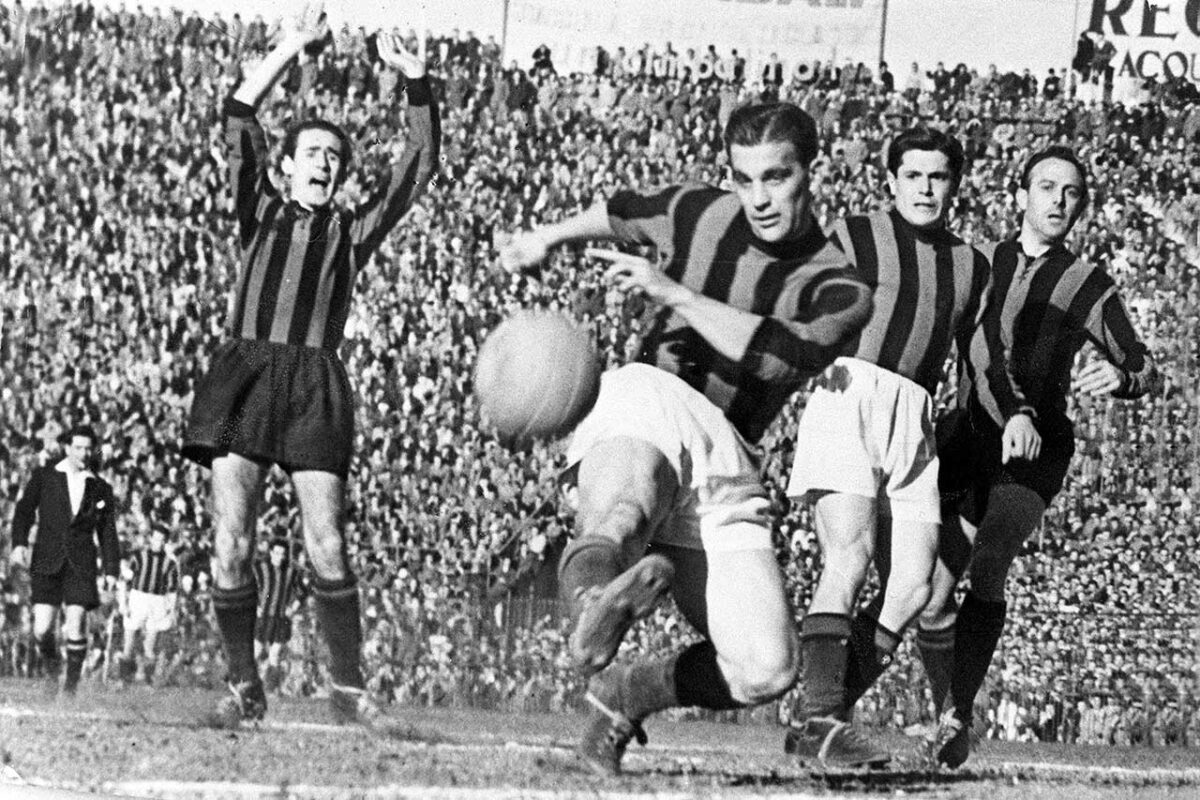
These divides were especially pronounced in the 1950s and ‘60s. When Milan triumphed with the legendary Swedish attacking trio “Gre-No-Li” (Gunnar Gren, Gunnar Nordahl, and Nils Liedholm), celebrations erupted mainly in the city’s working-class neighborhoods. Meanwhile, the successes of Grande Inter under Helenio Herrera sparked excitement in the upscale cafes along Via Montenapoleone, packed with wealthier fans.
It’s worth noting that during the Fascist era, authorities forced Inter to change its cosmopolitan-sounding name “Internazionale” to the more patriotic “Ambrosiana” (after St. Ambrose, Milan’s patron saint). The club’s international flair clashed with Mussolini’s nationalist agenda. This intervention only sharpened the contrast between the “more Italian” Milan and the inherently “global” Inter.
Over time, these stark social distinctions faded. Postwar changes, Italy’s economic boom in the ‘60s, and growing globalization reshaped both clubs. Today, it’s hard to categorize Milan or Inter fans solely by social status. Still, traces of these historical divides linger in the tradition and cultural identity of the derbies.
Derby della Madonnina: What’s in a Name?
Ask a random tourist about the link between the Duomo cathedral and Milan’s derbies, and they’d likely shrug. Yet it’s the golden statue of the Madonna (Madonnina), crowning the cathedral’s tallest spire, that gave this football clash its name.
According to a popular tale, it all started in the 1950s when an Inter fan taunted Milan supporters, shouting, “We’ll take the Madonna to San Siro!” Milan fans shot back, “No, we’ll let her stay at the Duomo!” Even if this exchange is just urban legend, it captures the essence of a rivalry that transcends sport, taking on an almost sacred dimension.
Standing just over four meters tall, the Madonnina has watched over Milan from a height of 108 meters since 1774. Over the centuries, she’s witnessed wars, occupations, bombings, social upheavals, and 236 official Milan-Inter clashes. In the collective consciousness of the city’s residents, she’s become a symbolic, impartial referee of this enduring rivalry, presiding over a city split into two footballing camps.
Rivals Under One Roof
The Milan Derby’s allure is heightened by the fact that both feuding clubs share the same stadium. Stadio Giuseppe Meazza, commonly known as San Siro, is a true anomaly among the world’s great football derbies. Nowhere else do such fierce rivals cohabit so consistently and for so long.
For Milan fans, it’s San Siro (named after the district); for Inter fans, it’s Stadio Giuseppe Meazza (honoring the Italian football legend who starred mostly for Inter but briefly for Milan too). This dual naming is yet another layer of the division woven into Milan’s rivalry.
Currently, both clubs are considering leaving this iconic venue to build a new shared stadium. For many traditionalists, this marks the end of an era – but also a sign of the derbies’ evolution from a local grudge match to a global spectacle.
To feel the true spirit of San Siro and explore this remarkable stadium, check out a San Siro tour guide, which offers details on visiting, the museum, and the venue’s history.
Historic Clashes: When Milan Holds Its Breath
With 236 official encounters, it’s tough to pinpoint the most significant. Yet some have etched themselves into the annals of not just Milanese but global football history.
You can’t overlook the “massacre” of May 11, 2001, when Milan crushed Inter 6-0. Comandini, Shevchenko, and company put on a show that still sends shivers down red-and-black spines and haunts Nerazzurri nightmares. It remains the biggest win in derby history – a footballing apocalypse for Inter.
Inter got their revenge years later. In the 2009/10 season, José Mourinho’s Inter not only dominated the derby (winning 4-0) but conquered all of Europe, securing a historic treble: Serie A, Coppa Italia, and the Champions League.
Drama peaked in 2005 during a Champions League quarterfinal derby, halted after Inter fans pelted the pitch with flares. One struck Milan goalkeeper Dida, and UEFA awarded Milan a 3-0 walkover, paving their path to the final.
The most historic moment, though, came on April 22, 2024, when Inter beat Milan 2-1 to clinch their 20th Italian title, overtaking their rivals (with 19). For the first time ever, the scudetto was decided directly in a derby. For Inter fans, it was a double triumph—winning the match and earning a second star on their jersey (in Italian football, every 10 titles adds a star).
Legendary Matches
|
Date |
Result |
Competition |
Why It Was Special |
|---|---|---|---|
|
19.09.1926 |
Inter 6:3 Milan |
San Siro Inauguration |
First match at the new stadium, a goal fest |
|
06.11.1949 |
Inter 6:5 Milan |
Serie A |
“The Two Hat-Trick Match”—Nordahl (Milan) and Nyers (Inter) scored three each |
|
24.02.1963 |
Milan 1:1 Inter |
Serie A |
The famous “Milan fog” – halted due to zero visibility |
|
24.03.1974 |
Inter 5:1 Milan |
Serie A |
Inter’s biggest derby win ever |
|
11.05.2001 |
Milan 6:0 Inter |
Serie A |
“The Massacre” – highest margin in derby history |
|
12.04.2005 |
Milan 1:0* Inter |
Champions League |
“Flare Derby” – stopped after Inter fans threw flares |
|
09.02.2020 |
Inter 4:2 Milan |
Serie A |
“Comeback from the Grave” – Inter erased a 0-2 deficit |
|
22.04.2024 |
Inter 2:1 Milan |
Serie A |
First time the scudetto was decided in a derby |
Heroes of Two Worlds
It’s hard to list every great player who’s shaped the Derby della Madonnina. For Milan, stars like Gianni Rivera, Franco Baresi, Paolo Maldini, Marco van Basten, Ricardo Kaká, and Andriy Shevchenko (the derby’s top scorer with 14 goals) have shone brightly.
Inter counters with legends of their own: Sandro Mazzola, Giuseppe Meazza, Javier Zanetti, Ronaldo, Zlatan Ibrahimović (who also played for Milan), and modern hero Lautaro Martínez.
“Double Agents” – Players Who Wore Both Jerseys
A special breed are the players who’ve crossed the divide, known as “doppi ex.” The most famous include Giuseppe Meazza, Zlatan Ibrahimović, Andrea Pirlo, Ronaldo, Christian Vieri, and Clarence Seedorf. Their transfers always stirred controversy, often facing skepticism or outright hostility from their new fanbases.
|
Player |
Years at Milan |
Years at Inter |
Fun Fact |
|---|---|---|---|
|
Giuseppe Meazza |
1940-1942 |
1927-1940, 1946-1947 |
Stadium namesake; Inter legend who “betrayed” for Milan |
|
Zlatan Ibrahimović |
2010-2012, 2020-2023 |
2006-2009 |
Only player to win scudetto with both in the 21st century |
|
Andrea Pirlo |
2001-2011 |
1998-2001 |
Struggled at Inter, became a maestro at Milan |
|
Ronaldo |
2007-2008 |
1997-2002 |
“The Phenomenon” returned to Milan in rival colors |
|
Clarence Seedorf |
2002-2012 |
1999-2002 |
Only player to win the Champions League with three clubs |
|
Leonardo |
1997-2001 |
Coach: 2010-2011 |
Played for Milan, coached both – a Milanese diplomat |
|
Christian Vieri |
2005-2006 |
1999-2005 |
Moved directly from Inter to their rivals |
Choreography of Hate and Love
The Derby della Madonnina isn’t just 90 minutes of play – it’s a spectacle that begins long before the whistle. The fans’ choreographies are a standout feature, genuine works of art crafted in secret over months.
Curva Nord (Inter’s stand) and Curva Sud (Milan’s stand) compete not just with chants but with stunning visual displays. Massive banners, thousands of colored cards, flares, balloons—all create an unforgettable show, admired even by neutral onlookers.
One iconic choreography came in 2005, when Inter fans unveiled a giant image of a devil (Milan’s symbol) in a coffin. Milan supporters later responded with a huge depiction of a snake (Inter’s emblem) pierced by a sword.
Paradoxically, despite this visual warfare, the Derby della Madonnina remains relatively peaceful in terms of safety. In 1983, ultras from both sides signed a “non-aggression pact,” largely respected with rare exceptions—a rare case of “civilized hatred” in the football world.
A Global Phenomenon in the Social Media Age
Today’s Derby della Madonnina is no longer just a local showdown—it’s a global event. Broadcast in over 200 countries, it draws about 50 million viewers. Social media has become an extra battlefield, with memes, videos, and commentary flooding the internet days before and after the match.
Both clubs boast massive followings in Asia, especially China (where Inter was owned by Suning for years), and North America. The derby has become an exportable brand of Italian football.
As an old Italian saying goes: “Milan works all year to celebrate two days”—the derbies. Though globalization raises fears of losing its local flavor, the spirit of Milan still thrives in every blue-and-black vs. red-and-black clash.
Heading to the Milan Derby: Tickets and Practical Info
What could beat watching the blue-and-blacks battle the red-and-blacks from San Siro’s stands? The catch is, snagging those tickets often feels like a mission worthy of a master strategist – at least on par with the tactical chessboards of Inter or Milan’s coaches!
When the Derby Heats Up Pockets – Ticket Prices and Categories
Let’s cut to the chase: the Derby della Madonnina is one of Europe’s priciest football attractions. Ticket prices climb higher each year, hitting levels that make even diehard fans’ hearts race before the ref’s first whistle!
Recent years show a steep rise. In the 2022/2023 season, prices ranged from 59 to 399 euros; now, they’re 104 to 499 euros. Yes, you read that right – nearly a 100% jump! It’s like Milanese fashion – more expensive each season, but the prestige never fades.
San Siro’s ticket categories carry names that sound like exclusive fashion lines:
The club designated as the “host” for a given derby (decided by the league, despite sharing the stadium) sets the prices, so they can vary depending on whether it’s AC Milan or Inter.
Where and When – Official Purchase Channels
Straight from the Source
The best (and often cheapest) way to buy tickets is through the clubs’ official websites:
- AC Milan – www.acmilan.com – Milan official website
- Inter – www.inter.it – Inter official website
Tickets for specific matches typically go on sale 3-4 weeks before the date. For derbies, that window might stretch longer, as the clubs capitalize on the event’s unique hype.
The buying process is straightforward:
Fan Card – A Priority Pass
Heads up! For derbies or other high-stakes Italian matches, priority often goes to fan card holders. This is the “Tessera del Tifoso,” available through the clubs’ official sites.
Benefits include:
It can take weeks to process, so plan ahead! The Tessera isn’t required for tourists or foreign fans to buy regular match tickets, though.
Alternative Ways
When official channels dry up (and derby tickets sell out fast), there are riskier, pricier options:
Timing
The Derby della Madonnina typically happens twice per Serie A season (fall and spring), with potential extra clashes in Coppa Italia or European cups. Dates are set by the Italian league but can shift for TV schedules.
Key dates to note:
Pro tip: Before planning a league or cup match trip, confirm the date and time with organizers! Italian football is notorious for shifting schedules, especially when clubs juggle European competitions.
Where to Sit During the Derby?
Stadio Giuseppe Meazza (San Siro) is a behemoth seating over 75,000. Your section choice can make or break your experience!
For Inter Fans:
- Curva Nord (sectors 107-109) – Stronghold of Inter’s hardcore supporters
- Second North Tier (sectors 207-209) – Also Inter-dominated
- East Stand (sectors 130-159, 230-259) – Mixed, but leans Inter
For Milan Fans:
- Curva Sud (sectors 113-115) – Sacred ground for Milan ultras
- Second South Tier (sectors 213-215) – Heavily red-and-black
- West Stand (sectors 160-189, 260-289) – Mixed, but more Milan fans
For Neutrals:
- Orange Stands (sectors 1-8, first tier) – Best pick
- Third Tier – Good views, more neutral vibe
Word of advice: If you’re neutral, avoid wearing either club’s colors, especially in fan sections! Italians are fiercely loyal to their hues.
Getting to the Stadium
San Siro is about 6 km from central Milan, but getting there’s a breeze with the public transport:
- Metro – Fastest option:
- Purple Line M5 to “San Siro Stadio” (end stop)
- Red Line M1 to “Lotto,” then switch to M5
- Tram – Line 16 goes straight to the stadium (stop: “San Siro Stadio”)
- Taxi – Comfy but pricier, especially post-match when public transport’s packed
On match days, arrive 1.5-2 hours early. It gives you time for security checks, finding your seat, and soaking in the pre-game buzz – a spectacle in itself!
Derby Traditions Worth Experiencing
The Milan Derby is more than 90 minutes of football – it’s a cultural event. Highlights include:
- Pre-derby aperitivo – A classic Italian evening drink with snacks, especially big in the Navigli and Brera districts. Bars fill with club-colored fans as the tension builds.
- Fan March – Organized supporter groups often march to the stadium together, belting out club anthems. It’s a show all its own!
- Ultras Choreographies – Both Curva Nord (Inter) and Curva Sud (Milan) unveil massive displays, often planned secretly for months.
- Team Entrance – San Siro shakes as the teams step out to the Serie A anthem and a roaring crowd.
- Post-Derby Celebration – After a win, victorious fans party at Piazza del Duomo (the city’s central square), often late into the night.
10 Milan Derby Fun Facts
- Fascist Ban – Under Mussolini, Inter had to swap “Internazionale” (too worldly) for “Ambrosiana” (after St. Ambrose).
- Peace Pact – In 1983, ultras from both clubs signed a “non-aggression pact,” a rare move among rival fanbases.
- Stats Marvel – Across 239 derbies, the win gap (91 for Inter, 79 for Milan) is just 12—among the closest tallies in major derbies worldwide.
- Fastest Goal – Alexandre Pato scored for Milan 40 seconds into a 2011 Italian Super Cup derby.
- San Siro Effect – The “host” (set by the league) has no big edge over the “guest”—unusual in football, since both know the turf inside out!
- Derby Marathon Man – Paolo Maldini played a record 56 Milan derbies, totaling nearly four full days on the pitch in these games.
- Transfer Taboo – For years, an unwritten rule kept direct transfers rare. It broke in the 2000s with moves like Christian Vieri’s.
- Dinner Tradition – For decades, club directors dined together the night before derbies, despite the stakes.
- Underwater Derby – In 1965, a match was halted by torrential rain that turned the pitch into a pool. Pumps were deployed, but some fans swam home.
- Symbolic Rent – Both clubs pay Milan about 15 million euros yearly to lease San Siro, one of Europe’s heftier stadium fees.
Last Chance for a Historic Show?
Keep in mind that time to catch the Derby della Madonnina at the fabled San Siro may be running out. Both clubs have hinted at leaving their iconic home in the coming years, eyeing plans for a new joint stadium.
For football and history buffs, this adds a bittersweet reason to witness the spectacle before it shifts from its current form.
FAQ: frequently asked questions
What Are the Milan Derbies?
An absolute cultural phenomenon! Matches between AC Milan and Inter Milan are not just sports – they’re a true Italian opera on the pitch. Two clubs from the same city, even sharing the same legendary San Siro stadium, battling for decades over the championship crown.
When did they start?
The history goes back to 1908, when a group of dissenters from AC Milan decided to form their own club – Inter. Since then, the stands have been practically boiling with emotion. For years, this hasn’t been just a rivalry – it’s more like a local religion!
Who has won more derbies?
The stats are as brutal as a haymaker in the middle of the pitch! Inter holds a slight edge – with around 80 wins in official clashes compared to just over 70 for AC Milan. But those are just numbers. The real derby is about emotions that can’t be contained in any statistic!
Which club is older?
AC Milan takes the lead in this historic showdown! Born on December 16, 1899, as the Cricket and Football Club Milan. Inter came along in 1908 – exactly 9 years later. Interesting? It’s the result of an internal split when a group of officials decided to start their own club!
Which is the fiercest derby in Italy?
Without hesitation: the Derby della Madonnina in Milan! Juventus vs. Inter? A huge rivalry. The Rome Derby? Thrilling. But the Milan Derby is the real spectacle, where every match feels like a military operation with the ball as the star!
Is Juventus vs. Inter a derby?
No, the match between Inter Milan and Juventus Turin isn’t a derby in the strict sense of the word, since the teams don’t come from the same city or region. However, it’s known as the “Derby d’Italia,” a term coined in 1967 by Italian sports journalist Gianni Brera to highlight its unique significance in the history of Italian football.
Wrap-Up: Derby – A Divided Yet United City
The Derby della Madonnina is a phenomenon that stretches far beyond sport. It’s a sociological event, letting Milanese express their identity, allegiance, and passions. In a city of business, fashion, and elegance, the derby offers a rare chance to let emotions loose.
Ironically, this division unites the city. Milan wouldn’t be Milan without its two great clubs and their timeless rivalry.
If you’re planning a trip to Milan and dreaming of feeling these unique vibes firsthand, heed the (supposedly 🙂 ) old Milanese saying: “Chi non ha visto il derby di Milano, non ha visto l’Italia” – “If you haven’t seen the Milan Derby, you haven’t seen Italy.” Because in those 90 minutes, twice a year, the true soul of the fashion capital shines through.

I lived in Milan for 18 years, and it was there that I came to know the city’s daily life best - not just its landmarks, but also its rhythm, its habits, and its less obvious sides. Today I live in Wrocław, but I still return to Milan regularly.