


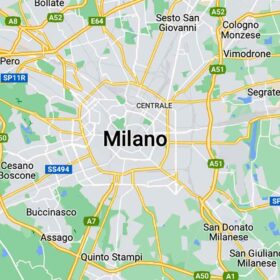
 The Geographic Location of Milan – A Strategic Spot in the Heart of Europe
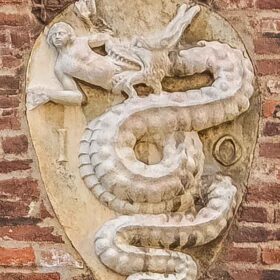 Milan’s coat of arms
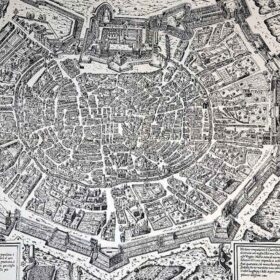 History of Milan
 Saint Ambrose
 History of Panettone
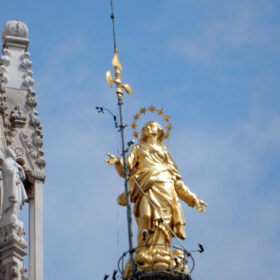 Madonnina
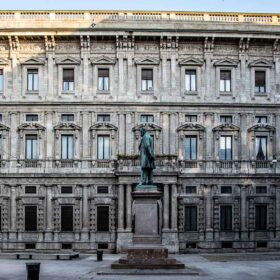 City Hall
 Milanese cuisine


You’re standing at Stazione Centrale with your suitcase, wondering how to get to your hotel. Or maybe you’re planning an intense weekend of sightseeing and trying to figure out how much those rides will cost. After living in Milan for 18 years, I can tell you that getting the transport figured out is key to enjoying the city. Milan’s ATM ticket system might look complicated at first, but once you understand the basics, getting around becomes incredibly simple.
This guide covers everything about tickets for Milan’s metro, trams, and buses: what types are available, how much they cost, where to buy them, and how to use them.
Milan Public Transport Basics
Milan’s public transport is run by ATM (Azienda Trasporti Milanesi). It’s one of the best-organized transit systems in Europe. The network includes:
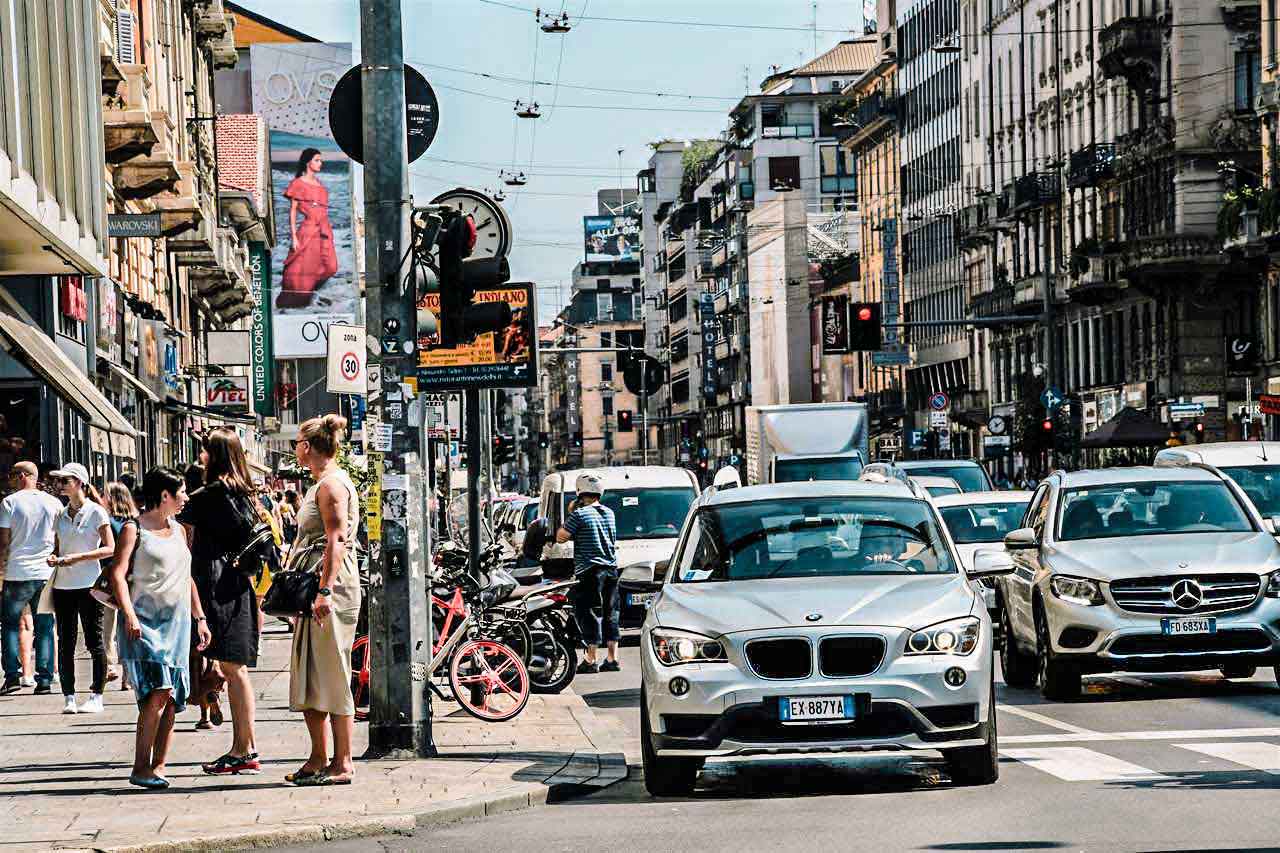
The metro is your fastest way around the city. You’ll skip the traffic jams that can paralyze downtown during rush hour. For comparison: from Duomo to Centrale takes 10 minutes by metro. In a car during peak hours, you might not even make it out of the parking lot in that time.
RicaricaMi – Your Ticket Card in Milan
As of early 2026, ATM in Milan has essentially moved to a paperless system. Traditional single-use paper tickets are being phased out and replaced by RicaricaMi – a reusable plastic card you load with tickets, as well as contactless payments and electronic tickets.
What is RicaricaMi?
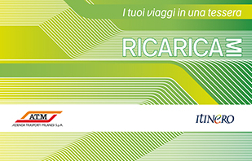
It’s an anonymous contactless card (similar to Warsaw’s City Card or London’s Oyster Card) that you load with any tickets you need: single rides, day passes, three-day passes, 10-ride packs. You tap it on the reader at metro gates or on buses/trams, and the system automatically deducts the ride and shows how many tickets remain on your card.
In practice: As of January 2026, buying a ticket in Milan means either:
If you still have old paper tickets, you can exchange them for RicaricaMi at ATM Point locations (Duomo, Centrale, Cadorna stations) for a limited time; check the current exchange deadline on the ATM website.
Where to Buy and How to Load RicaricaMi?
You can buy and load your RicaricaMi card in the same places you used to buy paper tickets:
Read more about where to buy the card and top it up below.
How it works:
- On your first visit, buy the physical RicaricaMi card (around €2–3)
- Immediately load it with your chosen tickets (e.g., day pass for €7.60)
- For each trip, tap the card to the reader
- When tickets run out, simply reload the card at a machine or sales point
You keep the card – you can use it multiple times during your stay in Milan, and even on future visits to the city.
Types of ATM Tickets in Milan
Which ticket you choose depends on how long you’re staying and how much you’ll be using public transport. The system is straightforward, but it helps to know your options so you don’t overpay.
Which ticket you choose depends on how long you’re staying and how much you’ll be using public transport. The system is straightforward, but it helps to know your options so you don’t overpay.
Biglietto ordinario urbano – Single Ticket
This is your standard one-ride ticket. After validation, it’s good for 90 minutes and you can:
Best for: Works if you’re only making a few trips per day. When I lived in Milan and had an apartment downtown, I often walked and only bought a single ticket for the ride home in the evening.
Price: €2.20 (January 2026)
Biglietto giornaliero – Day Ticket (24h)
Valid for 24 hours from first validation, not until the end of the calendar day. That’s an important distinction. If you validate at 3 PM Saturday, it’s good until 3 PM Sunday.
Best for: Perfect for intensive sightseeing. It pays for itself after three rides. A weekend in Milan with Museo Novecento, lunch in the Navigli district, and evening drinks in Brera easily means 6-7 rides.
Price: €7.60 (January 2026)
Biglietto bi-giornaliero – Two-Day Ticket (48h)
Works just like the day ticket, only it’s valid for 48 hours from validation.
Best for: A long weekend when you know you’ll be riding a lot for two straight days.
Price: €13.00 (January 2026)
Biglietto 3 giorni – Three-Day Ticket (72h)
Valid for 72 hours from the moment of first validation. Like the 24h and 48h tickets, it counts actual time, not calendar days.
Best for: Ideal for a long weekend or 3-day visit. If you’re planning intensive sightseeing for three full days, this is your most cost-effective option.
Price: €15.50 (January 2026)
Carnet 10 viaggi – 10-Ride Pass
A pack of 10 single tickets at a lower price. Each ticket works like a standard single ticket with 90-minute validity from validation.
Important: It’s one pass, but you can validate multiple trips for different people. If you’re traveling with a partner, you can both use the same carnet by validating two tickets at once.
Best for: If you’re staying in Milan for several days but won’t be riding nonstop. I recommend this for people who mix walking with occasional metro rides.
Price: €19.50 (January 2026) – that’s €1.95 per ride instead of €2.20
Abbonamento settimanale – Weekly Pass
Here’s the catch: Milan’s weekly pass is valid Monday through Sunday, regardless of when you buy it. If you buy it on Wednesday, it’s only good until Sunday.
It requires personalization – you must write your name on it. During checks, inspectors may ask to see ID.
Best for: Only makes sense if you’re staying in Milan for a full work week starting Monday. Otherwise, combine day tickets or buy the carnet.
Price: €19.00 (January 2026)
Tourist Cards and City Passes
The MilanoCard and similar tourist cards often include public transportation. Warto jednak policzyć, czy opłaca się taka karta, jeśli planujesz korzystać głównie z metra. Często lepszym rozwiązaniem jest zwykły bilet dzienny lub dwudniowy ATM plus osobne bilety wstępu do muzeów.
Important: Tickets for airport buses (Malpensa Express, buses to Linate or Bergamo) are separate and not part of the ATM system.
Milan Public Transport Ticket Prices [2026]
The table below shows current prices as of January 2026. Prices may change, so check the official ATM Milano website (www.atm.it) before your trip.
|
Ticket type |
Price |
Validity |
Best Value |
|---|---|---|---|
|
Single ticket (Ordinario) |
€2.20 |
90 minutes |
Occasional rides |
|
Day ticket (24h) |
€7.60 |
24 hours |
From 4 rides |
|
Two-day ticket (48h) |
€13.00 |
48 hours |
Intensive weekend |
|
Three-day ticket (72h) |
€15.50 |
72 hours |
Long weekend/3 days |
|
10-ride pass€19.50Each ticket 90 minMulti-day stay |
€19.50 |
Each ticket 90 min |
Multi-day stay |
|
Weekly pass |
€19.00 |
Monday-Sunday |
Week from Monday |
When Does a Day Ticket Pay Off?
Simple math: a single ticket costs €2.20, a day ticket €7.60. Starting with your fourth ride, you’re saving money. A typical tourist day in Milan:
Already paid for itself. And if you’re seeing even more, the savings add up.
Where to Buy Metro and Public Transport Tickets in Milan
As of January 2026, Milan’s ticket purchase system is based on the RicaricaMi card. Below you’ll find all the places where you can buy and load the card.
Ticket Machines at Metro Stations
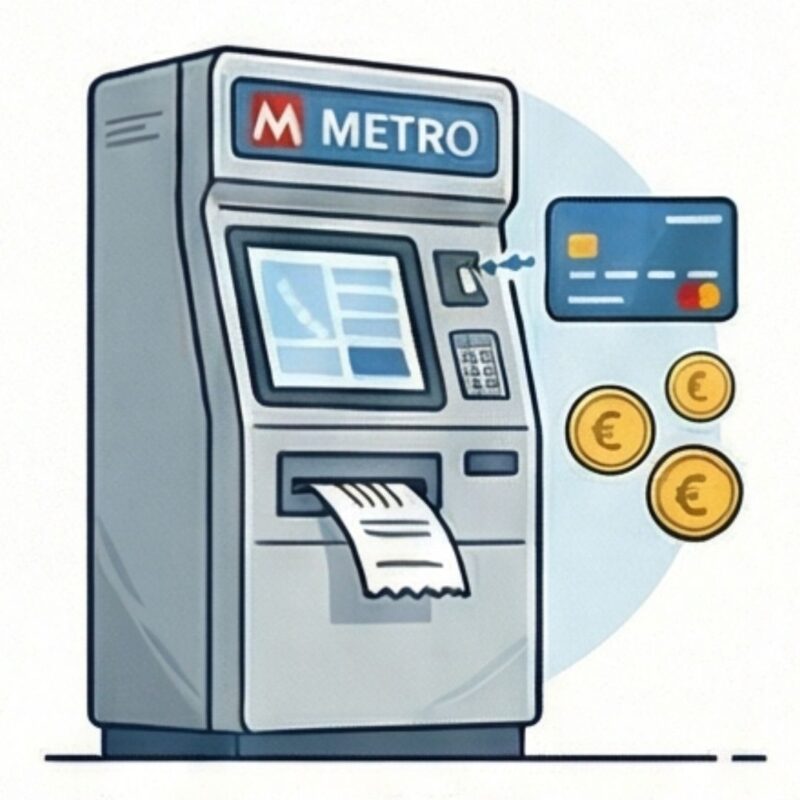
This is the easiest way. You’ll find machines at the entrance to every metro station. They’re intuitive to use:
Step by step:
- Choose your language (English and Italian available)
- On your first visit: Select “RicaricaMi” option and buy the card (around €2–3, price will display on screen)
- Then select the type of ticket you want to load onto the card (single, day pass, carnet, etc.)
- Pay with card (contactless works too) or cash
- Collect your RicaricaMi card and any change
For subsequent reloads: Simply select “reload RicaricaMi,” tap your card to the reader, and choose which tickets to load.
Machines accept coins and bills up to €20, credit and debit cards (including contactless). Not all give change for larger bills, so if paying cash, better to have exact amount.
ATM Ticket Counters
At larger stations (Duomo, Centrale, Cadorna) you’ll find staffed counters. Hours are limited (usually 7:45 AM-7:30 PM on weekdays), so don’t count on them in the evening or on weekends. If you have questions about the fare system or zones, staff will help. Warning: sometimes there are lines.
Above-Ground Sales Points
This is an option many tourists don’t know about. In Milan, ATM tickets are sold at:
Tabaccherie (tobacco shops) – you’ll recognize them by the big “T” on a gray sign. Usually open from morning to evening, some on Sundays.
Edicole (newspaper kiosks) – increasingly rare, but some still sell tickets.
Bars – some (not all) carry ATM tickets.
Look for an ATM logo sticker on the door or display window. When I lived in Milan, I bought tickets at the tabaccheria below my place because the line was shorter than at the station machine.
ATM Milano App
ATM Milano Official App. You can download it from the App Store or Google Play.

How it works:
The ticket in the app is in QR code form. At the metro, you hold your phone to the reader at the gate; on a bus or tram, you show it to inspectors (if they board).
Pros: No need to find a machine, everything’s on your phone. Cons: you need a charged phone and internet to activate the ticket.
Contactless Payment – Tap & Go
This is the newest option and in my opinion the most convenient for tourists. At most metro gates and on some buses, you can pay directly with your credit or debit card contactless.
How it works:
Key rules:
How to Use and Validate Tickets in Milan
Validating Tickets on the Metro
RicaricaMi card: Tap the card to the reader at the gate (usually a round reader marked with a contactless card symbol). You’ll hear a confirming sound and the gate will open. The display will show how many tickets remain on your card. Don’t throw away your card – you can use it multiple times.
Digital tickets from the app: Hold your phone with the QR code to the reader. You’ll hear a confirming sound and the gate will open.
Contactless payment: Hold your card to the reader marked with the contactless payment symbol.
Validating Tickets on Buses and Trams
Validators are right by the doors – yellow or green devices at waist height. You must tap your RicaricaMi card or ticket immediately upon boarding, even if the vehicle is crowded.
RicaricaMi: Tap the card to the round reader on the validator. Wait for the “beep” sound and the red light changes to green. The display will show how many tickets remain.
App tickets: Activate the ticket before boarding and show the QR code to inspectors if they board. Milan buses and trams don’t have QR readers at the doors.
Ticket Validity and Inspections
Tickets are valid from the moment of first validation:
Inspections are frequent, especially on the metro and popular tram lines. ATM inspectors wear uniforms and have ID badges. They check whether the ticket is validated and hasn’t exceeded its validity time.
The fine for riding without a ticket is high (several dozen to around one hundred euros) and usually lower if you pay within a short timeframe; always check current rates in the ATM regulations.
Fare Zones in Milan
Milan and surroundings are divided into fare zones from Mi1 to Mi9. For most tourists, you need to know the basics:
Urban zone Mi1-Mi3 – covers all of downtown Milan and nearly all tourist attractions:
The standard urban ticket I described above is valid in zones Mi1-Mi3.
Zones Mi4-Mi9 – Milan suburbs, outskirts:
How to Check if a Place is in Zone Mi1-Mi3?
Easiest way is the ATM Milano app or on www.atm.it – in the trip planner you’ll see whether the route requires an extended ticket. All metro stations within the city are in zone Mi1-Mi3, so if you’re riding the metro, a standard ticket is enough.
What About Rho Fiera (Trade Fair)?
This is the most common question asked by tourists, because many people go to Milano Design Week at FieraMilano in Rho. You need a ticket for zones Mi1-Mi4 (applies to metro line M1 to Rho Fiera station). Taki bilet kosztuje więcej niż standardowy miejski. Kup go w automacie przed wejściem do metra – wybierz opcję „extraurbano” i wskaż Rho Fiera jako cel.
Practical Tips for Tourists
Which Ticket Should a Tourist Choose in Milan?
1-2 day stay (weekend): Day ticket (€7.60) is your best bet. Buy one Friday evening when you arrive, another Saturday morning. Total €15.20 for unlimited rides for 48 hours. Alternatively: one 48h ticket (€13.00) – you’ll save €2.20.
3-day stay: The 72h three-day ticket (€15.50) is your best option – one ticket for your whole stay. Alternatively, the 10-ride pass (€19.50) if you’re planning no more than 10 rides over 3 days.
4-7 day stay (but not Monday-Sunday): The 10-ride pass (€19.50) or combine day tickets on intensive sightseeing days with single tickets on quieter days.
Week-long stay (Monday-Sunday): Weekly pass (€19.00) – one ticket, valid all week
My recommendation: If you have a credit card and technology doesn’t bother you, use contactless payment. The system calculates the best fare automatically and you don’t have to think about tickets.
Children and Youth – Ticket Discounts
Note: Detailed rules about discounts and free travel for children may change. Before your trip, check current conditions on the official ATM website (www.atm.it) in the “Tariffe e abbonamenti” section.
What About Luggage?
Standard travel luggage (carry-on suitcase, backpack) is free. You don’t need to buy an extra ticket for luggage, as happens in some cities.
How to Avoid a Fine?
What If You Get a Fine?
If an inspector finds you riding without a valid ticket, they’ll write you a fine. You can:
Note: Fine amounts and payment rules may change. Find current rates in the inspection regulations on the ATM website (www.atm.it).
If you have a ticket but, say, forgot to validate it, calmly explain the situation. Sometimes inspectors are understanding (especially with foreign tourists), but don’t count on it for sure.
Night Transport in Milan
The metro in Milan runs from about 6:00 AM to 12:30 AM (on Fridays and Saturdays until 1:30 AM). After that, night bus lines operate (marked with the letter “N”, like NM1, NM2).
Night buses run roughly along metro line routes, but on the surface. Standard ATM tickets are valid on them. Frequency: every 30 minutes.
Alternative: taxis. In Milan they’re not too expensive (about €15-25 for a ride downtown at night).
Route Planning App
Besides the ATM Milano app for buying tickets, I recommend Google Maps for planning routes. Type in point A and B, select the public transport icon, and you get the fastest route with transfers. Google Maps works great in Milan and shows real-time schedules.
Frequently asked questions
Do I Need to Know Italian to Buy a Ticket in Milan?
No. Ticket machines have English in the menu, the ATM app is in English, and counter staff usually know basic English. At a tabaccheria, just say “un biglietto ATM, per favore” or show on your fingers how many tickets you need.
What is RicaricaMi and Do I Need to Buy It?
RicaricaMi is a reusable plastic card that you load with tickets. As of January 2026, it’s the standard way to use public transport in Milan (aside from contactless payment and the app). You must buy the card on your first visit (around €2–3, price displays at the machine), then just reload it. You keep the card and can use it on future visits to Milan.
Does a Metro Ticket Work on Buses and Trams Too?
Yes. All ATM tickets are universal and valid on metro, buses, trams, and trolleybuses within the purchased zones. One ticket, all modes of transport.
Can I Buy a Ticket from the Bus Driver?
No. Milan ATM buses and trams don’t sell tickets onboard. You must have a ticket before boarding (from a machine, app, sales point, or pay contactless at the validator if that particular bus has that option).
How Much Does a Ticket to the Airport Cost?
Linate: You’ll get downtown fastest by metro line M4 (station “Linate Aeroporto”) – standard ATM ticket for €2.20 valid 90 minutes, with transfers to other metro lines, trams, and buses. This is definitely the most convenient option. Bus 73 still connects the airport with the Piazza San Babila area downtown, but with M4 running, it’s more of a backup option.
Malpensa: Autobusy (Terravision, FlixBus) – 8-10 € (online taniej)
Bergamo Orio al Serio: Orio Shuttle or Terravision bus – about €10 (cheaper online)
None of the Malpensa and Bergamo connections are covered by the standard ATM ticket.
Tip: Airport connection prices vary and depend on the operator, season, and online promotions. Before departure, check current prices directly with carriers: Trenord (Malpensa Express), Terravision, FlixBus, Orio Shuttle. Tickets bought online in advance are often cheaper than on-site.
What If I Lose My RicaricaMi Card?
Unfortunately, RicaricaMi is anonymous and cannot be blocked or have its tickets recovered. If you lose the card, you must buy a new one (around €2–3) and reload it from scratch. So keep it in a safe place, ideally in your wallet.
If you lose your RicaricaMi and an inspector boards the bus – technically you don’t have a valid ticket and you could get fined. In practice, if you calmly explain the situation in English as a tourist, some inspectors might let it slide, but you have no guarantee.
If you’re using the app or contactless payment, no problem – the ticket is on your phone or payment card, you can’t lose it.
Do You Need to Validate Your Ticket When Exiting the Metro?
RicaricaMi card or app ticket (QR code): You only tap once – at entry. At exit, you just walk through the gate (it opens automatically or after pressing the green button).
Contactless card payment (tap&go): On some sections you must tap your card at exit too (“tap out”) for the system to properly charge your ride. Always tap out when exiting the metro, even if the gates are open – otherwise you might get an extra charge.
Where Are Inspections Most Frequent?
From my experience, inspections are frequent on:
– Metro – especially during rush hours at central stations (Duomo, Centrale, Cadorna)
– Trams to residential neighborhoods (inspectors board at stops)
– Lines to/from San Siro on match days
There are fewer inspections in the evenings and weekends, but that doesn’t mean you should risk it.
Wrap-up
Milan’s ATM ticket system is simpler than it seems. Most tourists do great with day tickets and contactless payment. The key rules:
After many years in Milan, I can say one thing: public transport in this city works beautifully. The metro is punctual, clean, and fast. Trams have their charm (especially those historic yellow trams). Buses connect neighborhoods the metro doesn’t reach. Get the right ticket, follow the rules, and enjoy Milan without the stress of parking or traffic jams.
Buon viaggio!
Sources:
I lived in Milan for 18 years, and it was there that I came to know the city’s daily life best - not just its landmarks, but also its rhythm, its habits, and its less obvious sides. Today I live in Wrocław, but I still return to Milan regularly.