


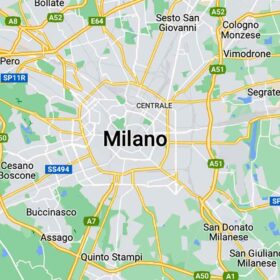
 The Geographic Location of Milan – A Strategic Spot in the Heart of Europe
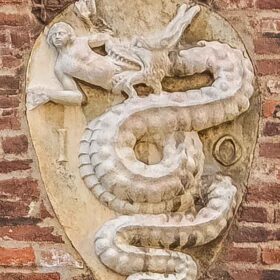 Milan’s coat of arms
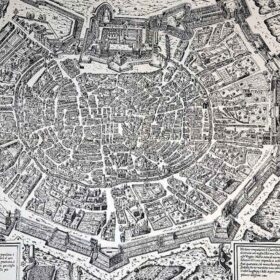 History of Milan
 Saint Ambrose
 History of Panettone
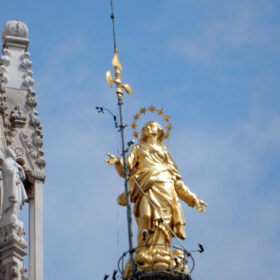 Madonnina
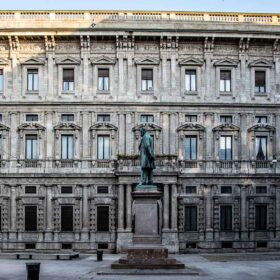 City Hall
 Milanese cuisine


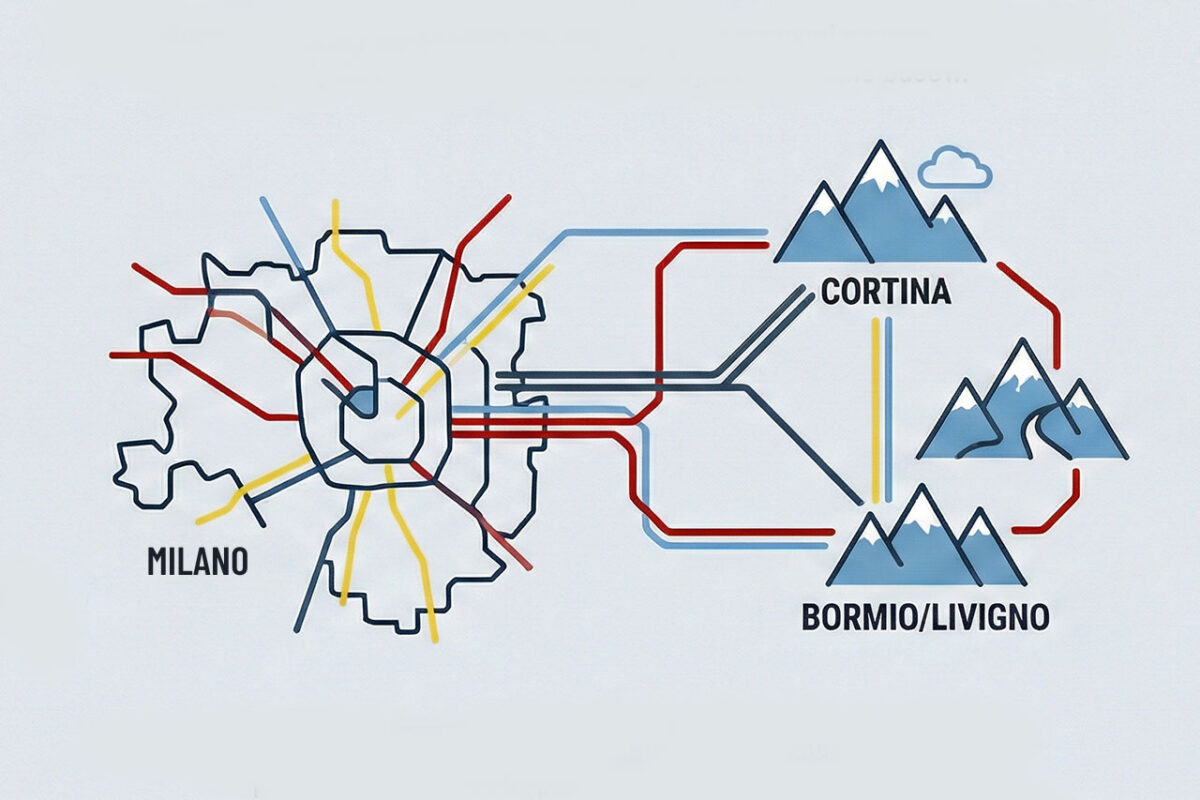
You’ve scored tickets to the Games and now you’re wondering: how do I actually get from Milan to Cortina? Or from hockey in Assago to freestyle skiing in Livigno? These will be the most geographically dispersed Olympics in history, which means one thing: without a solid transportation plan, you’ll get lost. The good news? Organizers have built an extensive network that lets you reach virtually everywhere by train, bus, or Olympic shuttle.
The Milan-Cortina 2026 Winter Olympic Games run from February 6 to 22, with the Paralympics following from March 6 to 15. Venues are scattered across three regions: Lombardy, Veneto, and Trentino-Alto Adige. That means distances of several hundred kilometers between some facilities. The key to success is understanding the Park & Ride system, using trains smartly, and abandoning any dreams of driving your car right up to the venues – that’s simply not possible.
Where Are the Events?
Before you start planning transportation, you need to know where you’re actually going. The Games are divided into several geographic clusters, each with its own transportation quirks.
Milan: Ice Sports and Ceremonies
All indoor ice events and the opening ceremony take place in Milan itself. The main venues are:
Cortina d’Ampezzo: Heart of the Alpine Events
Cortina is about 250 miles from Milan – a 4 to 5-hour drive. There’s no direct rail connection. Events here include women’s alpine skiing, bobsled, skeleton, luge, and curling.
How to get there: Train to Ponte nelle Alpi (from Venice or Padua), then the Cortina 2026 Link bus. Alternatively: Frecciarossa high-speed train to Venice Mestre, then FrecciaLink bus to Cortina.
Valtellina: Bormio and Livigno
Bormio (men’s alpine skiing, alpine combined) and Livigno (freestyle and snowboard) are in Lombardy but far from Milan. Livigno is about 140 miles away, Bormio slightly closer.
Val di Fiemme and Anterselva
Val di Fiemme (cross-country skiing, Nordic combined, ski jumping) and Anterselva (biathlon) are in Trentino-Alto Adige.
How to get there: Frecciarossa to Ora/Auer station, then FrecciaLink to Predazzo and Tesero. For Anterselva: train to Bolzano, connection to Valdaora, then shuttle.
Trains: The Backbone of Olympic Transportation
Trains are hands-down the best option for traveling between cities. Italian railways have prepared a special plan for the Games, significantly increasing service.
Trenord
Trenord, Lombardy’s regional rail operator, will run nearly around the clock. From February 6 to 22, the network will operate 2,500 trains daily – 120 more than usual. Key details: Key facts:
Trenitalia: High-Speed Rail and FrecciaLink
Trenitalia, the national carrier, has launched special intermodal Frecciarossa + FrecciaLink (bus) connections. You can buy a single ticket covering both train and bus to:
⚠️ Note: The Cortina 2026 Link connection is designed primarily for spectators traveling to events. Access to shuttles directly to the venues is reserved for ticket holders. Specific rules may vary by discipline, so check current information on Trenitalia’s website.
Estimated Prices and Travel Times
|
Route |
Transportation |
Time |
Approximate price |
|---|---|---|---|
|
Milano Centrale – Tirano |
Trenord RE8 |
~2.5h |
from €13 |
|
Milano Centrale – Venezia Mestre |
Frecciarossa |
~2.5h |
from €25 |
|
Venezia Mestre – Cortina |
FrecciaLink |
~2h |
included with train |
|
Ponte nelle Alpi – Cortina |
Dolomitibus |
~50 min |
€7.50 |
|
Milano Centrale – Livigno |
Busitalia |
~4hfrom €16.90 |
from €16.90 |
|
Milano Centrale – Bormio |
Busitalia |
~3h |
from €11.90 |
Buses and Olympic Shuttles
The bus system is the second pillar of Olympic transportation, especially important for reaching mountain venues.
Busitalia: Direct from Milan to the Alps
Busitalia (an FS Group company) has launched a direct Milano Centrale – Livigno connection, the only one of its kind in Italy. The bus also stops in Bormio and Valdidentro.
Schedule:
Prices: from €16.90 to Livigno, from €11.90 to Bormio. Price includes ski or snowboard transport plus one checked bag.
Padova-Cortina Link: Busitalia bus from Padua directly to Cortina, no transfer at Ponte nelle Alpi required.
MiCo Shuttle: Navigating Between Mountain Venues
The MiCo Shuttle system is a network of Olympic buses connecting Park & Ride lots and Train & Ride stations with mountain venues. Shuttle costs are included in your event ticket price.
In Cortina alone, organizers have prepared anywhere from several dozen to over a hundred buses for spectators, plus additional vehicles for accredited personnel. Shuttles run according to the competition schedule, so you won’t need to worry about getting stranded after events end.
Shuttles to Milan Venues
Milan also has dedicated connections:
Milan Public Transit: Metro Until 2 AM
ATM, Milan’s public transit operator, has prepared a special plan for the Games. Great news for those returning from evening events.
Extended Operating Hours
During the Olympics (February 5-22):
During the Paralympics (March 7-15):
Detailed schedules will be published by ATM closer to the Games. Check current information in the ATM Milano app.
How to Reach Venues by Metro
|
Venue |
Metro Line |
Stop |
|---|---|---|
|
San Siro (ceremony) |
M5 (purple) |
San Siro Stadio |
|
Forum di Assago |
M2 (green) |
Assago Milanofiori Forum |
|
Fiera Milano Rho |
M1 (red) |
Rho Fieramilano |
|
Santa Giulia |
M3 (yellow) + shuttle |
Rogoredo |
Park & Ride Lots in Milan
If you’re arriving by car, leave it at a metro station parking lot and continue by public transit:
Lots open until 3:10 AM during the Olympics (until 2:10 AM during the Paralympics): Bisceglie, Molino Dorino, Lampugnano, Famagosta, San Donato, Cascina Gobba, Maciachini, Rogoredo.
ATM Tickets
A standard 90-minute ticket costs €2.40 and covers metro, trams, buses, and S lines within city limits. For venues in Rho and Assago (outside Milan municipality), there’s a €1.70 surcharge, payable at ticket machines.
City passes (1-day, 3-day) don’t include Rho Fiera or Assago, so a surcharge is always required.
💡 Local tip: Download the ATM Milano app. It lets you buy tickets, check real-time connections, and monitor elevator availability at stations. During the Games, you can also pay for rides directly by card, phone, or smartwatch at metro gates.
A standard 90-minute ticket costs €2.40 and covers metro, trams, buses, and S lines within city limits. For venues in Rho and Assago (outside Milan municipality), there’s a €1.70 surcharge, payable at ticket machines.
City passes (1-day, 3-day) don’t include Rho Fiera or Assago, so a surcharge is always required.
You can read more about tickets in Milan in a dedicated article: Tickets for the metro and public transport metro
For more information, please visit the dedicated ATM Milano-Cortina website.
💡 Local tip: Download the ATM Milano app. It lets you buy tickets, check real-time connections, and monitor elevator availability at stations. During the Games, you can also pay for rides directly by card, phone, or smartwatch at metro gates.
Driving: Possible, But Demanding
Taking your own car to the Olympics isn’t a bad idea, but it requires careful planning. Forget about parking at the venue – it’s simply not possible. The Park & Ride system is mandatory in every mountain cluster.
Rule Number One: You Can’t Drive to the Venue
Whether you’re heading to Cortina, Livigno, Bormio, or Val di Fiemme, you must leave your car at a designated lot and transfer to a shuttle. The only exceptions are people with hotel reservations in the area, residents, and second-home owners (with appropriate permits).
Park & Ride Lots in the Clusters
Cortina d’Ampezzo
From the lots, shuttles go to Cortina Sud Bus Terminal. From there, it’s about a 20-minute walk to downtown and venues.
Livigno
Val di Fiemme
All lots require advance reservation through the MC26 app or milanocortina2026.org. The exact list of locations, availability, and any fees will be published at passauto.milanocortina2026.org. The reservation itself is planned to be free, but spaces fill on a first-come, first-served basis.
Car Passes for Livigno
Livigno has special rules due to its location and limited road infrastructure. From February 4 to 22, 2026, zones apply:
Under current plans, no pass is required between midnight and 6:00 AM, but these rules may change. Always check the latest version of the regulations on the official website before departing.
ZTL in Milan
Milan has two restricted traffic zones:
Area C: the historic center, €7.50 entry fee (Mon-Fri 7:30 AM-7:30 PM). During the Games, Organizing Committee vehicles are exempt from fees from January 23 to March 18.
Area B: nearly all of Milan, restrictions for high-emission vehicles (Mon-Fri 7:30 AM-7:30 PM).
Check your car’s emission class before entering. Fines are steep, and automatic cameras are merciless.
Milan has two restricted traffic zones:
Check your car’s emission class before entering. Fines are steep, and automatic cameras are merciless.
Airports: How to Get to Milan
Milano Malpensa (MXP)
The main intercontinental airport, about 30 miles from downtown Milan.
Malpensa Express (Trenord): trains to Milano Centrale and Milano Cadorna. During the Games: connections every 15-30 minutes from 4:00 AM to 3:00 AM. Price: approximately €13.
Olympic novelty: weekend Frecciarossa trains from Venice and Udine will run directly to Malpensa Terminal 1 and 2 (February 7 – March 15).
Milano Linate (LIN)
The city airport, just 4 miles from downtown. Excellently connected thanks to the new M4 metro line.
M4 metro (blue): direct connection to downtown (San Babila Station, Duomo) in about 15 minutes.
Bergamo Orio al Serio (BGY)
Ryanair’s airport and other budget carriers, about 28 miles from Milan.
Buses: Orio Shuttle and Terravision to Milano Centrale, approximately 50-60 minutes, price around €7-10.
Other Airports for Alpine Clusters
For Cortina, consider flying into Venice Marco Polo (VCE) or Treviso (TSF). For Val di Fiemme and Anterselva: Bolzano or Verona.
The MC26 App and Trip Planning
The Milano Cortina 2026 (MC26) app is essential for every spectator. It allows you to:
Download the app before you leave and log in at least once so you’ll have access to your tickets even without internet.
For planning routes in Milan: ATM Milano app.
For checking train connections: Trenitalia and Trenord (separate apps).
Practical Tips to Wrap Up
First: book your transportation early. Tickets for trains heading to Cortina and Valtellina will sell fast. The earlier you buy, the better prices and guaranteed seats.
Second: plan travel between clusters realistically. Milan to Cortina is a minimum of 4-5 hours. Don’t try to watch hockey in Assago in the evening and alpine skiing in Cortina the next morning unless you’re staying somewhere along the way.
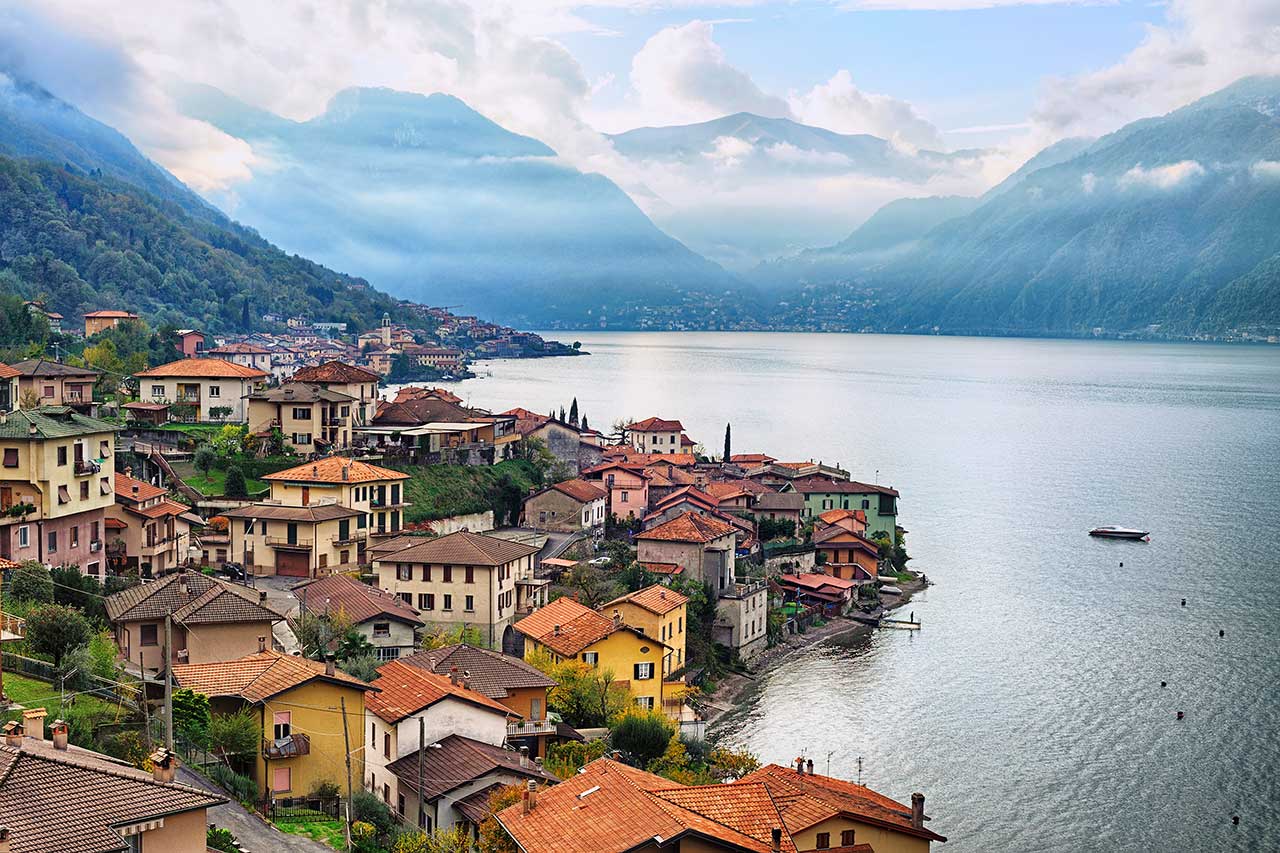
Third: use public transportation. The system is genuinely extensive, and Alpine traffic jams in February can be brutal. The Trenord train to Tirano is a scenic route along Lake Como and through Valtellina – worth taking during daylight hours just for the views.
Fourth: check for updates. Mountain weather can surprise you, and competitions may be rescheduled. The MC26 app and the official milanocortina2026.org website are your primary sources.
Buon viaggio and enjoy the Games!

I lived in Milan for 18 years, and it was there that I came to know the city’s daily life best - not just its landmarks, but also its rhythm, its habits, and its less obvious sides. Today I live in Wrocław, but I still return to Milan regularly.