


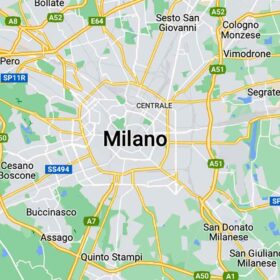
 The Geographic Location of Milan – A Strategic Spot in the Heart of Europe
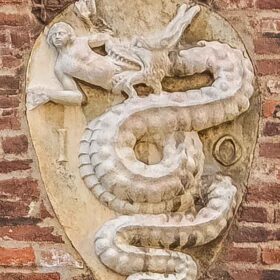 Milan’s coat of arms
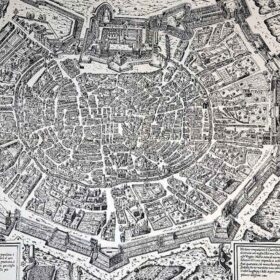 History of Milan
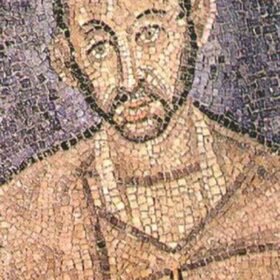 Saint Ambrose
 History of Panettone
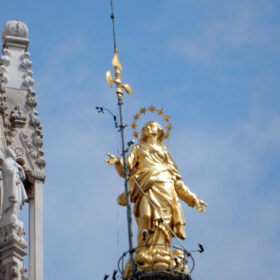 Madonnina
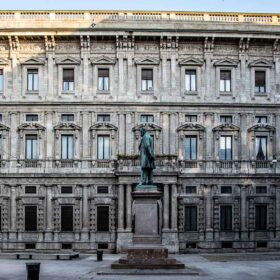 City Hall
 Milanese cuisine


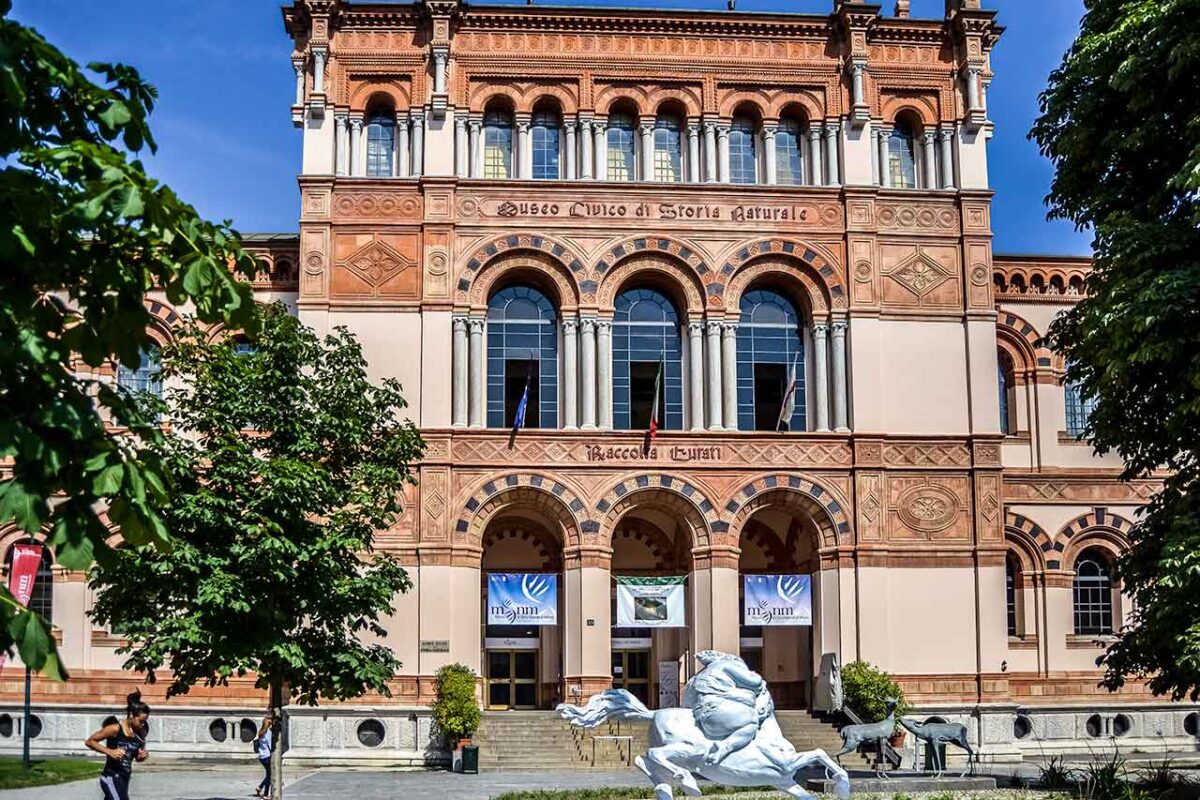
Museo Civico di Storia Naturale di Milano
Did you know that the Natural History Museum in Milan, also known as Museo Civico di Storia Naturale di Milano in Italian, is one of the oldest and most significant natural history museums in Italy? It was established way back in 1838 by a naturalist named Giuseppe de Cristoforis, who generously gave the city his impressive collection of over 100,000 specimens. And the museum’s very first director was Giorgio Jan.
The museum is actually housed in this super cool 19th-century building smack dab in the middle of the Indro Montanelli Garden, right by the old city gate of Porta Venezia. This place was built way back in the late 1800s, from 1888 to 1893 to be exact, and it’s got this rad Neo-Romanesque style with some Gothic vibes mixed in.
Here you will find five fascinating permanent sections
Mineralogy Department
In the Mineralogy section, you can learn about wonderful minerals from around the world. There you will find a wide collection of beautiful crystals, intriguing meteorites, and fossils.
Paleontology
The paleontology section will take you on a journey through time, during which you will marvel at ancient wonders. Get ready to discover dinosaur fossils, prehistoric creatures and extinct mammals that hide secrets from our planet’s distant history.
Natural History of Man
Here you will go on a fascinating journey to the origins and development of humanity. In this section, you will learn how humans interacted with their environment, discovering our common past and the factors that influenced us as a species. You will discover our close ties with all living beings.
Invertebrate Zoology
Here you can discover the fascinating world of invertebrates. You’ll learn about a wide variety of mollusks and marvel at the complex world of arthropods.
Vertebrate Zoology
Here there is an impressive assortment of both exotic and European vertebrates.
The Natural History Museum in Milan is a popular tourist destination, visited by more than 500,000 people a year. It is worth a visit when exploring the Porta Venezia area.
Additional information
Reservations are not mandatory, but strongly recommended, so you can avoid waiting to get in.Due to capacity constraints and the larger number of visitors, it is not possible to guarantee entry on Saturdays, Sundays and holidays for visitors without reservations.Ticket offices on site are open during opening hours.
Tickets
3-day card €12.00
A subscription valid for 3 days entitling you to 1 entry to each of the city’s museums (Civic Aquarium, Castello Sforzesco, Gallery of Modern Art, Archaeological Museum, Museo del Novecento, Palazzo Morando Museum, Natural History Museum, Risorgimento Museum).The subscription is also available in an electronic version that can be downloaded directly to smartphones and tablets without printing.
The subscription is also available in an electronic version, which can be downloaded directly to smartphones and tablets without the need to print.
Reduced Tickets
can be purchased by people over 65 years of age, young people between 18 and 25 years of age (EU citizens and non-EU citizens “subject to reciprocity”), students of universities and art academies; employees of the City of Milan with an identity card.
Free access
The following can enter for free:


I lived in Milan for 18 years, and it was there that I came to know the city’s daily life best - not just its landmarks, but also its rhythm, its habits, and its less obvious sides. Today I live in Wrocław, but I still return to Milan regularly.