


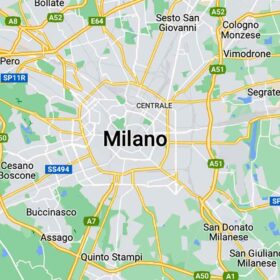
 The Geographic Location of Milan – A Strategic Spot in the Heart of Europe
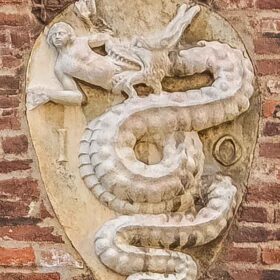 Milan’s coat of arms
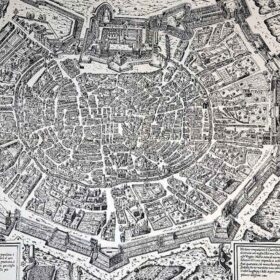 History of Milan
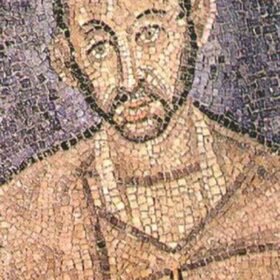 Saint Ambrose
 History of Panettone
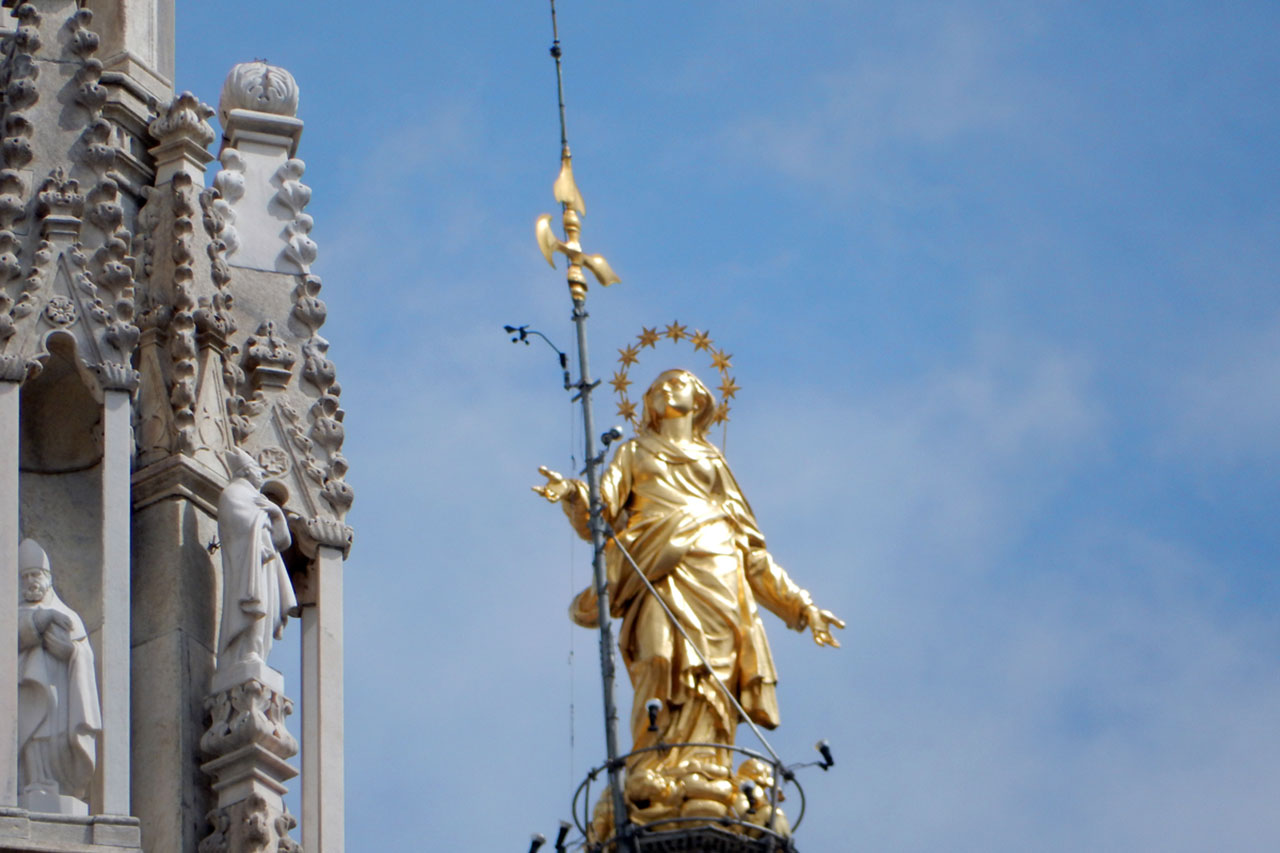
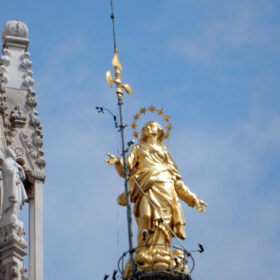 Madonnina
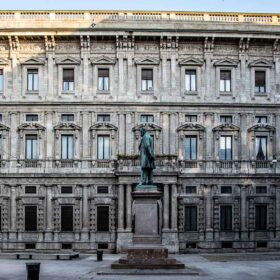 City Hall
 Milanese cuisine


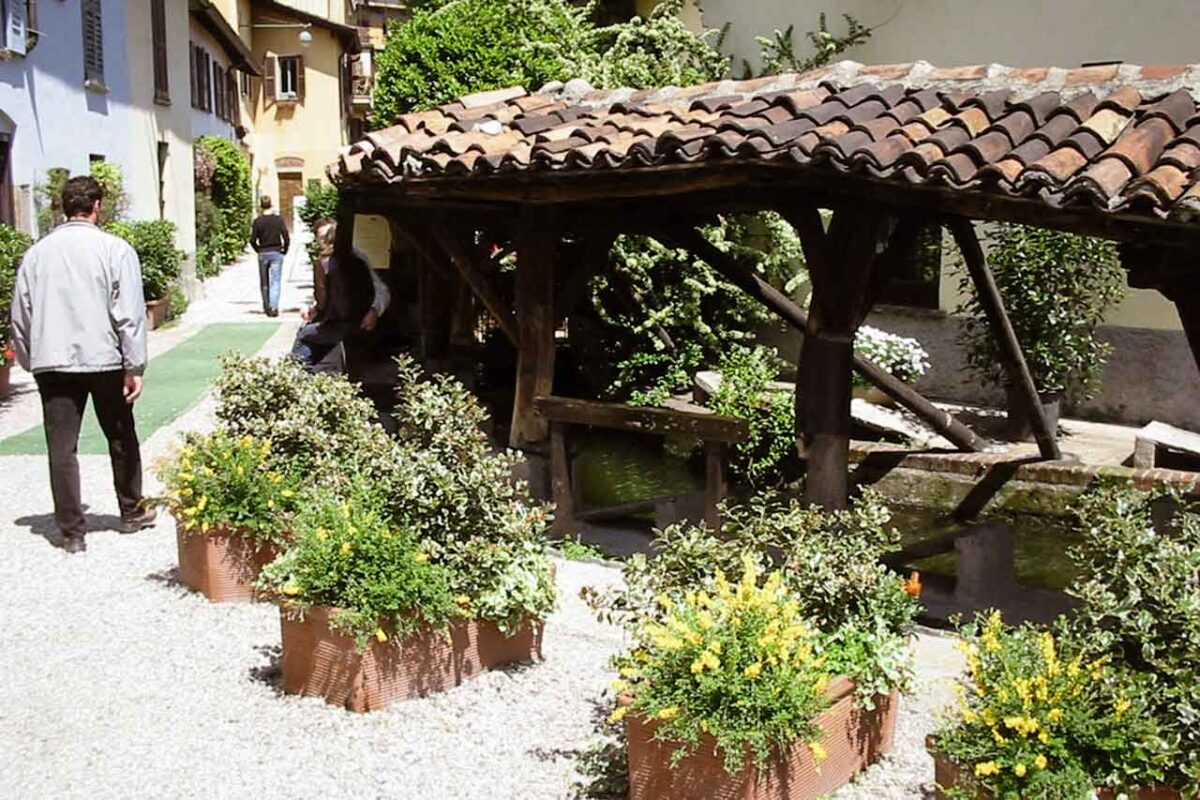
Vicolo dei Lavandai – an interesting spot along the Milanese canal
Milan is not just about the Duomo, La Scala, or San Siro. Venturing a little away from the center, you can discover many interesting and charming places that are rarely mentioned as typical landmarks of the Lombard capital.
Milan’s Navigli district is a popular destination for tourists and locals alike, known for its picturesque canals, charming cafes and lively nightlife. Among the many attractions in the area, one hidden gem stands out – the Vicolo dei Lavandai, also known as the Laundry Alley. Tucked away behind the bustling streets, this narrow alley is a unique and charming place that offers a glimpse into the city’s past. It is a favorite spot for artists and photographers, who are drawn to its rustic charm and quiet beauty. In this post, we take a closer look at Vicolo dei Lavandai and why it has become such a beloved part of Milan’s cultural landscape.
The name comes from an ancient laundry that still exists today, where many women up until the 1950s washed Milanese underwear. Narrow streets, a canal, establishments of different styles and from different eras, make this a unique and particularly attractive part of the city.
On the site of the former drugstore, which sold soap and bleach to the women employed in the former laundry, there is a typical restaurant with a fireplace and coffered ceiling, which still retains the old atmosphere of the place.
Vicolo dei Lavandai in Milan formerlyIt is interesting to note that this alley is dedicated to washermen and not washerwomen! This was because in the 19th century laundering was done by men affiliated with a real service association.
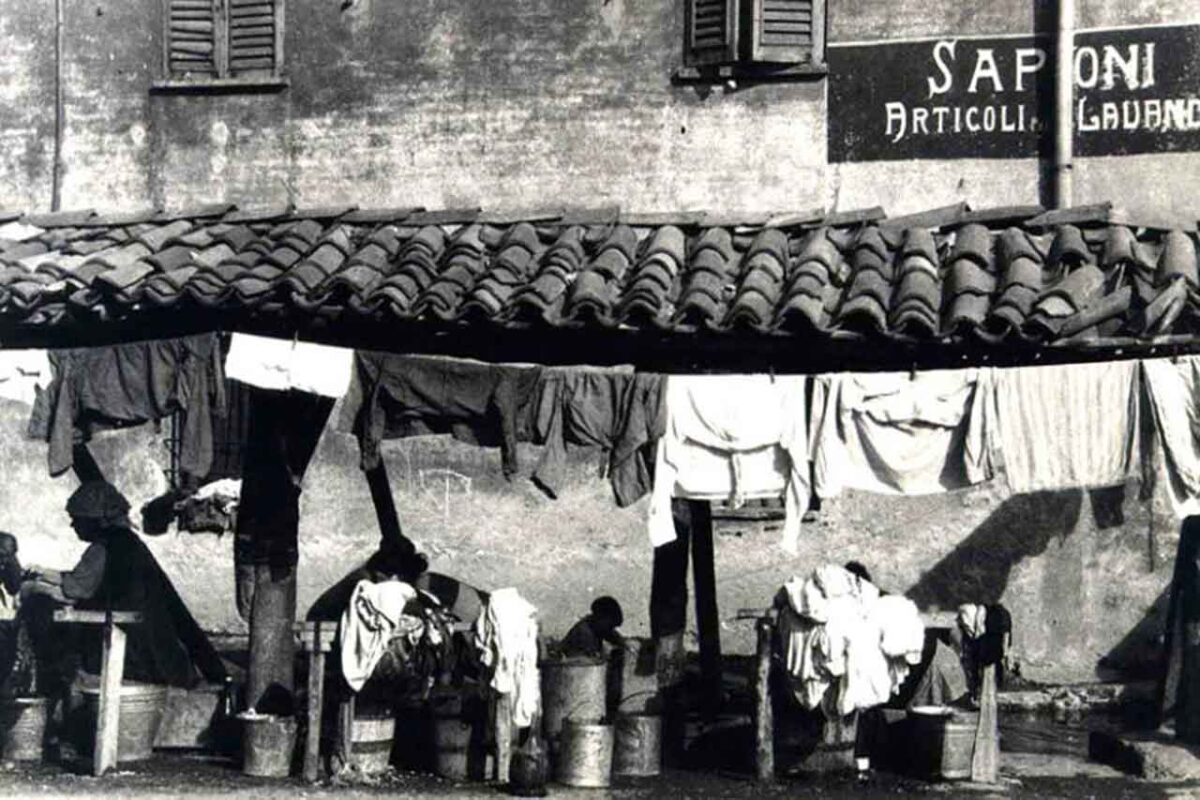
In fact, the Brotherhood of Milanese Laundresses dates back to the year 1700, and their patron was Saint Anthony of Padua, to whom an altar is dedicated in the Church of Santa Maria delle Grazie al Naviglio, located about 100 meters further along the same canal. At Vicolo dei Lavandai 6, there is an old washing machine from the early 20th century, a time when washing machines did not yet exist.
The stream (“el fossett” in Milanese dialect) is fed by waters from the Naviglio Grande. It was over it that washerwomen formerly knelt, equipped with a bucket, soap, brushes and bleach, and rubbed their clothes on the stone benches still there today. The detergent used by the washerwomen consisted of the so-called “palton” – a semi-dense paste based on ash, soap and soda.
The typical atmosphere of this place has inspired many writers and historians of old Milan, as well as poets who dedicated numerous verses to this alley. One of the most famous poems is “Vicol di Lavandée” by Luigi Cazzetta, who was honored with the Carlo Porta award in 1964 and to whom a garden near Piazzale Gorini is dedicated. (Unfortunately, I haven’t been able to find this poem anywhere.)

I lived in Milan for 18 years, and it was there that I came to know the city’s daily life best - not just its landmarks, but also its rhythm, its habits, and its less obvious sides. Today I live in Wrocław, but I still return to Milan regularly.