


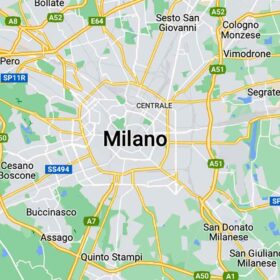
 The Geographic Location of Milan – A Strategic Spot in the Heart of Europe
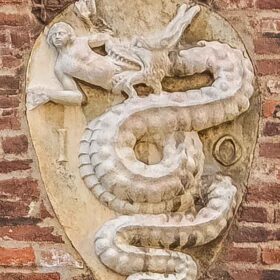 Milan’s coat of arms
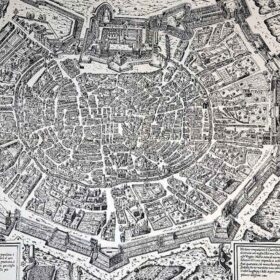 History of Milan
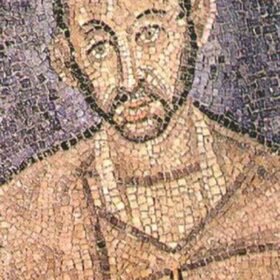 Saint Ambrose
 History of Panettone
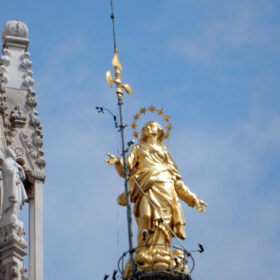 Madonnina
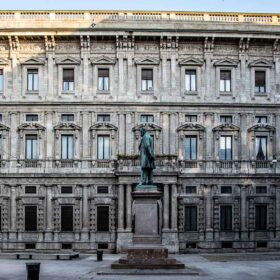 City Hall
 Milanese cuisine


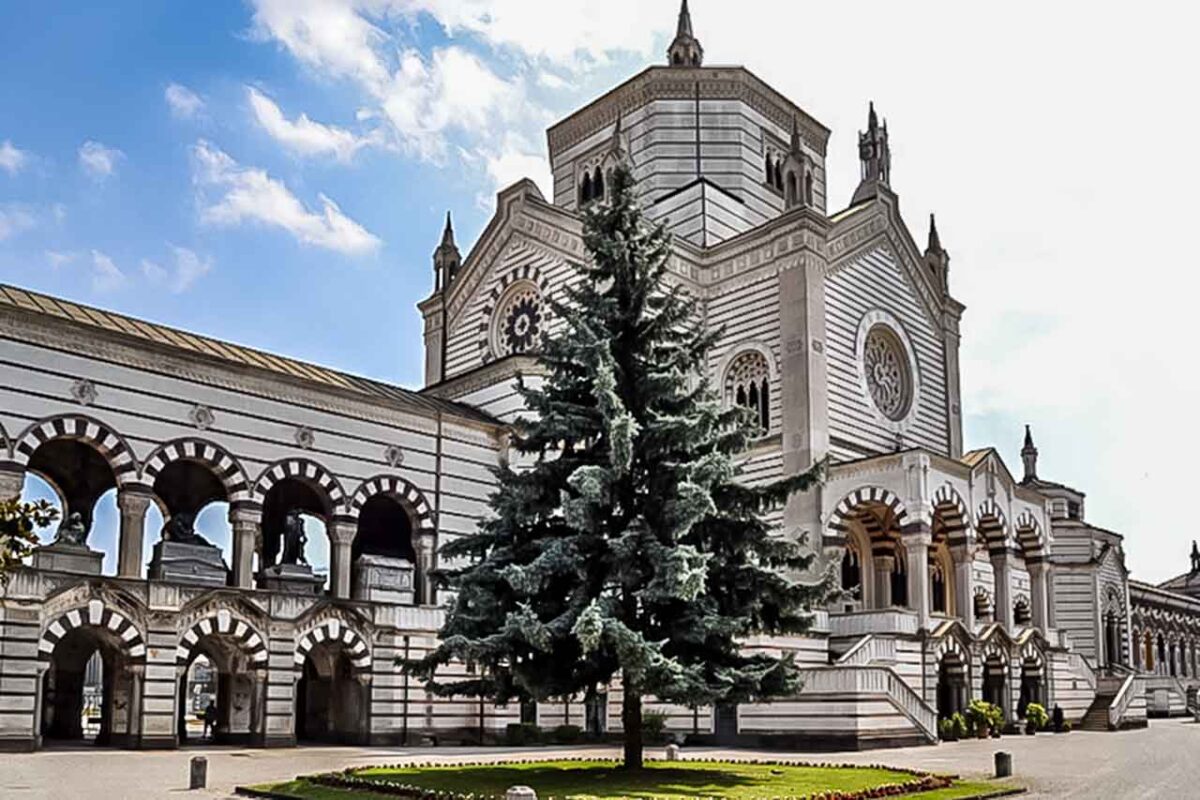
Cimitero Monumentale – an extraordinary Milanese necropolis
The Monumental Cemetery in Milan is one of the most important cemeteries in Italy and Europe, not only as a burial site, but also as an open museum that collects works by some of Italy’s greatest sculptors since the 19th century.
Designed as an urban project, this cemetery aimed to combine the religious worship of the dead with urban importance, telling the story of the city and Italian sculpture.The Monumental Cemetery consists of three distinct areas: the central and largest, for the Catholic dead, and two wards with their own spaces and entrances: The Akatholic ward, for Protestants, Greek Orthodox and Armenians, and the Israelite ward. This structure reflects the idea of creating a place that could receive and commemorate the dead in the spirit of memory and urban revaluation.
In addition to its main function, the Monumental Cemetery is also a place of great cultural and artistic value. Its graves and grave monuments, made by outstanding artists, make it a true open-air museum. In addition, the cemetery is open to the public for guided tours, offering visitors the opportunity to discover the artistic, historical and social wealth of this unique place.
History of the Monumental Cemetery
Its history began in 1837 when the Austrian administration of the Lombard-Venetian Kingdom suggested building a cemetery to replace the numerous and unhealthy cemeteries scattered around the city. In 1860, the idea was realized by the new city government, which announced a competition to design a new Monumental Cemetery.
The competition was won by Carlo Maciachini, who was born in humble circumstances in Induno Olona and later moved to Milan, where he worked as a wood carver and later trained as an architect. Its design was finally approved in late 1863, and construction work began immediately. The cemetery was officially opened on November 2, 1866, although some architectural elements were not yet completed.
The cemetery was designed as a place that could receive and commemorate the dead in a spirit of remembrance and urban revaluation It consists of three distinct areas: a central and largest one for the Catholic dead, and two wards with their own spaces and entrances: The Akatholic ward, for Protestants, Greek Orthodox and Armenians, and the Israelite ward.
Over the years, the Monumental Cemetery has been expanded several times until it reached its current size. The architecture of the cemetery is organized in an orthogonal and symmetrical manner concerning the shape of the central part, from which symmetrical porticoes called Galleries emerge. These connect the central part – Famedio – with the Ediculs.
Architectural wonders of the Monumental Cemetery
Distinctive architectural styles
The site is a unique example of architectural eclecticism that combines different historical styles. The main entrance, known as Famedio, is an emblematic example of this approach, combining elements of Pisa Romanism and Lombard Gothic. The structure of the cemetery is characterized by an orthogonal and symmetrical layout, which contributes to creating a sense of order and harmony.
The various buildings inside the cemetery reflect eclectic tastes and trends from the late 19th century, with styles ranging from Pseudo-Romanesque-Lombard to Tuscan and Byzantine. This stylistic diversity not only enriches the visual experience of visitors, but also reflects the cultural richness and history of Milan.
Famedio – monumental entrance
Famedio, which translates from Italian to mean “temple of fame,” is the central building in Milan’s Monumental Cemetery. It was designed as a place dedicated to the memory of prominent citizens who have contributed to Italian history and culture, particularly Milan’s. The Famedio serves as the main entrance to the cemetery and is easily recognized by its impressive architecture.
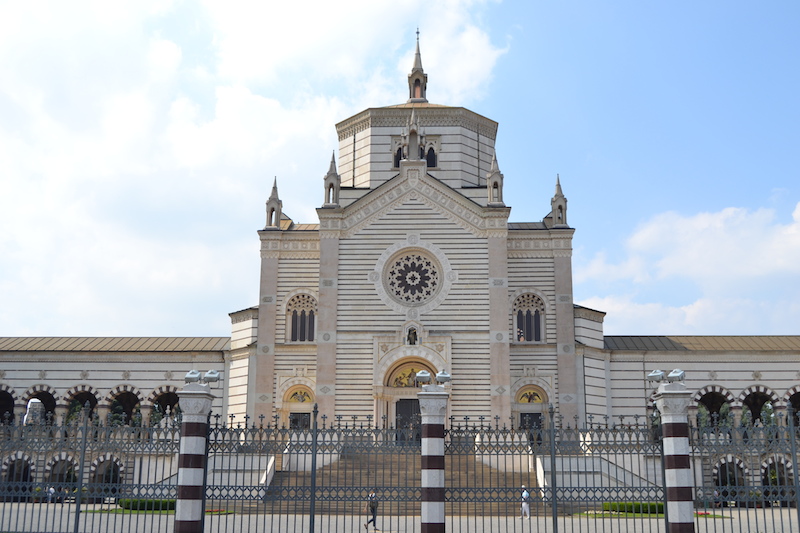
Inside the Famedio are the tombs and monuments of many famous Milanese, including writers, scientists, artists, and politicians. The most famous person buried in Famedio is Alessandro Manzoni, the famous Italian writer and poet, author of the novel “The Betrothed.”
The Famedio, with its monumental facade and rich ornamentation, is one of the Cemetery’s most distinctive features and is an important landmark for visitors. Its architecture and symbolic significance underscore the Cemetery’s role not only as a burial site, but also as a space that commemorates and celebrates the contributions of outstanding individuals to society and culture.
Notable monuments and statues of the most distinguished residents
The cemetery contains the graves of many famous personalities who have left an indelible mark on Italian history and culture. Here are some examples:
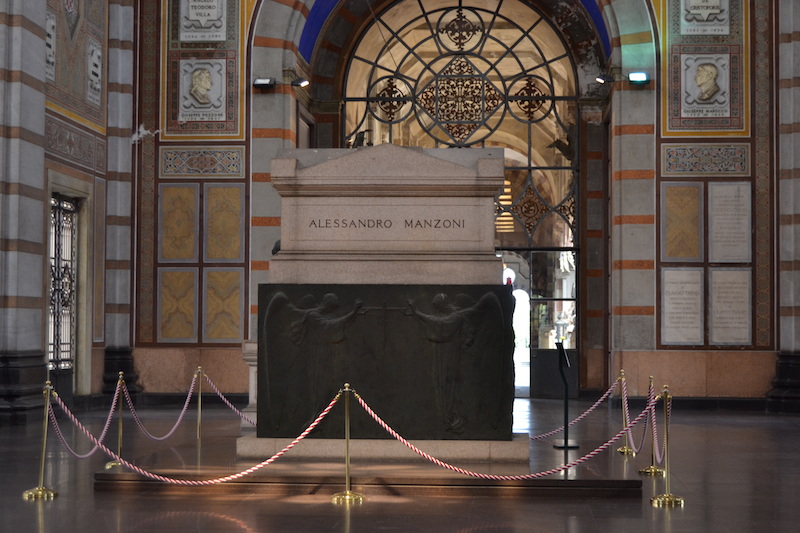
Sculptures and their symbolism
“Cimitero Monumentale di Milano” is known as an open-air museum due to the presence of numerous sculptures adorning tombs and common areas. These works of art are not just decoration, but carry deep symbolism related to life, death, and memory.
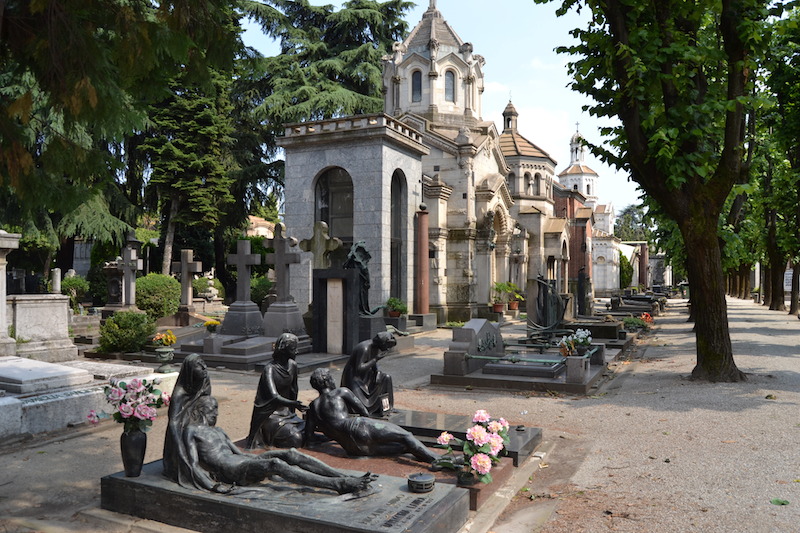
Artistic trends reflected in the cemetery
Milan’s monumental cemetery reflects various artistic trends, bearing witness to the evolution of art over the centuries:
The artistic expressions are not only a tribute to the dead, but also a cultural heritage that shows the diversity and richness of sculptural art. With these works, the cemetery becomes a place for reflection and appreciation of art that continues to inspire and move visitors.


How to get to Cimitero Monumentale in Milan
To get to the Monumental Cemetery in Milan, you can use various means of public transportation, depending on your starting point:
Remember to check current schedules and any route changes that may occur before you travel.
Opening hours and best times to visit
The Monumental Cemetery in Milan is open to the public year-round, and admission is free.
Opening hours vary depending on the season:
The last entrance to the cemetery is possible until 30 minutes before closing time.
The cemetery can be visited at any time of the year, but spring and autumn are considered the best time to visit due to the mild climate and the beauty of the surrounding landscape.
Excursions and educational programs
Monumental Cemetery offers a number of guided tours and educational programs for visitors. These tours allow visitors to discover the history, art and architecture of the cemetery, while experienced guides provide insights and interesting anecdotes.
Guided tours are available in several languages, including Italian, English, French and German, and can be booked for both groups and individual visitors.
In addition, the cemetery offers educational programs for schools, with learning activities and creative workshops to introduce students to art, history, and culture.
Tours with a private guide:
The Monumental Cemetery of Milan Guided Experience
The Monumental Cemetery of Milan: Discover the Unexpected

I lived in Milan for 18 years, and it was there that I came to know the city’s daily life best - not just its landmarks, but also its rhythm, its habits, and its less obvious sides. Today I live in Wrocław, but I still return to Milan regularly.