


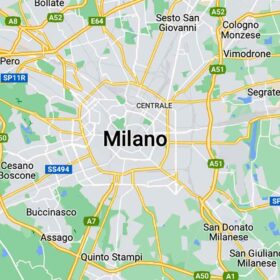
 The Geographic Location of Milan – A Strategic Spot in the Heart of Europe
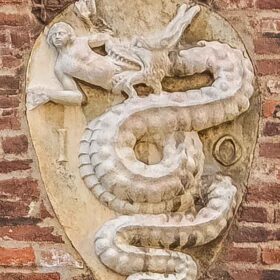 Milan’s coat of arms
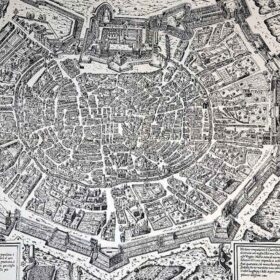 History of Milan
 Saint Ambrose
 History of Panettone
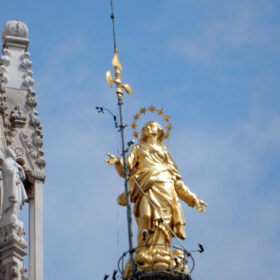 Madonnina
 City Hall
 Milanese cuisine


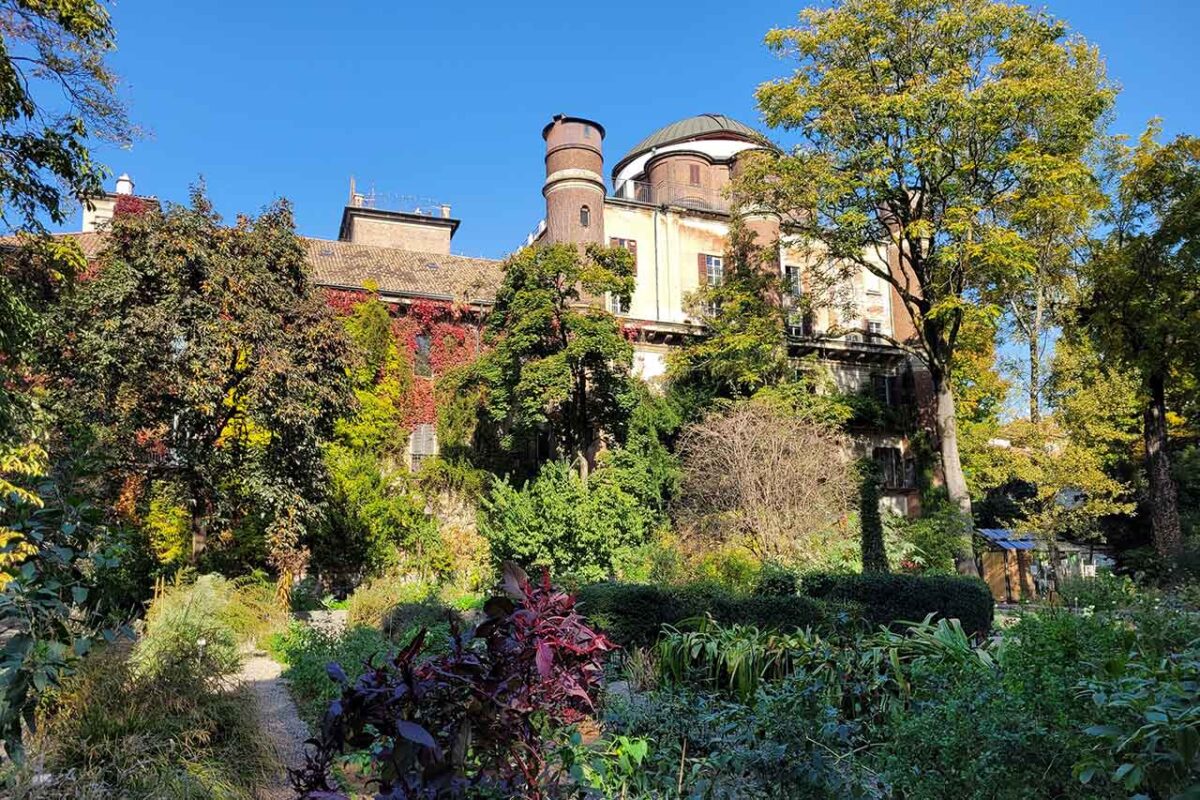
Botanical Garden – a green oasis of calm in the heart of Milan
The Brera Botanical Garden, located in the bustling heart of Milan, offers a pleasant break from the hustle and bustle of the city. Hidden behind the Palazzo Brera at Via Brera 28, this enchanting garden is under the care of the Institute of Applied Physics of the University of Milan.
Part of the sprawling Palazzo di Brera complex, the garden is home to a diverse collection of more than 3,000 plant species. This rich diversity not only enhances its beauty and tranquility but also makes it a key center for botanical research and education.
The Brera Botanical Garden’s historical roots date back to the 14th century, originally associated with the Humiliati Brotherhood, known for its humility. This deep historical connection enriches the garden with a cultural and historical layer, making it an intriguing place for both plant lovers and those who want to learn about Milan’s historical evolution.
Popular plants at Orto Botanico di Brera
The Brera Botanical Garden is famous for its diverse collection of plant species, which includes both native and exotic flora. Among the most well-known plants in the garden are:
In addition to these mature specimens, the garden has about 1,000 species of herbaceous and shrubby plants along with century-old trees, offering a rich mosaic of biodiversity on its half-acre site. The Brera Botanical Garden serves as a living museum dedicated to the preservation of biodiversity and rare species, providing a valuable resource for both education and entertainment.
Opening hours
The opening hours of the Brera Botanical Garden vary depending on the season:
It is worth remembering that the garden is closed on some holidays, so it is advisable to check any exceptional closures before planning a visit.
How to get to the Botanical Garden
To reach Orto Botanico di Brera by public transportation, you have several options:
Keep in mind that the garden is located in a restricted traffic zone (ZTL – Zona a Traffico Limitato), so if you are considering driving, be aware of restrictions and parking availability.
Tickets
However, fees may apply for guided tours or special events in the garden, so it is advisable to check in advance if there are any costs associated with these additional offerings.

I lived in Milan for 18 years, and it was there that I came to know the city’s daily life best - not just its landmarks, but also its rhythm, its habits, and its less obvious sides. Today I live in Wrocław, but I still return to Milan regularly.