


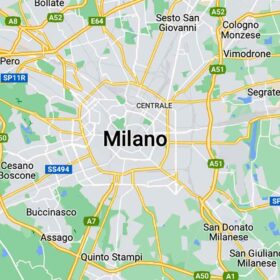
 The Geographic Location of Milan – A Strategic Spot in the Heart of Europe
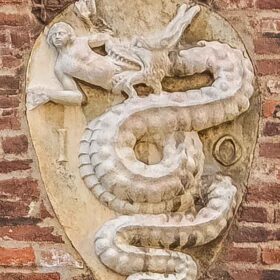 Milan’s coat of arms
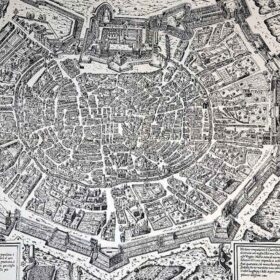 History of Milan
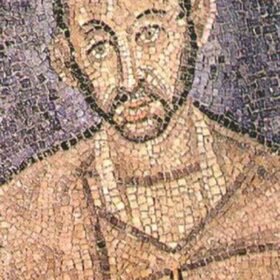 Saint Ambrose
 History of Panettone
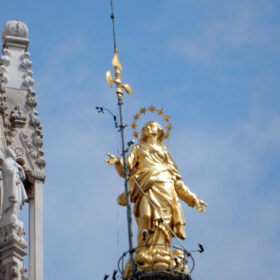 Madonnina
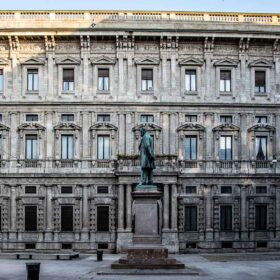 City Hall
 Milanese cuisine


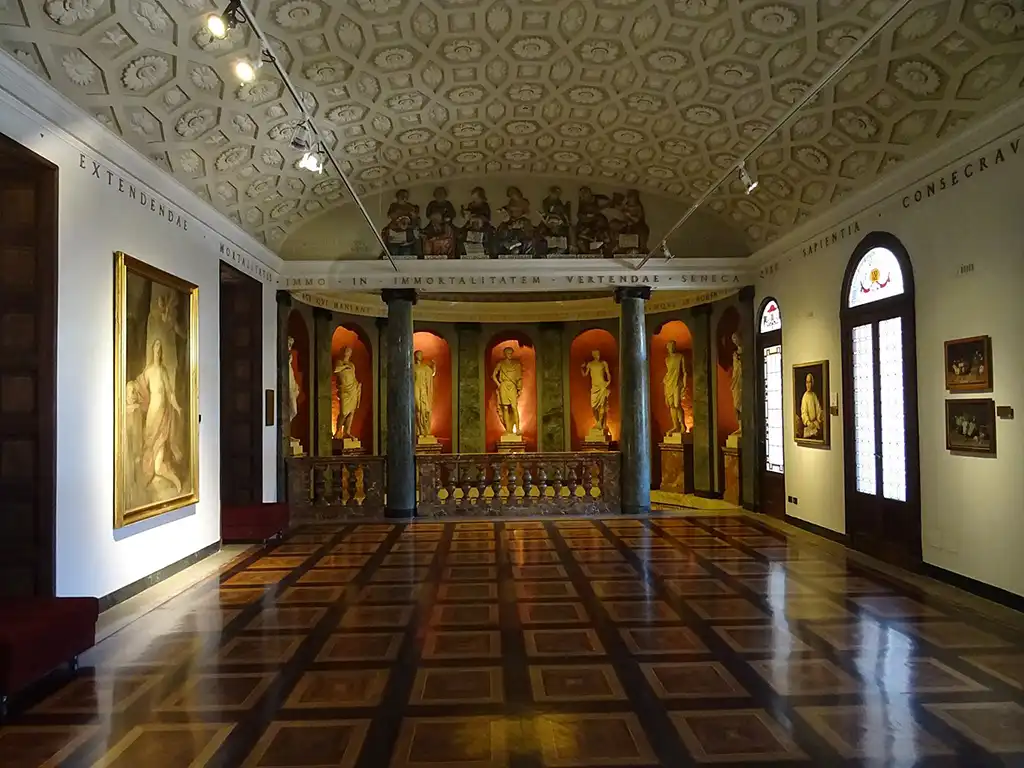
Pinacoteca Ambrosiana (Ambrosian Art Gallery) is an art museum in Milan, Italy. It was founded in 1618 by Cardinal Federico Borromeo, who donated his collection of paintings, sculptures, and drawings to the Ambrosian Library. The Pinacoteca is one of the most important museums in Milan and houses a collection of works by some of Italy’s most famous artists, including Leonardo da Vinci, Raphael, and Caravaggio.
Some of the most famous works in the Ambrosian Art Gallery include:
The Virgin of the Rocks
“The Virgin of the Rocks” is a famous painting that has captivated art enthusiasts for centuries. It is believed to be the work of the Italian artist Andrea Bianchi, also known as “Vespino,” who was active in Milan in the late 16th and early 17th centuries. The painting is a copy of the original work attributed to the great Renaissance master, Leonardo da Vinci.
Commissioned by Cardinal Federico Borromeo, a prominent patron of the arts, Vespino was tasked with creating replicas of significant Renaissance masterpieces, including works by Leonardo da Vinci. “Madonna in the Grotto” is one such replica, faithfully reproducing the original painting, which is now in London…
Portrait of a Musician by Raphael
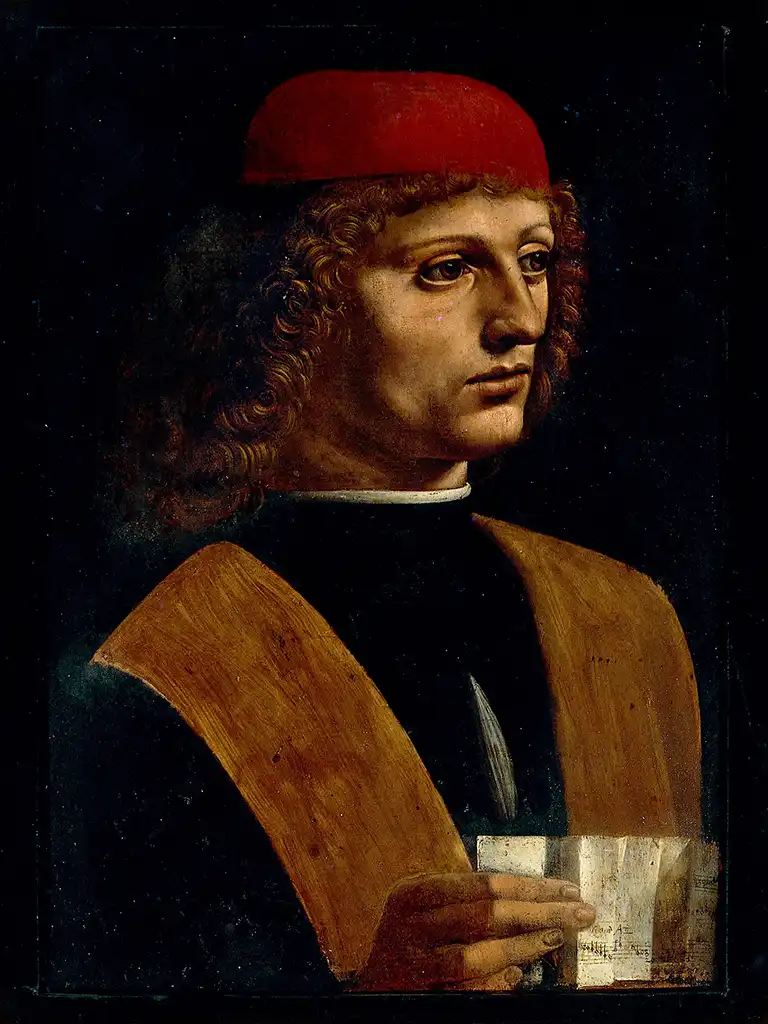
Leonardo da Vinci‘s enigmatic “Portrait of a Musician.” Painted between 1483 and 1487 during his stay in Milan, this unfinished masterpiece has fascinated scholars and art enthusiasts for centuries.
On a small walnut wood panel, da Vinci’s only known male portrait captivates with its delicate brushwork and captivating subject. While the sitter’s identity remains debatable, the portrait showcases Leonardo’s departure from traditional profile portraiture, influenced by the Early Netherlandish style.
Madonna under the Baldachin – (Madonna with Child and Three Angels): Botticelli’s divine masterpiece
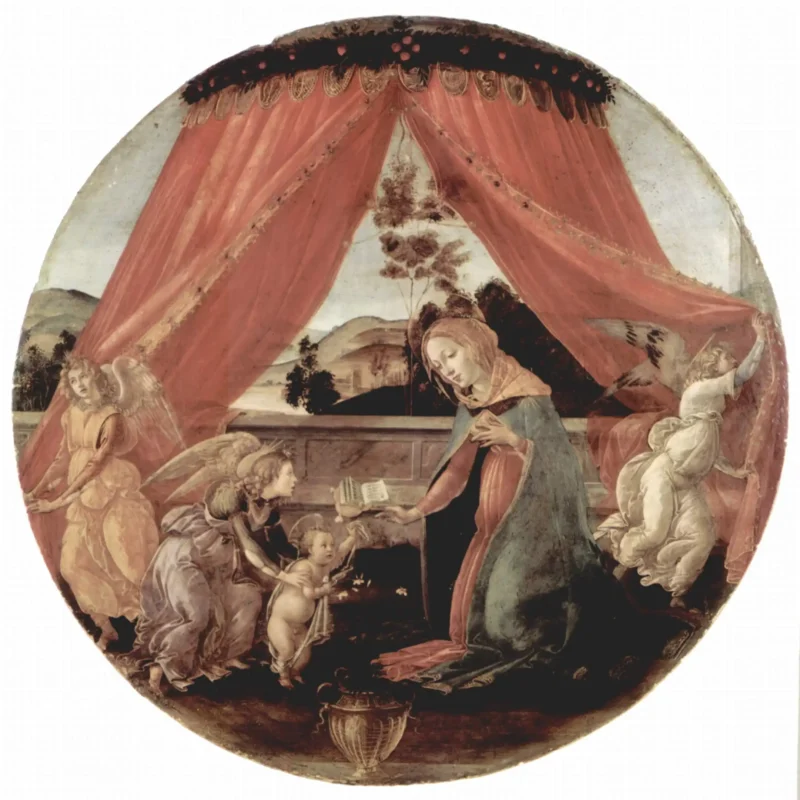
Madonna del Padiglione, painted by Sandro Botticelli around 1493, depicts the Virgin Mary with the infant Jesus and three angels. The painting is housed in the Pinacoteca Ambrosiana in Milan. The Madonna is shown with her breast exposed, from which milk is flowing, while pointing to the Child, who is being supported by an angel. “Madonna del Padiglione” refers to the rich canopy or pavilion above the scene. An open book on a small table symbolizes Christ as the Word made flesh, and the infant Jesus points to the book, indicating his identity. The term “padiglione” refers to a verse in St. John’s Gospel in which the word “dwelt” means “tabernacle,” alluding to a bridgehead in the Old Testament. The Mother of God is shown as the new Ark of the Covenant, containing the Word of God.
“Basket of Fruit” by Caravaggio
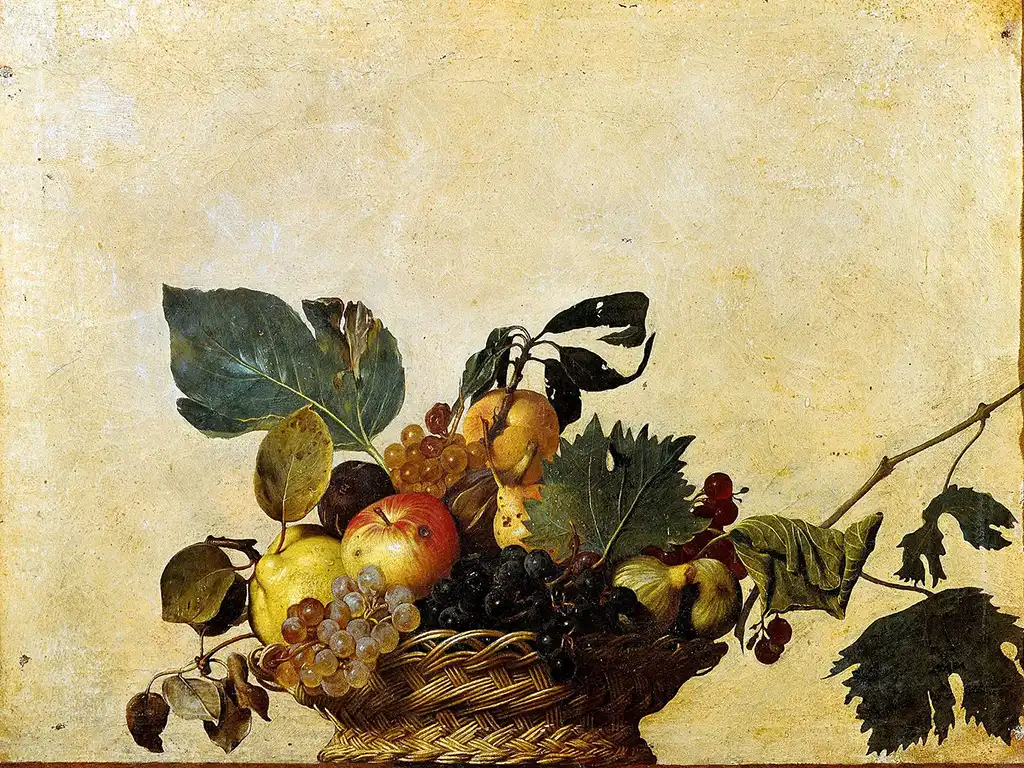
Michelangelo Merisi da Caravaggio’s painting “Basket of Fruit” will introduce us to the world of the Italian Baroque. Created around 1599, this still-life masterpiece is housed in Milan’s Biblioteca Ambrosiana, which intrigues art enthusiasts.
The painting depicts a wicker basket delicately perched on a shelf, displaying an assortment of meticulously presented summer fruits.
Caravaggio’s attention to detail is impressive, as he captures the essence of each fruit, including peaches with space-time tunnels, two-colored apples, figs on the verge of splitting, grapes in various colors and pristine quince.
…and many others.
The Pinacoteca is located in the center of Milan, near the Piazza del Duomo.
The Pinacoteca is a great place to learn about Italian art, see some of the most important works of art from the Renaissance and Baroque periods, and simply enjoy the beauty of art.

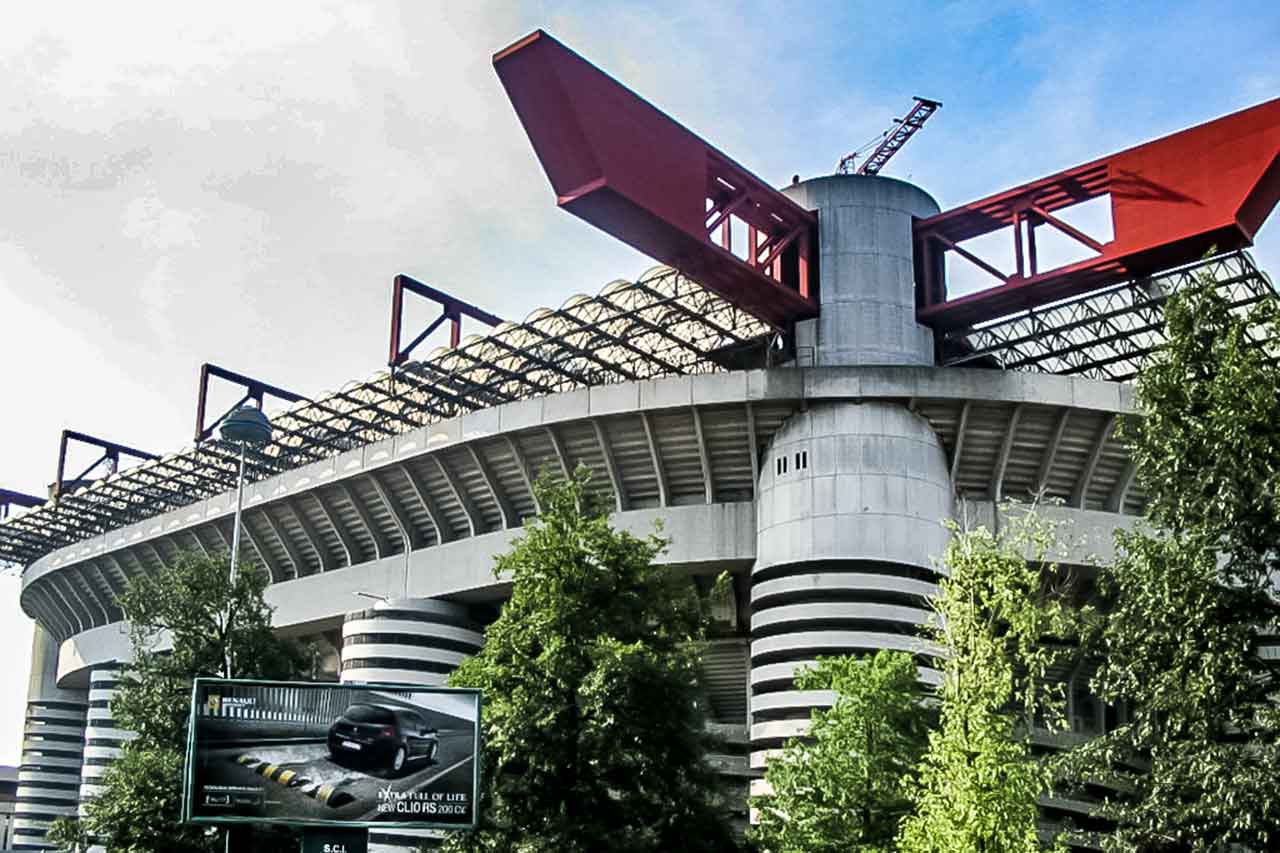
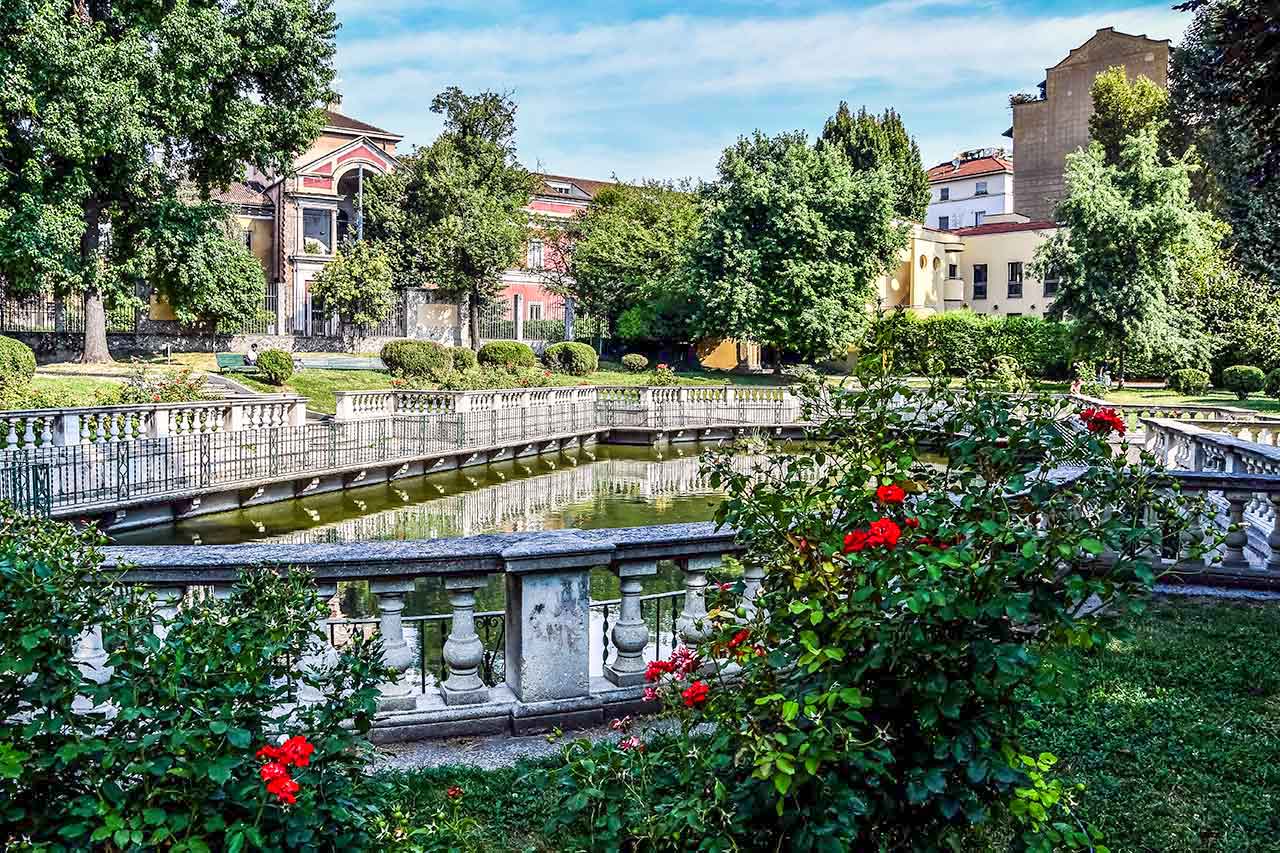
I lived in Milan for 18 years, and it was there that I came to know the city’s daily life best - not just its landmarks, but also its rhythm, its habits, and its less obvious sides. Today I live in Wrocław, but I still return to Milan regularly.