


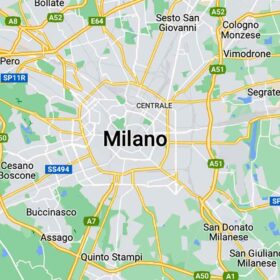
 The Geographic Location of Milan – A Strategic Spot in the Heart of Europe
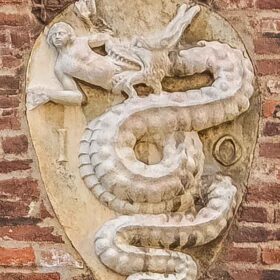 Milan’s coat of arms
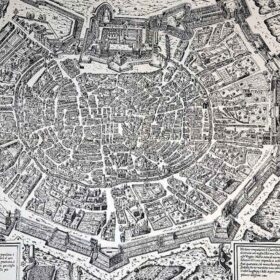 History of Milan
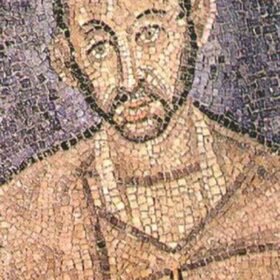 Saint Ambrose
 History of Panettone
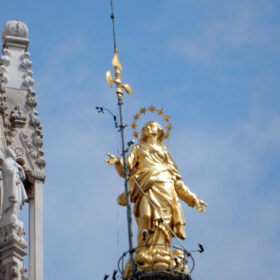 Madonnina
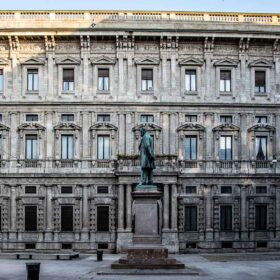 City Hall
 Milanese cuisine


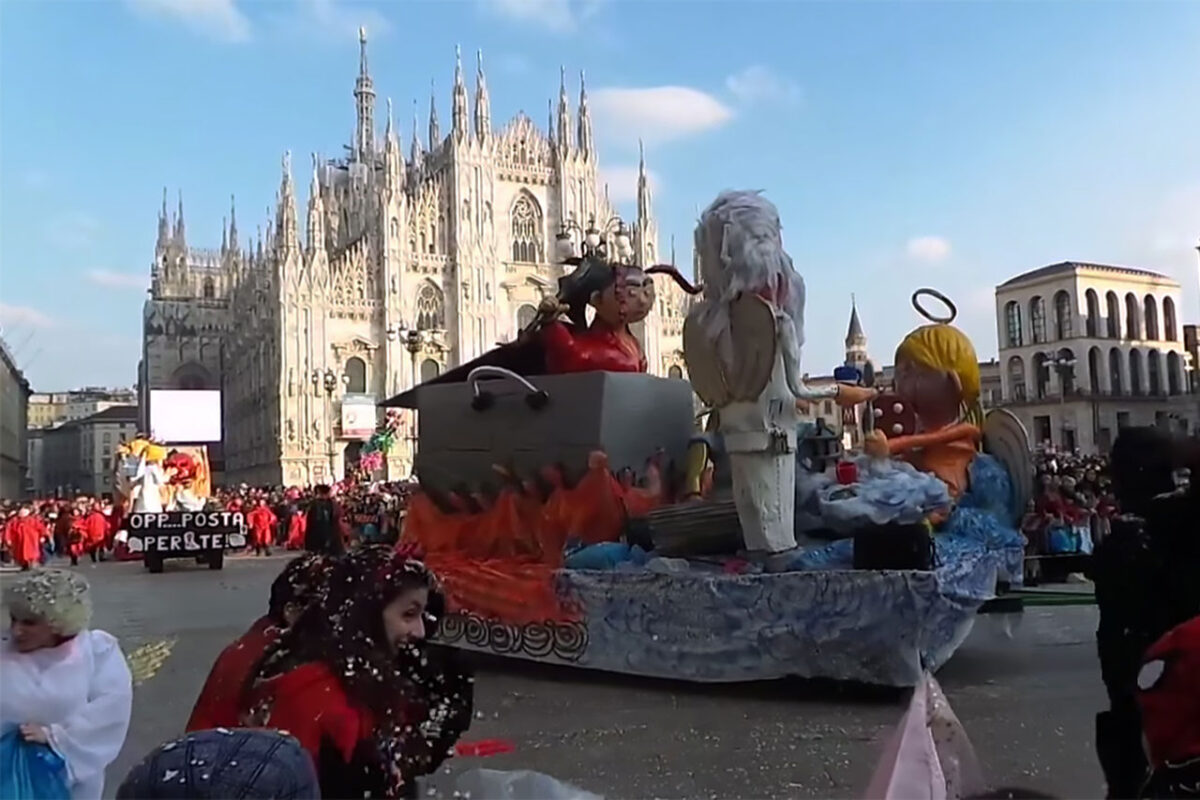
This Saturday, when in the rest of Italy, Poland and other parts of the world Catholics are already mortifying themselves for Lent, in Milan the carnival frenzy is just going on at its best. The source of this peculiar Milanese tradition is that Milan has a different liturgical rite, the Ambrosian, which derives from the name of the city’s patron saint, Saint Ambrose.
If we take a closer look at the history, we can see that the Ambrosian rite predates the Roman rite, which was never adopted in Milan. Thus, according to the Ambrosian rite, Ash Wednesday is not celebrated in Milan, and Lent begins to count from the following Sunday, which is the sixth Sunday before Easter.
There are many legends associated with the history of the Milanese carnival, especially those related to the person of the Milanese bishop Ambrose. It is said that during Ambrosian times in the 4th century, the Milanese carnival enjoyed a great reputation, almost as great as the famous Venetian carnival, and that the Milanese waited with celebration for their bishop, who was late returning from a pilgrimage. And to this day there is no consensus on the version, with some saying that it was Ambrose himself who asked them to wait for him, while others say that it was the Milanese themselves who took advantage of the occasion and extended the carnival for themselves. In another version of the legend, Ambrose was not on a pilgrimage but was on a diplomatic visit to the imperial court, and the Milanese waiting for their bishop was a form of respect for him, and the permission to celebrate late was the result of a dispensation given to them by the bishop.
According to yet another legend, Bishop Ambrose asked the Pope for a dispensation to extend the celebration of Carnival, since the beginning of Lent coincided with the end of the plague and celebration was prevented due to the city’s isolation, limited rations and the prevailing famine.
It is certain, however, that even Bishop Charles Borromeo failed to change this tradition, despite his reluctance to extend Carnival.
Today, as every year, a historic parade will pass through the center street. That’s why it’s a good idea to take a stroll and see the traditional carnival masks, artists on stilts, all sorts of costumed people, and colorful carts.
And probably, like every year, there will be no getting around the soiling of jackets and coats by running kids spraying themselves with white sticky foam.


I lived in Milan for 18 years, and it was there that I came to know the city’s daily life best - not just its landmarks, but also its rhythm, its habits, and its less obvious sides. Today I live in Wrocław, but I still return to Milan regularly.