


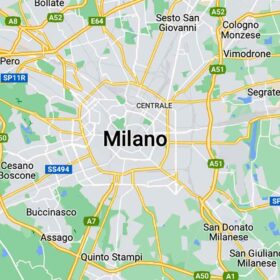
 The Geographic Location of Milan – A Strategic Spot in the Heart of Europe
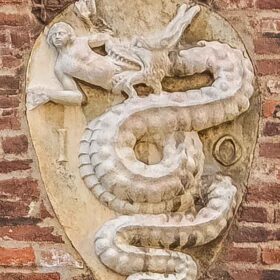 Milan’s coat of arms
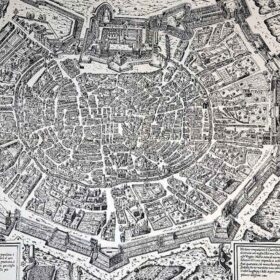 History of Milan
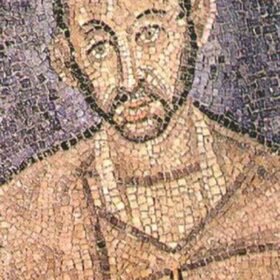 Saint Ambrose
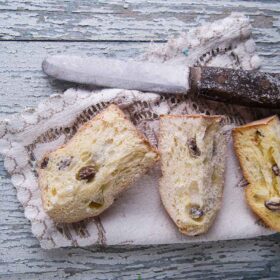 History of Panettone
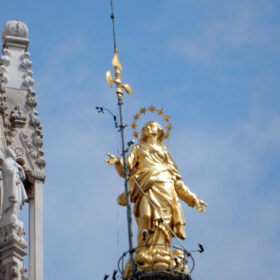 Madonnina
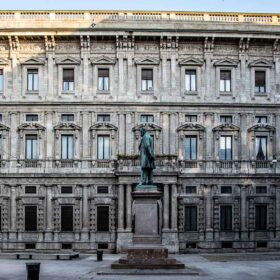 City Hall
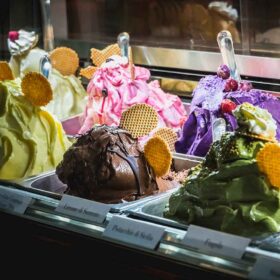 Milanese cuisine


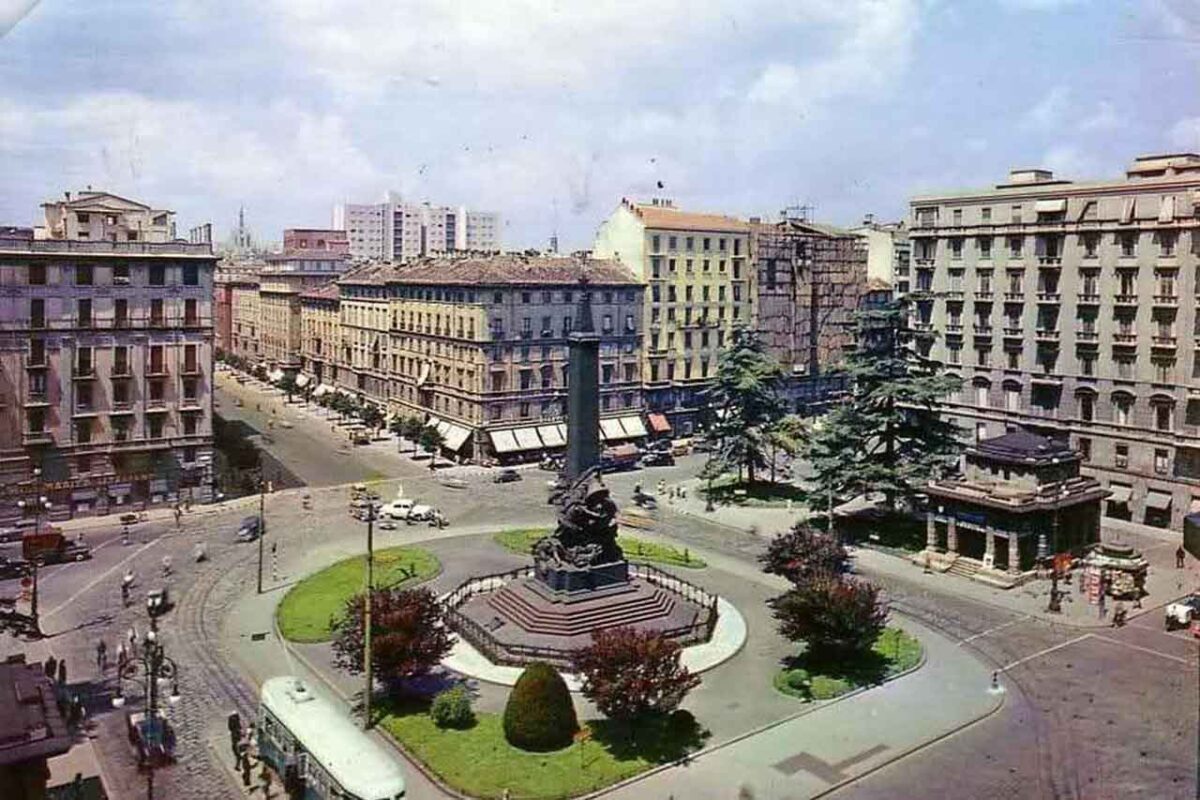
Porta Vittoria była jedną z bram hiszpańskich murów Mediolanu we Włoszech. Została zbudowana w XVII wieku, podczas hiszpańskiej dominacji w Mediolanie i znajdowała się w południowej części miasta, na obszarze, który obecnie nosi jej nazwę, Porta Vittoria. Brama była jednym z głównych wejść do miasta i służyła jako punkt celny dla towarów wjeżdżających i wyjeżdżających z miasta.
Today, the gate no longer exists, and only a few remains of the Spanish walls can be found in the area, such as a piece of wall and a tower. However, a reconstruction of the gate can be found in the Parco Solari, a park in the Porta Vittoria district.
History of the Porta Vittoria gate
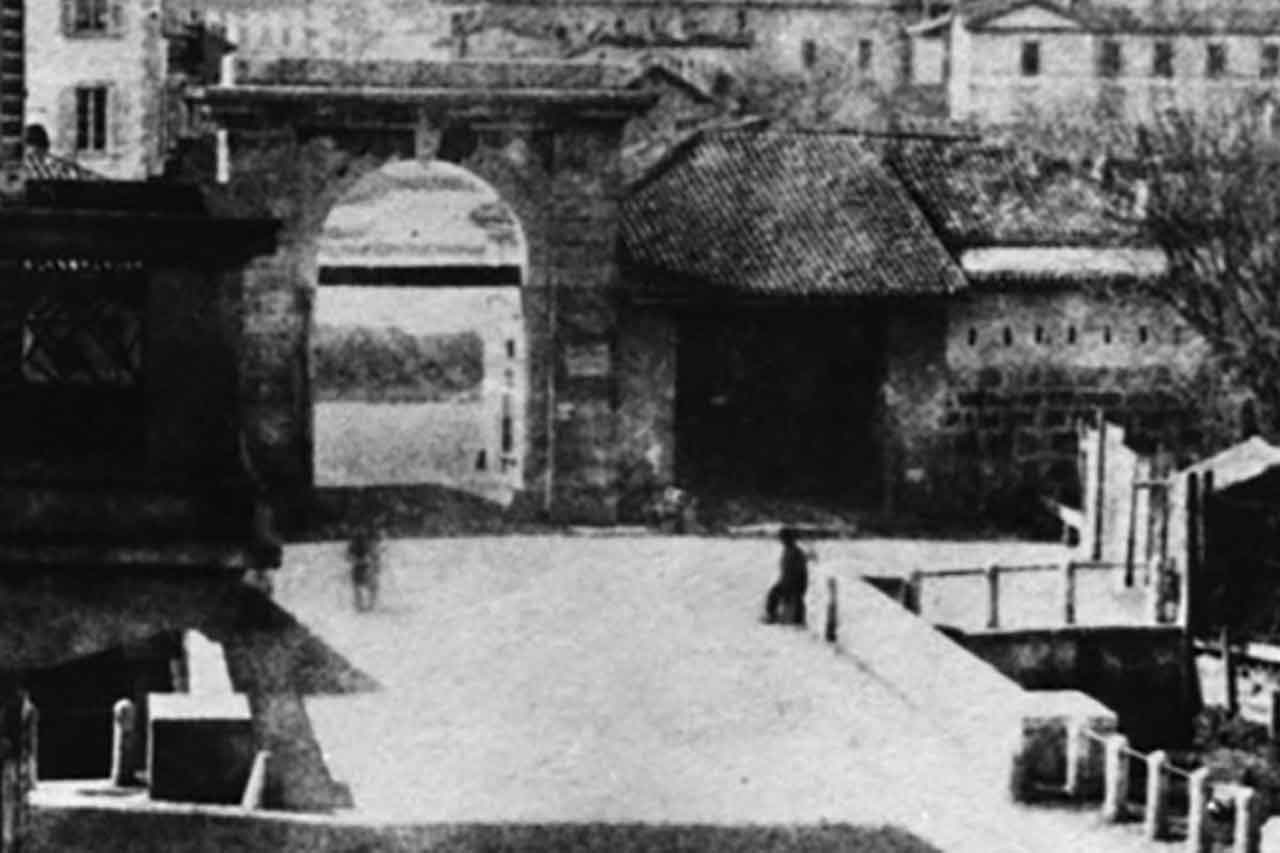
The ancient Porta Vittoria, originally known as Porta Tosa, was one of the city gates included in the structure of Milan’s Spanish walls. These walls were built in the 16th century to defend the city during Spanish rule.
The Porta Tosa, which played a strategic role in providing access to the city, was located in the eastern part of these fortifications.
During the turbulent Five Days of Milan (Cinque Giornate), from March 18 to 22, 1848., this gate was a symbol of the first victory over the Austrian occupation, going down in the annals of history as “Battle of Porta Tosa“. To celebrate the fighting spirit and the beginning of Italian unification in 1861, the gate was aptly renamed “Porta Vittoria“, commemorating the fierce battle and the coveted victory that followed.
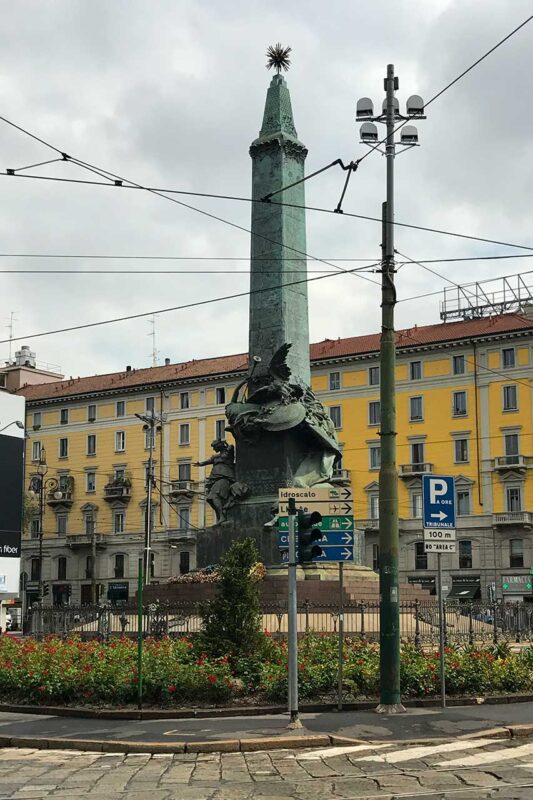
In 1895, in the center of Piazza Cinque Giornate, a monument was placed by sculptor Giuseppe Grandi to remember the heroism of the patriots who, from March 18 to 22, 1848, rioted against the Austrian troops, driving them away from the city.
Today, the Cinque Giornate piazza, on the sides of which are two guard booths (in deplorable condition), blends harmoniously with the corso di Porta Vittoria, where the headquarters of the AEM, Palazzo Sormani (home of the city’s central Library), the Law Offices (built between 1935 and 1940 to a design by Marcello Piacentini), the church of Santa Maria in Gessate, la Camera del Lavoro, numerous law offices and many stores are located.
Porta Vittoria neighborhood today
Today, the Porta Vittoria district is a commercial area, with Piazza Cinque Giornate and the adjacent Corso di Porta Vittoria and Corso 22 Marzo surrounded by large stores and warehouses. It is also bordered to the east by Città Studi, where Milan’s main universities are located.
Kontynuując spacer w stronę peryferii dochodzi się do Corso XXII Marzo, oraz alei Corsica i Forlanini, aż do parku l’Idroscalo przy lotnisku Linate,. Plac Cinque Giornate, ponadto, jest punktem newralgicznym komunikacji miejskiej wzdłuż alei Premuda, Monte Nero, Bianca Maria i Regina Margherita, które znajdują się na terenie ex Bastionów.
Milan’s Porta Vittoria district is home to several places of interest, from Art Nouveau-style buildings, museums and galleries to historic paths. Here are some of the main attractions:
Art Nouveau architecture
- Casa Frisia: The house on Via Goffredo Mameli is an excellent example of Art Nouveau architecture in Milan. Built in 1895, the building features an eclectic style with decorative elements typical of Art Nouveau, such as friezes, frescoes, and wrought iron.
- Casa Fratelli Donato and Anselmo Greppi: Designed by architect Giovanni Greppi in 1931, the house is also located on Via Goffredo Mameli. The building is another significant example of Art Nouveau architecture, characterized by an elaborate facade with decorative details.
Villagio operaio (workers’ village)
The workers’ villages in the Porta Vittoria area of Milan are an interesting aspect of the city’s urban and social structure, linked to the history of industry and the labor movement. One of the best-known examples of these settlements is the workers’ village on Via Lincoln, which was built to house railroad workers working at the nearby Porta Vittoria station.
The workers’ village on Via Lincoln is an excellent example of social housing initiated in the late 19th century to provide decent and affordable housing for workers, particularly railroad workers in the Porta Vittoria area. This pioneering initiative gave birth to an “ideal neighborhood” characterized by apartments with pastel-colored facades, shutters, and private gardens that gave the area a peaceful and picturesque atmosphere, earning it the nickname “Rainbow Quarter.”
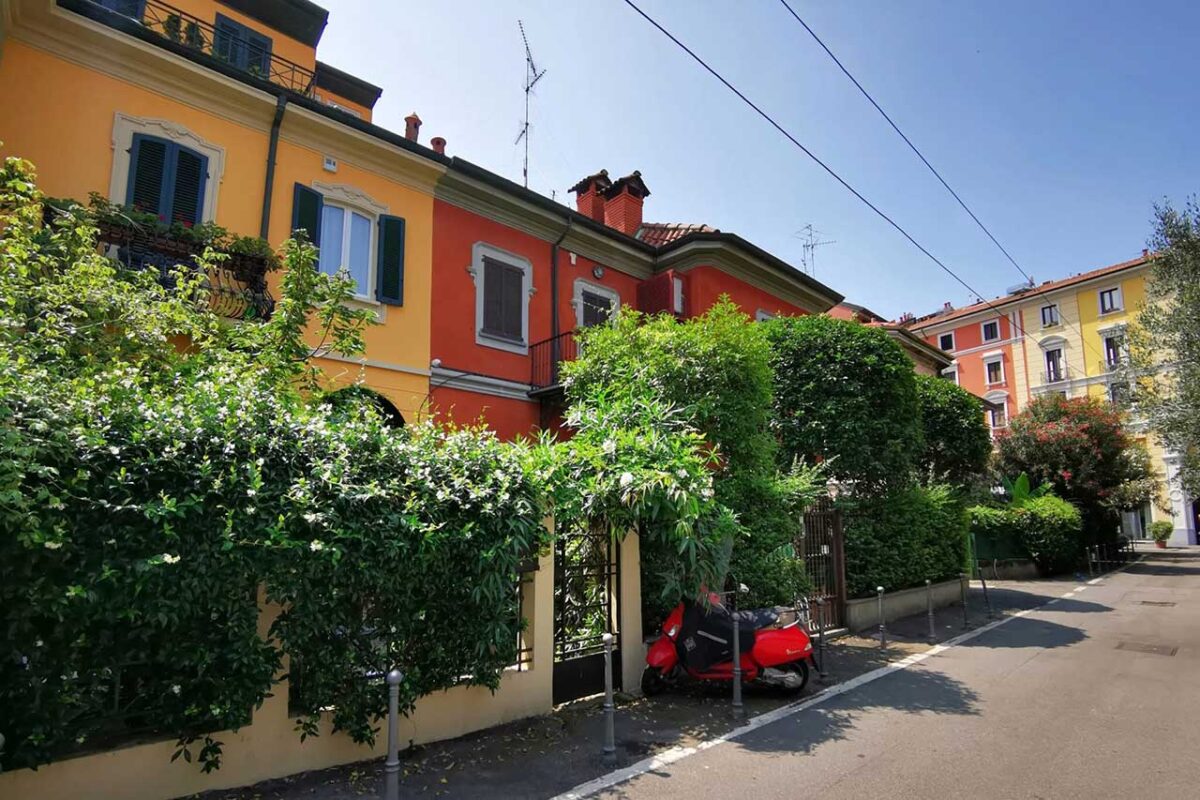
Dwupiętrowe wille, ozdobione motywami kwiatowymi, stanowiły swoistą oazę ciszy i piękna w niewielkiej odległości od centrum Mediolanu. Jednak z biegiem czasu domy w wiosce robotniczej przeszły znaczną rewaloryzację rynku, stając się coraz bardziej ekskluzywnymi i poszukiwanymi, ze względu na ich centralną lokalizację, oryginalność i większy rozmiar niż zwykłe mieszkania.
This evolution has transformed the neighborhood into a high-end residential area, limiting accessibility to a narrow group of buyers and reflecting socio-economic changes in the city.
Corso XXI Marzo
Od Piazza Cinque Giornate rozpoczyna się Corso XXII Marzo, popularna ulica handlowa w Mediolanie, która ciągnie się aż do granic miasta. To idealne miejsce dla miłośników zakupów, którzy mogą znaleźć tu zarówno sklepy znanych marek, jak i butiki lokalnych projektantów.
Where to sleep in the Porta Vittoria district
Jeśli planujesz pobyt w okolicy Porta Vittoria w Mediolanie, masz do wyboru kilka świetnych hoteli, które zaspokoją zarówno potrzeby szukających komfortu, jak i tych pragnących luksusu. Hotel Roxy Milano to świetna opcja dla tych, którzy cenią sobie bliskość metra i praktyczne udogodnienia jak WiFi czy klimatyzację, a także możliwość skorzystania z parkingu. Eurohotel Milano zaprasza z kolei gości ceniących centralną lokalizację i różnorodność pokoi, idealnie pasując do potrzeb rodzin czy grup przyjaciół. Dla szukających luksusu, The Westin Palace oferuje wyjątkową obsługę i udogodnienia na najwyższym poziomie. Podobnie, Excelsior Hotel Gallia przyciąga swoją imponującą architekturą i wnętrzami, a NH Collection Milan President wyróżnia się eleganckimi pokojami i centralną lokalizacją.
Where to eat in the Porta Vittoria area?
In the Porta Vittoria area of Milan, you’ll find great restaurants that cater to various culinary preferences. Panigacci stands out with fresh ingredients and friendly service, and their panigacci are a must-try. Labo Cucina e Caffè attracts with creative dishes in a modern setting. For fans of gluten-free cuisine, My Heart Gluten Free offers delicious pizza and other gluten-free treats. If you’re looking for something light, Molto Ristoro Leggero serves healthy salads and smoothies in a relaxed atmosphere. Each of these places has its unique strengths, but they all share high-quality food and warm service.
I lived in Milan for 18 years, and it was there that I came to know the city’s daily life best - not just its landmarks, but also its rhythm, its habits, and its less obvious sides. Today I live in Wrocław, but I still return to Milan regularly.